Head to head · the two famous perfect cones
Mayon vs Mount Fuji: Which Is the More Perfect Cone?
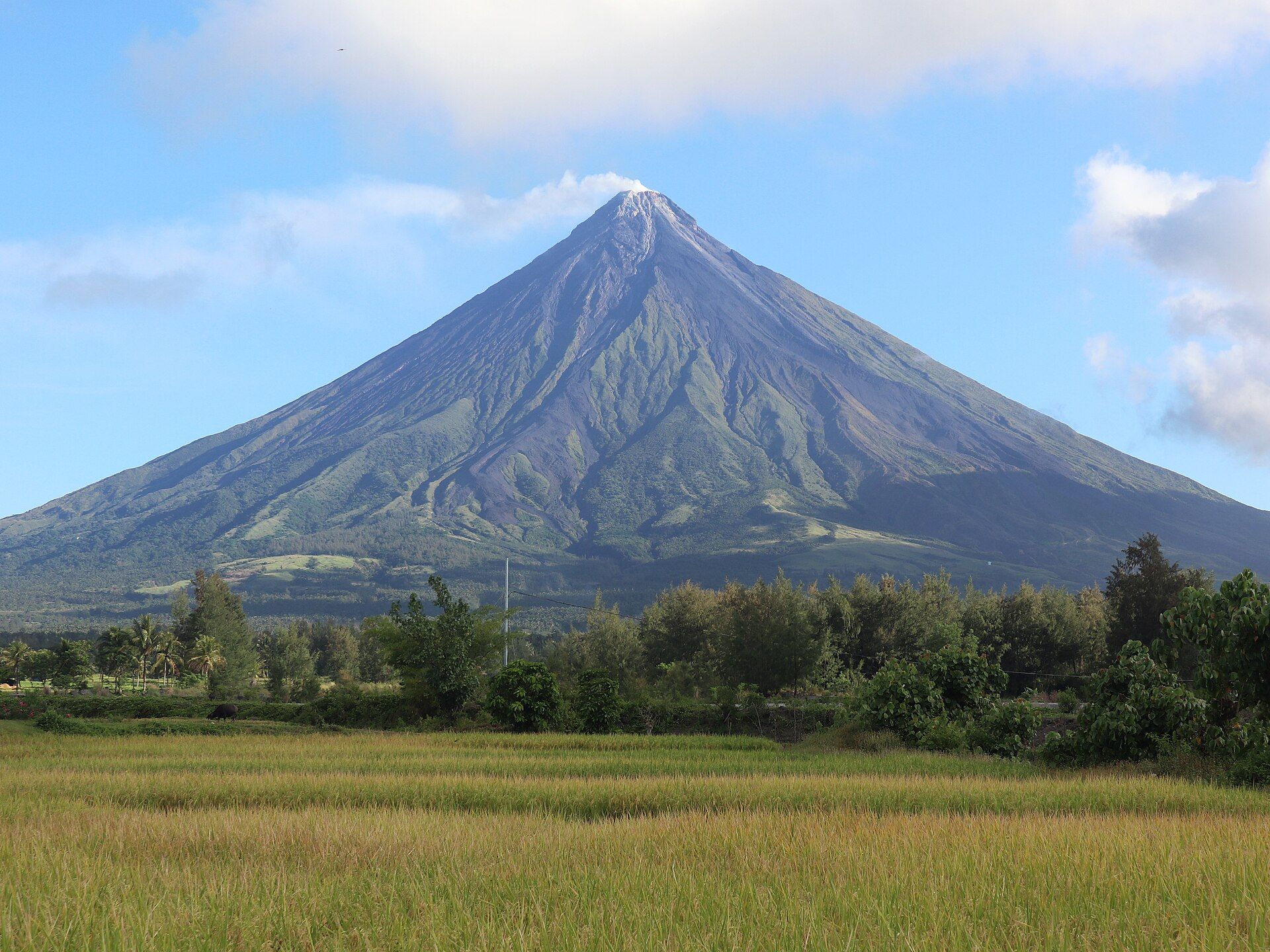
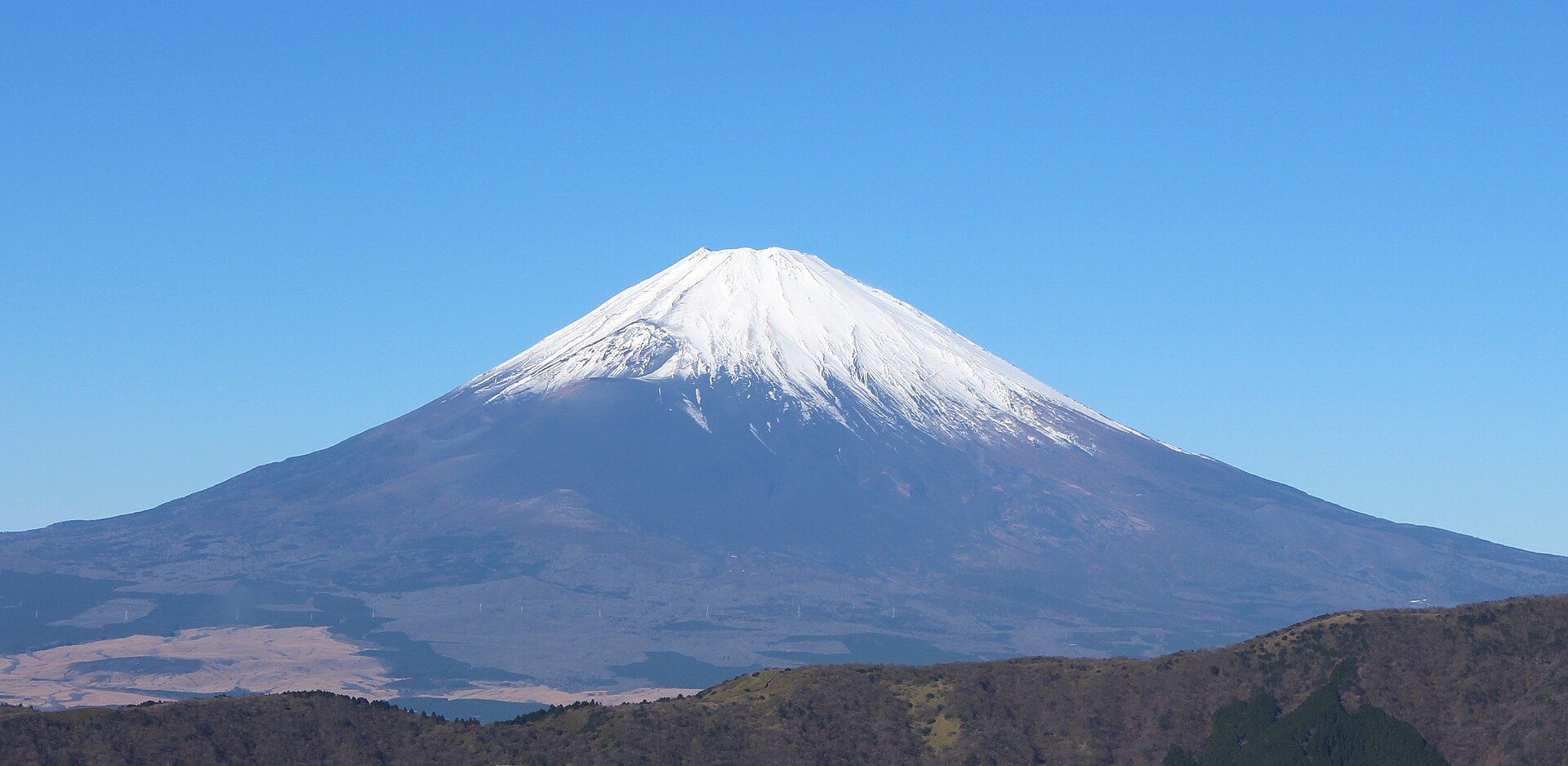
Short answer: Mayon is the one most often called the most perfectly symmetrical cone on Earth; Fuji is the higher and more famous one. Mayon rises 2,463 m above the Bicol plain in Albay and is the Philippines' most active volcano. Fuji stands 3,776 m above the plains of Honshū — Japan's highest peak — snow-capped for much of the year, and quiet since its last eruption in 1707.
The shapes have the same cause. Both are stratovolcanoes, built layer by layer from lava and ash; Mayon's frequent small-to-moderate eruptions keep renewing its cone, which is why its profile stays so clean.
As trips they differ most on climbing. Fuji has a short official season with an overnight sunrise climb; Mayon's slopes are closed whenever PHIVOLCS raises the alert — and in July 2026 it was at Alert Level 3 with an eruption under way.
Mayon Volcano
The symmetrical cone that is still erupting
A 2,463-metre stratovolcano in Albay, in the Bicol Region, and the Philippines' most active volcano. Its near-flawless cone was built by thousands of years of layered lava and ash from frequent eruptions. It is the centrepiece of the Albay UNESCO Global Geopark, and the Cagsawa belfry — a church tower half-buried by the catastrophic 1814 eruption — stands in the fields below it.
- Often called the most perfectly symmetrical cone on Earth
- Glowing lava and ash columns visible at night during activity, from approved viewpoints
- Cagsawa ruins, Lignon Hill and Sumlang Lake as classic viewpoints
- A little over an hour from Manila to the first viewpoints, flying to Legazpi
Mount Fuji
Japan's highest peak and its icon
An active stratovolcano rising to 3,776 metres, standing alone above the plains and lakes of Honshū and visible on a clear day from central Tokyo, about a hundred kilometres away. It last erupted in 1707. UNESCO inscribed it as a cultural site, for its place in Japanese art and identity over more than a thousand years.
- Higher and snow-capped — the classic cone above lakes and cherry blossom
- An official climbing season with an overnight sunrise climb
- Fuji Five Lakes and Hakone views about two hours from Tokyo
- UNESCO World Heritage Site and part of Fuji-Hakone-Izu National Park
Head to head
| What matters | Mayon Volcano | Mount Fuji |
|---|---|---|
| Symmetry Edge: Mayon Volcano | Often described as the most perfectly symmetrical cone on Earth — renewed by frequent small-to-moderate eruptions. | Almost perfectly symmetrical, and the most recognisable cone in the world, but the title for symmetry usually goes to Mayon. |
| Height Edge: Mount Fuji | 2,463 m, rising from a low plain. | 3,776 m — Japan's highest peak. |
| Activity Edge: Toss-up | The Philippines' most active volcano; at Alert Level 3 with an ongoing eruption as of July 2026, with a 6-km Permanent Danger Zone. | Active but quiet since its last eruption in 1707. |
| Climbing Edge: Mount Fuji | Restricted or closed entirely depending on the PHIVOLCS alert level; prohibited during eruptions. | Roughly early July to early September, normally overnight (about 5–7 hours up, 3–5 down). The Yoshida trail has a daily cap, a fee and entry rules — check the prefecture's portal. |
| Best season for views Edge: Toss-up | The dry months, roughly February to May. | Autumn and winter for the clearest air and the snow-capped cone. |
| Getting there Edge: Toss-up | Fly, take the train or bus to Legazpi City in Albay; the viewpoints are freely accessible. | About two hours from Tokyo to Kawaguchiko or Gotemba for the lakes and the 5th Stations. |
Which should you choose?
Choose Mayon Volcano if…
Anyone who wants the cleanest cone of all, and the rare sight of an active volcano at work — glowing at night during eruptions — from safe, approved viewpoints around Legazpi.
Choose Mount Fuji if…
Anyone who wants to climb a famous volcano for sunrise in summer, or to see a snow-capped cone over lakes, temples and cherry blossom within reach of Tokyo.
The honest verdict
On symmetry, Mayon usually takes the title: its cone is renewed by frequent eruptions and is often called the most perfect on Earth. On height and fame, Fuji leads — 3,776 m against 2,463 m, and one of the most recognisable mountains anywhere.
For a trip, the difference is access to the slopes. Fuji has a short, organised climbing season; Mayon is for looking at, and when PHIVOLCS raises the alert even the lower slopes are closed.
Check before going: PHIVOLCS for Mayon's current alert level, and the prefecture's climbing portal for Fuji's season and entry rules.
Wonders mentioned here
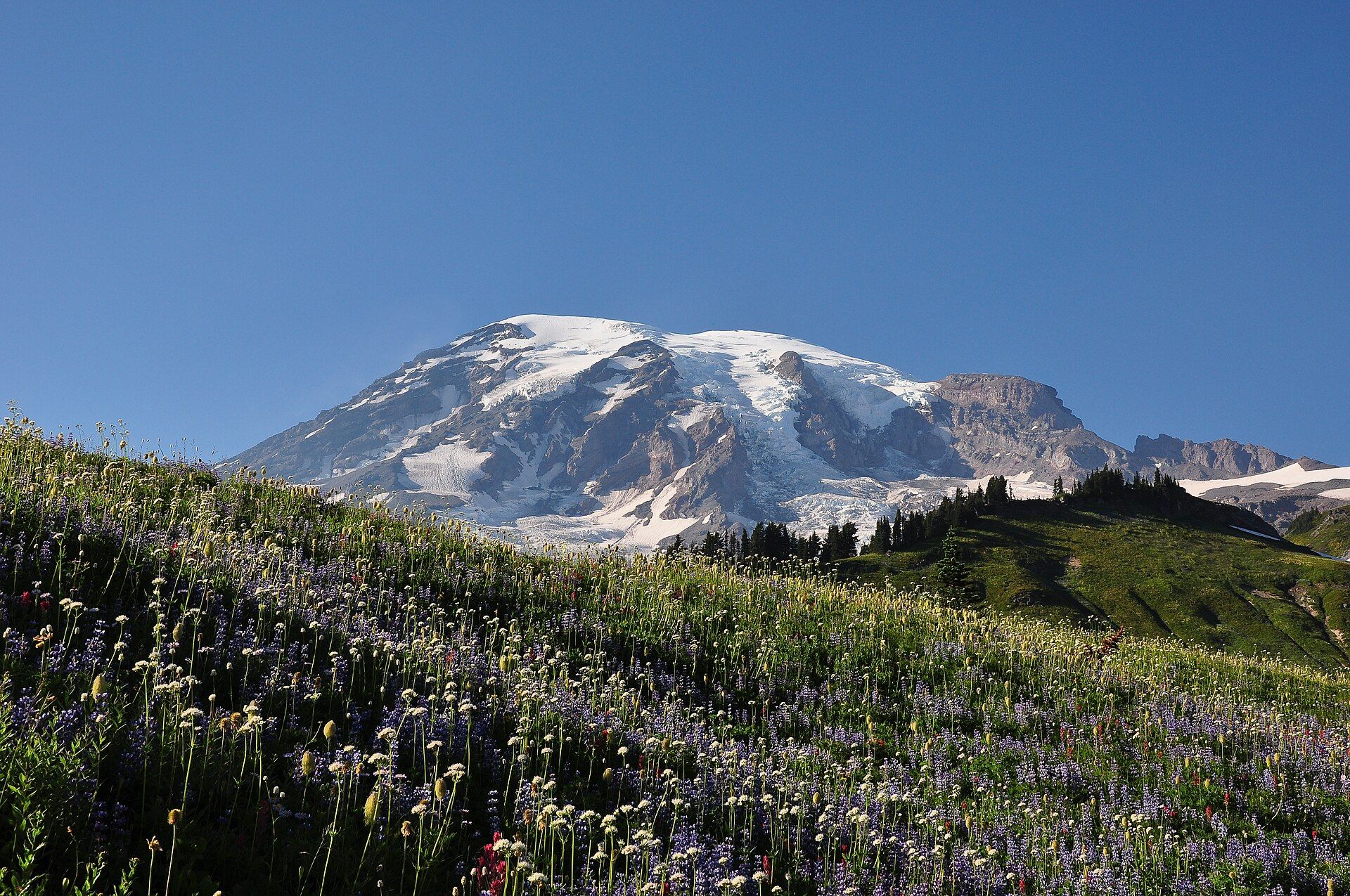
Mount Rainier
Cascade Range, western Washington, USA, about 65 miles southeast of the Seattle–Tacoma area
Added