Great Barrier Reef
📍 Queensland coast, Australia
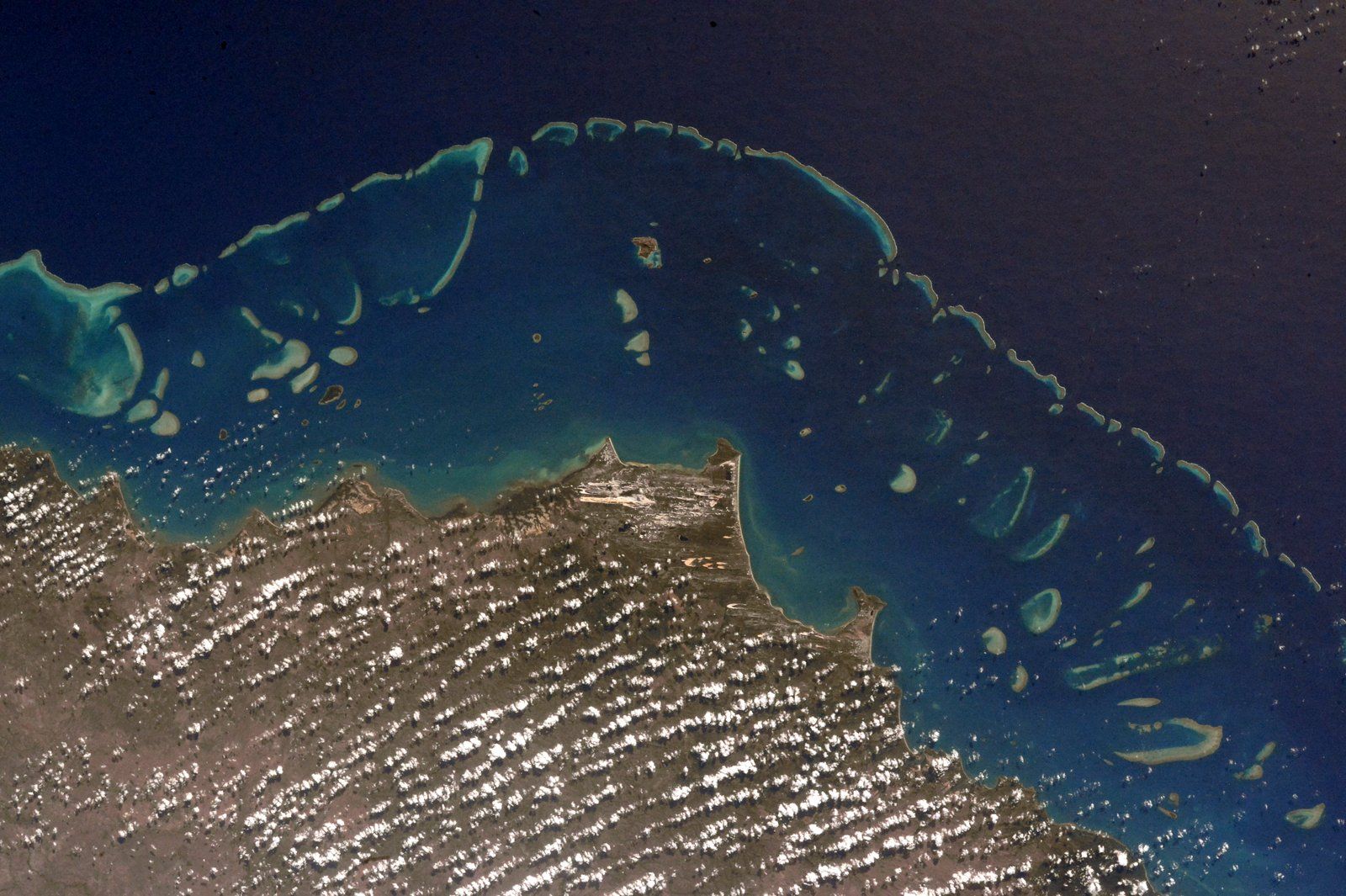
The largest living structure on Earth — a 2,300-kilometre system of nearly 3,000 individual reefs and hundreds of islands off Queensland, so vast it can be seen from space, and among the most biodiverse places in the ocean.
What makes it marvelous
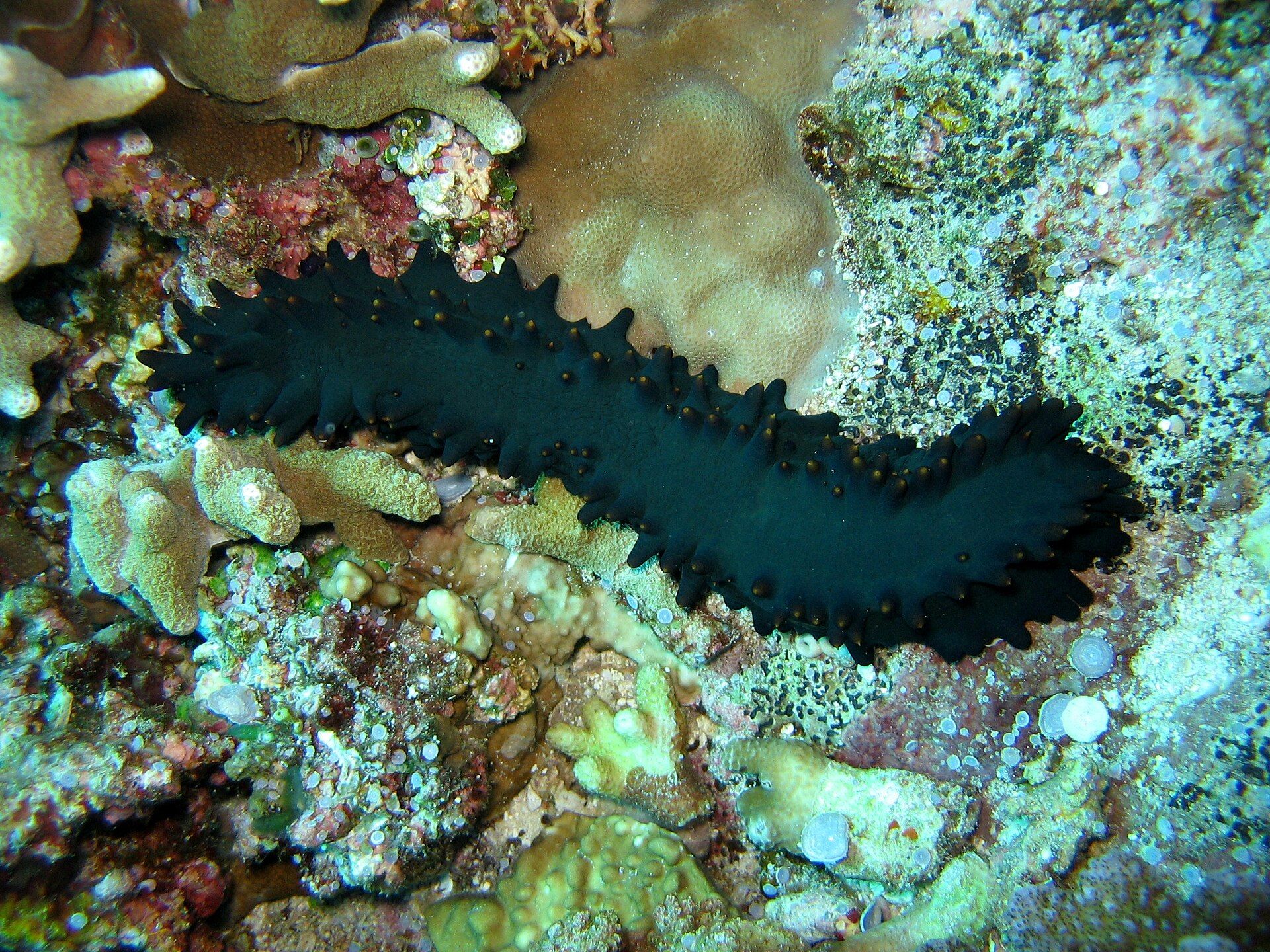
The Great Barrier Reef stretches over 2,300 kilometres and covers some 344,000 square kilometres, built by countless generations of tiny coral polyps over thousands of years atop older reef foundations. It is the largest structure made by living things anywhere, home to over 1,500 species of fish, 400 kinds of coral, turtles, dugongs, sharks, and whales. It is also a barometer of the ocean's health: rising sea temperatures have driven repeated mass bleaching events, making its protection one of the defining conservation challenges of our time.
Why visit
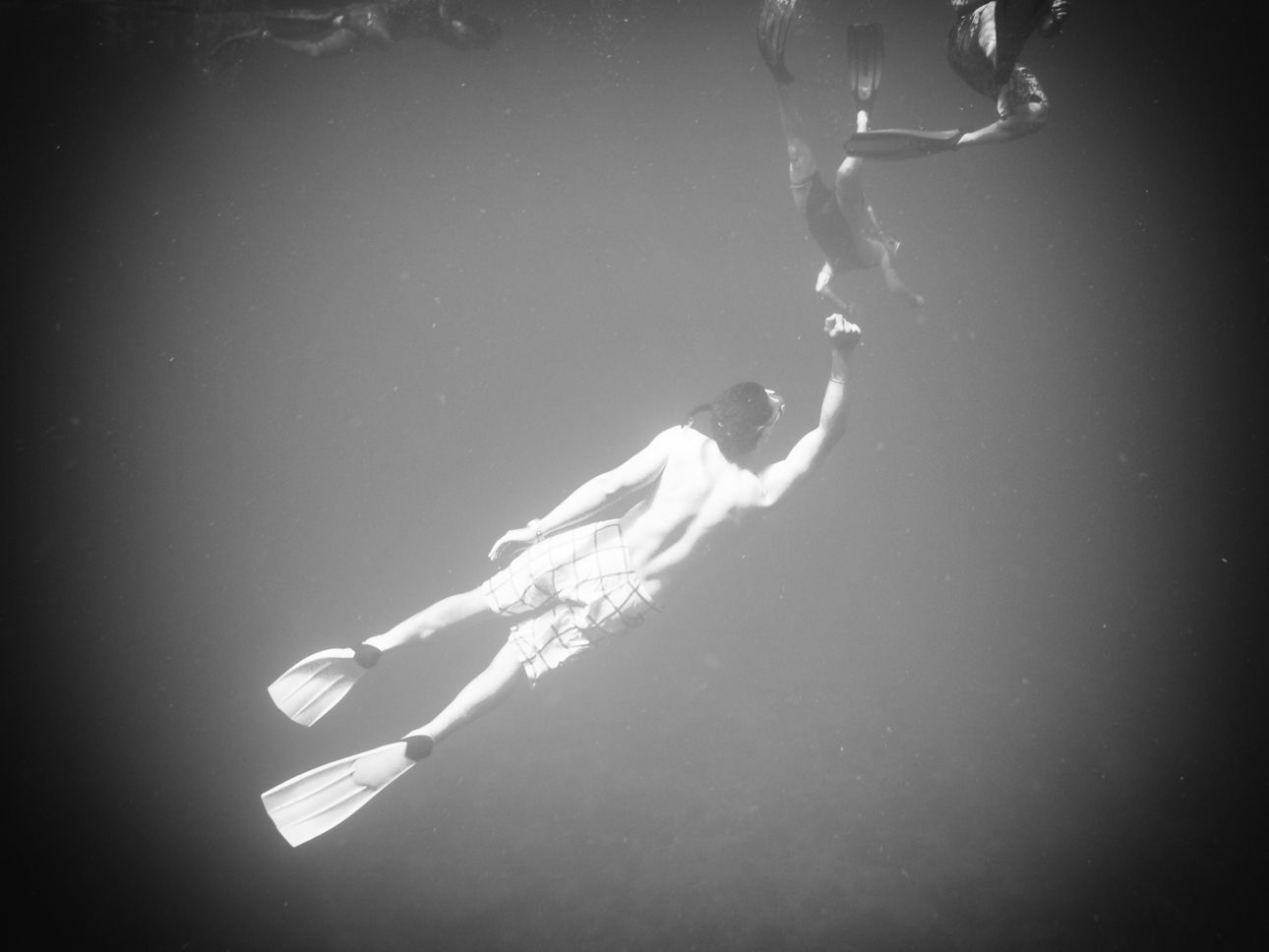
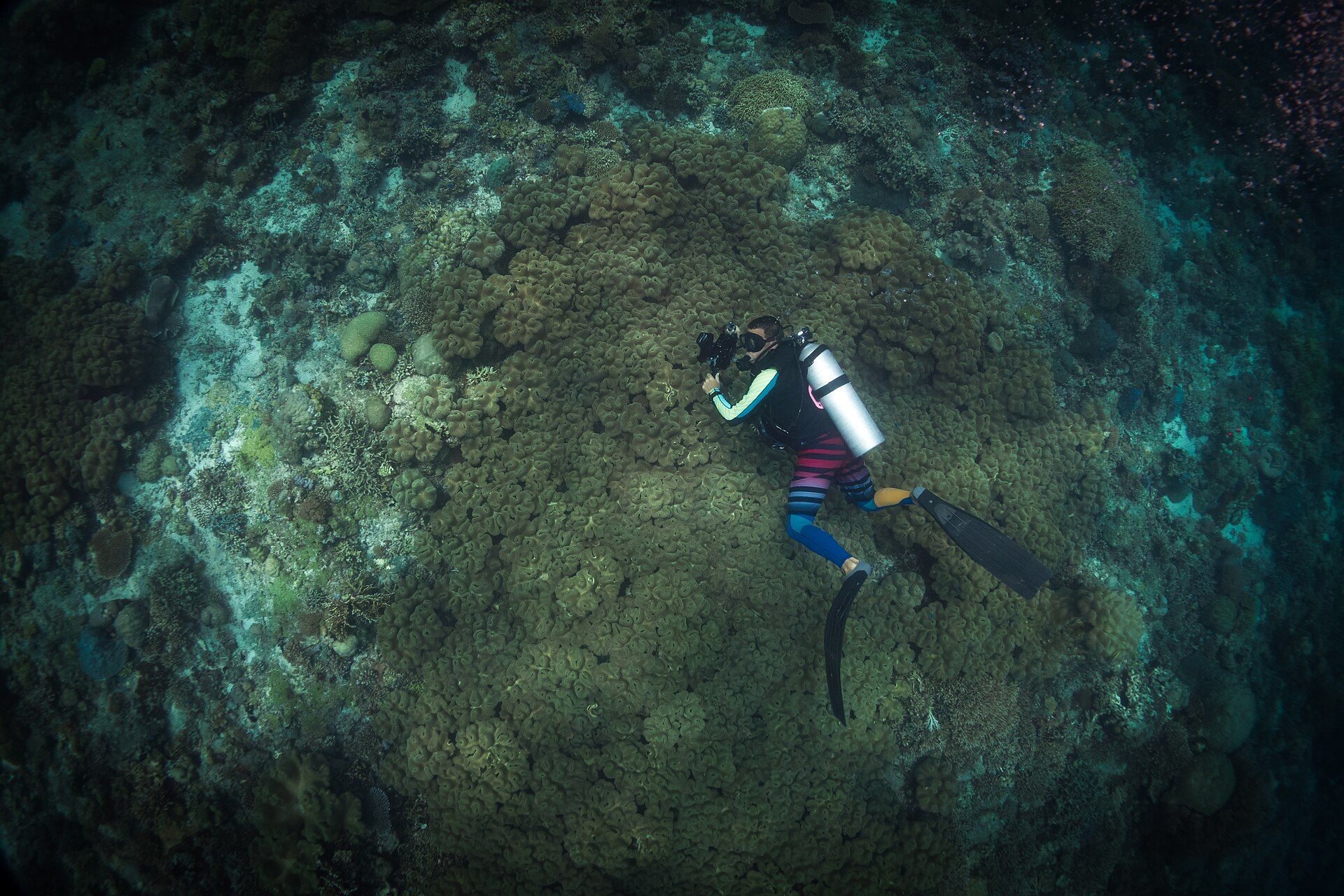
Snorkelling or diving over the reef is like entering a submerged city — coral gardens in every colour, clouds of fish, turtles, and reef sharks. From the air, the sheer scale of the reef mosaic and its turquoise lagoons is breathtaking. It is one of the natural wonders of the world, and a place to witness both the ocean's abundance and its fragility.
More views of Great Barrier Reef
Additional photographs of the actual site — each freely licensed, with its photographer and licence credited.
What to know before you go
🗓️ Best time
June to October (dry season) for the clearest water, calmest seas, and best visibility; coral spawning occurs after the November full moon.
🧭 Getting there & access
From gateway cities like Cairns and Port Douglas in Queensland, by day boats and liveaboards to the outer reef; island resorts also give reef access. Marine-park zoning and fees apply.
Good to know
- Choose eco-certified operators and use reef-safe sunscreen.
- Never touch or stand on coral; keep a respectful distance from wildlife.
- Outer-reef sites generally offer healthier coral and better visibility.
Plan your visit
Easy🧭 Getting there
From Cairns (CNS) or Port Douglas, Queensland; Hamilton Island or Airlie Beach for the Whitsundays
- Fly to Cairns — roughly 3h from Sydney
- Boat to the outer reef — about 1h30–2h depending on sea state
- Inner reef and island sites are considerably closer
- Total travel
- Most of a day from southern Australia
- Time at site
- A day for a single reef trip; 3+ days to see real variety; liveaboards run several days
- Access
- No visitor permit needed — the marine park environmental charge is collected inside operator fares. Diving needs certification, or an operator-supervised introductory dive.
🎒 What to bring & consider
- Reef-safe sunscreen and a long rash guard — the UV here is severe and ordinary sunscreen harms coral
- A stinger suit roughly November to May, when box jellyfish and Irukandji are present; operators supply them and you should actually wear one
- Seasickness medication — the outer-reef crossing is frequently rough
- The discipline not to touch anything; coral cuts infect readily and the coral comes off worse
👁️ What to expect
- Crowds
- Pontoon operations carry large numbers at once. Small-boat and liveaboard trips are much quieter for a higher price.
- Conditions
- Open-water swimming from a moving boat. Visibility and sea state swing enormously with the wind.
- Facilities
- Excellent in Cairns and Port Douglas. At the reef itself, only what your boat carries.
- The view
- Underwater colour needs sun overhead and calm water. Reef condition varies a great deal by site and by year — ask operators which sites are in good shape for your dates rather than assuming.
Times and requirements are approximate and change with season, weather, and local rules — confirm permits, fares, and schedules with operators before you travel.
Natural riches of the area
- The largest coral reef system and living structure on Earth
- 1,500+ fish species, 400+ corals, turtles, dugongs, whales
- Seagrass beds, mangroves, and hundreds of islands and cays
- A globally important barometer of ocean health
Local food
- Barramundi
- A prized Australian fish, often grilled — a Queensland favourite.
- Moreton Bay bugs & prawns
- Sweet local shellfish and prawns from the Queensland coast.
- Tropical fruit
- Mangoes, lychees, and other fruit from tropical North Queensland.
The Great Barrier Reef is the largest thing living creatures have ever built. Stretching more than 2,300 kilometres along the Queensland coast and made of nearly 3,000 separate reefs, it is so vast it is visible from space — the work of countless tiny coral polyps laying down limestone, generation upon generation, over thousands of years. Beneath the surface it is a submerged metropolis: over 1,500 kinds of fish, 400 species of coral, plus turtles, dugongs, sharks, and whales.
It is also one of the clearest windows we have onto the health of the oceans. Rising sea temperatures have triggered repeated mass bleaching, when stressed corals expel the algae that feed and colour them and turn ghostly white. To snorkel the reef is to witness both extraordinary abundance and real fragility at once — which is exactly why visiting it gently, with eco-certified operators, matters so much.
For all its size, the reef is easiest to grasp in pieces. The Whitsunday Islands hold Whitehaven Beach, where tides swirl blindingly white silica sand through turquoise shallows; Heart Reef, a small coral formation in the shape of a heart, is famous from the air; and low coral cays such as Michaelmas and Lady Elliot are where seabirds nest and green turtles haul out to lay. Once a year, on nights a few days after the November or December full moon, whole reefs spawn in unison — a synchronized release of coral eggs and sperm that clouds the water and is one of the ocean’s great spectacles.
Great Barrier Reef: common questions
How do you get to Great Barrier Reef?
From Cairns (CNS) or Port Douglas, Queensland; Hamilton Island or Airlie Beach for the Whitsundays: Fly to Cairns — roughly 3h from Sydney; Boat to the outer reef — about 1h30–2h depending on sea state; Inner reef and island sites are considerably closer. Allow Most of a day from southern Australia.
When is the best time to visit Great Barrier Reef?
June to October (dry season) for the clearest water, calmest seas, and best visibility; coral spawning occurs after the November full moon.
How long should you spend at Great Barrier Reef?
A day for a single reef trip; 3+ days to see real variety; liveaboards run several days. Most of a day from southern Australia of travel from Cairns (CNS) or Port Douglas, Queensland; Hamilton Island or Airlie Beach for the Whitsundays.
What should you bring to Great Barrier Reef?
Reef-safe sunscreen and a long rash guard — the UV here is severe and ordinary sunscreen harms coral A stinger suit roughly November to May, when box jellyfish and Irukandji are present; operators supply them and you should actually wear one Seasickness medication — the outer-reef crossing is frequently rough The discipline not to touch anything; coral cuts infect readily and the coral comes off worse
Do you need a permit or guide for Great Barrier Reef?
No visitor permit needed — the marine park environmental charge is collected inside operator fares. Diving needs certification, or an operator-supervised introductory dive.
Is Great Barrier Reef crowded, and what are conditions like?
Pontoon operations carry large numbers at once. Small-boat and liveaboard trips are much quieter for a higher price. Open-water swimming from a moving boat. Visibility and sea state swing enormously with the wind. Facilities: excellent in Cairns and Port Douglas. At the reef itself, only what your boat carries.
Added Updated
More wonders to explore