Olympic National Park
📍 Washington State, USA
Three wildernesses in one — moss-draped temperate rainforest, glaciated peaks, and a wild driftwood coast of sea stacks, all packed onto a single Pacific peninsula.
What makes it marvelous
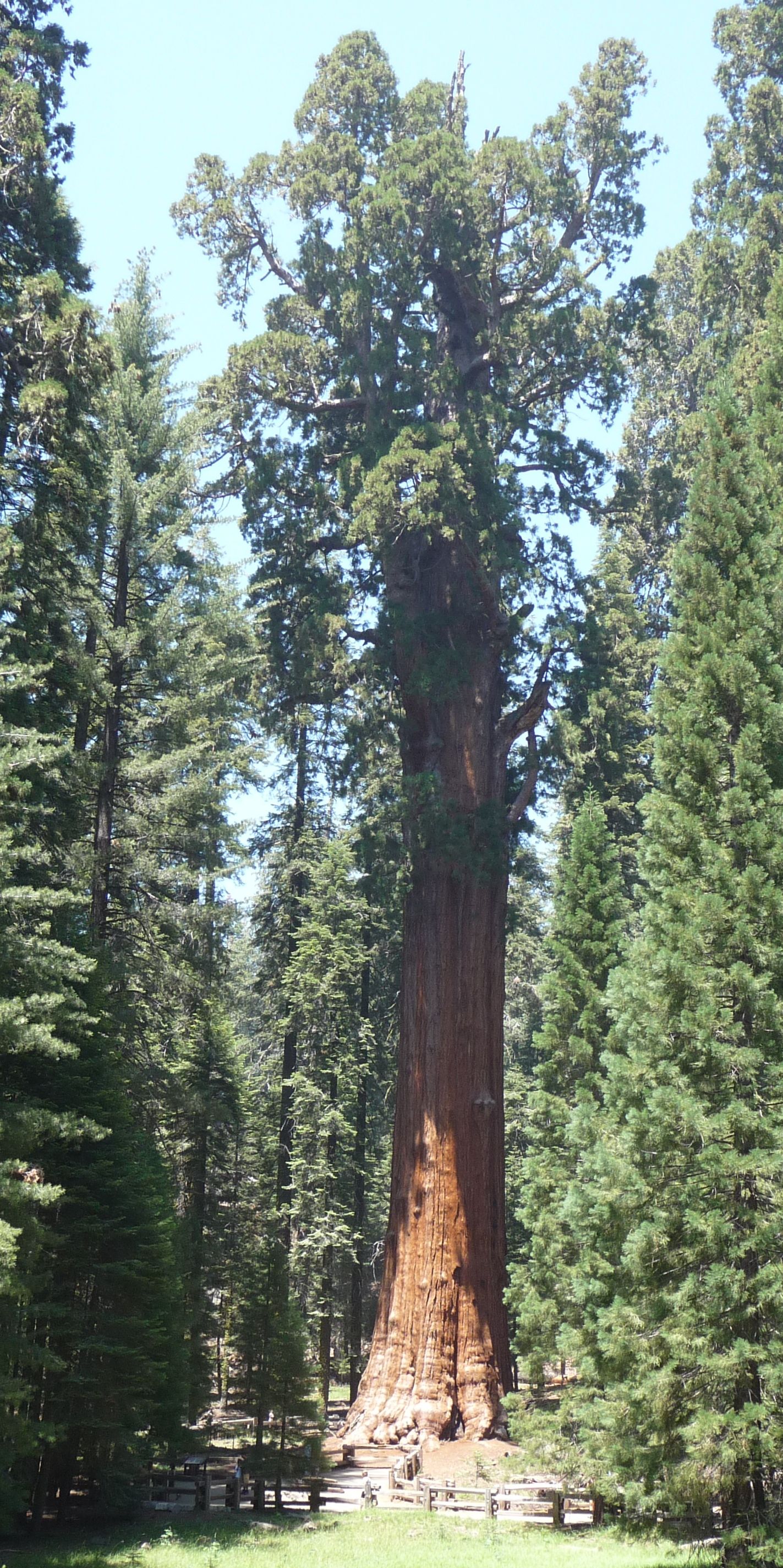
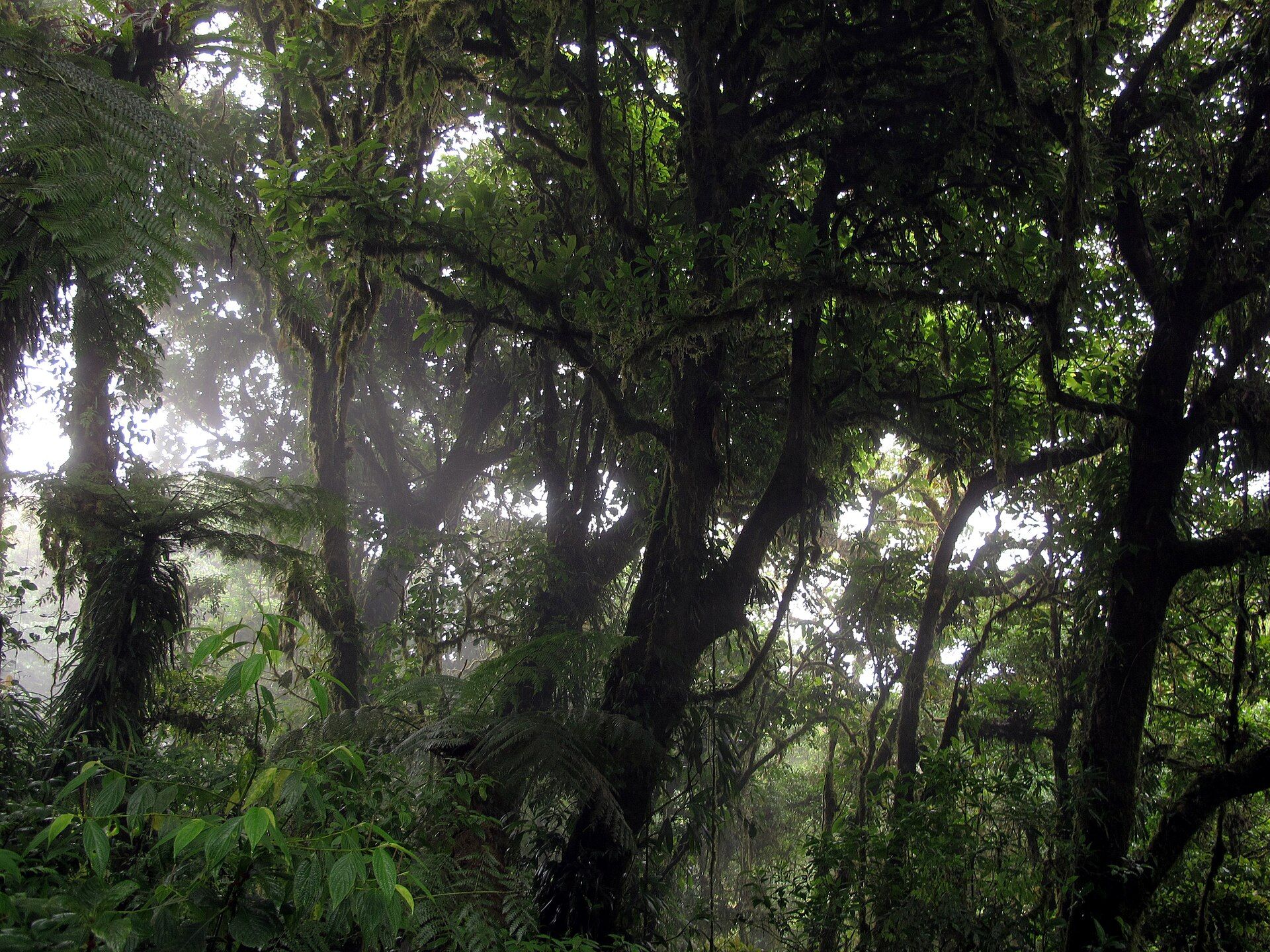
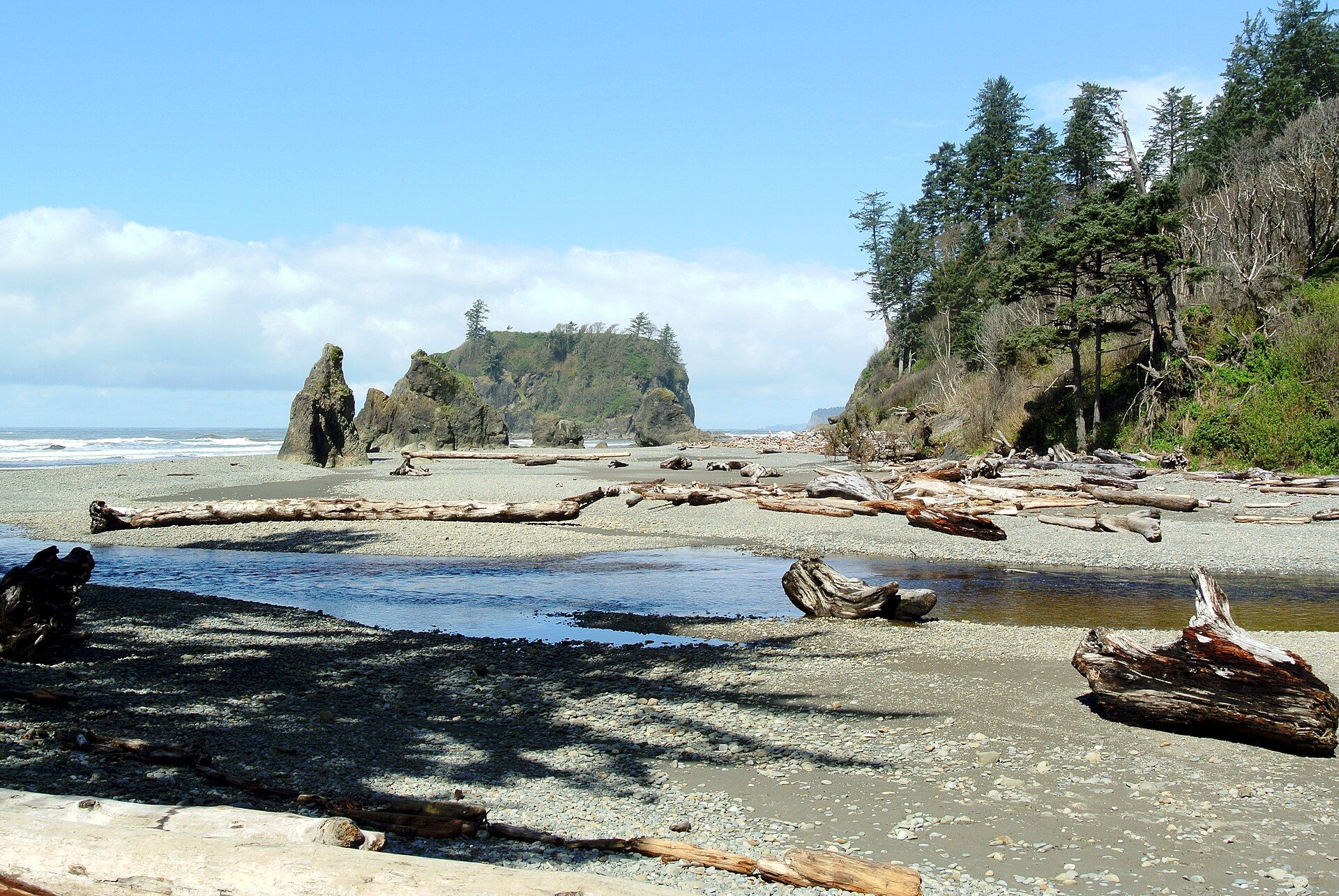
Olympic is really three parks in one, and the contrast is its glory. On its western flanks lie the Hoh and Quinault valleys, among the finest temperate rainforests on Earth — soaked by up to four metres of rain a year, where colossal Sitka spruce and western hemlock stand hung with curtains of moss and ferns carpet every surface in luminous green. At the centre rise the glaciated Olympic Mountains, crowned by Mount Olympus, with alpine meadows that blaze with wildflowers each summer. And along the Pacific edge runs one of the wildest coastlines in the lower United States: fog-wrapped beaches strewn with giant driftwood, tide pools, and sea stacks standing offshore. Long isolated by water and ice, the peninsula holds species found nowhere else. It is a UNESCO World Heritage Site.
Why visit
Few places let you walk through a dripping, moss-hung rainforest in the morning, stand among alpine wildflowers by afternoon, and watch the sun set behind sea stacks the same evening — Olympic packs three worlds into one park.
What to know before you go
🗓️ Best time
Summer and early autumn (roughly July–September) for the driest weather, open high country, and clear coastal views; the rainforest is atmospheric year-round, and winter is very wet.
🧭 Getting there & access
On Washington's Olympic Peninsula, west of Seattle via ferry or road; no road crosses the park's interior — a loop highway rings it, with spurs to Hurricane Ridge, the Hoh Rainforest, and the coast.
Good to know
- Allow several days — the rainforest, mountains, and coast are far apart by road.
- Check tide tables before walking the beaches; some headlands cut you off.
- Expect rain even in summer on the western side; pack waterproofs.
Plan your visit
Moderate🧭 Getting there
From Port Angeles, Washington — via Seattle
- Fly → Seattle (SEA)
- Drive or ferry Seattle → Port Angeles — roughly 2h30–3h30 depending on the route
- Drive Port Angeles → Hurricane Ridge — about 40 minutes
- Drive Port Angeles → the Hoh Rain Forest — roughly 2h–2h30
- Drive to the coastal beaches at Rialto or La Push — about 1h30–2h
- Total travel
- Three to four hours from Seattle to the peninsula
- Time at site
- Four days, because the three halves of this park are hours apart
- Access
- National park entry fee. This is really three parks — alpine, rainforest and wilderness coast — connected by a long loop road, and distances between them are much greater than the map suggests. Hurricane Ridge road closes and reopens with winter weather and has had extended closures; the Hoh road has washed out. Wilderness camping needs a permit and a bear canister in some zones. Check current road and trail status with the National Park Service before committing to a day plan.
🎒 What to bring & consider
- A tide table if you set foot on the wilderness coast — headlands between beaches are only passable at low water, and hikers get cut off and trapped against cliffs on a rising tide every season. This is the single most dangerous thing about the park
- Genuinely waterproof outerwear, not water-resistant: the Hoh receives several metres of rain a year and this is a rainforest in the literal sense
- Layers for Hurricane Ridge, which can be freezing and windbound while the coast is mild
- A full tank and downloaded maps for the long stretches of peninsula with no fuel and no signal
- A bear canister for overnight coastal trips, where raccoons are the more persistent thief
👁️ What to expect
- Crowds
- Busy at Hurricane Ridge, the Hoh visitor centre and Ruby Beach in summer. The interior wilderness is empty.
- Conditions
- Wet, green and mossy in the rainforest; windy and alpine at the ridge; wild, driftwood-strewn and tide-governed on the coast.
- Facilities
- Visitor centres, lodges at Lake Crescent and Sol Duc, and campgrounds. Long gaps between services.
- The view
- Sea stacks at Second Beach or Ruby Beach in fog at low tide, or moss-hung maples in the Hall of Mosses. Both want overcast — bright sun is the worst light this park gets, which is fortunate given how rarely it appears.
Times and requirements are approximate and change with season, weather, and local rules — confirm permits, fares, and schedules with operators before you travel.
Natural riches of the area
- One of Earth's finest temperate rainforests (up to ~4 m of rain a year)
- Glaciated Olympic Mountains and alpine wildflower meadows
- A wild Pacific coast of sea stacks, driftwood, and tide pools
- Endemic species from long geographic isolation
Local food
- Pacific salmon
- Wild salmon from the peninsula's rivers, central to Coast Salish tradition.
- Dungeness crab & oysters
- Shellfish from the cold waters of the Salish Sea and Pacific coast.
- Wild berries & mushrooms
- Foraged from the rainforest floor in season.
Olympic is three wildernesses stitched into one, and the contrast is what makes it extraordinary. On its western flanks lie the Hoh and Quinault valleys, among the finest temperate rainforests on Earth — drenched by as much as four metres of rain a year, where colossal Sitka spruce stand hung with curtains of moss and every surface glows green with fern. Walking there feels like entering a cathedral of water and light.
Climb inland and the land rises into the glaciated Olympic Mountains, crowned by Mount Olympus, where summer meadows blaze with wildflowers. Head west instead and you reach one of the wildest coastlines in the contiguous United States: fog-wrapped beaches heaped with giant driftwood, tide pools full of life, and sea stacks standing dark offshore. Long isolated by water and ice, the peninsula even holds species found nowhere else — and this UNESCO World Heritage park lets you cross all three worlds in a single day.
Olympic National Park: common questions
How do you get to Olympic National Park?
From Port Angeles, Washington — via Seattle: Fly → Seattle (SEA); Drive or ferry Seattle → Port Angeles — roughly 2h30–3h30 depending on the route; Drive Port Angeles → Hurricane Ridge — about 40 minutes; Drive Port Angeles → the Hoh Rain Forest — roughly 2h–2h30; Drive to the coastal beaches at Rialto or La Push — about 1h30–2h. Allow Three to four hours from Seattle to the peninsula.
When is the best time to visit Olympic National Park?
Summer and early autumn (roughly July–September) for the driest weather, open high country, and clear coastal views; the rainforest is atmospheric year-round, and winter is very wet.
How long should you spend at Olympic National Park?
Four days, because the three halves of this park are hours apart. Three to four hours from Seattle to the peninsula of travel from Port Angeles, Washington — via Seattle.
What should you bring to Olympic National Park?
A tide table if you set foot on the wilderness coast — headlands between beaches are only passable at low water, and hikers get cut off and trapped against cliffs on a rising tide every season. This is the single most dangerous thing about the park Genuinely waterproof outerwear, not water-resistant: the Hoh receives several metres of rain a year and this is a rainforest in the literal sense Layers for Hurricane Ridge, which can be freezing and windbound while the coast is mild A full tank and downloaded maps for the long stretches of peninsula with no fuel and no signal A bear canister for overnight coastal trips, where raccoons are the more persistent thief
Do you need a permit or guide for Olympic National Park?
National park entry fee. This is really three parks — alpine, rainforest and wilderness coast — connected by a long loop road, and distances between them are much greater than the map suggests. Hurricane Ridge road closes and reopens with winter weather and has had extended closures; the Hoh road has washed out. Wilderness camping needs a permit and a bear canister in some zones. Check current road and trail status with the National Park Service before committing to a day plan.
Is Olympic National Park crowded, and what are conditions like?
Busy at Hurricane Ridge, the Hoh visitor centre and Ruby Beach in summer. The interior wilderness is empty. Wet, green and mossy in the rainforest; windy and alpine at the ridge; wild, driftwood-strewn and tide-governed on the coast. Facilities: visitor centres, lodges at Lake Crescent and Sol Duc, and campgrounds. Long gaps between services.
Added