Phnom Kulen
📍 Siem Reap Province, Cambodia
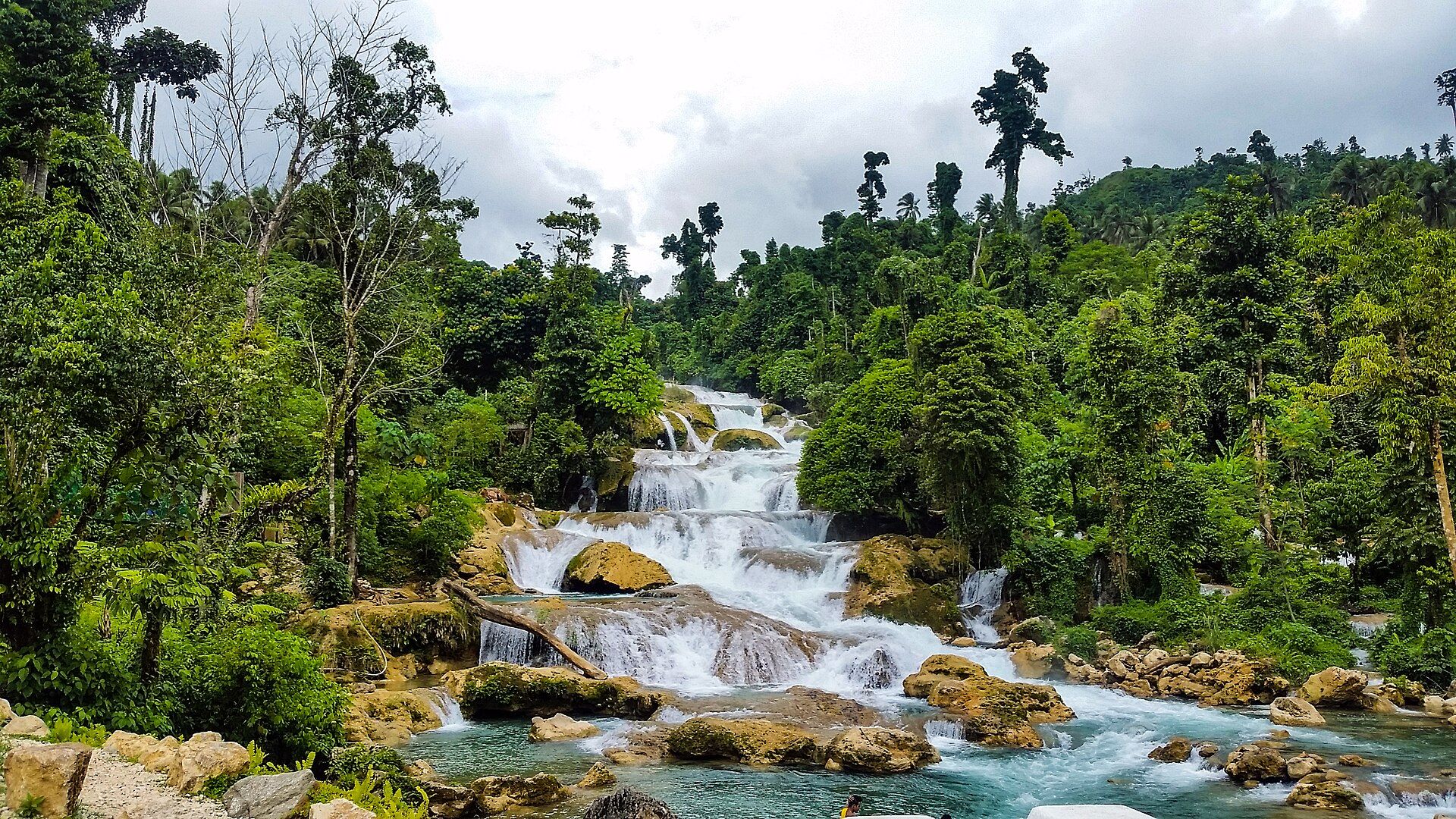
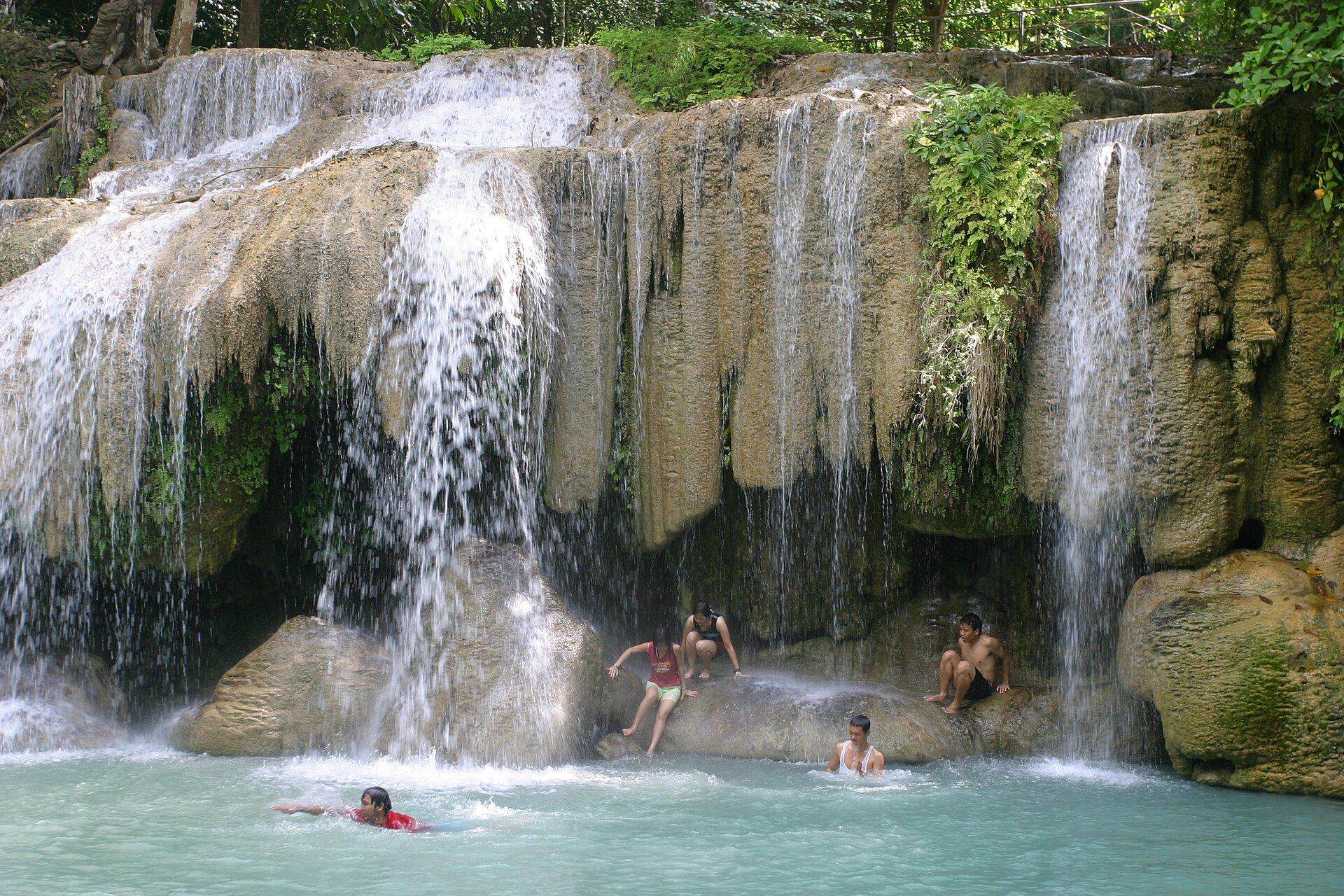
A sacred jungle plateau northeast of Angkor where a wide waterfall pours into forest pools, and a riverbed is carved with a thousand ancient sculptures beneath the flowing water.
What makes it marvelous
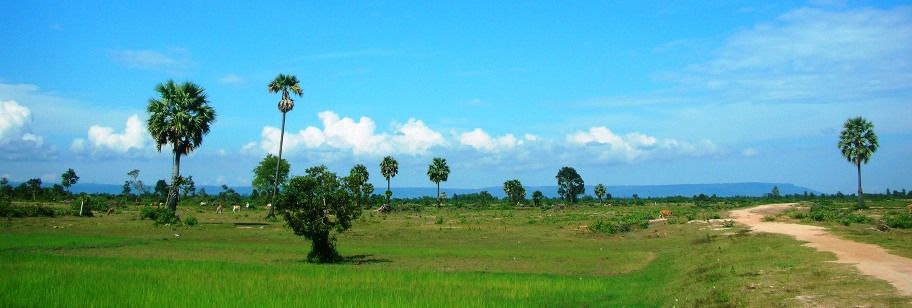
Phnom Kulen is a forested sandstone plateau that rises from the Cambodian plain, revered as the birthplace of the Khmer Empire, whose founding was proclaimed here in the early 9th century. A river runs across the plateau and drops in a broad, powerful waterfall into pools below; upstream, the sandstone riverbed is carved with hundreds of lingas and images of Hindu gods — the 'River of a Thousand Lingas' — so that the water flows over the sculptures and is considered blessed. A giant reclining Buddha carved from a boulder crowns the hill.
Why visit
The wide waterfall crashing into jungle pools is a refreshing contrast to the temples of nearby Angkor, and you can swim in the shallows below it. Wading the carved riverbed, watching clear water run over ancient sculptures, is quietly extraordinary, and the plateau's forest, shrines, and reclining Buddha make it a place of pilgrimage as much as scenery — a natural and sacred wonder in one.
What to know before you go
🗓️ Best time
The dry season (roughly November to April) makes the plateau's rough roads easiest; the waterfall is fullest in and just after the rains, so the shoulder months balance flow and access.
🧭 Getting there & access
About 1.5–2 hours by road northeast of Siem Reap, on a rough mountain track that usually needs a sturdy vehicle or a tour. A ticketed sacred site; the access road up the plateau is often one-way by time of day.
Good to know
- Go with a driver or tour — the plateau road is rough and timed one-way in places.
- Bring swimwear for the waterfall pools, and modest dress for the shrines.
- Start early to combine the falls, the carved river, and the reclining Buddha.
Plan your visit
Easy🧭 Getting there
From Siem Reap (SAI/REP), Cambodia
- Fly to Siem Reap
- Road northeast toward the plateau — about 1h30–2h, rough near the top
- Up the one-way mountain track to the falls, carved river, and Buddha
- Total travel
- A full-day trip from Siem Reap
- Time at site
- Half a day for the waterfall, carved river, and reclining Buddha
- Access
- A ticketed national park and sacred site, with its own entry fee separate from the Angkor pass. The steep access road is rough and often one-way by time of day, so a tour or capable vehicle is advisable.
🎒 What to bring & consider
- Swimwear and a towel for the waterfall pools
- Modest clothing to enter the shrines and pass the Buddha
- Sturdy sandals for wet rock and the carved riverbed
- Cash for the separate park entry fee
👁️ What to expect
- Crowds
- Busy with day-trippers and local pilgrims, especially at weekends around the falls; the carved river is calmer.
- Conditions
- A rough drive up, then easy walking and wading; the falls are powerful in the wet season.
- Facilities
- Food stalls and toilets near the falls; basic elsewhere on the plateau.
- The view
- The wide waterfall into its jungle pool, or clear water running over the carved lingas. Post-rain flow is strongest; the dry season eases access.
Times and requirements are approximate and change with season, weather, and local rules — confirm permits, fares, and schedules with operators before you travel.
Natural riches of the area
- A broad jungle waterfall and forest pools
- A sandstone plateau and river system
- Carved riverbed sculptures (the River of a Thousand Lingas)
- Plateau forest and its wildlife
Local food
- Num banh chok
- Khmer rice noodles with a fresh fish-and-herb gravy, a beloved breakfast.
- Fish amok
- Cambodia's signature dish — fish steamed in a fragrant coconut curry.
Phnom Kulen is where the Khmer Empire was born, and it remains one of Cambodia’s most sacred natural places. This forested sandstone plateau, rising above the plain northeast of Angkor, was where a king proclaimed the empire’s founding in the early 9th century. A river crosses the plateau and tumbles over a broad, powerful waterfall into pools where visitors cool off in the jungle heat — but its deeper marvel lies just upstream, where the sandstone riverbed is carved with hundreds of sacred lingas and images of Hindu gods, so that the water itself flows across the sculptures and is held to be blessed.
Above the falls, a colossal reclining Buddha carved from a single boulder draws pilgrims to the hilltop. To visit is to weave together the natural and the sacred: swimming beneath a waterfall, wading a river running over ancient art, and standing among shrines in the forest. Reached by a rough plateau road from Siem Reap, it offers a green, spiritual counterpoint to the stone temples that made Cambodia famous.
Phnom Kulen: common questions
How do you get to Phnom Kulen?
From Siem Reap (SAI/REP), Cambodia: Fly to Siem Reap; Road northeast toward the plateau — about 1h30–2h, rough near the top; Up the one-way mountain track to the falls, carved river, and Buddha. Allow a full-day trip from siem reap.
When is the best time to visit Phnom Kulen?
The dry season (roughly November to April) makes the plateau's rough roads easiest; the waterfall is fullest in and just after the rains, so the shoulder months balance flow and access.
How long should you spend at Phnom Kulen?
Half a day for the waterfall, carved river, and reclining Buddha. A full-day trip from Siem Reap of travel from Siem Reap (SAI/REP), Cambodia.
What should you bring to Phnom Kulen?
Swimwear and a towel for the waterfall pools Modest clothing to enter the shrines and pass the Buddha Sturdy sandals for wet rock and the carved riverbed Cash for the separate park entry fee
Do you need a permit or guide for Phnom Kulen?
A ticketed national park and sacred site, with its own entry fee separate from the Angkor pass. The steep access road is rough and often one-way by time of day, so a tour or capable vehicle is advisable.
Is Phnom Kulen crowded, and what are conditions like?
Busy with day-trippers and local pilgrims, especially at weekends around the falls; the carved river is calmer. A rough drive up, then easy walking and wading; the falls are powerful in the wet season. Facilities: food stalls and toilets near the falls; basic elsewhere on the plateau.
Added
More wonders to explore