Serengeti
📍 Northern Tanzania
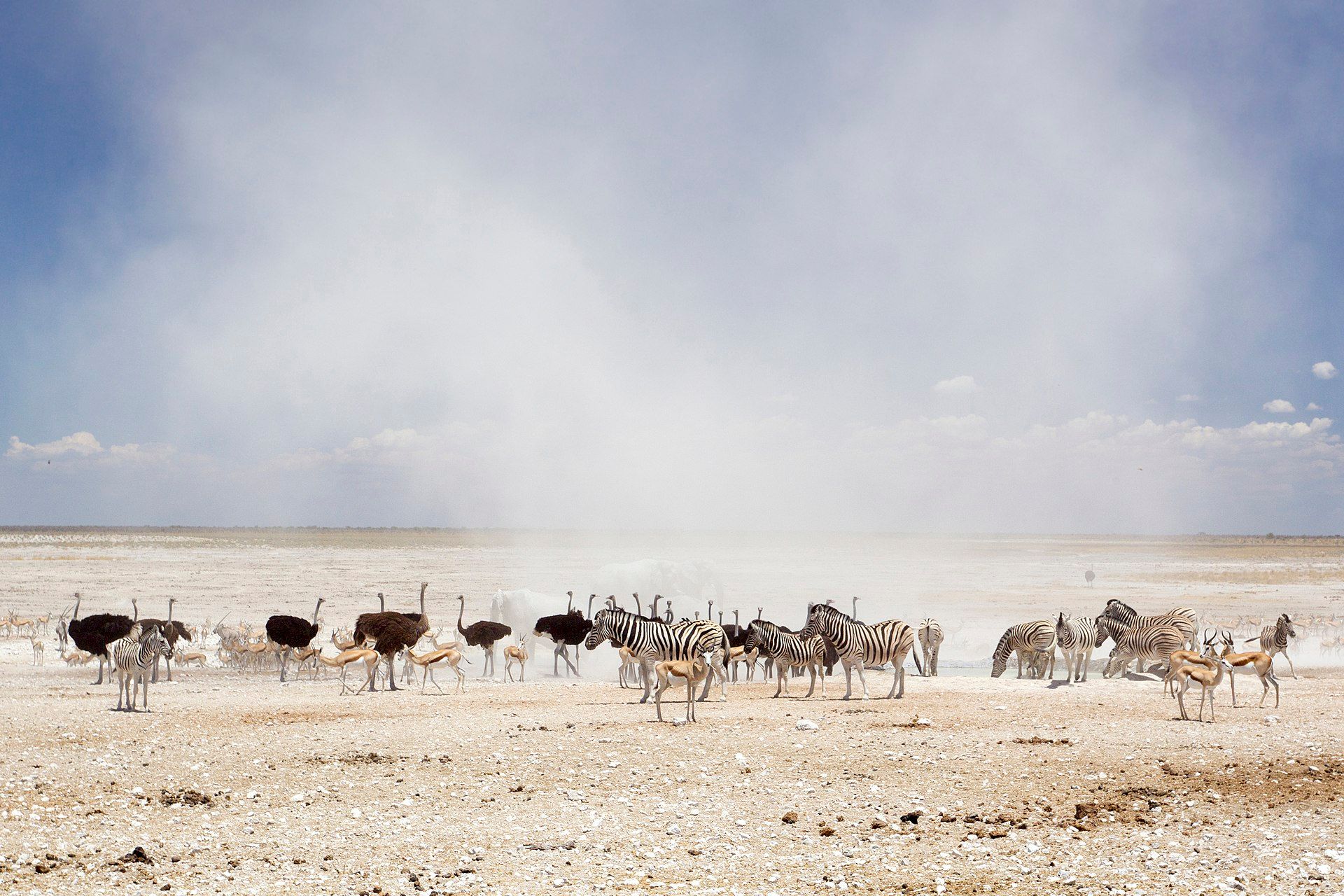
The archetypal African plain — endless golden grassland that hosts the greatest land-mammal migration on Earth, as over a million wildebeest and hundreds of thousands of zebra move in a vast annual circle.
What makes it marvelous
The Serengeti's short-grass and long-grass plains, shaped by ancient volcanic ash from the nearby highlands, support one of the last great intact grazing ecosystems. Each year some 1.3 million wildebeest, joined by zebra and gazelle, follow the rains in a continuous loop of over 800 kilometres — the Great Migration — pursued by lions, cheetahs, hyenas, and crocodiles at the river crossings. It is a UNESCO World Heritage Site and a living model of predator-and-prey on a continental scale.
Why visit
Nowhere else offers wildlife on this scale: herds to the horizon, big cats on the hunt, and the drama of river crossings. Balloon safaris at dawn reveal the sheer immensity of the plains, and the density and diversity of animals is unmatched.
More views of Serengeti
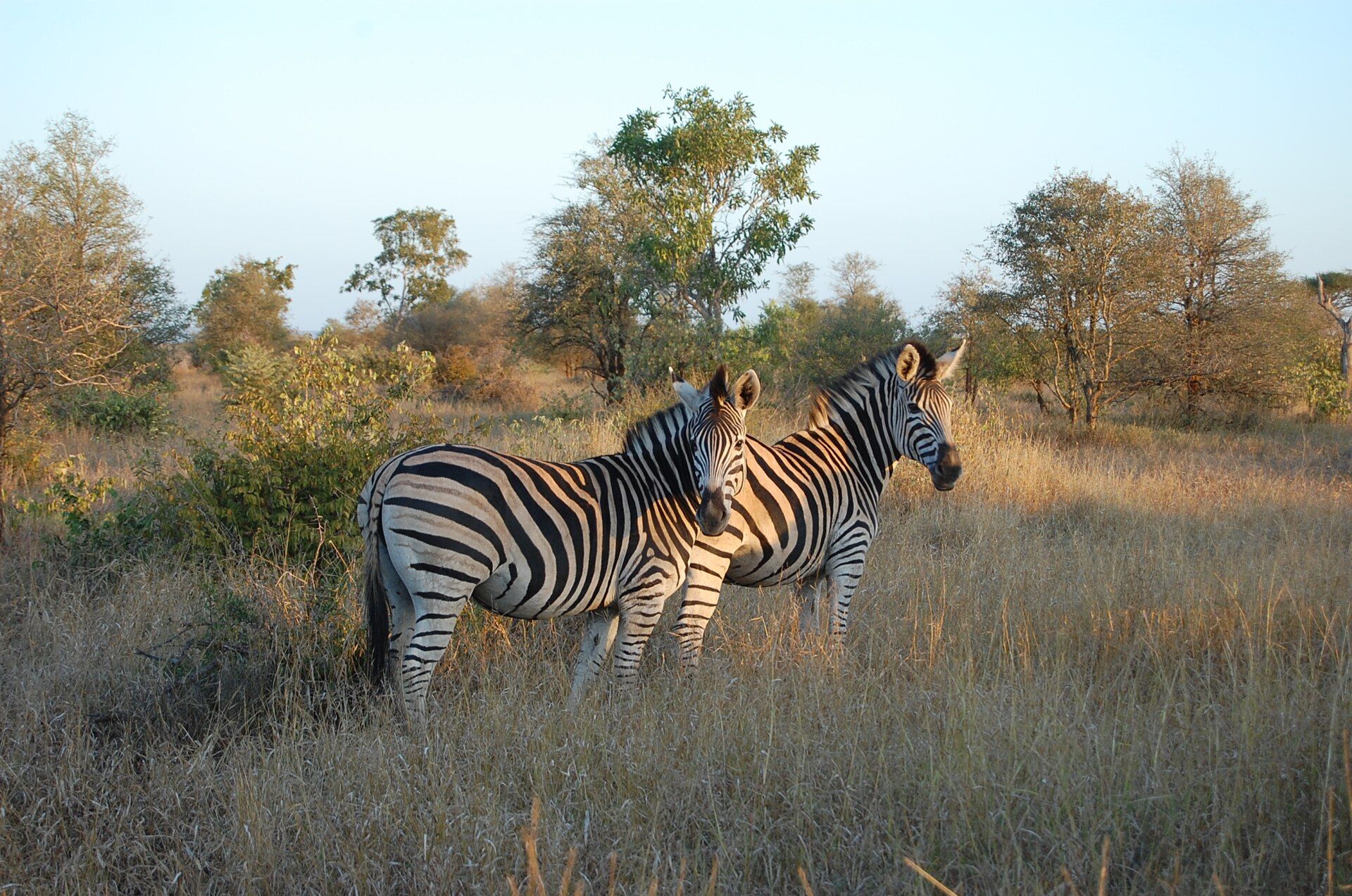
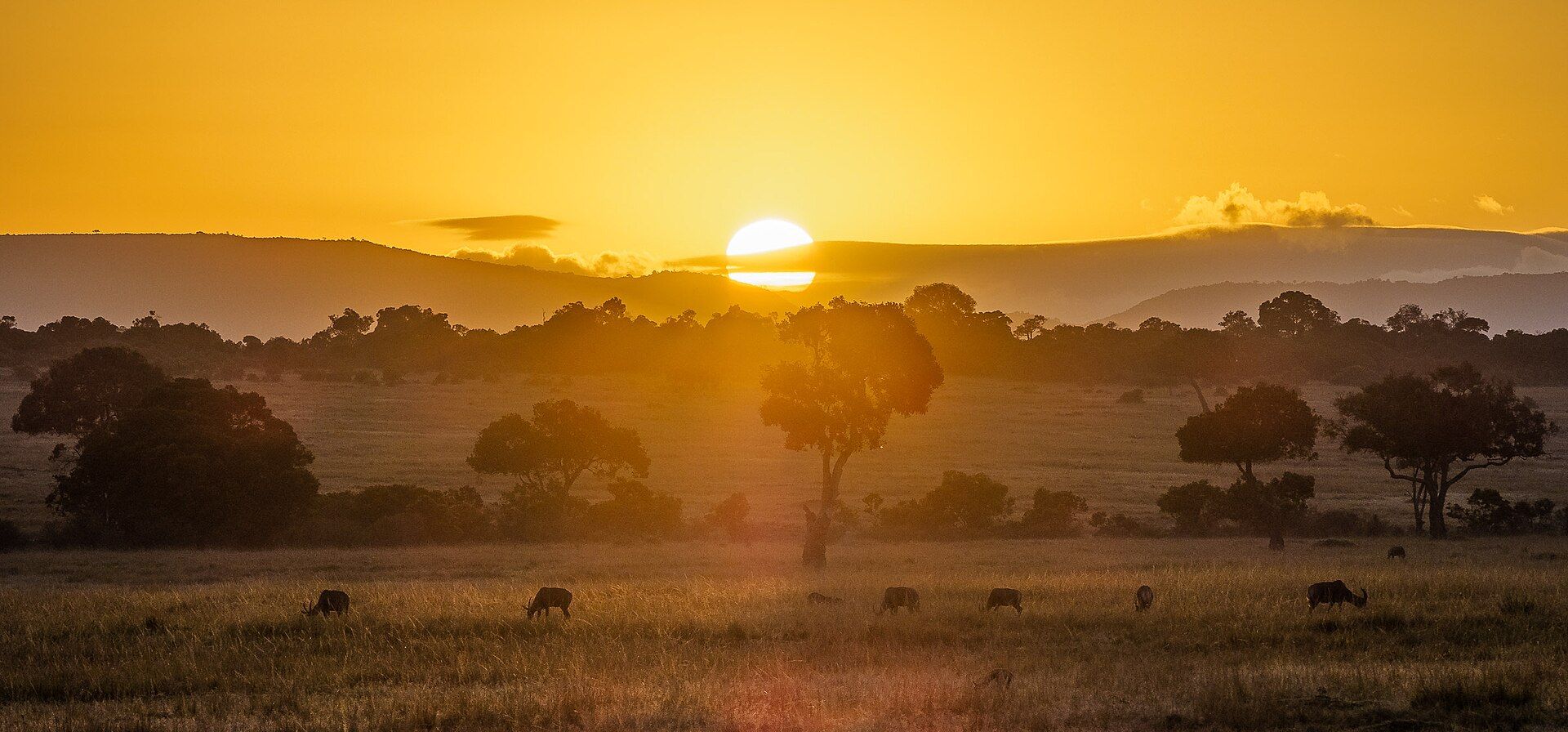
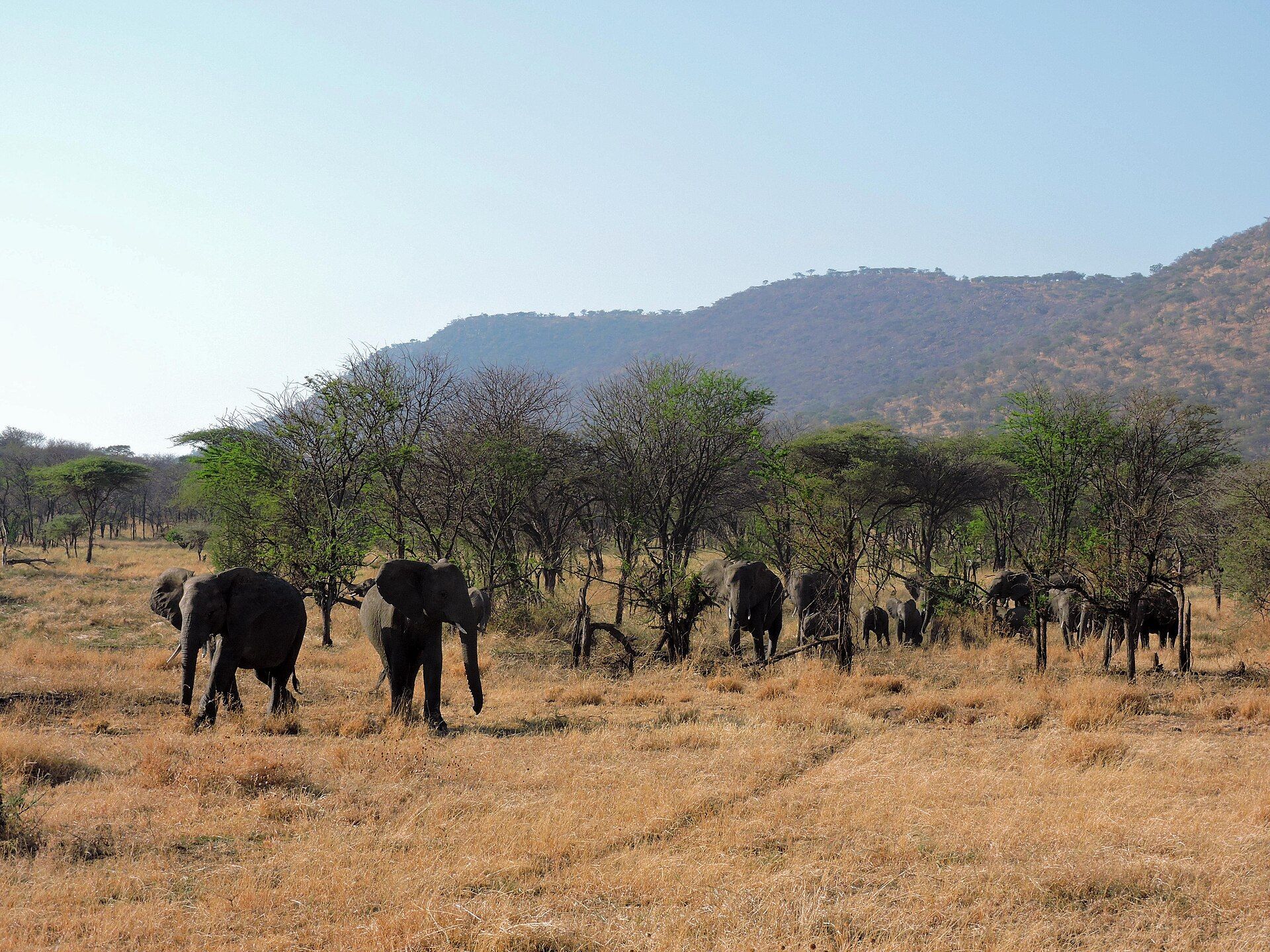
Additional photographs of the actual site — each freely licensed, with its photographer and licence credited.
What to know before you go
🗓️ Best time
Year-round, but timed to the migration: river crossings in the north are typically around July–October, and the wildebeest calving on the southern plains around January–March. Dry season (June–October) also concentrates wildlife at water.
🧭 Getting there & access
From Arusha in northern Tanzania, by road or light aircraft to airstrips within the park. Safaris are run by licensed operators; the park connects to the Ngorongoro highlands and Kenya's Maasai Mara.
Good to know
- Plan around the migration's seasonal position for the animals you most want to see.
- Stay with reputable operators and keep to park rules and vehicle distances.
- Dawn balloon rides give the best sense of the plains' scale.
Plan your visit
Easy🧭 Getting there
From Kilimanjaro (JRO) or Arusha, Tanzania; light-aircraft airstrips inside the park
- Fly into Kilimanjaro, overnight in Arusha
- Road Arusha → Serengeti via the Ngorongoro highlands — roughly 7–8h
- Or a light-aircraft hop to a park airstrip — about 1h–1h30
- Total travel
- A full day by road; most of a day flying in
- Time at site
- 3–4 days minimum; a week if you want to follow the herds
- Access
- Park fees are charged per person per day and are normally bundled by your operator. Nearly everyone visits on an organised safari with a licensed guide and vehicle. Off-road driving is prohibited across most of the park.
🎒 What to bring & consider
- Warm layers for dawn game drives — open vehicles at altitude are genuinely cold before sunrise, however hot the afternoon gets
- Neutral-coloured clothing, and dust protection for eyes and camera gear
- Binoculars, which will do more for you than a long lens
- Malaria prophylaxis and repellent, on travel-clinic advice
- A yellow fever certificate may be required depending on your routing — confirm before you fly
👁️ What to expect
- Crowds
- Vehicles cluster heavily around lion and leopard sightings and at migration river crossings. The northern and western sectors are far emptier.
- Conditions
- Long hours on corrugated dirt roads. Hot by midday, cold at dawn. You stay in the vehicle except at designated spots.
- Facilities
- Camps and lodges only, with nothing in between them.
- The view
- The migration is a year-round circuit, not a fixed event — where the herds are depends on the rains, and calving and the river crossings fall in different months and different parts of the ecosystem. Ask your operator where the animals actually are for your dates.
Times and requirements are approximate and change with season, weather, and local rules — confirm permits, fares, and schedules with operators before you travel.
Natural riches of the area
- Vast intact grassland and acacia savanna
- The Great Migration — over a million wildebeest plus zebra and gazelle
- Big cats and Africa's full large-mammal community
- Volcanic-ash soils that make the grasslands so productive
Local food
- Nyama choma
- Tanzanian grilled meat, often goat or beef, a social staple.
- Ugali
- Stiff maize-meal porridge eaten with stews and greens.
- Maasai milk & chai
- Cattle milk central to Maasai life, and spiced tea.
The Serengeti is the plain that lives in the imagination — grass to every horizon under an enormous sky, and animals in numbers that are hard to believe until you see them. Its productivity is a gift of geology: ancient volcanic ash from the nearby highlands built soils that grow the rich short grasses the herds depend on.
The result is the Great Migration, the largest movement of land mammals on the planet: more than a million wildebeest, with zebra and gazelle, tracing an 800-kilometre annual loop after the rains, shadowed at every step by lions, cheetahs, hyenas, and, at the rivers, crocodiles. It is predator and prey playing out on a scale found nowhere else, and one of the last places where a great grassland ecosystem still works as it always has.
The Serengeti’s greatest spectacle is a journey: the Great Migration, in which well over a million wildebeest, along with hundreds of thousands of zebra and gazelle, move in a continuous loop through the wider Serengeti–Mara ecosystem chasing the rains and fresh grass. The drama peaks at the river crossings, where herds mass and plunge through crocodile-filled waters, and again in the southern short-grass plains around the start of the year, when hundreds of thousands of calves are born within a few weeks. Because the animals are always on the move, when you come decides what you see — so it is worth matching your dates to the stage of the migration you most want to witness.
Serengeti: common questions
How do you get to Serengeti?
From Kilimanjaro (JRO) or Arusha, Tanzania; light-aircraft airstrips inside the park: Fly into Kilimanjaro, overnight in Arusha; Road Arusha → Serengeti via the Ngorongoro highlands — roughly 7–8h; Or a light-aircraft hop to a park airstrip — about 1h–1h30. Allow a full day by road; most of a day flying in.
When is the best time to visit Serengeti?
Year-round, but timed to the migration: river crossings in the north are typically around July–October, and the wildebeest calving on the southern plains around January–March. Dry season (June–October) also concentrates wildlife at water.
How long should you spend at Serengeti?
3–4 days minimum; a week if you want to follow the herds. A full day by road; most of a day flying in of travel from Kilimanjaro (JRO) or Arusha, Tanzania; light-aircraft airstrips inside the park.
What should you bring to Serengeti?
Warm layers for dawn game drives — open vehicles at altitude are genuinely cold before sunrise, however hot the afternoon gets Neutral-coloured clothing, and dust protection for eyes and camera gear Binoculars, which will do more for you than a long lens Malaria prophylaxis and repellent, on travel-clinic advice A yellow fever certificate may be required depending on your routing — confirm before you fly
Do you need a permit or guide for Serengeti?
Park fees are charged per person per day and are normally bundled by your operator. Nearly everyone visits on an organised safari with a licensed guide and vehicle. Off-road driving is prohibited across most of the park.
Is Serengeti crowded, and what are conditions like?
Vehicles cluster heavily around lion and leopard sightings and at migration river crossings. The northern and western sectors are far emptier. Long hours on corrugated dirt roads. Hot by midday, cold at dawn. You stay in the vehicle except at designated spots. Facilities: camps and lodges only, with nothing in between them.
Added Updated
More wonders to explore