🇪🇬 Natural wonders of Egypt
Far beyond the Nile and the pyramids, Egypt holds surreal white chalk deserts, spring-fed oases, and some of the finest coral reefs on Earth along its Red Sea coast.
🗓️ Best time for nature: October to April is the comfortable season for the deserts and oases; the Red Sea reefs are good year-round, warmest from spring to autumn.
The lay of the land
Egypt is mostly desert, and its natural wonders spring from that. In the Western Desert, wind has carved a vanished chalk seabed into the ghostly formations of the White Desert, while remote depressions cradle spring-fed oases like Siwa, ringed by salt lakes and the dunes of the Great Sand Sea. Along the eastern edge, the Red Sea drops away in coral walls at marine parks like Ras Muhammad. Between them lie the life-giving Nile, mangrove coasts, and the mountains of Sinai.
Where to begin
-
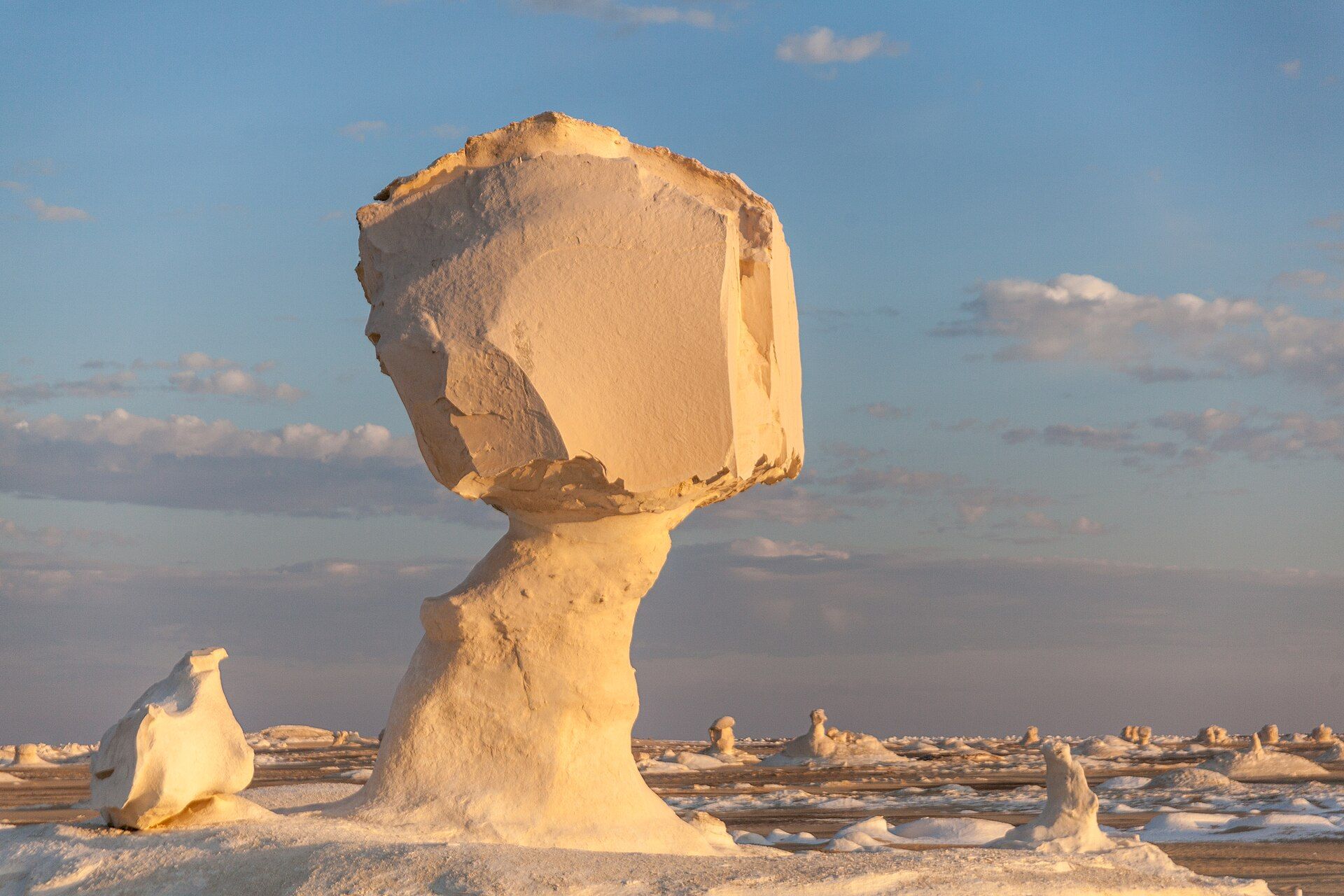
The White Desert
Wind-carved chalk formations like mushrooms and icebergs in the Western Desert.
-
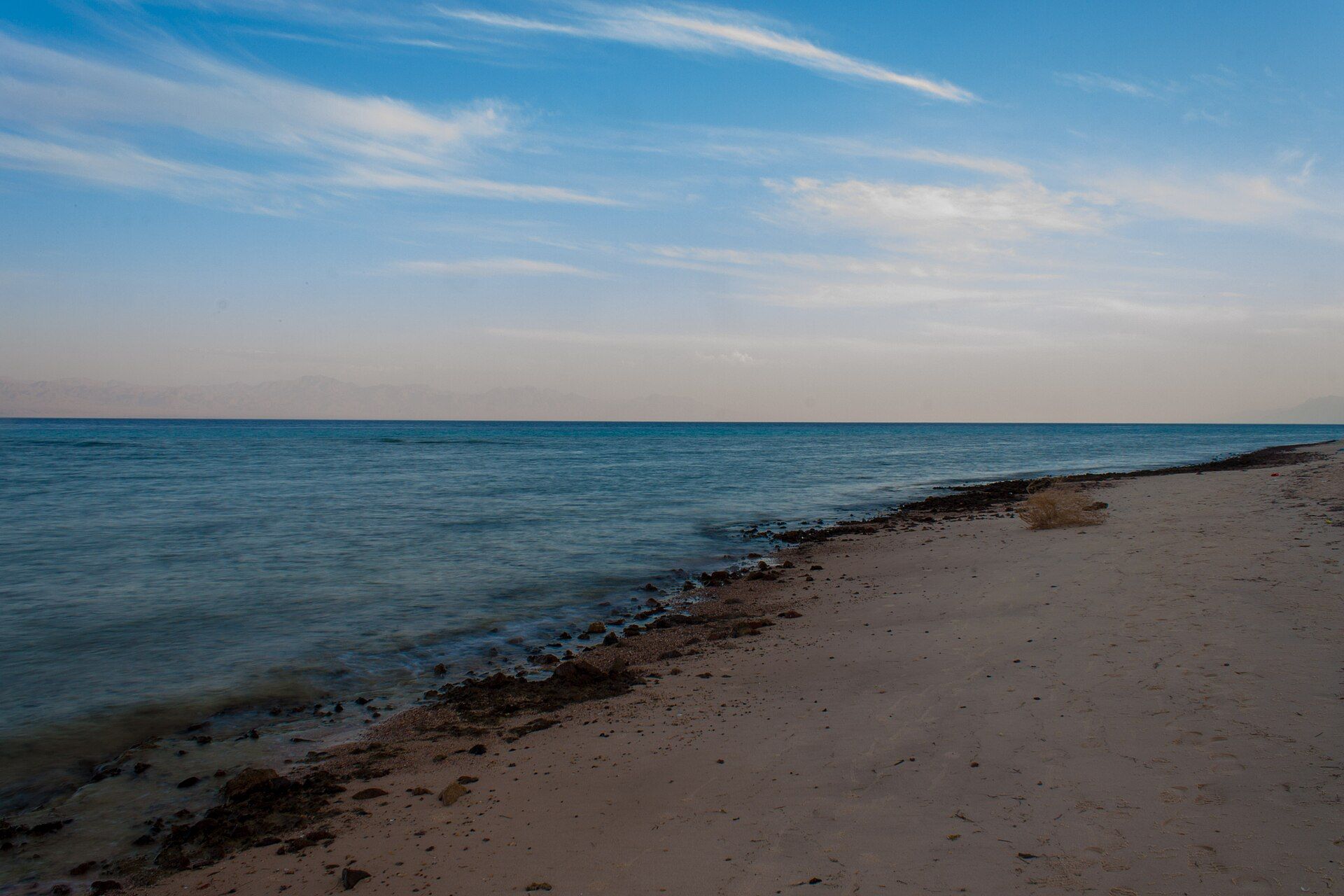
Ras Muhammad
Sheer coral walls and rich Red Sea reefs at the tip of Sinai.
-
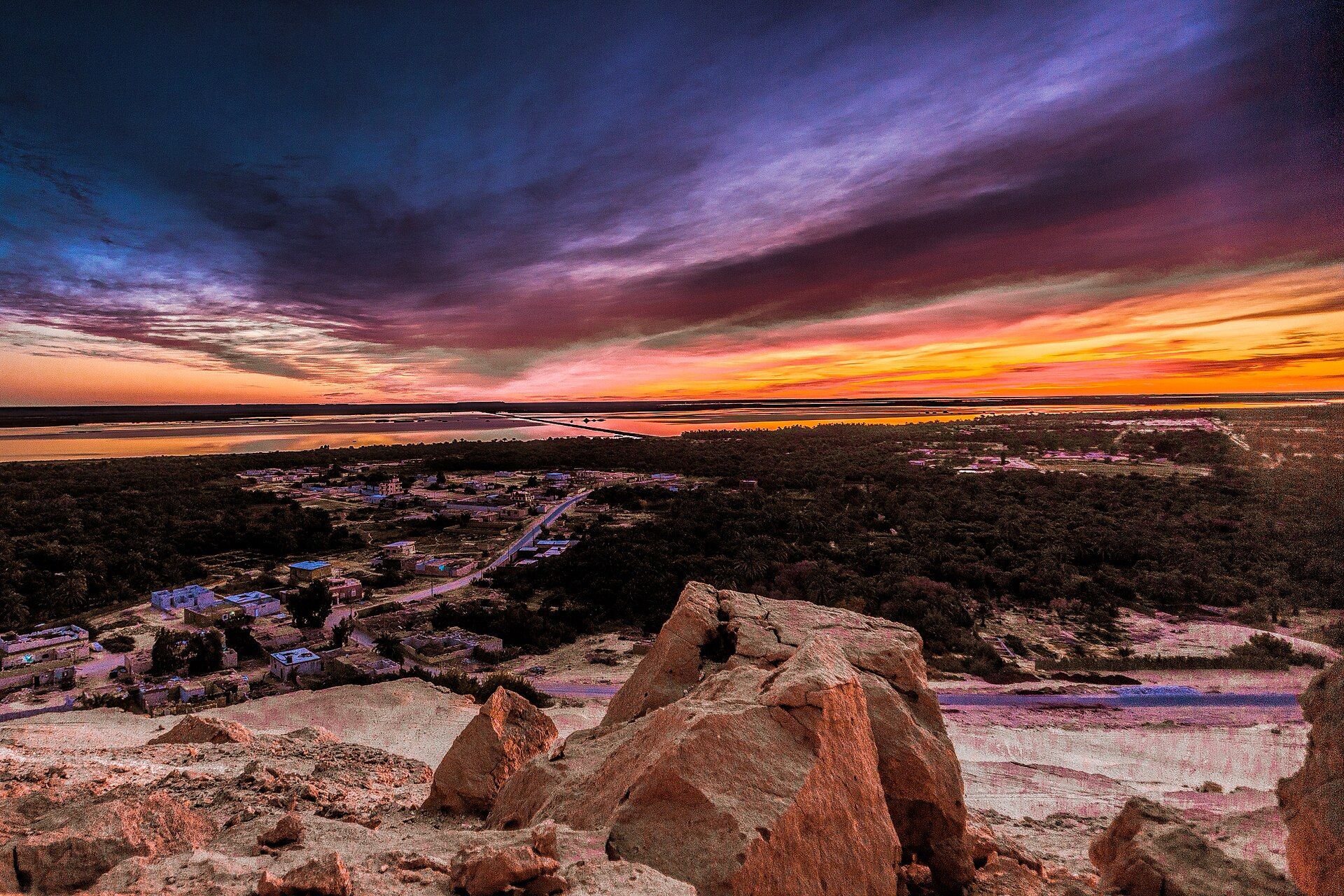
Siwa Oasis
A remote oasis of palm groves, springs, and turquoise salt lakes.
A taste of the place
Egyptian food is hearty and plant-rich — koshari, ful and falafel, fresh flatbread, and dates from the oases — with Red Sea seafood on the coast and Bedouin traditions in the deserts.
Traveling responsibly
- Explore the deserts and oases in the cool October–April season with local guides.
- Choose reef-safe operators and never touch coral when diving the Red Sea.
- Check current travel advice for Sinai and remote desert border areas before you go.
Egypt’s nature reaches far beyond the Nile. In the Western Desert, wind has sculpted the chalk of the White Desert and green oases like Siwa survive on hidden springs; along the Red Sea, coral walls fall away at marine parks such as Ras Muhammad. This atlas begins Egypt’s chapter with those three, with the Nile, Sinai’s mountains, and further reefs and oases still to come.
Added
All wonders in Egypt
3 places