🇮🇸 Natural wonders of Iceland
A young volcanic island straddling the Mid-Atlantic Ridge, where fire and ice share the same landscape — glaciers, geysers, waterfalls, and rift valleys, all powered by the Earth's heat.
🗓️ Best time for nature: June to August for long daylight (the midnight sun), open highland roads, and mild weather; September to March for the northern lights and ice caves, with harsher conditions and shorter days.
The lay of the land
Iceland sits directly on the Mid-Atlantic Ridge, the seam where the North American and Eurasian plates pull apart, which is why the island is so volcanically and geothermally alive. Glaciers — including Vatnajökull, Europe's largest by volume — grind across a plateau of black basalt, feeding thunderous glacial rivers and carving canyons, while beneath the surface, volcanic heat drives geysers, hot springs, and nearly all the country's heat and electricity. It is one of the few places on Earth where you can watch continents drifting, ice calving, and the ground steaming, often within a single day.
Where to begin
-
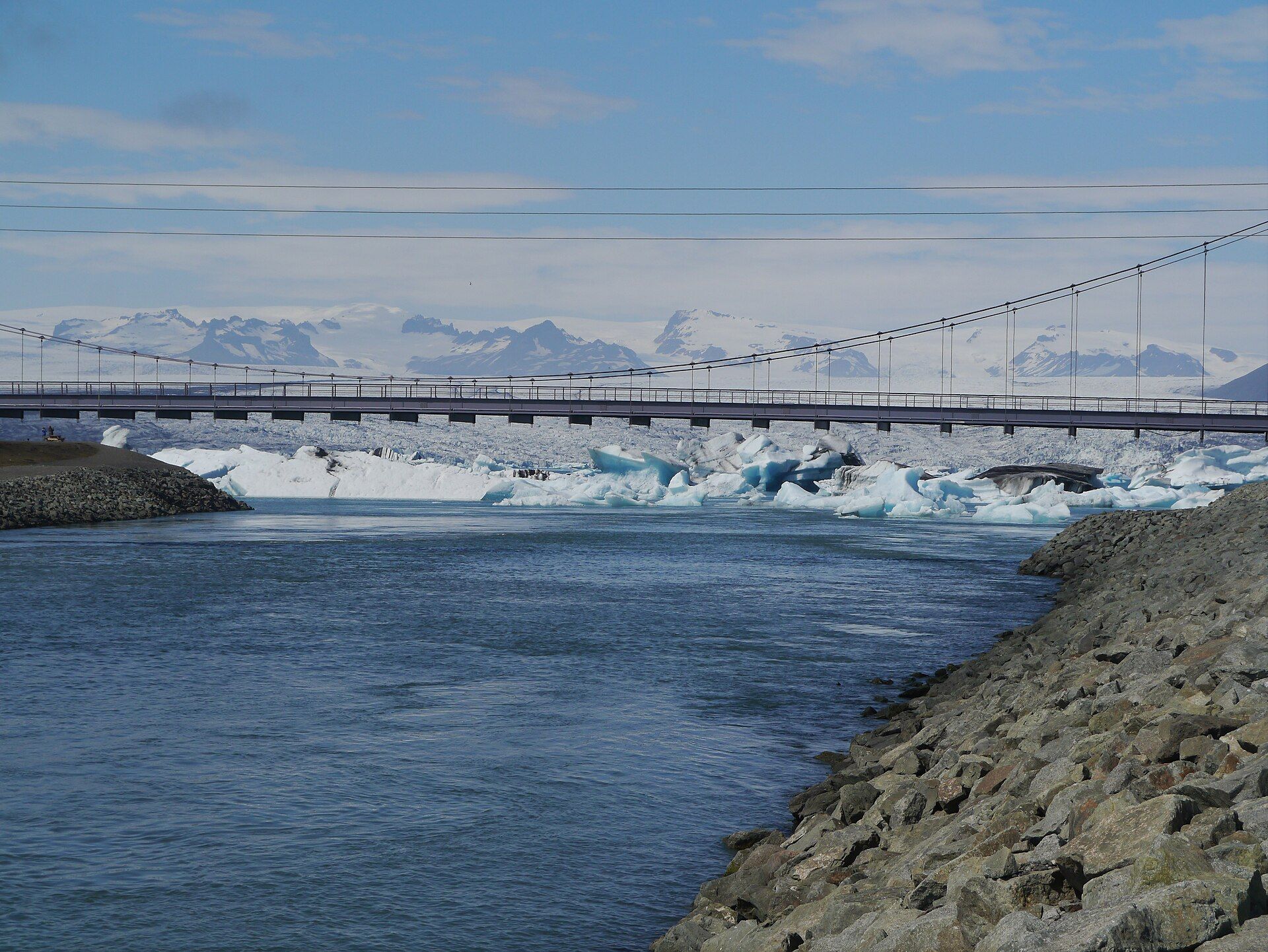
Jökulsárlón Glacier Lagoon
A glacial lagoon of drifting icebergs beside a black-sand 'Diamond Beach'.
-
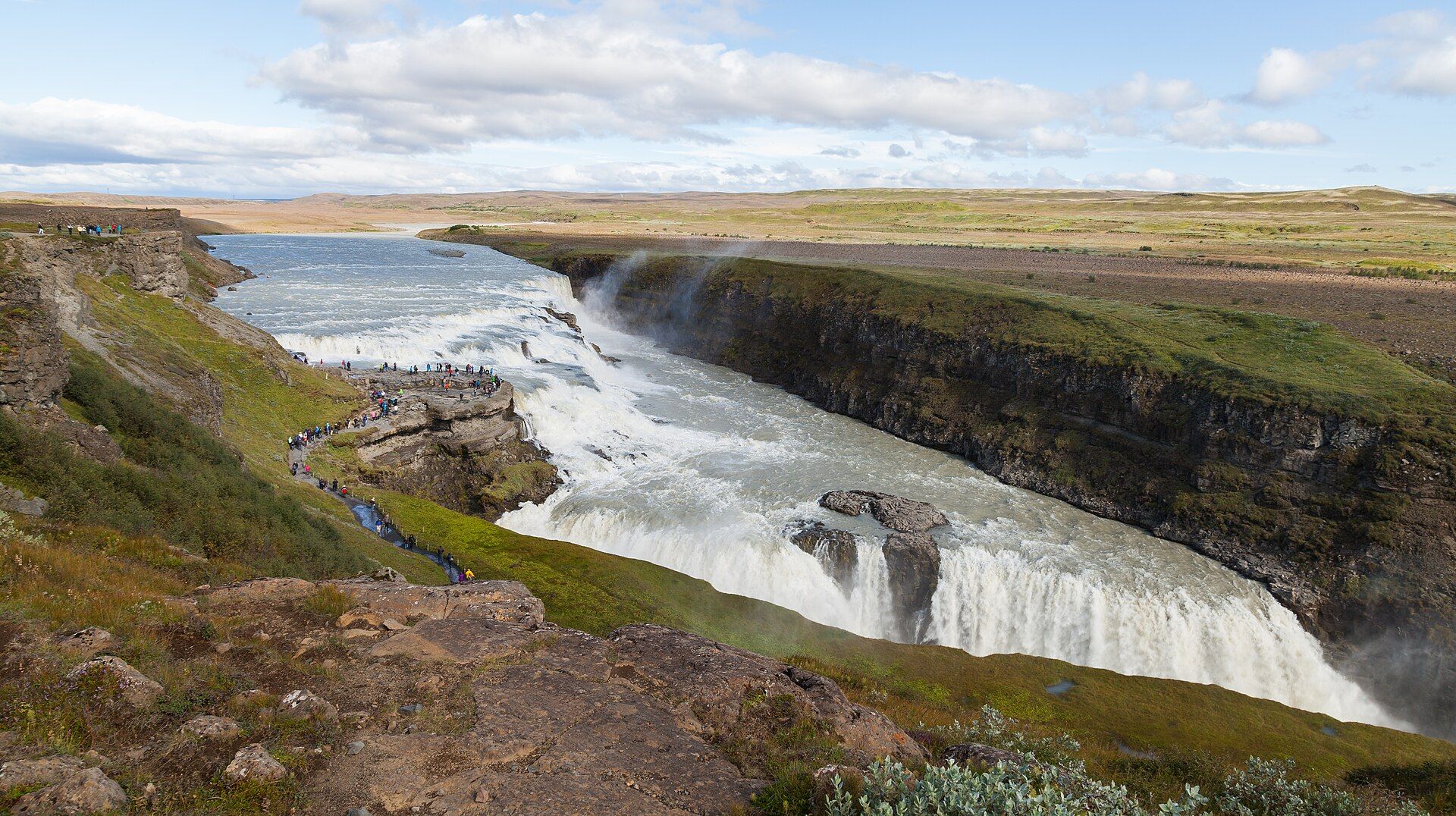
Gullfoss
A powerful two-tier glacial waterfall on the Golden Circle.
-
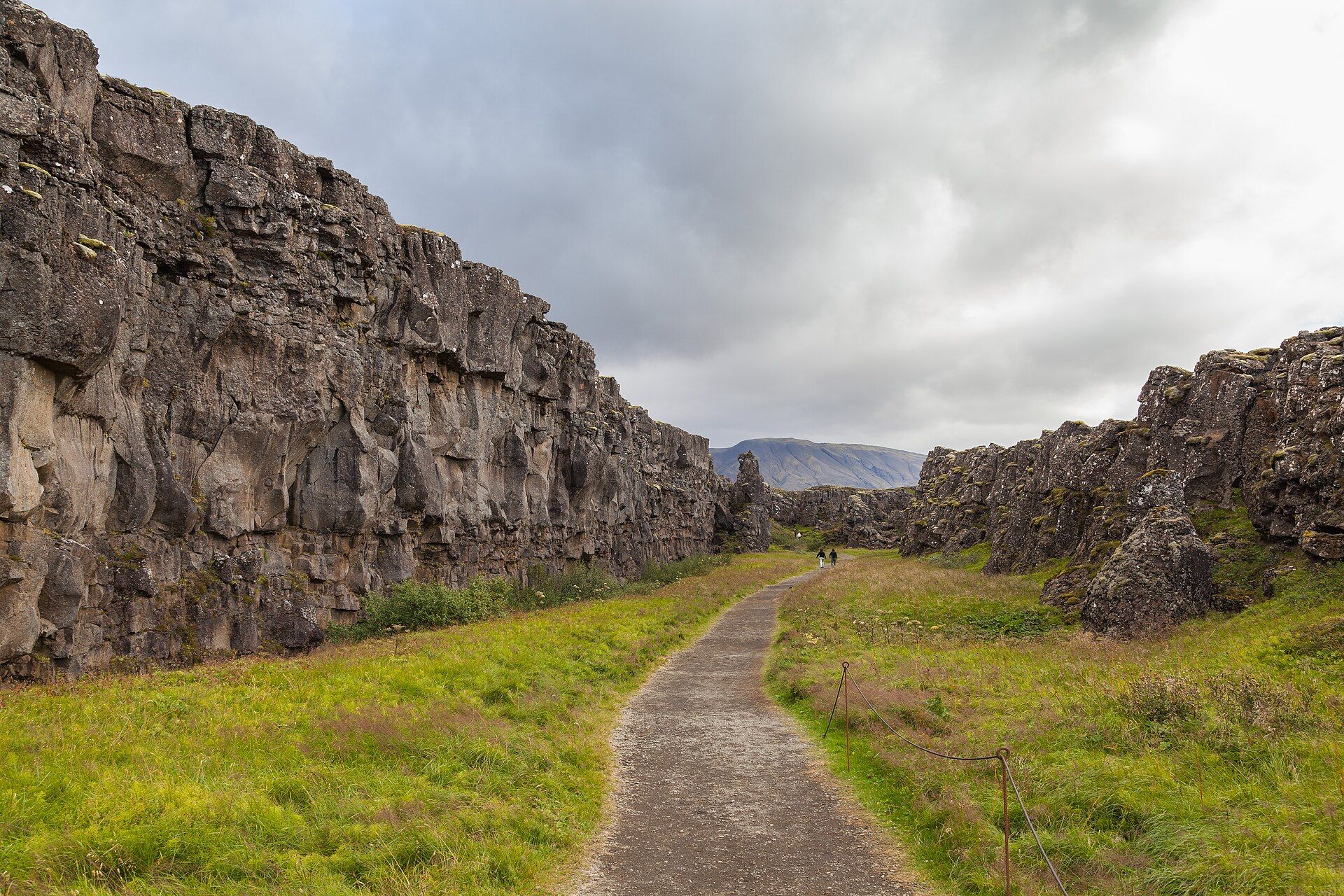
Þingvellir (Thingvellir)
Walk between two tectonic plates at the birthplace of Iceland's parliament.
-
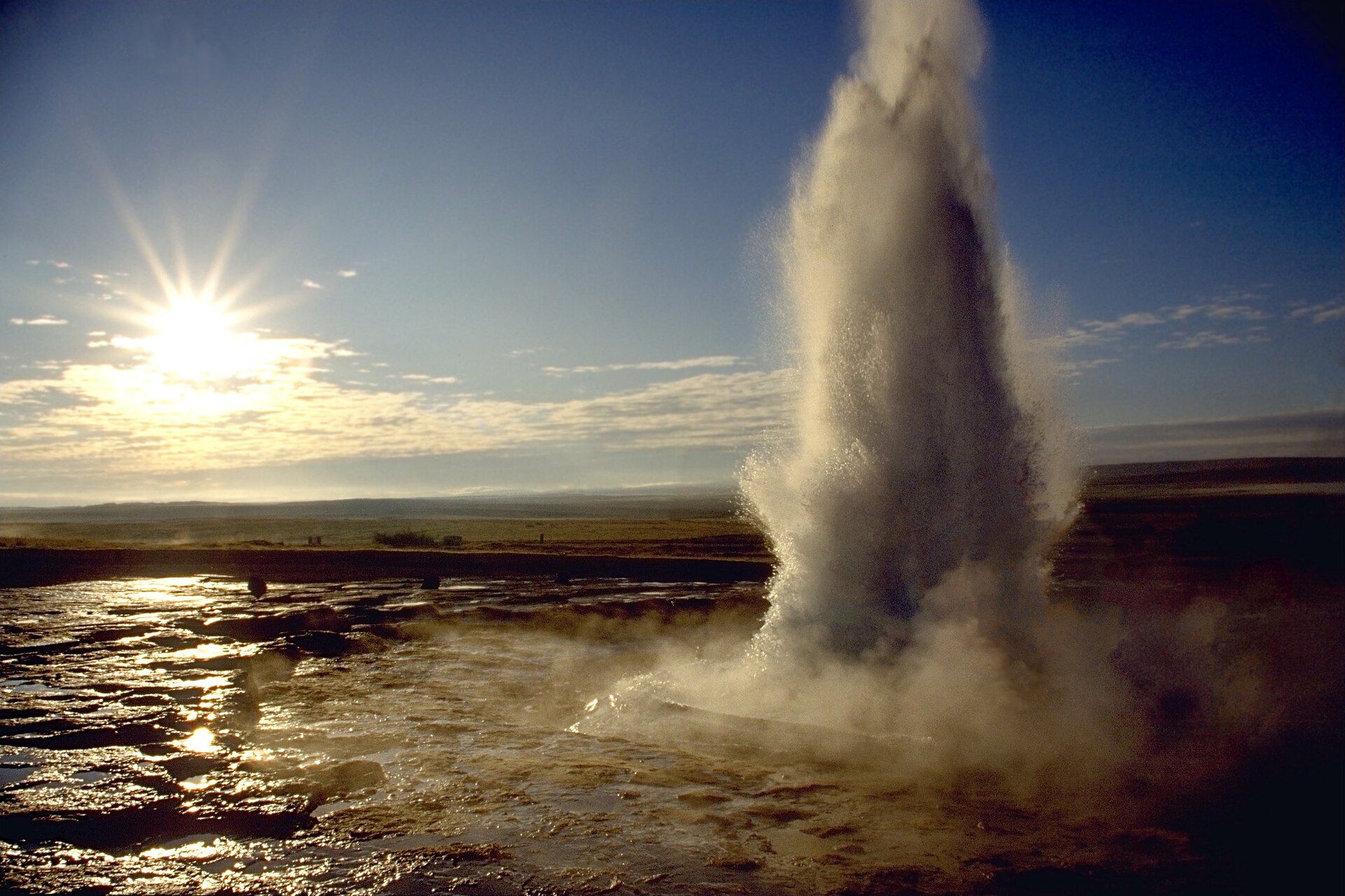
Geysir & Strokkur
The valley that named the geyser, where Strokkur erupts every few minutes.
A taste of the place
Icelandic food is shaped by cold seas, volcanic heat, and hardy livestock: fresh Atlantic fish and langoustine, free-ranging lamb, and thick cultured skyr. Geothermal energy bakes dense rye bread underground and grows tomatoes and greens in heated greenhouses through the Arctic winter. Traditional preservation — smoking, curing, and drying — reflects a history of making the most of a spare landscape.
Traveling responsibly
- Weather changes fast — check road and safety conditions (safetravel.is) before heading out.
- Stay on marked paths; moss and geothermal ground are fragile and hazardous.
- The Ring Road (Route 1) links most highlights; allow a week to circle the island.
- Book glacier and Silfra tours only with licensed operators.
Iceland is a geology lesson you can walk through. It sits astride the Mid-Atlantic Ridge, so the island is quite literally splitting apart, and the same tectonic energy that opens rift valleys also powers its geysers, hot springs, and volcanoes — and heats nearly every home in the country. Over the top of all that fire lie glaciers, including Europe’s largest, feeding waterfalls and lagoons.
The result is a landscape of constant contrast: ice and steam, black sand and turquoise water, ancient parliament sites on tearing tectonic plates. This atlas starts Iceland’s chapter on the famous Golden Circle and the glacier country of the southeast, with more of the island’s fire-and-ice wonders to come.
All wonders in Iceland
4 places