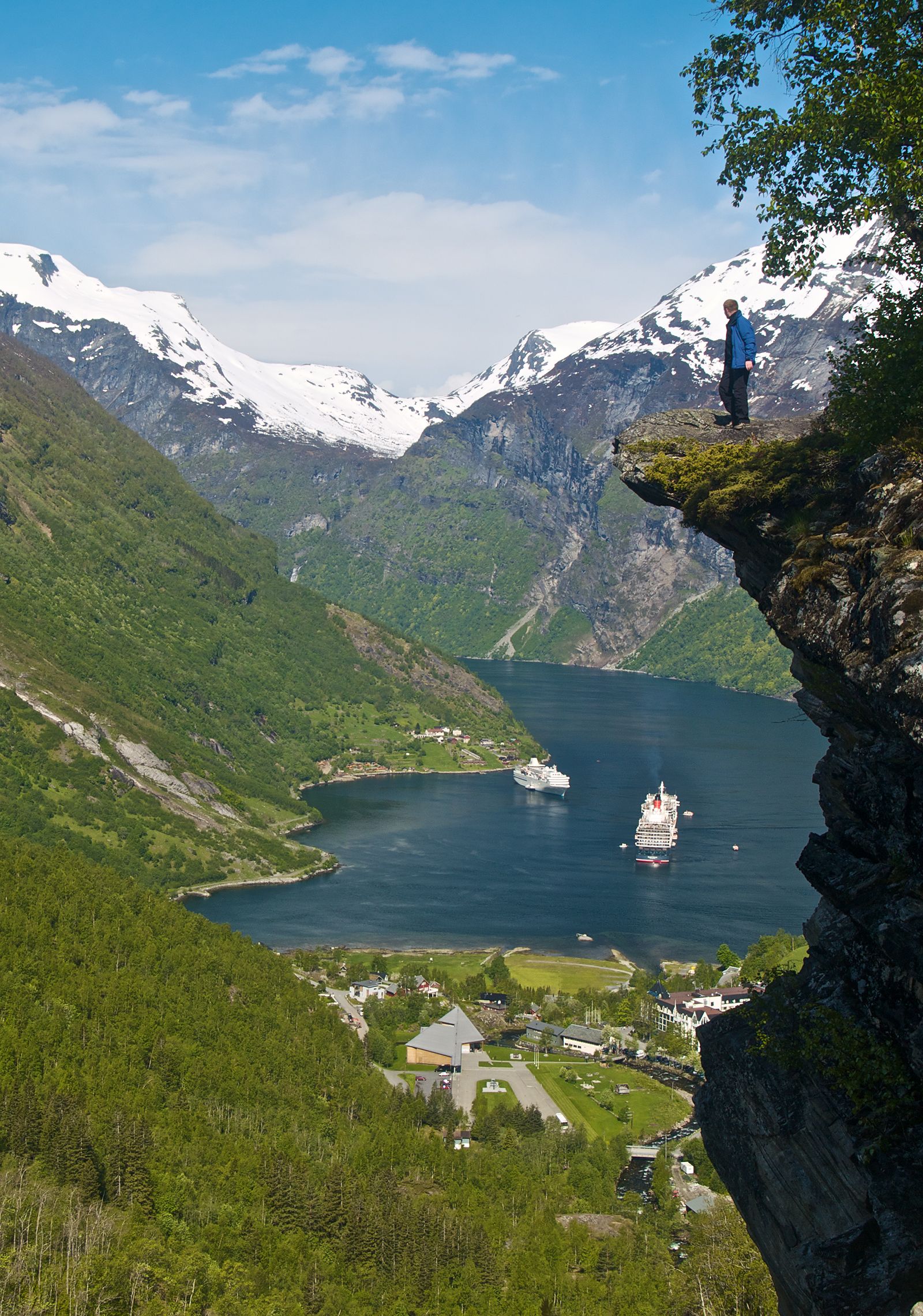
One of the world's most celebrated fjords — a deep, narrow arm of the sea winding between sheer 1,000-metre cliffs laced with waterfalls like the Seven Sisters, with abandoned farms clinging to impossible ledges.
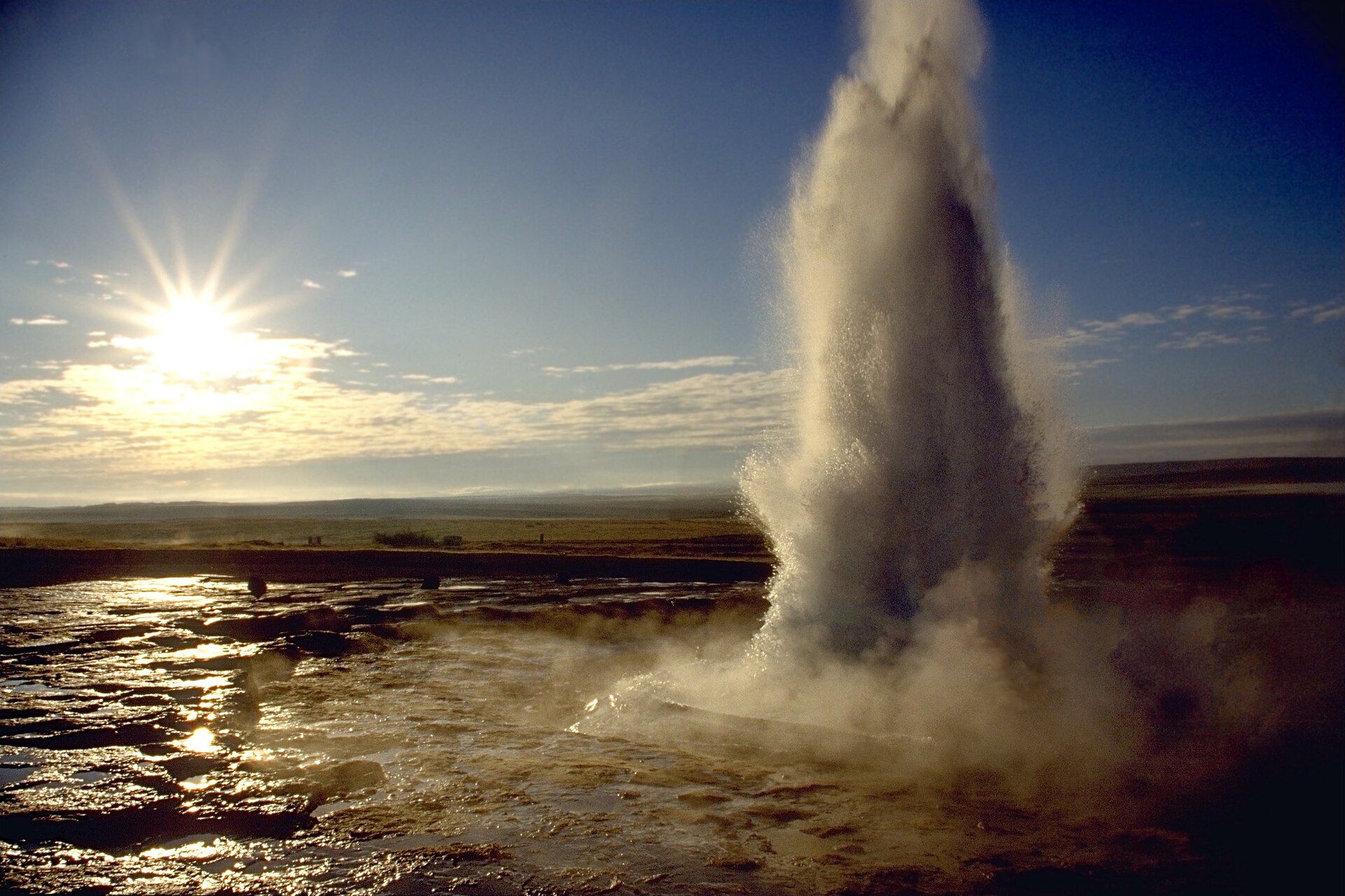
The geothermal valley that gave the world the word 'geyser' — where the reliable Strokkur spout blasts boiling water 15–20 metres skyward every few minutes amid steaming vents and mineral pools.
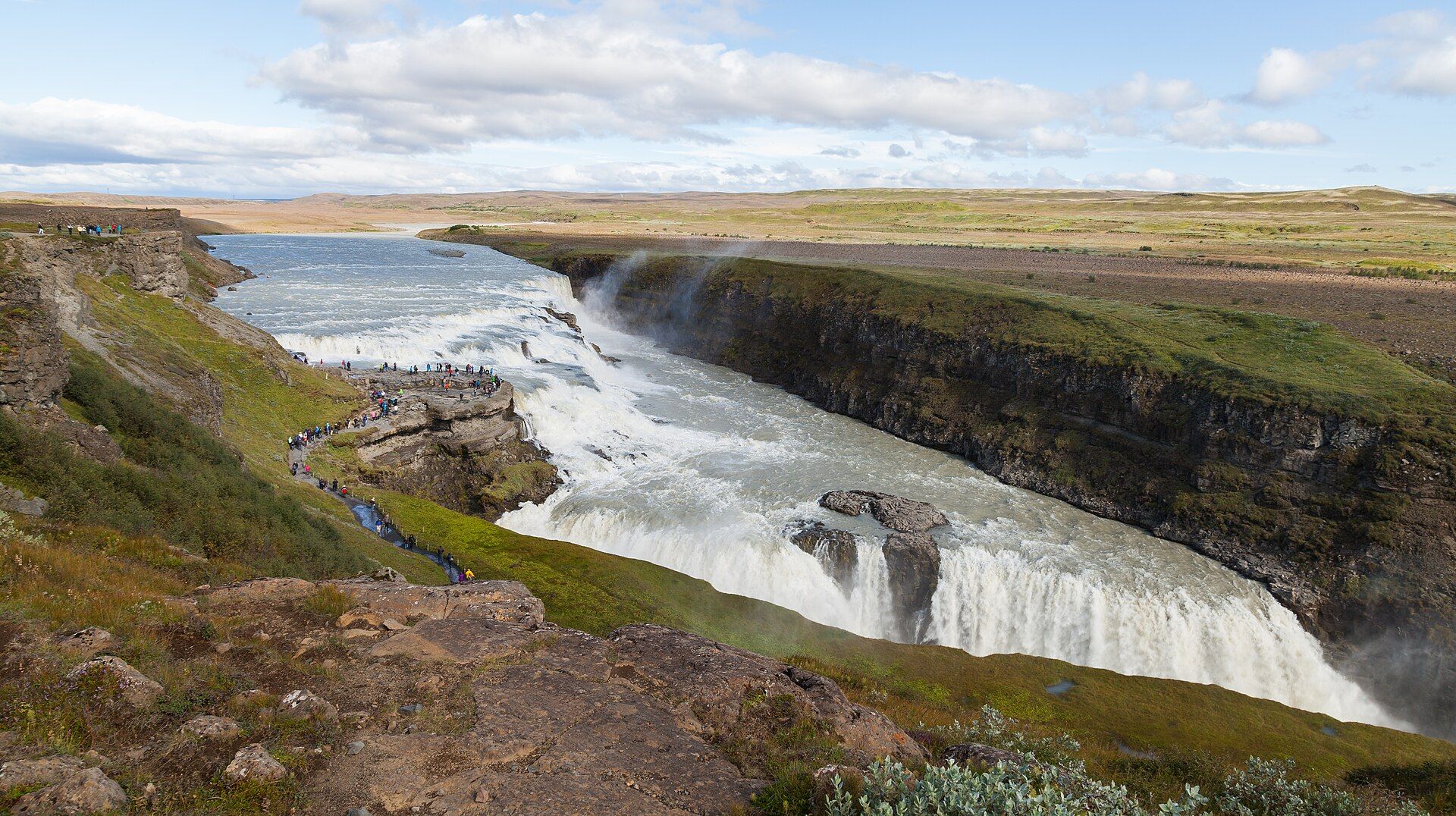
Iceland's most famous waterfall — the glacial Hvítá river plunges in two dramatic stepped tiers into a rugged canyon, throwing up spray that catches the sun in near-constant rainbows.
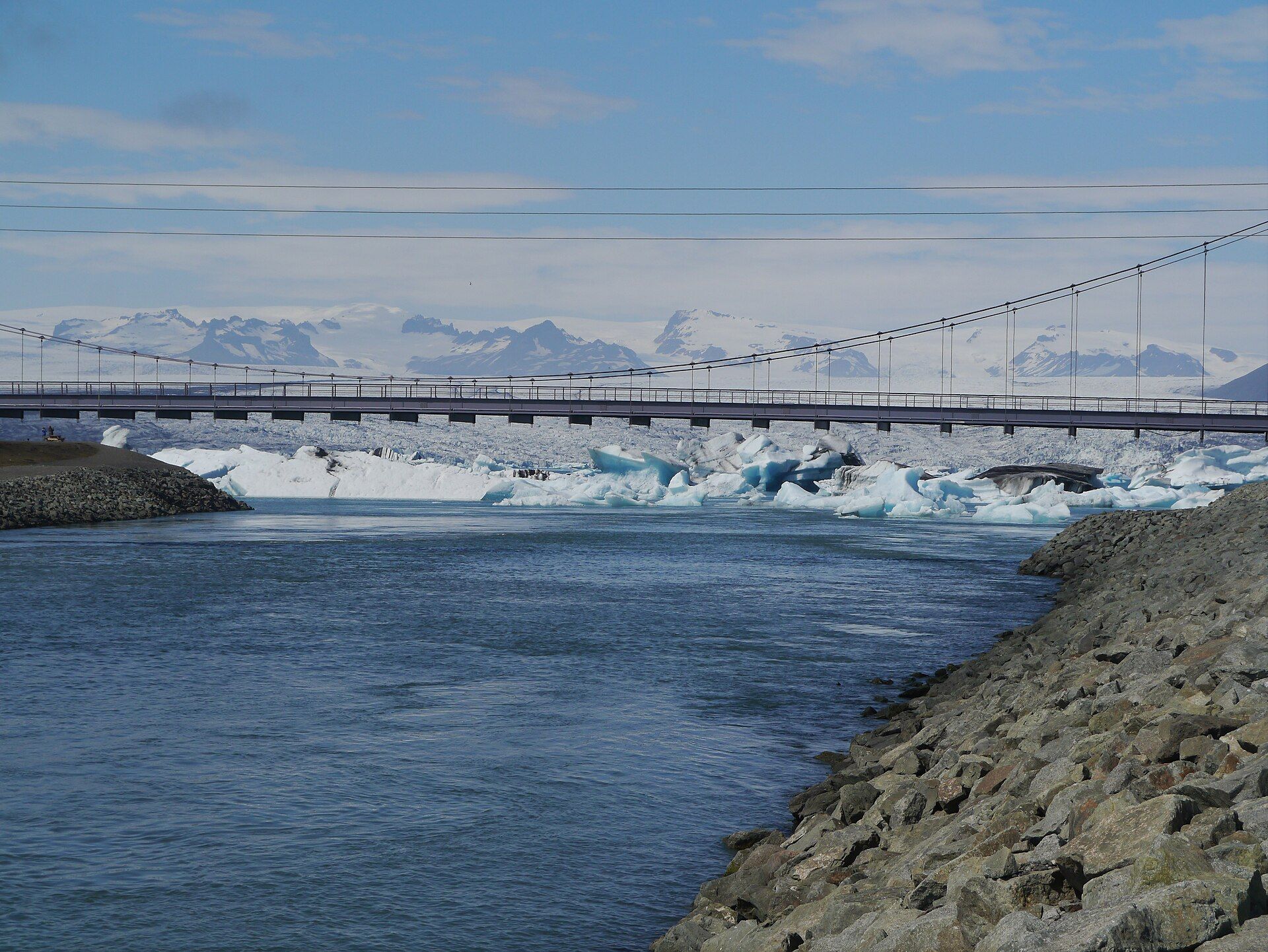
A glacial lagoon where huge icebergs calved from the Vatnajökull ice cap drift in still, deep water before floating out to sea — and wash up as glittering shards on the black-sand 'Diamond Beach'.
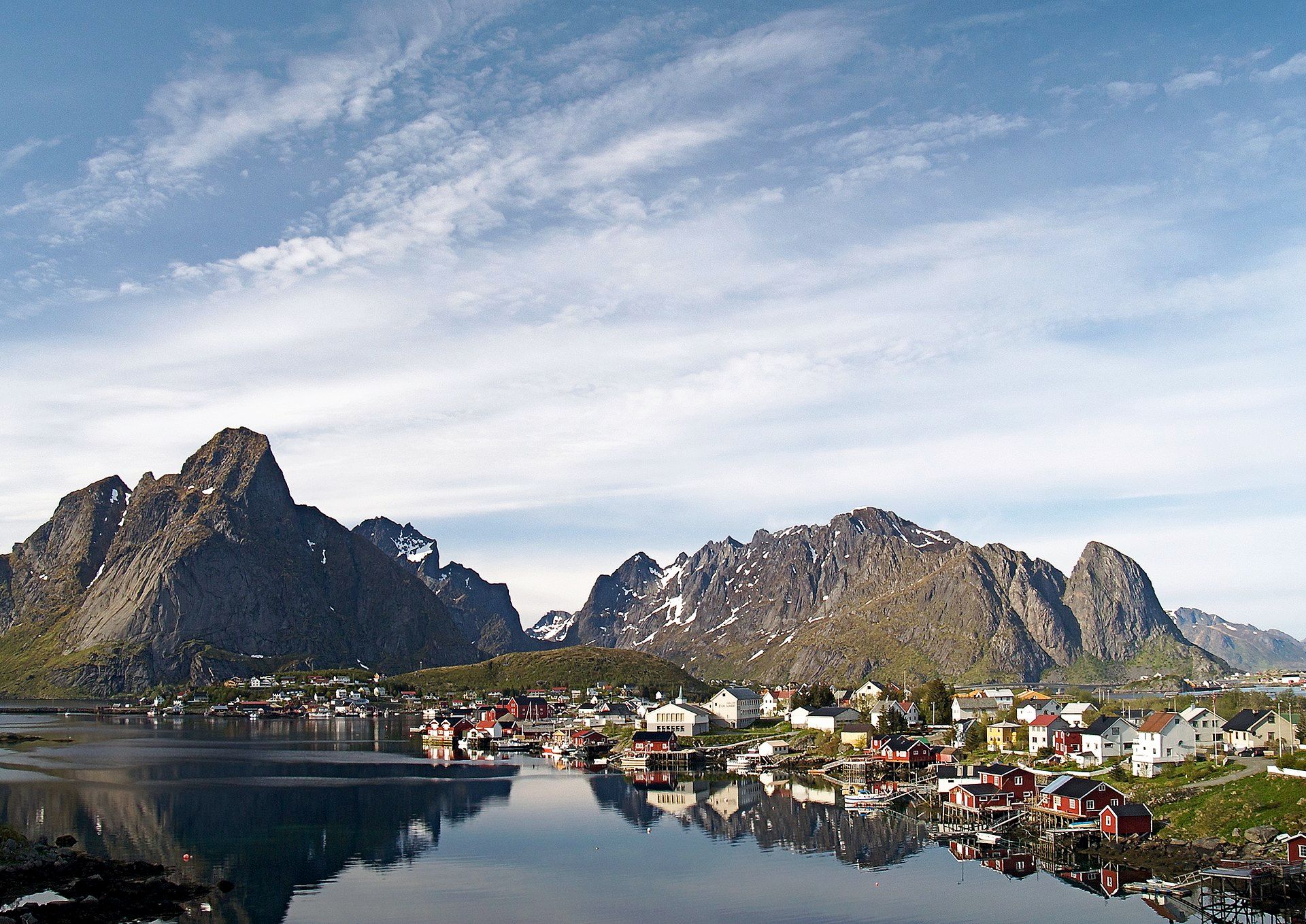
A chain of dramatic Arctic islands where jagged granite peaks rise straight from the sea above white beaches and red fishing villages — improbably mild for its latitude, and lit by the midnight sun and the northern lights.
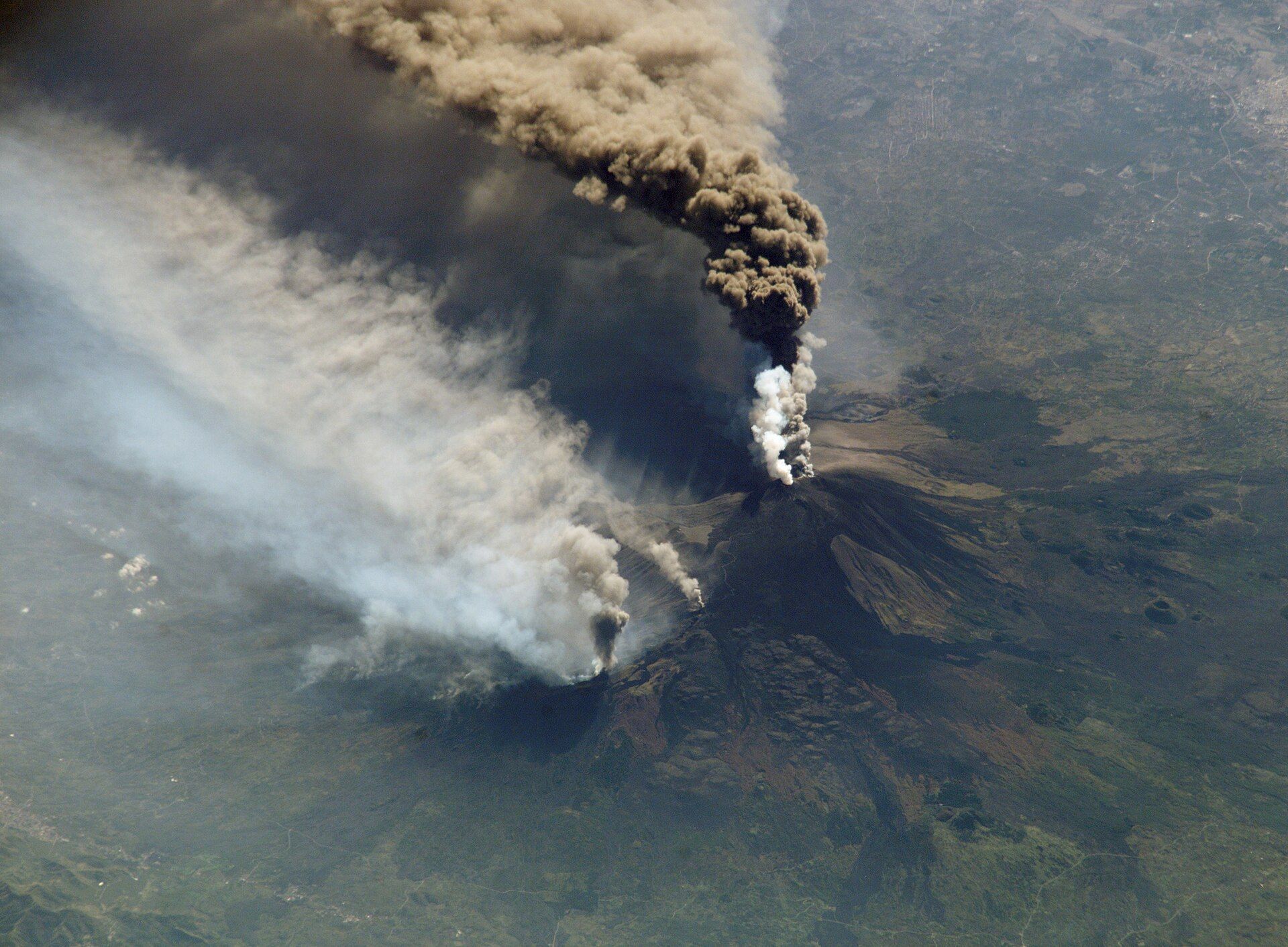
Europe's largest and most active volcano — a snow-capped, constantly rumbling giant looming over eastern Sicily, whose frequent eruptions have built astonishingly fertile slopes of vineyards and orchards.
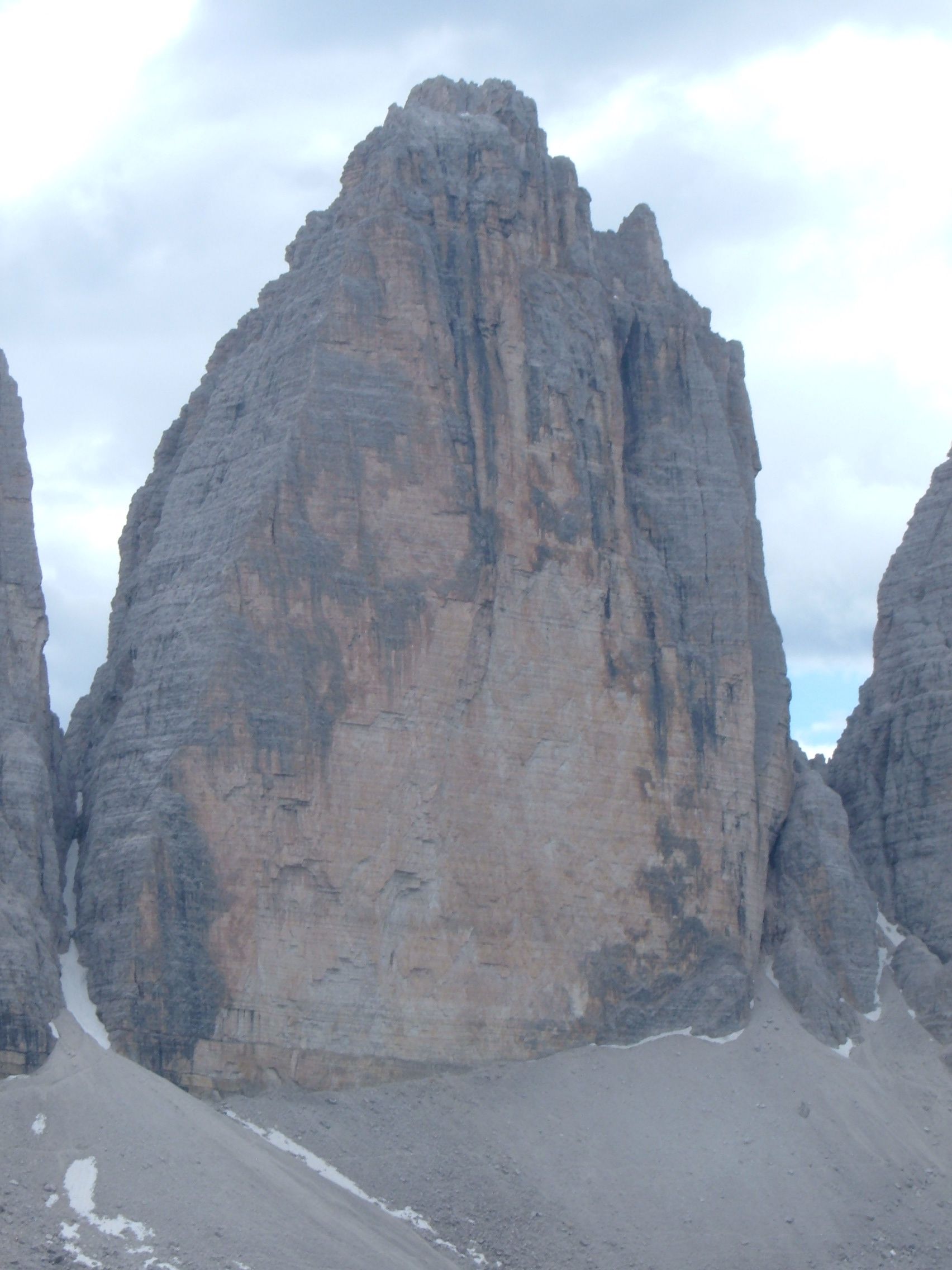
A range of pale limestone towers, sheer walls, and jagged spires in the Italian Alps that glow rose and gold at dawn and dusk — the famous 'enrosadira' — above green alpine meadows and turquoise lakes.
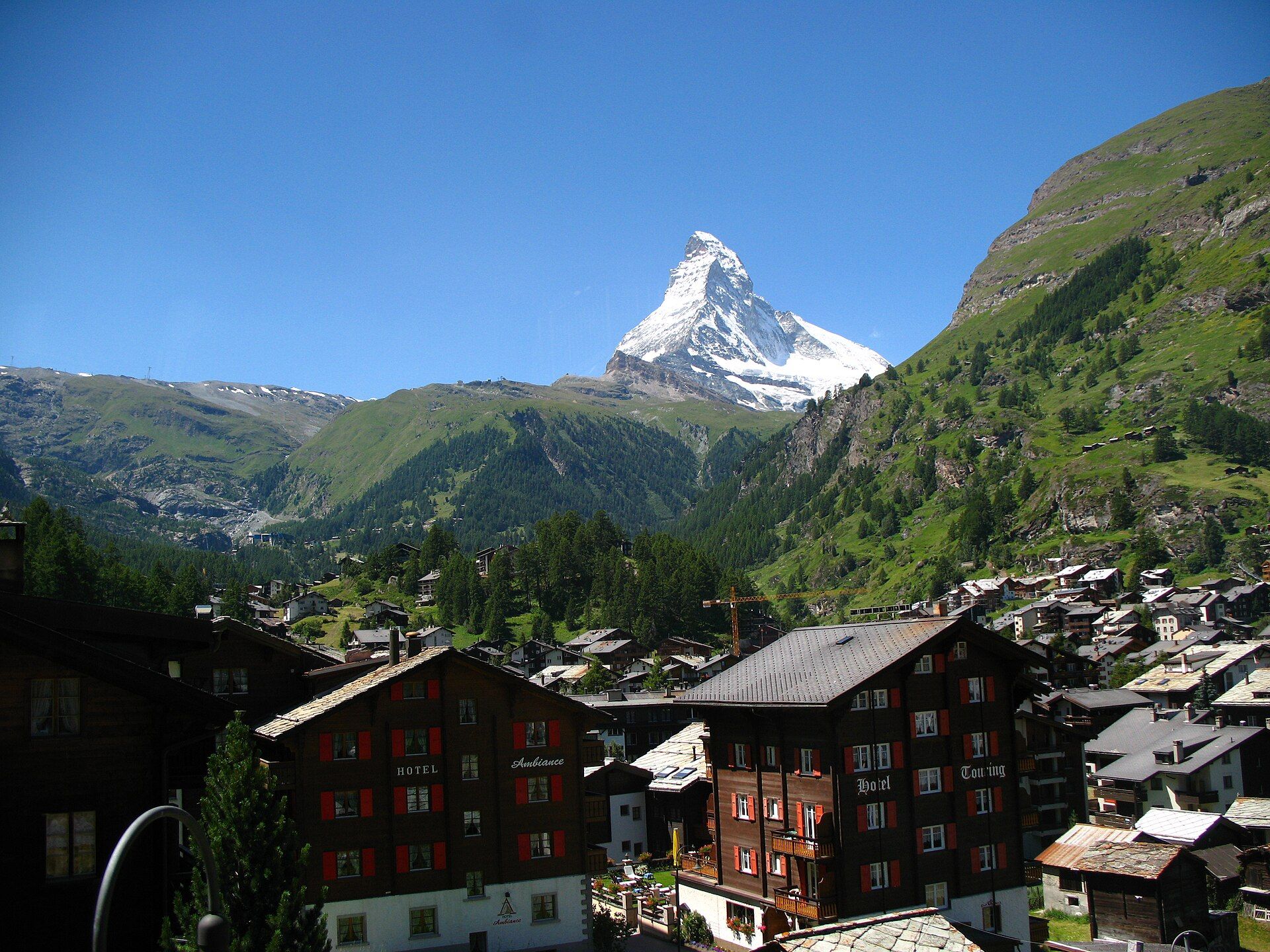
The most iconic peak in the Alps — a near-perfect rock pyramid rising in isolation above Zermatt, its four steep faces aligned almost to the compass points, mirrored in still alpine lakes.
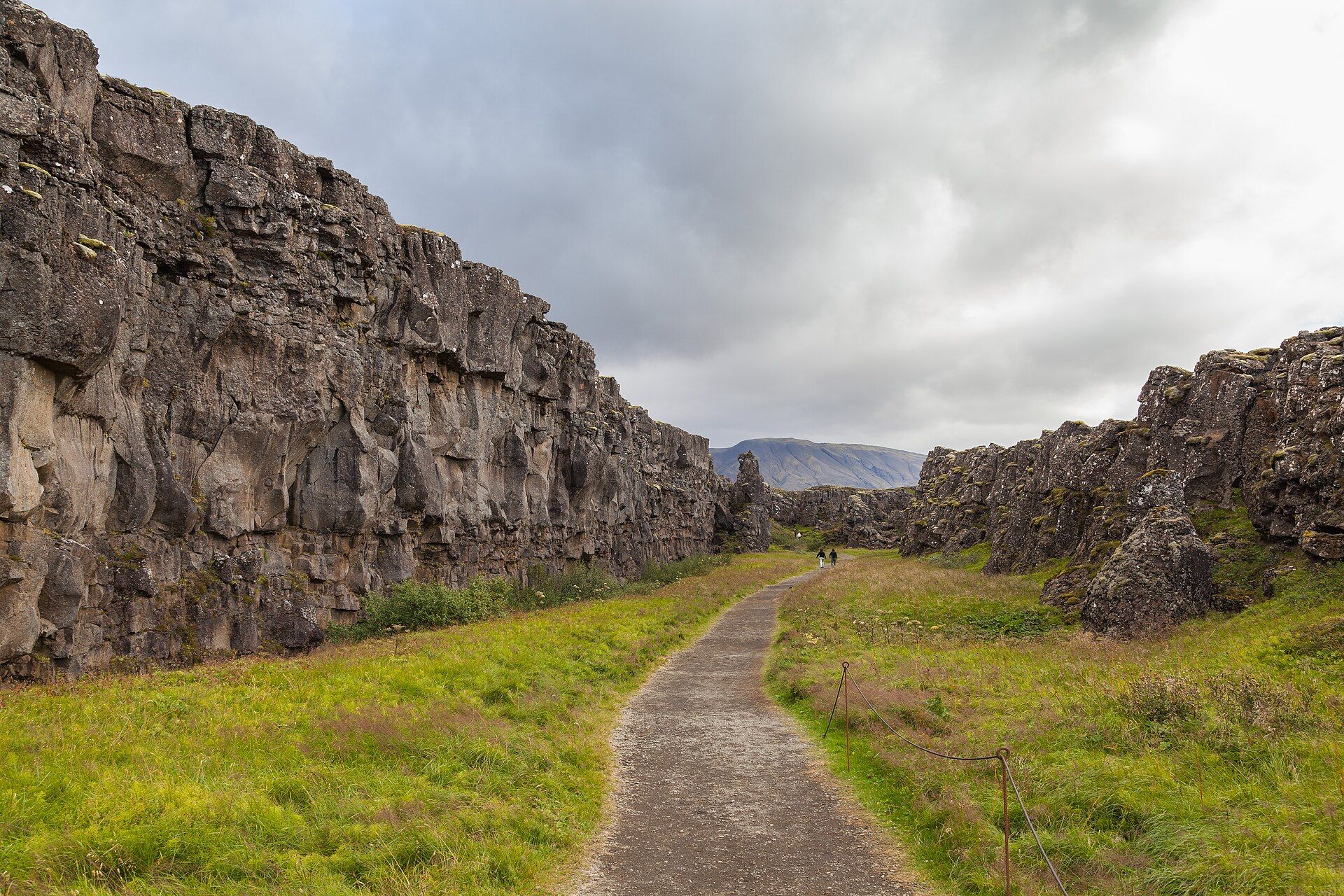
A rift valley where the North American and Eurasian tectonic plates are visibly pulling apart — a landscape of fissures, lava plains, and clear spring-fed water that is also the birthplace of Iceland's parliament.