🇯🇵 Natural wonders of Japan
A volcanic archipelago on the Pacific Ring of Fire, where mountains, forests, and hot springs meet a deep culture of reverence for nature — crowned by the near-perfect cone of Mount Fuji.
🗓️ Best time for nature: Fuji's climbing season is roughly early July to early September; for clear views of the mountain, autumn and winter offer the crispest air.
The lay of the land
Japan is a chain of mountainous islands built by the same tectonic forces that make it one of the most volcanically and seismically active countries on Earth. Volcanoes, hot springs, and steep forested ranges dominate the land, and few are as revered as Mount Fuji, an active stratovolcano whose symmetry has shaped Japanese art and spirituality for centuries. From subtropical southern reefs to snowy northern peaks, and a culture that celebrates the seasons, nature is woven deeply into Japanese life.
Where to begin
-
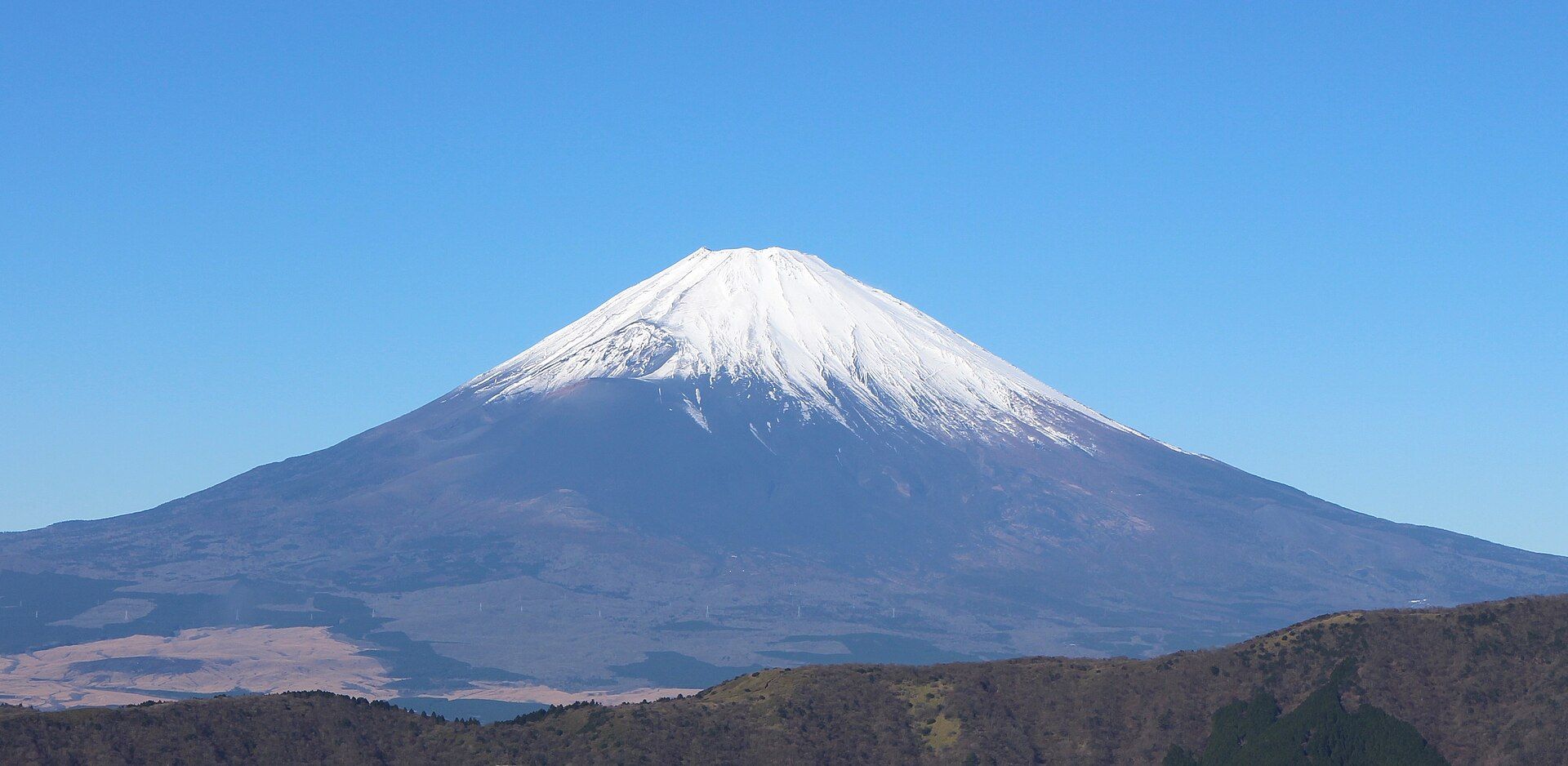
Mount Fuji
Japan's sacred, near-perfectly symmetrical volcano and highest peak.
A taste of the place
Japanese cuisine is famously seasonal and refined — from sushi and soba to regional specialties like Yamanashi's hōtō noodle stew near Fuji — and prizes fresh, local ingredients and the beauty of presentation.
Traveling responsibly
- Climb Fuji only in season, and reserve mountain huts in advance.
- For the classic reflected view, head to the Fuji Five Lakes on a clear day.
- Respect the mountain's sacred status and pack out all litter.
Japan sits on the Pacific Ring of Fire, and volcanoes, hot springs, and steep forested mountains define its islands. None is more revered than Mount Fuji, the near-perfectly symmetrical volcano that has been the emblem of the country and a subject of its art for centuries. This atlas begins Japan’s chapter at Fuji — with the country’s many other volcanic ranges, subtropical islands, and celebrated seasons to follow.
Added
All wonders in Japan
3 places