🇲🇽 Natural wonders of Mexico
A megadiverse country of volcanoes, jungles, deserts, and two long coasts — from the crystal cenotes of the Yucatán to the fir forests where hundreds of millions of monarch butterflies gather each winter.
🗓️ Best time for nature: Roughly November–April is drier and cooler across much of the country; the monarch colonies are best mid-November to March; cenotes are good year-round.
The lay of the land
Mexico straddles the tropics and a volcanic belt, making it one of the most biologically diverse countries on Earth. Beneath the flat limestone of the Yucatán Peninsula hides a vast flooded cave system whose sinkholes — cenotes — open into crystal-clear groundwater, part of a great arc marking the buried Chicxulub impact crater. In the central highlands, cool fir forests host the overwintering monarch butterfly migration, while volcanoes, deserts, canyons, and reefs stretch across the rest of the country.
Where to begin
-
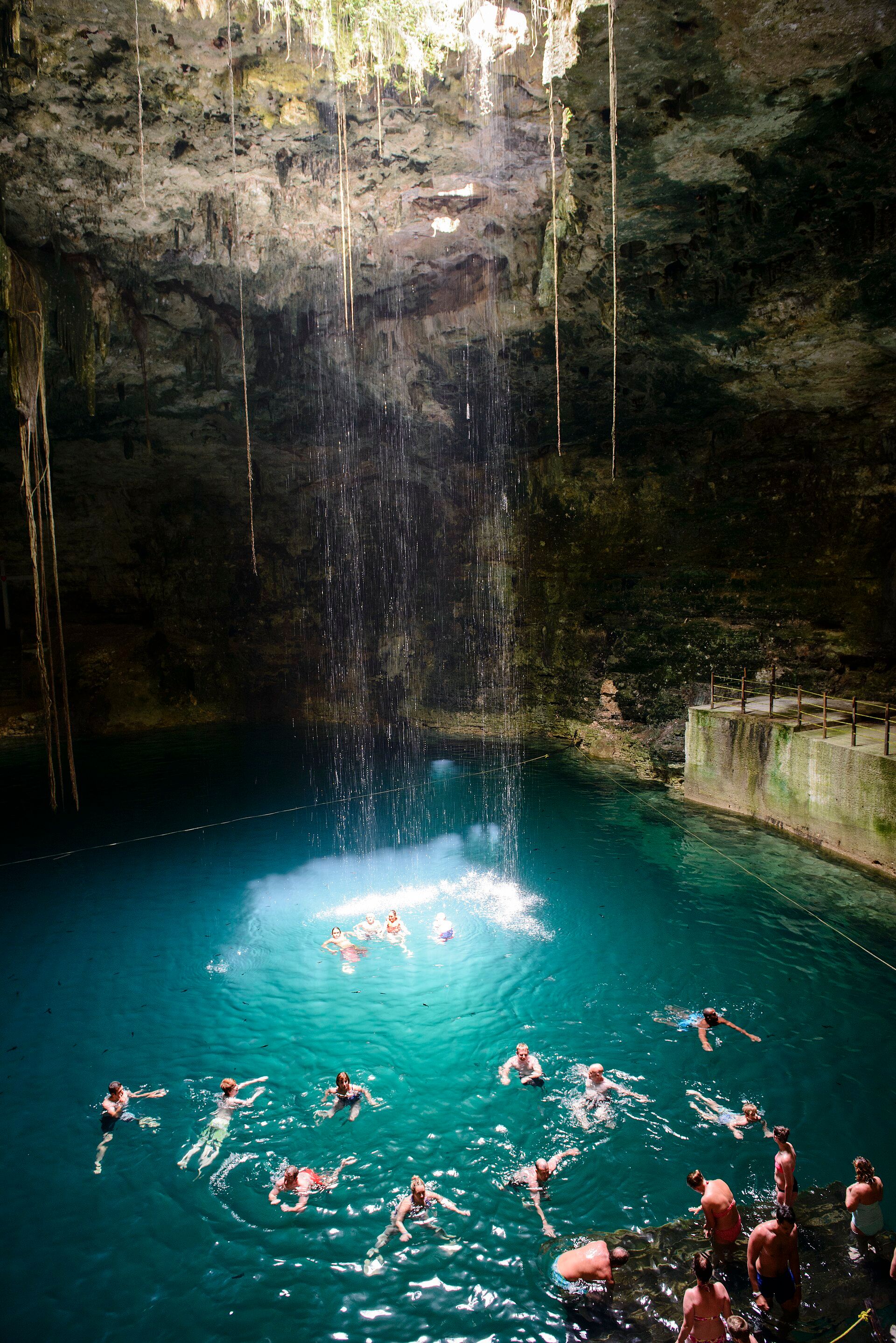
The Yucatán Cenotes
Thousands of crystal-clear sinkholes into a vast hidden cave system.
-
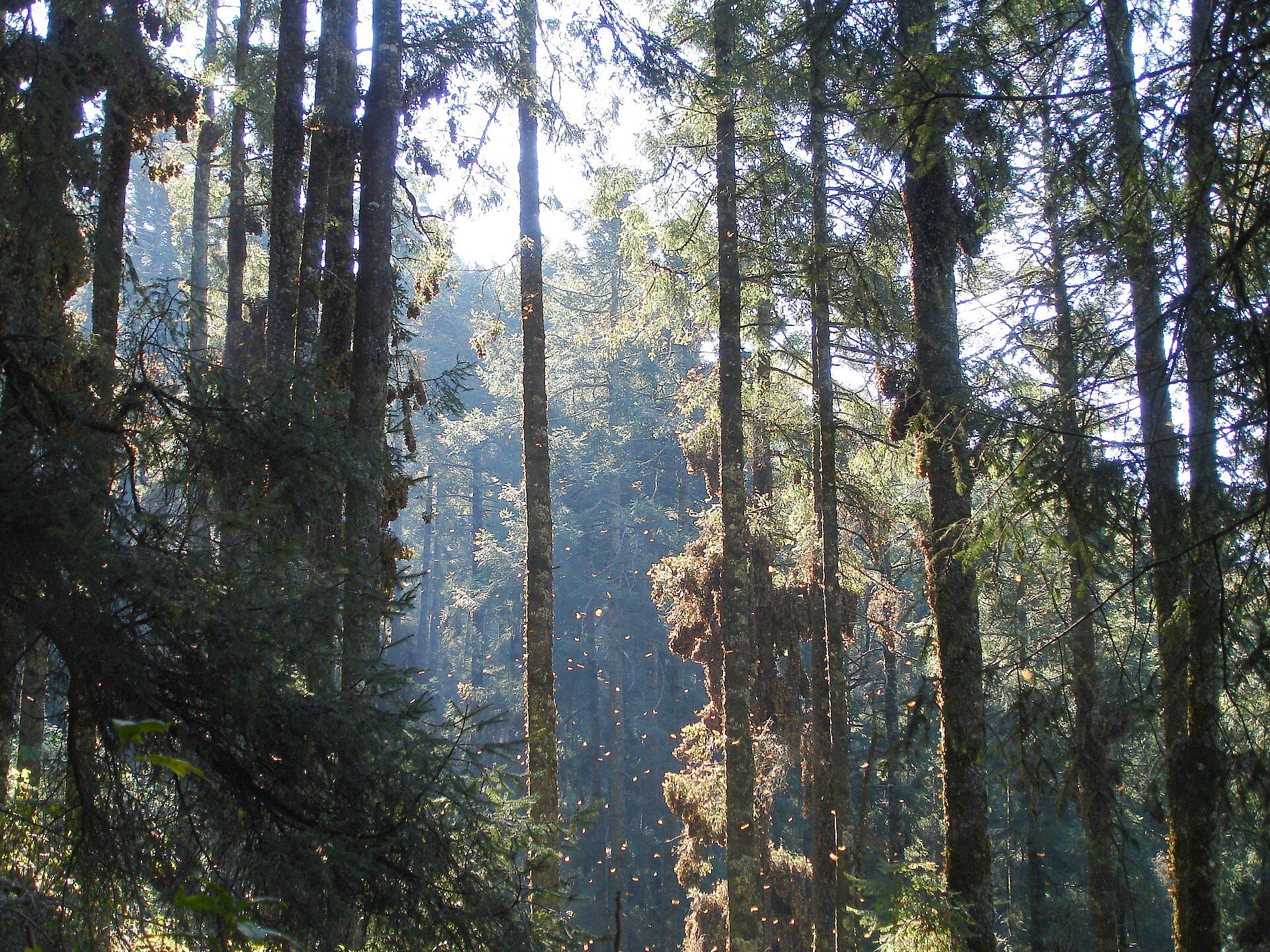
Monarch Butterfly Reserve
Fir forests where hundreds of millions of monarchs overwinter.
-
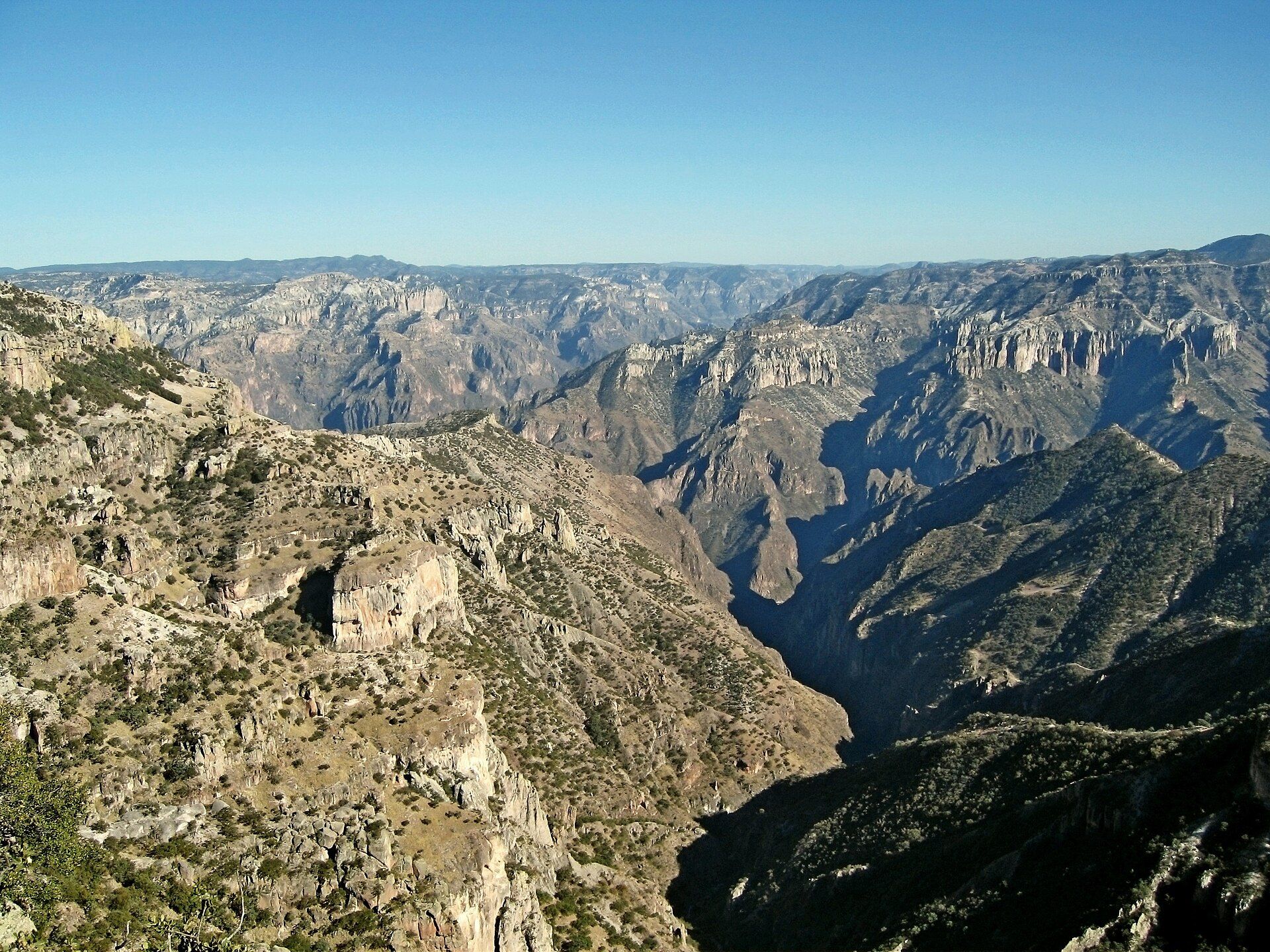
Copper Canyon
A vast canyon system deeper than the Grand Canyon, crossed by the Chepe railway.
-
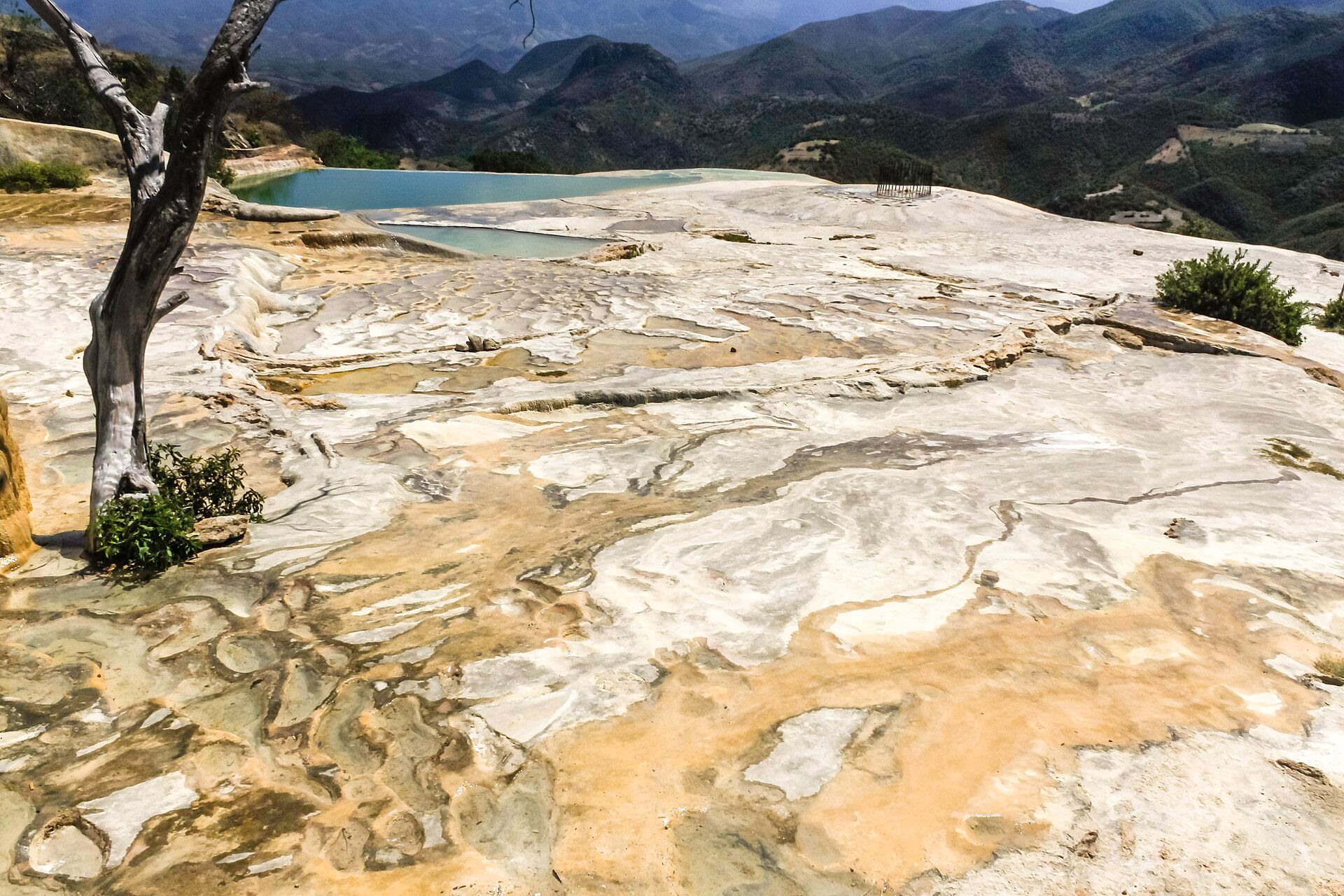
Hierve el Agua
Petrified mineral 'waterfalls' above cliff-edge spring pools in Oaxaca.
A taste of the place
Mexican cuisine, a UNESCO-recognised heritage, is intensely regional: cochinita pibil and lime soup in the Yucatán, carnitas and corn tamales in Michoacán, and corn, chillies, and cacao traditions rooted in Indigenous history.
Traveling responsibly
- Rinse off sunscreen before entering cenotes; cave diving needs certification.
- Visit the monarch colonies on warm, sunny days and keep your distance.
- Respect Indigenous communities and archaeological sites.
Mexico is one of the most biodiverse countries on the planet, straddling the tropics and a volcanic belt, and its wonders are wildly varied. Beneath the Yucatán’s flat jungle hides a second world of flooded caves and crystal-clear cenotes, tracing the buried rim of the asteroid impact that ended the dinosaurs. In the central highlands, cool fir forests fill each winter with hundreds of millions of migrating monarch butterflies. This atlas begins Mexico’s chapter with those two — hidden water and living clouds of butterflies — with its volcanoes, deserts, and reefs to follow.
Added Updated
All wonders in Mexico
4 places