🇹🇭 Natural wonders of Thailand
A tropical country of limestone karst bays, jungle waterfalls, and cliff-ringed beaches, where the Andaman Sea meets forested mountains and a deep Buddhist culture.
🗓️ Best time for nature: November to April is the main dry season for the Andaman coast and most of the country; the southwest monsoon brings rain from about May to October.
The lay of the land
Thailand's landscapes are shaped by limestone and water. Along the Andaman coast, ancient reef limestone rises from the sea as the karst towers of Phang Nga Bay and the cliffs of Railay, riddled with caves and hidden lagoons. Inland, monsoon forests cloak hills laced with travertine waterfalls like Erawan, and the mountainous north climbs to cool cloud forest. Reefs, mangroves, and national parks protect a rich tropical wildlife.
Where to begin
-
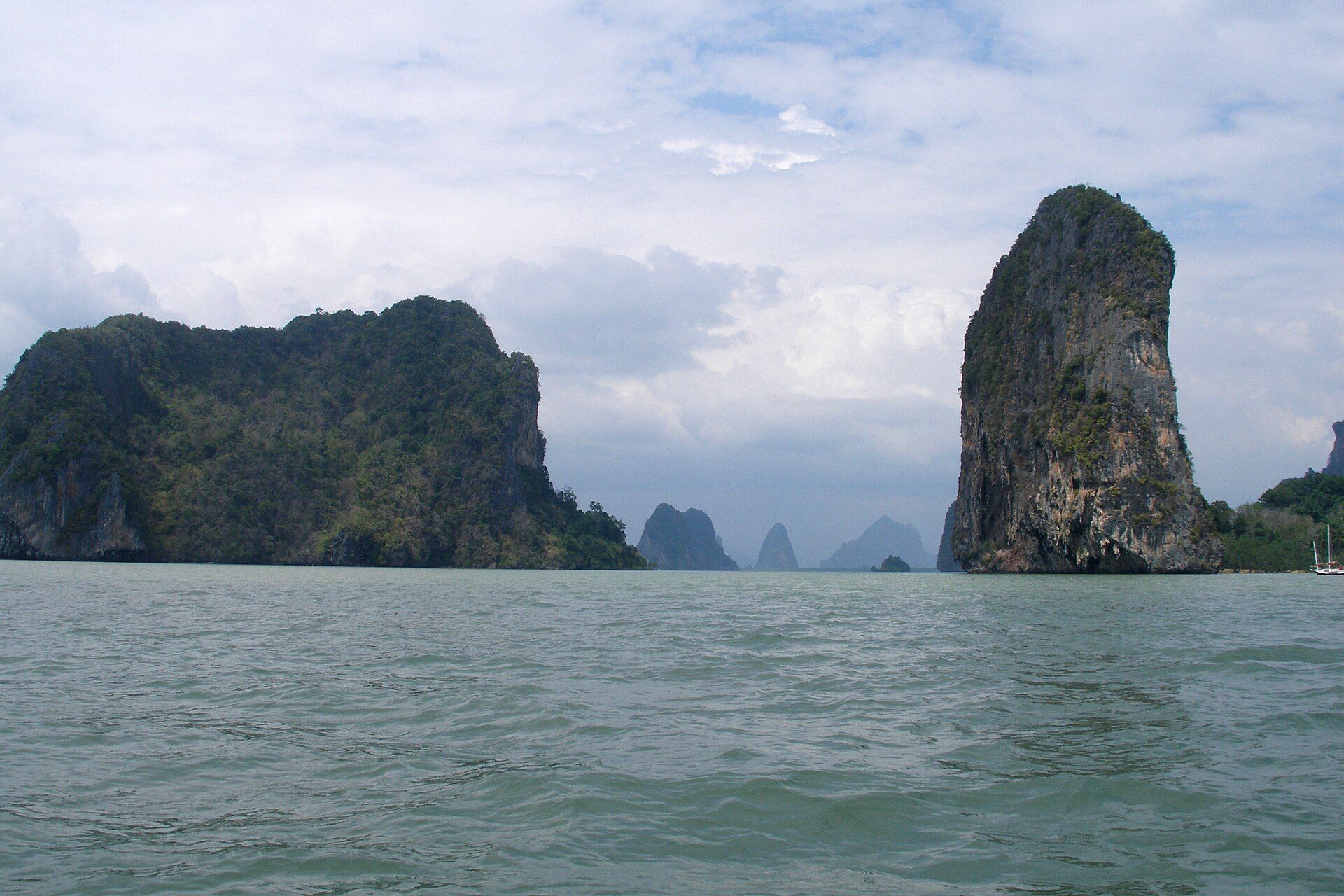
Phang Nga Bay
Emerald bay full of limestone karst islands and hidden lagoons.
-
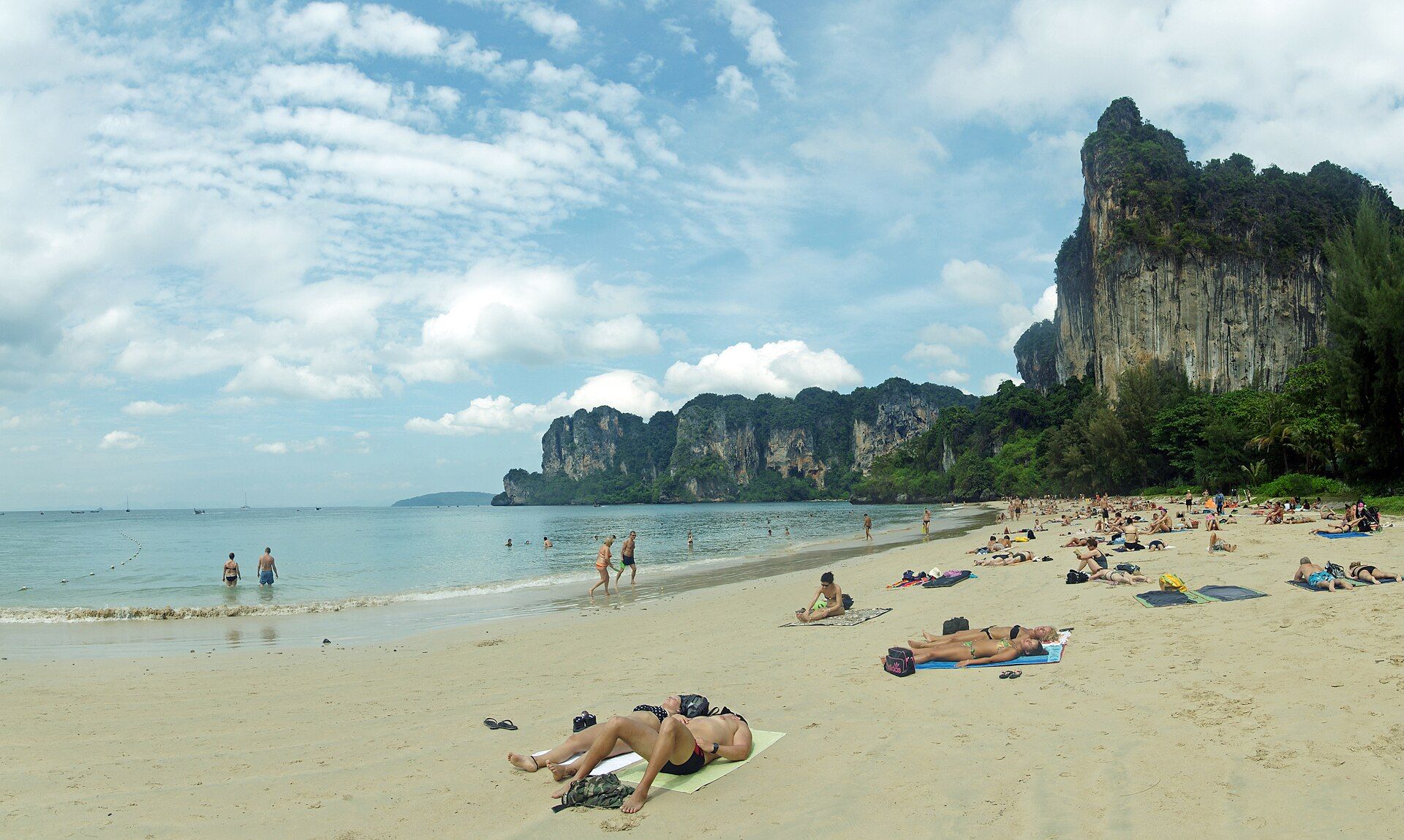
Railay
Cliff-walled white-sand beaches reached only by boat — a climbing mecca.
-
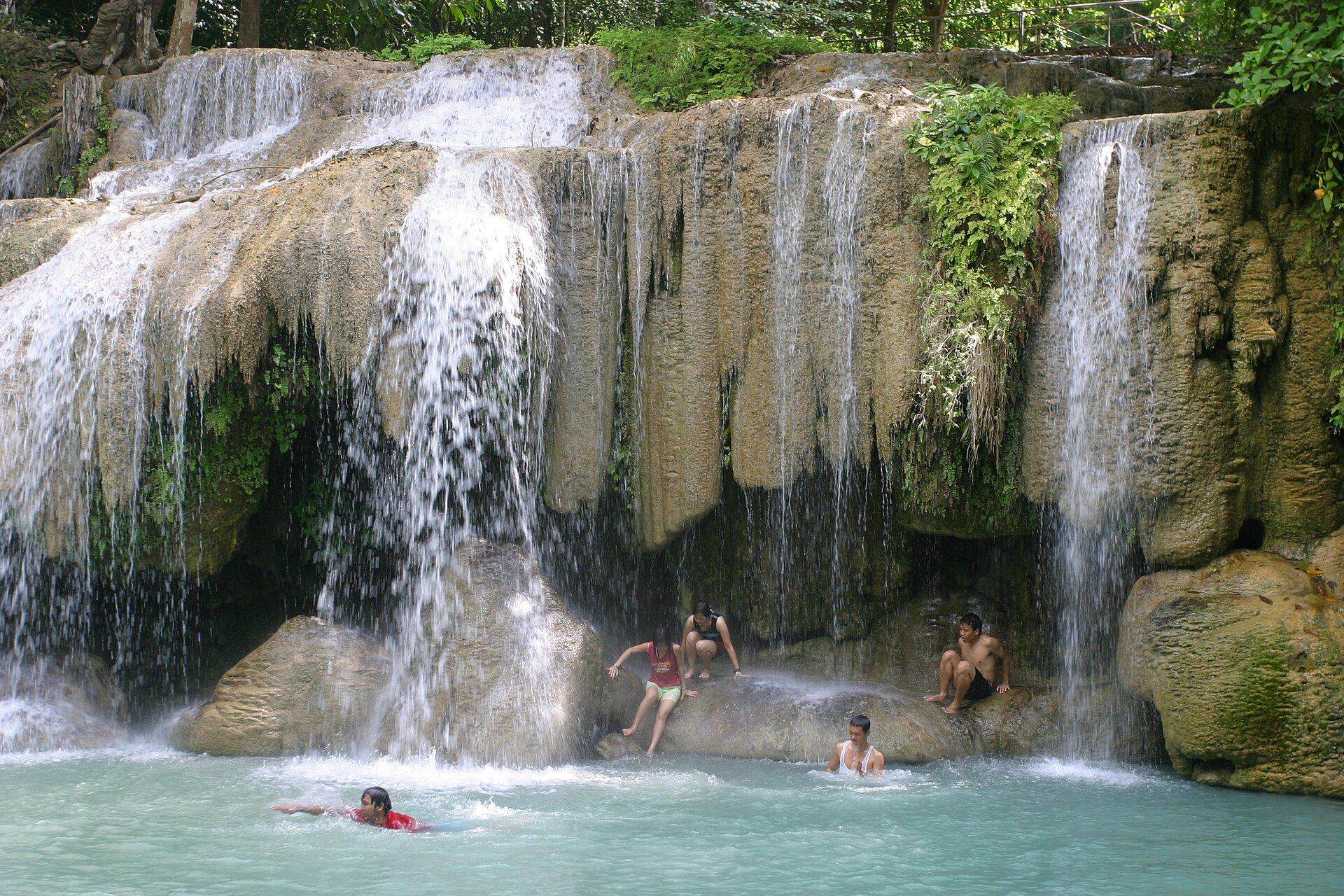
Erawan Falls
A seven-tier waterfall over travertine into blue-green pools.
A taste of the place
Thai cuisine balances sweet, sour, salty, and spicy — from coconut curries and tom yum to fresh seafood on the coast — and prizes fragrant herbs, chillies, and street-food culture.
Traveling responsibly
- Plan the Andaman coast for the November–April dry season for calm seas.
- Karst beaches and islands are boat-access — check tides and last crossings.
- Respect temple etiquette and national-park rules on litter and wildlife.
Thailand’s natural wonders are built from limestone and monsoon. The Andaman coast holds the karst seascape of Phang Nga Bay and the cliff-ringed beaches of Railay, while inland the jungle hides travertine waterfalls like Erawan. This atlas begins Thailand’s chapter with those three, with its northern mountains, islands, and reefs still to come.
Added
All wonders in Thailand
3 places