🇾🇪 Natural wonders of Yemen
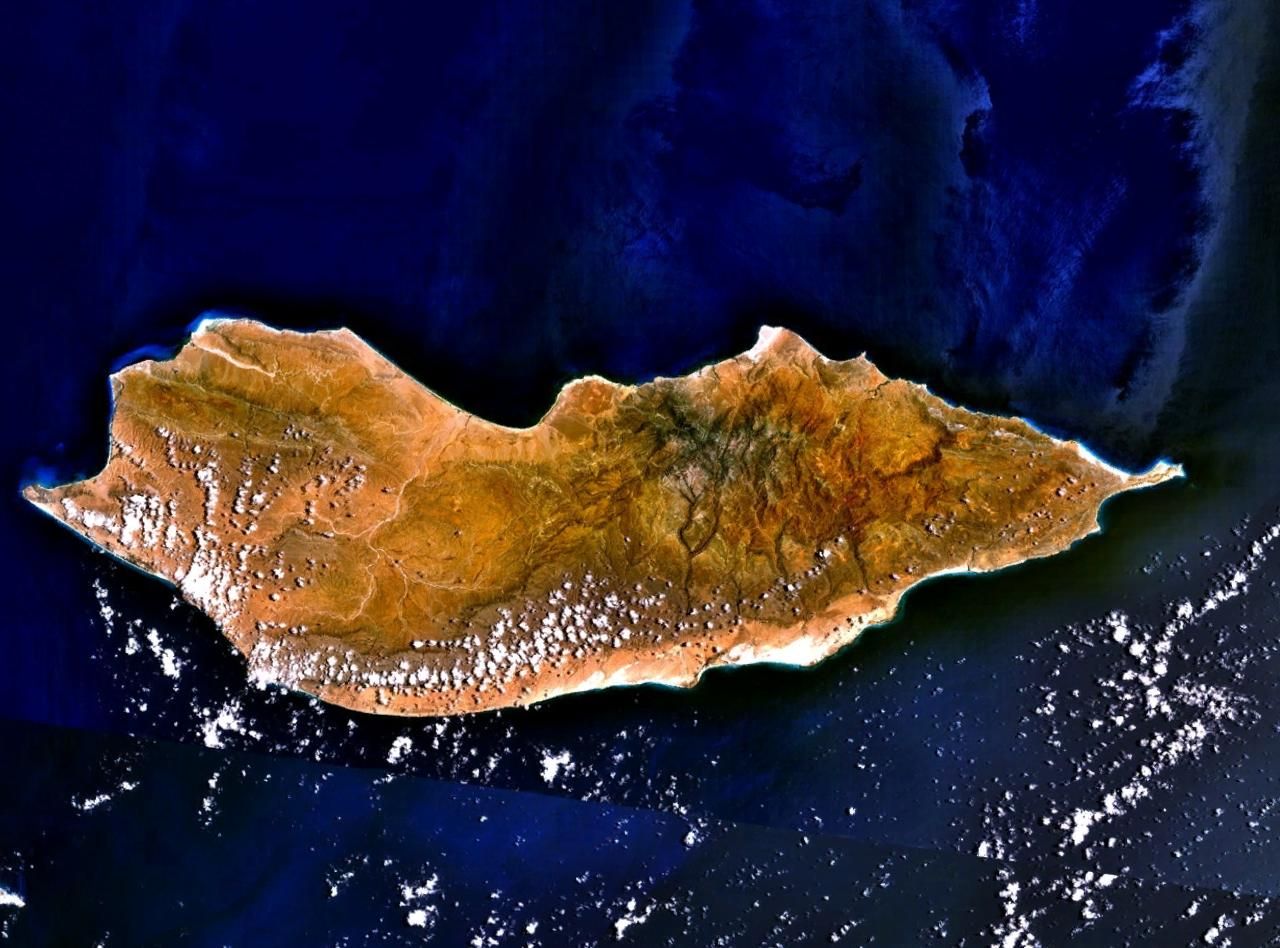
Home to Socotra, one of the most biologically unique islands on Earth — the 'Galápagos of the Indian Ocean', where a third of the plants grow nowhere else.
🗓️ Best time for nature: October to April, outside the fierce summer monsoon (roughly June–September) that can cut Socotra off from the mainland.
The lay of the land
Off the Yemeni mainland, isolated in the Arabian Sea for millions of years, lies Socotra — an island so long cut off that it evolved a flora found nowhere else, including the surreal umbrella-shaped dragon's blood tree and bulbous desert roses rooted in bare rock. White dunes, limestone caves, turquoise lagoons, and rich reefs complete a landscape that feels genuinely alien. It is a UNESCO World Heritage Site of exceptional endemism — though, given the wider situation in Yemen, a remote and sensitive one to reach.
Where to begin
-
Socotra
An isolated island of dragon's blood trees and unique, ancient life.
A taste of the place
Socotri food is simple and coastal — fresh grilled fish, goat, dates, and flatbread — reflecting a remote island life of fishing and herding.
Traveling responsibly
- Check current travel advisories for Yemen carefully before considering a visit.
- Go only with experienced specialist operators who handle the logistics.
- Tread very lightly — Socotra's endemic flora is fragile and irreplaceable.
Yemen’s place in this atlas is Socotra — a remote island in the Arabian Sea whose long isolation produced one of the most distinctive floras on Earth, with roughly a third of its plants found nowhere else. The dragon’s blood trees, desert roses, white dunes, and turquoise lagoons make it feel like another world, and a UNESCO World Heritage Site. It is also, given the situation in Yemen, genuinely difficult and sensitive to reach, and anyone considering it should weigh travel advisories carefully.
Added
All wonders in Yemen
1 places