Socotra
📍 Socotra Archipelago, Arabian Sea, Yemen
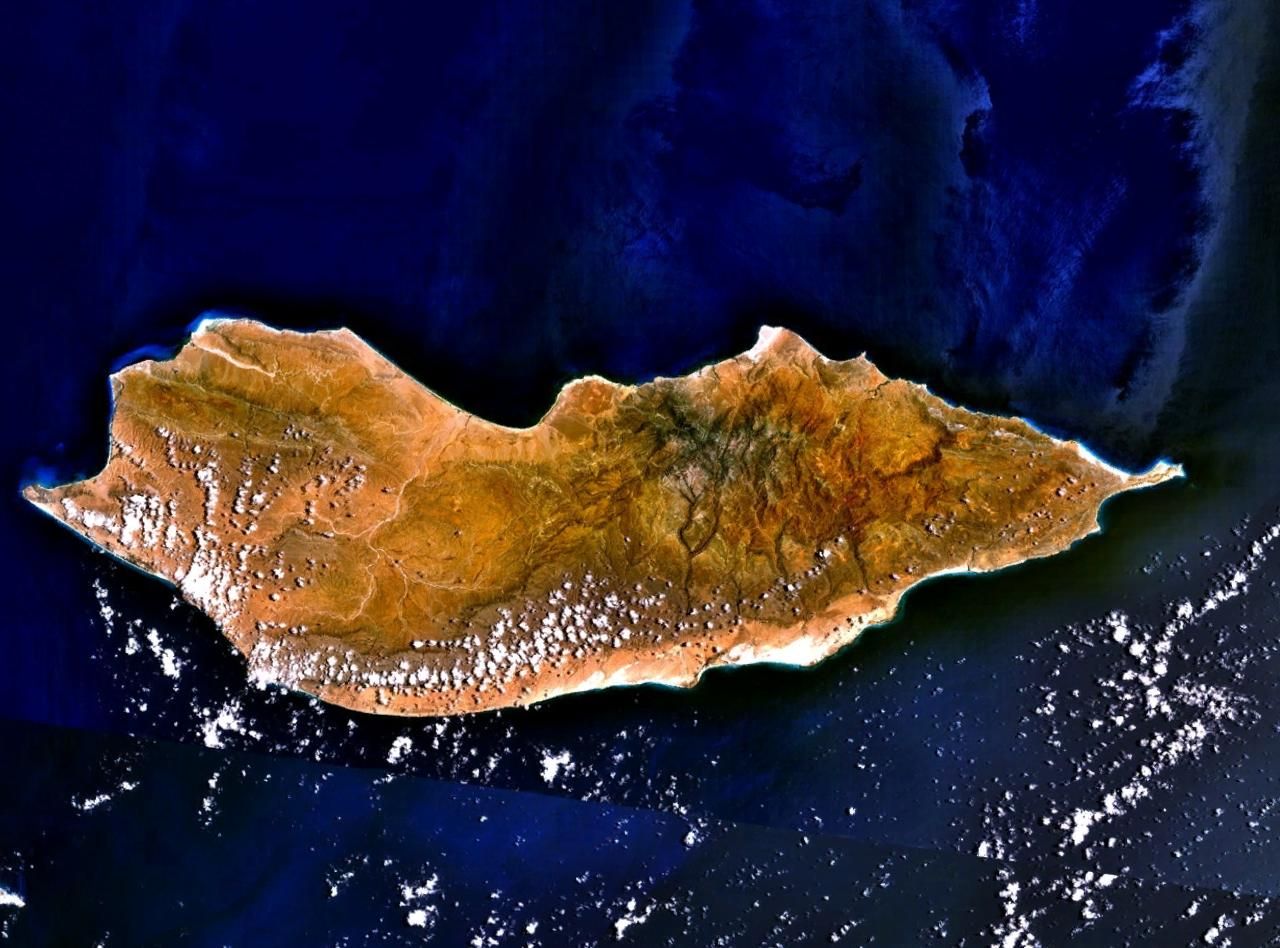
An isolated Indian Ocean island of such strange, ancient life that it's been called the 'Galápagos of the Indian Ocean' — home to umbrella-shaped dragon's blood trees and hundreds of plants found nowhere else on Earth.
What makes it marvelous
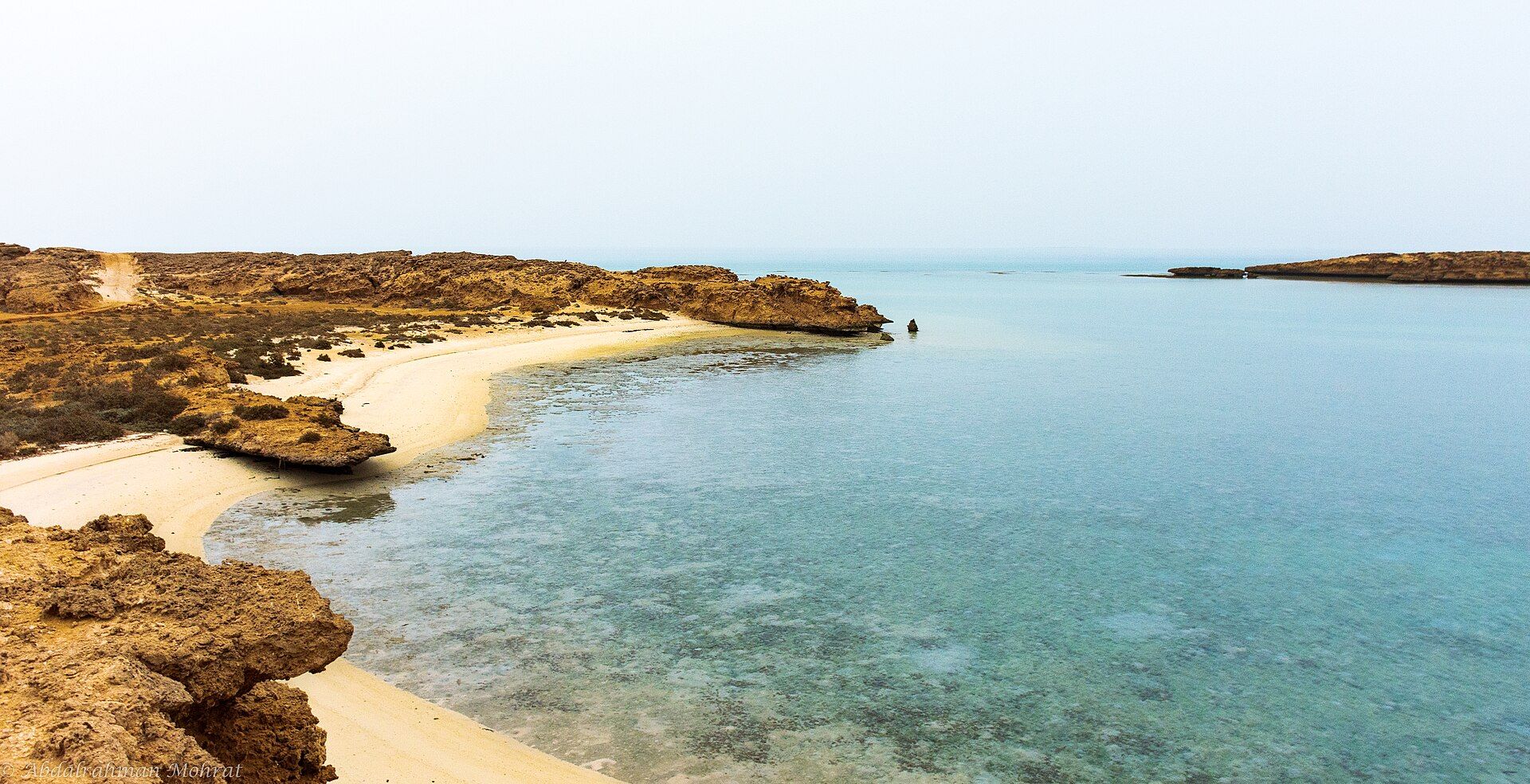
Cut off from the mainland for millions of years, Socotra evolved one of the most distinctive floras on the planet: around a third of its plant species exist nowhere else, including the surreal dragon's blood tree, whose upturned-umbrella crown bleeds red sap, and the bulbous desert rose that grows straight from bare rock. White dunes, limestone caves, and turquoise lagoons complete an island that feels genuinely alien. It is a UNESCO World Heritage Site of exceptional endemism.
Why visit
Standing in a grove of dragon's blood trees on a misty plateau, or camping beside empty white-sand beaches and clear lagoons, is like visiting another world — one of the last places where such ancient, isolated life survives largely intact.
What to know before you go
🗓️ Best time
October to April, outside the fierce summer monsoon (roughly June–September) when strong winds and rough seas can cut the island off.
🧭 Getting there & access
Remote and, given the wider situation in Yemen, logistically difficult — reached by limited charter flights via the region, on specialist guided trips. Check government travel advisories carefully before considering a visit.
Good to know
- Check current travel advisories for Yemen before planning any trip.
- Go only with experienced specialist operators who handle the complex logistics.
- Tread very lightly — the endemic flora is fragile and irreplaceable.
Plan your visit
Expedition🧭 Getting there
From Socotra Island, Yemen (via Abu Dhabi or Cairo charters)
- Join an organised tour that includes the charter flight — the only realistic way in
- Fly the seasonal charter to Socotra (SCT), typically from Abu Dhabi or Cairo
- Travel the island by 4x4 with the tour, camping at each site
- Total travel
- A charter flight into a week-long organised trip
- Time at site
- A week, moving camp by camp
- Access
- Socotra belongs to Yemen, a country under severe travel warnings, and the whole trip runs through specialist operators who arrange the permit, the charter flight and the on-island logistics — there is no scheduled tourist route in. Charters run seasonally and the island effectively closes during the summer monsoon (the khareef), roughly June to September, when fierce winds ground flights and boats. Because both the security picture and the flight schedule shift, book through an established operator and take their current reading; do not plan around any fixed timetable.
🎒 What to bring & consider
- An organised tour with the charter and permit built in — independent travel here is not a practical option, and the flights only run in season
- Full camping self-sufficiency, since there are essentially no hotels and you sleep on beaches and in wadis
- Cash in US dollars for the whole trip, as there are no working ATMs or card facilities for a visitor
- Sun, wind and dust protection for an exposed island with almost no shade and strong coastal wind
- A realistic check of your government's travel advice for Yemen before committing, and travel insurance that will actually cover it
👁️ What to expect
- Crowds
- Almost none. A handful of small tour groups on the whole island.
- Conditions
- Hot, dry and windy, with rough tracks and basic camping. Remote in every sense.
- Facilities
- Next to none. The tour carries food, water and shelter; villages have little to sell.
- The view
- The umbrella-canopied dragon's blood trees on the Diksam plateau in mist, and the vast dunes running up against limestone cliffs at the coast. These are trees and forms found nowhere else on Earth, which is the whole reason for the effort.
Times and requirements are approximate and change with season, weather, and local rules — confirm permits, fares, and schedules with operators before you travel.
Natural riches of the area
- Extreme plant endemism (dragon's blood tree, desert rose)
- Limestone caves, white dunes, and turquoise lagoons
- Endemic birds, reptiles, and rich surrounding reefs
- A living record of ancient, isolated evolution
Local food
- Fresh fish
- Grilled or stewed catch from the island's rich Arabian Sea waters.
- Dates & goat
- Staples of the Socotri, who herd goats and tend date palms.
- Flatbread & ghee
- Simple island fare adapted to a remote, arid environment.
Socotra is one of the strangest places on Earth. Marooned in the Arabian Sea and isolated for millions of years, it evolved a flora unlike anywhere else: roughly a third of its plants grow on this island alone. The emblem is the dragon’s blood tree, which looks like an umbrella turned inside out and bleeds a deep red resin; alongside it grow bulbous desert roses rooted straight into bare rock, on plateaus that drift in and out of mist.
Around the strange forests lie white dunes, limestone caves, and empty beaches on turquoise lagoons — an island so distinctive it’s called the Galápagos of the Indian Ocean, and protected as a UNESCO World Heritage Site. It is also remote and, given the situation in Yemen, genuinely hard and sensitive to reach; anyone considering it should weigh travel advisories carefully. But as a living museum of ancient, isolated life, few places on the planet are its equal.
Socotra: common questions
How do you get to Socotra?
From Socotra Island, Yemen (via Abu Dhabi or Cairo charters): Join an organised tour that includes the charter flight — the only realistic way in; Fly the seasonal charter to Socotra (SCT), typically from Abu Dhabi or Cairo; Travel the island by 4x4 with the tour, camping at each site. Allow a charter flight into a week-long organised trip.
When is the best time to visit Socotra?
October to April, outside the fierce summer monsoon (roughly June–September) when strong winds and rough seas can cut the island off.
How long should you spend at Socotra?
A week, moving camp by camp. A charter flight into a week-long organised trip of travel from Socotra Island, Yemen (via Abu Dhabi or Cairo charters).
What should you bring to Socotra?
An organised tour with the charter and permit built in — independent travel here is not a practical option, and the flights only run in season Full camping self-sufficiency, since there are essentially no hotels and you sleep on beaches and in wadis Cash in US dollars for the whole trip, as there are no working ATMs or card facilities for a visitor Sun, wind and dust protection for an exposed island with almost no shade and strong coastal wind A realistic check of your government's travel advice for Yemen before committing, and travel insurance that will actually cover it
Do you need a permit or guide for Socotra?
Socotra belongs to Yemen, a country under severe travel warnings, and the whole trip runs through specialist operators who arrange the permit, the charter flight and the on-island logistics — there is no scheduled tourist route in. Charters run seasonally and the island effectively closes during the summer monsoon (the khareef), roughly June to September, when fierce winds ground flights and boats. Because both the security picture and the flight schedule shift, book through an established operator and take their current reading; do not plan around any fixed timetable.
Is Socotra crowded, and what are conditions like?
Almost none. A handful of small tour groups on the whole island. Hot, dry and windy, with rough tracks and basic camping. Remote in every sense. Facilities: next to none. The tour carries food, water and shelter; villages have little to sell.
Added Updated
More wonders to explore