Komodo National Park
📍 Lesser Sunda Islands, East Nusa Tenggara, Indonesia
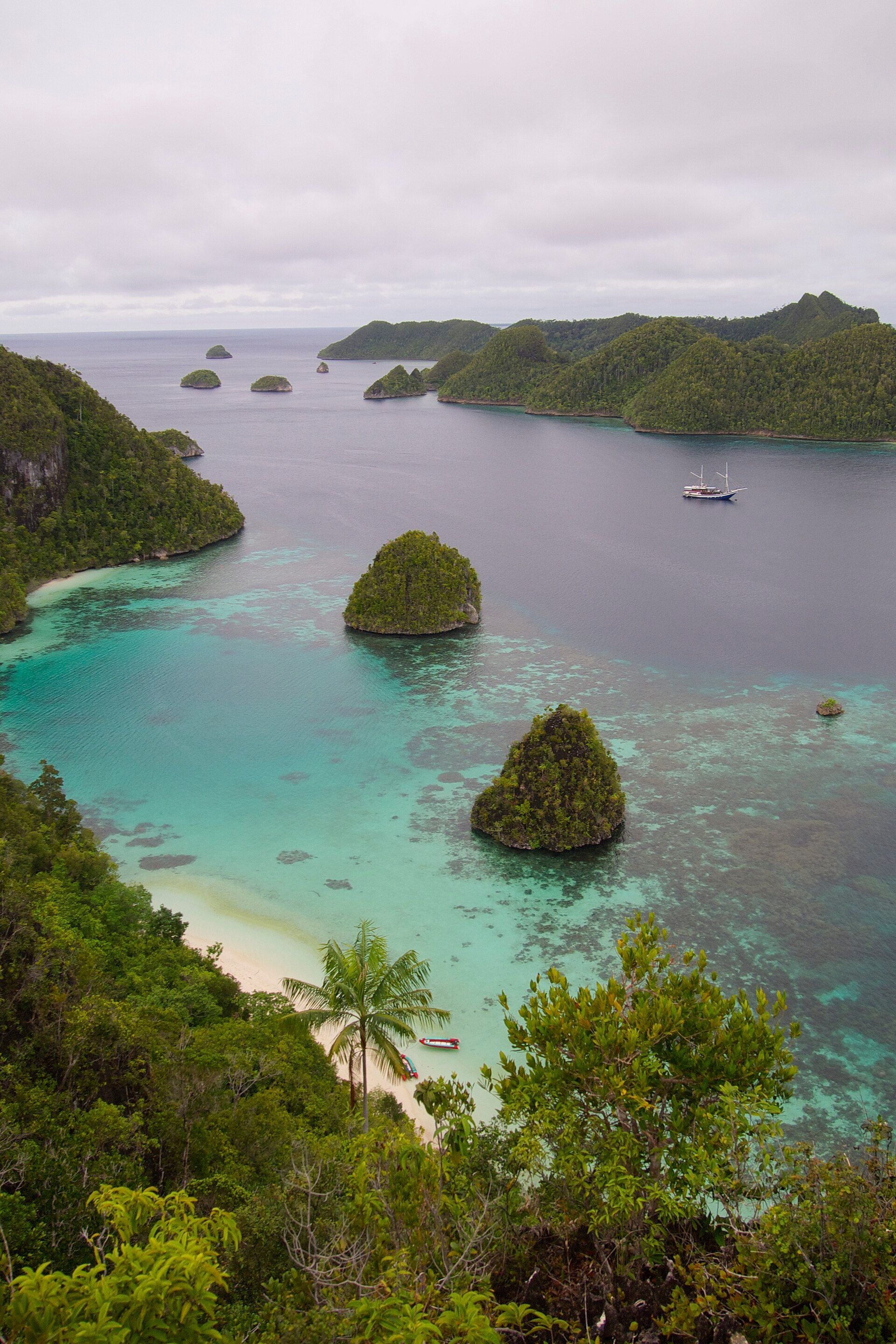
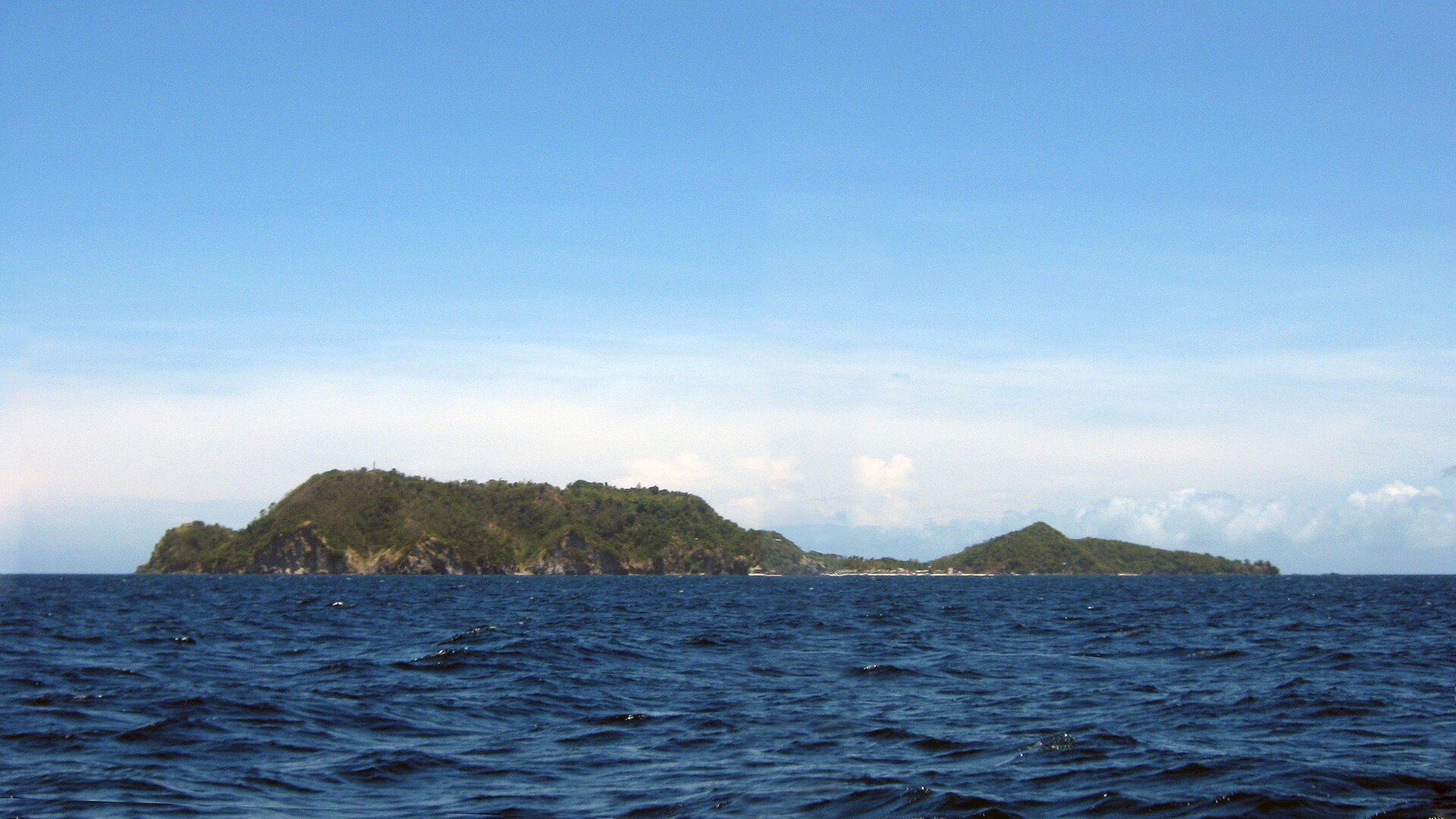
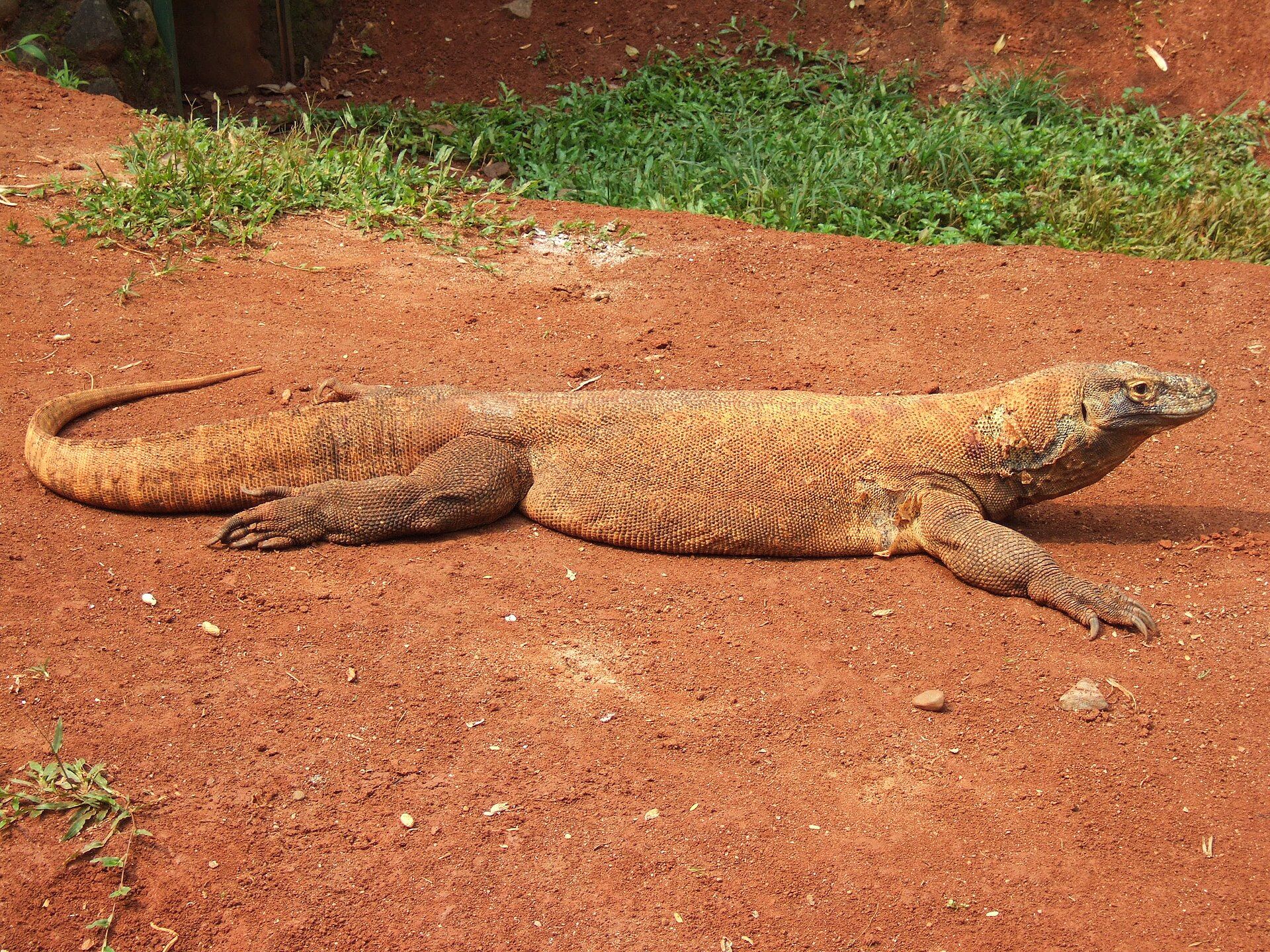
A cluster of rugged islands that shelter the Komodo dragon — the largest lizard on Earth — above water, and some of the world's richest coral reefs below, including a beach tinted pink by red coral.
What makes it marvelous
Komodo is doubly wondrous. On land, its dry, savanna-clad islands are the only home of the Komodo dragon, a monitor lizard growing to three metres and 70 kilograms, a relict giant that has survived here in isolation. Underwater, the park sits in the Coral Triangle at a meeting of strong currents that feed extraordinary marine life — over 1,000 fish species, mantas, sharks, turtles, and vibrant reefs — making it one of the planet's top dive destinations. One shore, Pink Beach, glows rose from fragments of red coral mixed into the sand. It is a UNESCO World Heritage Site.
Why visit
Tracking wild Komodo dragons with rangers, then diving or snorkelling drift-swept reefs alive with mantas and sharks, and relaxing on a pink beach, makes Komodo a rare place where a land legend and a marine paradise share the same islands.
What to know before you go
🗓️ Best time
The dry season (roughly April–November) for calm seas, good diving visibility, and easier island walks; the wet season is hotter with rougher water.
🧭 Getting there & access
By air to Labuan Bajo on Flores, then boat trips and liveaboards to Komodo, Rinca, and the surrounding islands. Dragon treks are ranger-guided; park and conservation fees apply.
Good to know
- Always visit the dragons with park rangers — they are genuinely dangerous.
- Dive or snorkel with operators experienced in the strong currents.
- Use reef-safe sunscreen and follow park conservation rules.
Plan your visit
Moderate🧭 Getting there
From Labuan Bajo, Flores, Indonesia
- Fly Bali → Labuan Bajo (LBJ) — roughly 1h15
- Board a day boat or liveaboard from Labuan Bajo harbour
- Land on Komodo or Rinca and walk with a park ranger
- Total travel
- A short flight plus a boat from Labuan Bajo
- Time at site
- A day trip, or two to three days by liveaboard
- Access
- The park is reached only by boat from Labuan Bajo, on anything from a shared day trip to a multi-day liveaboard, and once ashore on Komodo or Rinca you walk only with a park ranger — the dragons are large wild predators and the ranger is your safety, not a guide-for-hire. Park and conservation fees here have been revised and disputed in recent years, so confirm the current charges through the park authority or your operator rather than a stale figure. The dry season is the settled window for the boats. The same trip usually takes in the Padar viewpoint, Pink Beach and the manta snorkelling sites.
🎒 What to bring & consider
- A ranger-guided walk on the islands, which is compulsory and genuinely for your safety around wild Komodo dragons
- Confirmation of the current park fees through the authority, since they have changed and been contested lately
- Reef-safe sun protection, a rash top and your own snorkel gear for the manta and reef stops
- Sturdy shoes for dry, uneven island trails, and the honesty to skip the walk if you are unwell — the dragons sense it
- Seasickness precautions and plenty of water for long, hot hours on an open boat
👁️ What to expect
- Crowds
- Day boats converge on Padar and Pink Beach midday. Liveaboards reach the quieter sites early and late.
- Conditions
- Hot, dry and bright, with short island walks and boat transfers between sites.
- Facilities
- Full in Labuan Bajo. On the islands, ranger posts and little else; liveaboards are self-contained.
- The view
- The three-bay panorama from the Padar Island viewpoint at sunrise, before the day boats arrive — a stiff early climb, but the frame everyone comes for. A dragon on the trail, at a ranger-set distance, is the other.
Times and requirements are approximate and change with season, weather, and local rules — confirm permits, fares, and schedules with operators before you travel.
Natural riches of the area
- The only wild population of Komodo dragons
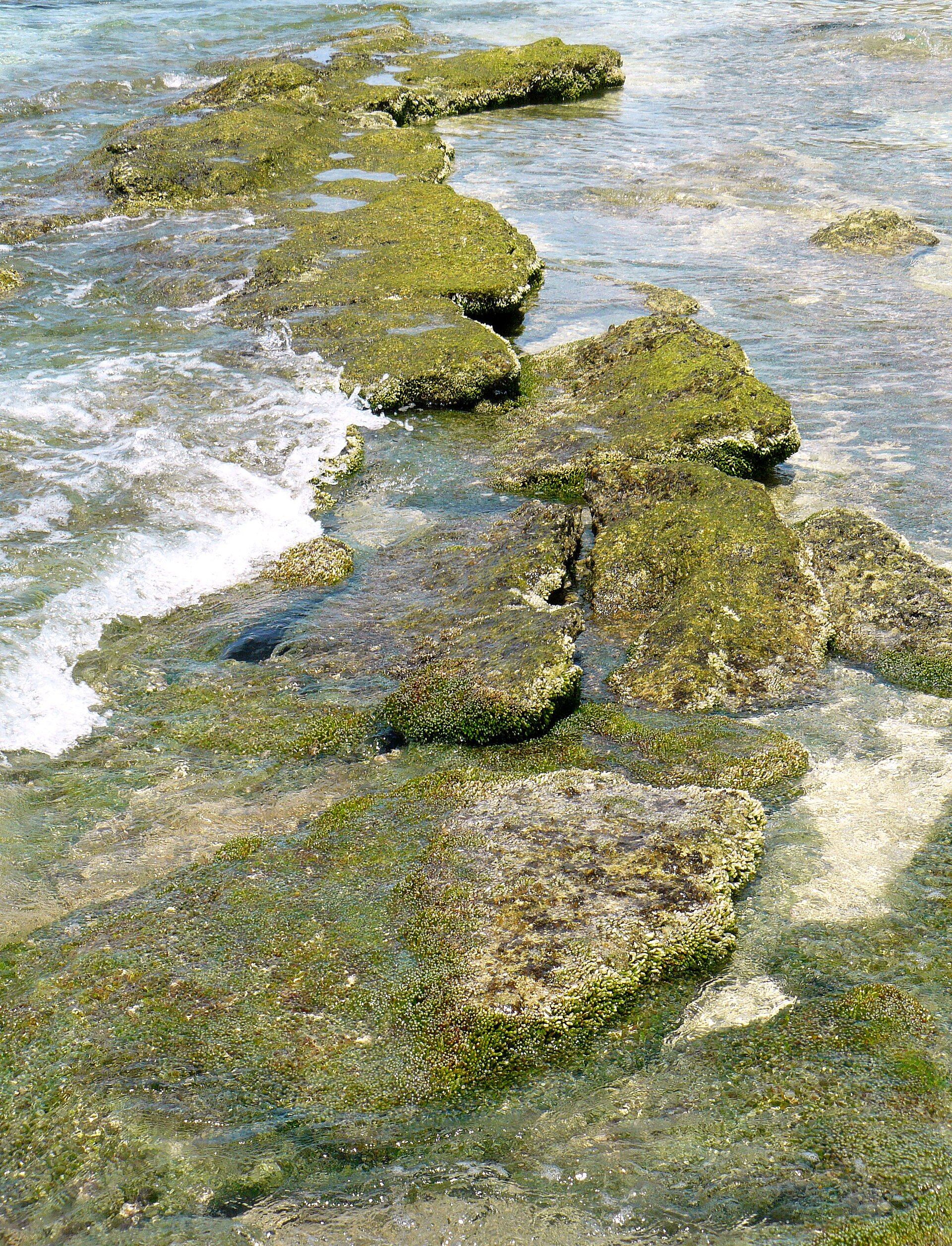
- Coral Triangle reefs with 1,000+ fish species, mantas, and sharks
- Dry savanna islands and a rare pink coral-sand beach
- Strong nutrient-rich currents feeding marine life
Local food
- Grilled fish & seafood
- Fresh catch from the rich surrounding waters, Flores-style.
- Nasi goreng & mie goreng
- Indonesian fried rice and noodles, staples on the islands.
- Sambal & tropical fruit
- Fiery chilli relish and abundant local fruit.
Komodo National Park is a place of two wonders, above and below the waterline. On its dry, rugged islands lives the Komodo dragon — the largest lizard on Earth, a monitor that reaches three metres and 70 kilograms, a relict giant that survives here and nowhere else in the wild. Tracking one across the savanna with a ranger, watching it flick its forked tongue, is like meeting a living dinosaur.
Slip underwater, and Komodo transforms into a marine paradise. It sits in the Coral Triangle, the global centre of ocean biodiversity, where strong currents feed reefs teeming with over a thousand fish species, mantas, sharks, and turtles — one of the world’s premier dive sites. There’s even a beach tinted rose-pink by fragments of red coral in the sand. A UNESCO World Heritage Site, Komodo is that rare place where a land legend and an underwater wonderland share the very same shores.
Komodo National Park: common questions
How do you get to Komodo National Park?
From Labuan Bajo, Flores, Indonesia: Fly Bali → Labuan Bajo (LBJ) — roughly 1h15; Board a day boat or liveaboard from Labuan Bajo harbour; Land on Komodo or Rinca and walk with a park ranger. Allow a short flight plus a boat from labuan bajo.
When is the best time to visit Komodo National Park?
The dry season (roughly April–November) for calm seas, good diving visibility, and easier island walks; the wet season is hotter with rougher water.
How long should you spend at Komodo National Park?
A day trip, or two to three days by liveaboard. A short flight plus a boat from Labuan Bajo of travel from Labuan Bajo, Flores, Indonesia.
What should you bring to Komodo National Park?
A ranger-guided walk on the islands, which is compulsory and genuinely for your safety around wild Komodo dragons Confirmation of the current park fees through the authority, since they have changed and been contested lately Reef-safe sun protection, a rash top and your own snorkel gear for the manta and reef stops Sturdy shoes for dry, uneven island trails, and the honesty to skip the walk if you are unwell — the dragons sense it Seasickness precautions and plenty of water for long, hot hours on an open boat
Do you need a permit or guide for Komodo National Park?
The park is reached only by boat from Labuan Bajo, on anything from a shared day trip to a multi-day liveaboard, and once ashore on Komodo or Rinca you walk only with a park ranger — the dragons are large wild predators and the ranger is your safety, not a guide-for-hire. Park and conservation fees here have been revised and disputed in recent years, so confirm the current charges through the park authority or your operator rather than a stale figure. The dry season is the settled window for the boats. The same trip usually takes in the Padar viewpoint, Pink Beach and the manta snorkelling sites.
Is Komodo National Park crowded, and what are conditions like?
Day boats converge on Padar and Pink Beach midday. Liveaboards reach the quieter sites early and late. Hot, dry and bright, with short island walks and boat transfers between sites. Facilities: full in Labuan Bajo. On the islands, ranger posts and little else; liveaboards are self-contained.
Added Updated
More wonders to explore