Lake Sebu & the Seven Falls
📍 South Cotabato, Mindanao, Philippines
A serene highland lake wreathed in morning mist, feeding a chain of seven waterfalls through the mountains — the ancestral home of the T'boli people and one of Mindanao's most soulful landscapes.
What makes it marvelous
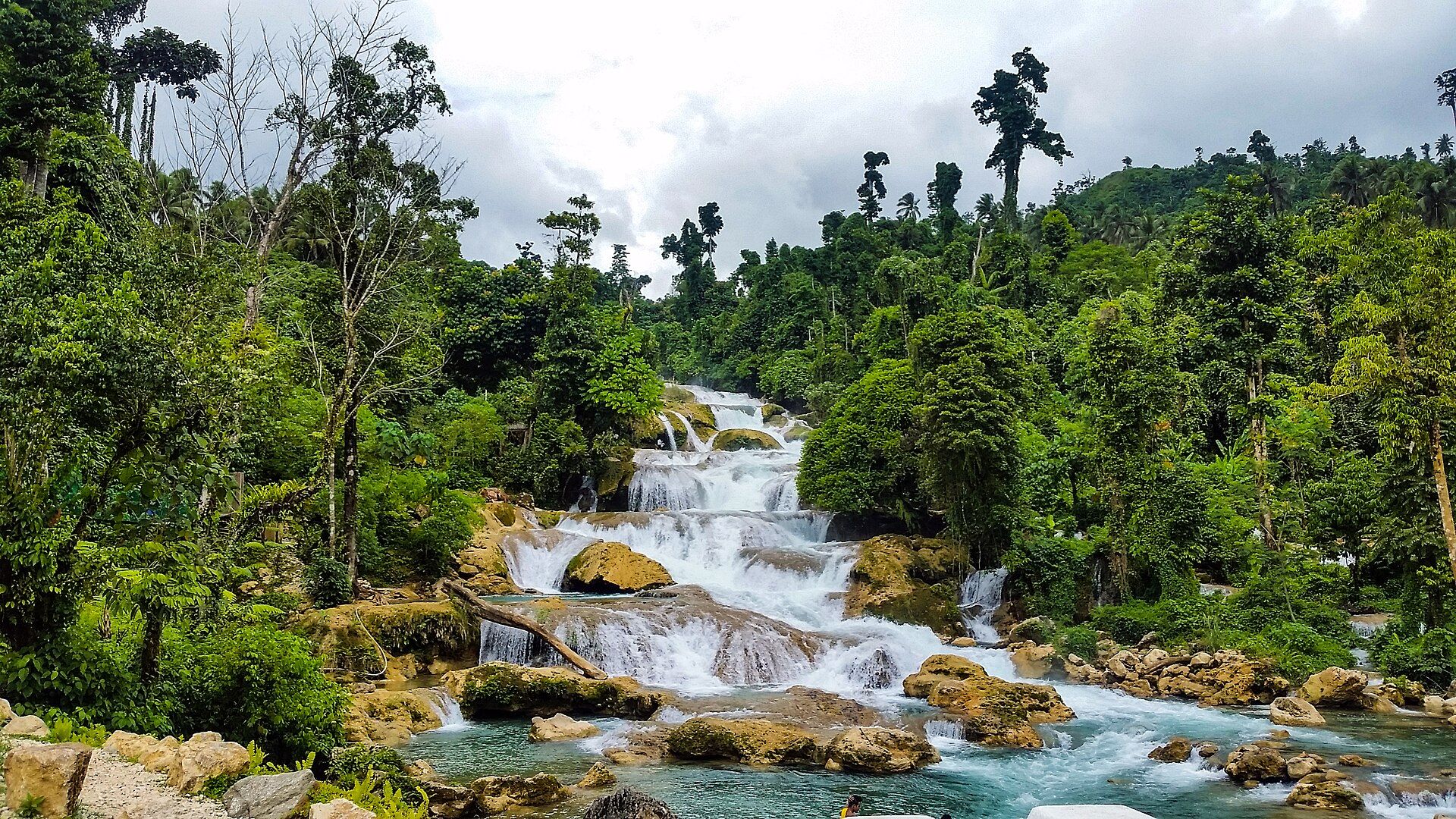
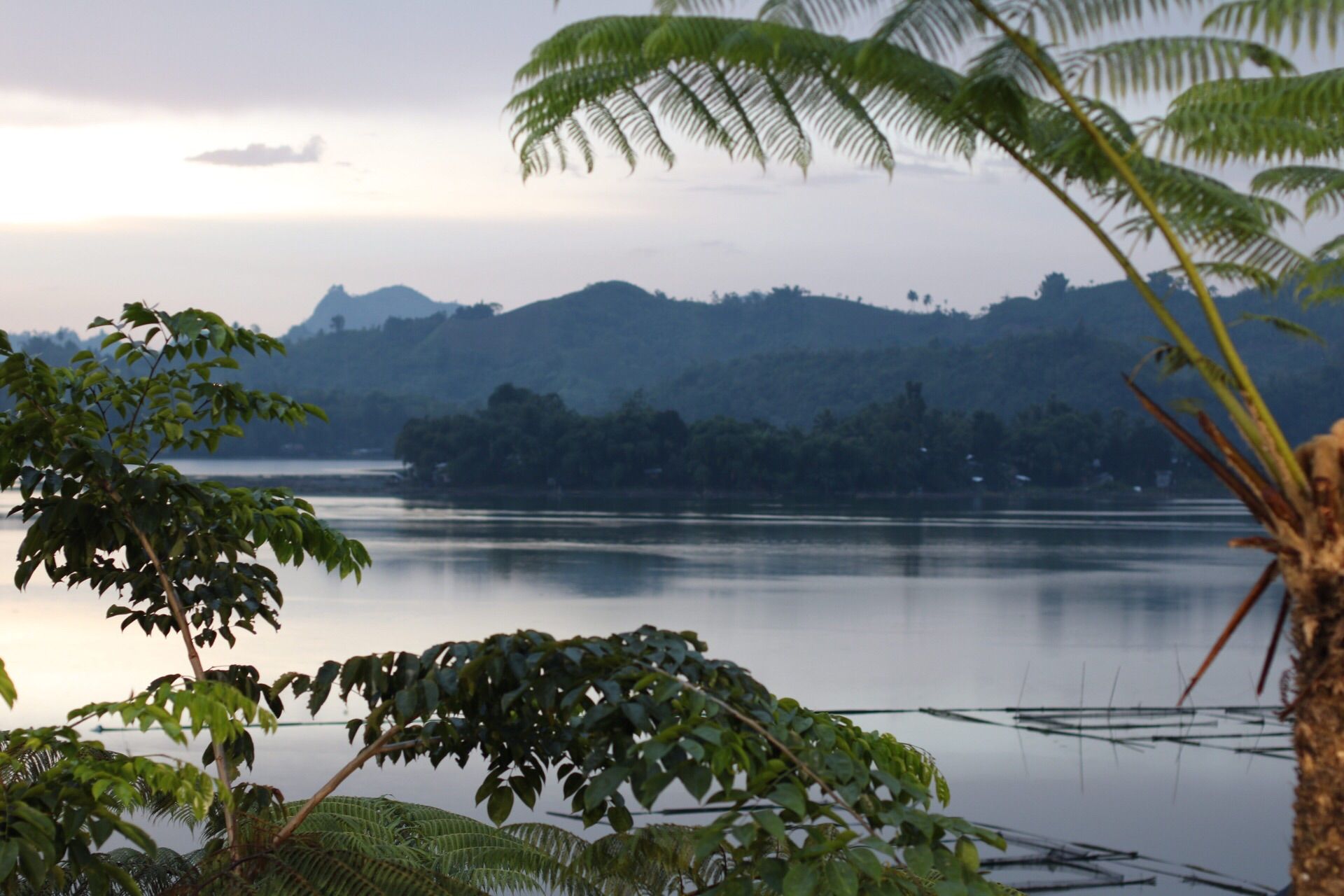
Set at around 300 metres in the highlands of South Cotabato, Lake Sebu is a natural freshwater lake fringed by lotus and fish pens, cradled by forested hills. Its outflow tumbles down the mountains as the Seven Falls, a stepped series of cascades. The whole basin is the ancestral domain of the T'boli, whose culture — from t'nalak weaving to brass casting — is bound to this land and water.
Why visit
Dawn on the lake, with mist rising off the water and lotus blooms opening, is quietly beautiful. A zip-line soars high above two of the seven falls for a bird's-eye view of the gorge, and the T'boli cultural community offers a rare, living connection between people and place.
What to know before you go
🗓️ Best time
The cooler, drier months (roughly November–May) for clear mountain weather and calm mornings on the lake.
🧭 Getting there & access
Reached from General Santos City or Koronadal in South Cotabato, then up into the highlands to Lake Sebu town. Local guides and the T'boli community host lake tours, falls visits, and the zip-line.
Good to know
- Take an early boat onto the lake for the mist and lotus at their best.
- Buy t'nalak weaving and brasswork directly from T'boli artisans to support the community.
- Be a respectful guest — this is a living ancestral homeland, not a stage set.
Natural riches of the area
- A natural highland freshwater lake with lotus beds and tilapia fisheries
- The Seven Falls cascade system feeding the lowlands
- Montane forest and cool-climate highland soils
- The ancestral domain and living culture of the T'boli people
Local food
- Tilapia
- Farmed sustainably in the lake and served grilled or fried, fresh from the water.
- T'boli traditional dishes
- Highland rice, root crops, and native greens central to T'boli cuisine.
- Native coffee & tableya
- Highland-grown coffee and stone-ground cacao from the surrounding hills.
Lake Sebu lies high in the mountains of South Cotabato, a calm freshwater lake fringed with lotus and fish pens and often wrapped, at dawn, in a soft mist that lifts as the sun climbs. Its waters spill down the mountainside as the Seven Falls, a stepped chain of cascades that a zip-line now soars above for a heart-in-mouth view of the gorge.
The lake is inseparable from the T’boli people, whose ancestral domain this is. Their culture — the dream-woven t’nalak cloth, brass ornaments, music, and dance — grows directly out of this landscape, and visiting means being a guest in a living homeland rather than a spectator at an attraction.
It is one of Mindanao’s most quietly moving places: a highland lake, a waterfall chain, and a community whose life and land are one and the same.
More wonders to explore