🇵🇭 Natural wonders of Philippines

An archipelago of more than 7,600 islands strung along the Pacific's Ring of Fire — a country of active volcanoes, world-class reefs, limestone karst, and living landscapes packed into extraordinary variety.

🗓️ Best time for nature: The dry season, roughly November to May, is best for most of the country — calm seas for island-hopping and diving, clearer mountain trails, and the lowest storm risk. The southwest monsoon and typhoon season (about June to October, with storms into late year) brings rain and rough water, especially to eastern and northern coasts.

Southeast Asia 37 wonders in the atlas

The lay of the land

The Philippines sits at the meeting point of tectonic plates on the Pacific Ring of Fire, and its geology tells that story everywhere: a chain of active volcanoes down its spine, hot springs and crater lakes, and reefs built on the drowned edges of ancient land. It lies within the Coral Triangle — the global centre of marine biodiversity — so its seas are among the richest on Earth, while thousands of islands, from limestone karst towers to volcanic peaks, create a mosaic of isolated habitats and high endemism. Add heavy tropical rainfall and you get powerful rivers and waterfalls, vast mangrove forests, and highland rainforests that shelter creatures found nowhere else, from the Philippine eagle to the tarsier.

Where to begin

  1. Puerto Princesa Subterranean River

    A UNESCO-listed river running 8 km through a mountain cave straight to the sea.

    Cave · Puerto Princesa, Palawan, Philippines

  2. Tubbataha Reefs Natural Park

    One of the planet's healthiest reefs, reachable only by liveaboard for three months a year.

    Coral reef · Sulu Sea, off Palawan, Philippines

  3. Chocolate Hills

    Over 1,200 near-identical karst mounds that turn cocoa-brown each dry season.

    Rock formation · Bohol, Central Visayas, Philippines

  4. Mayon Volcano

    The country's most active and most symmetrical volcano — currently in eruption.

    Volcano · Albay, Bicol Region, Philippines

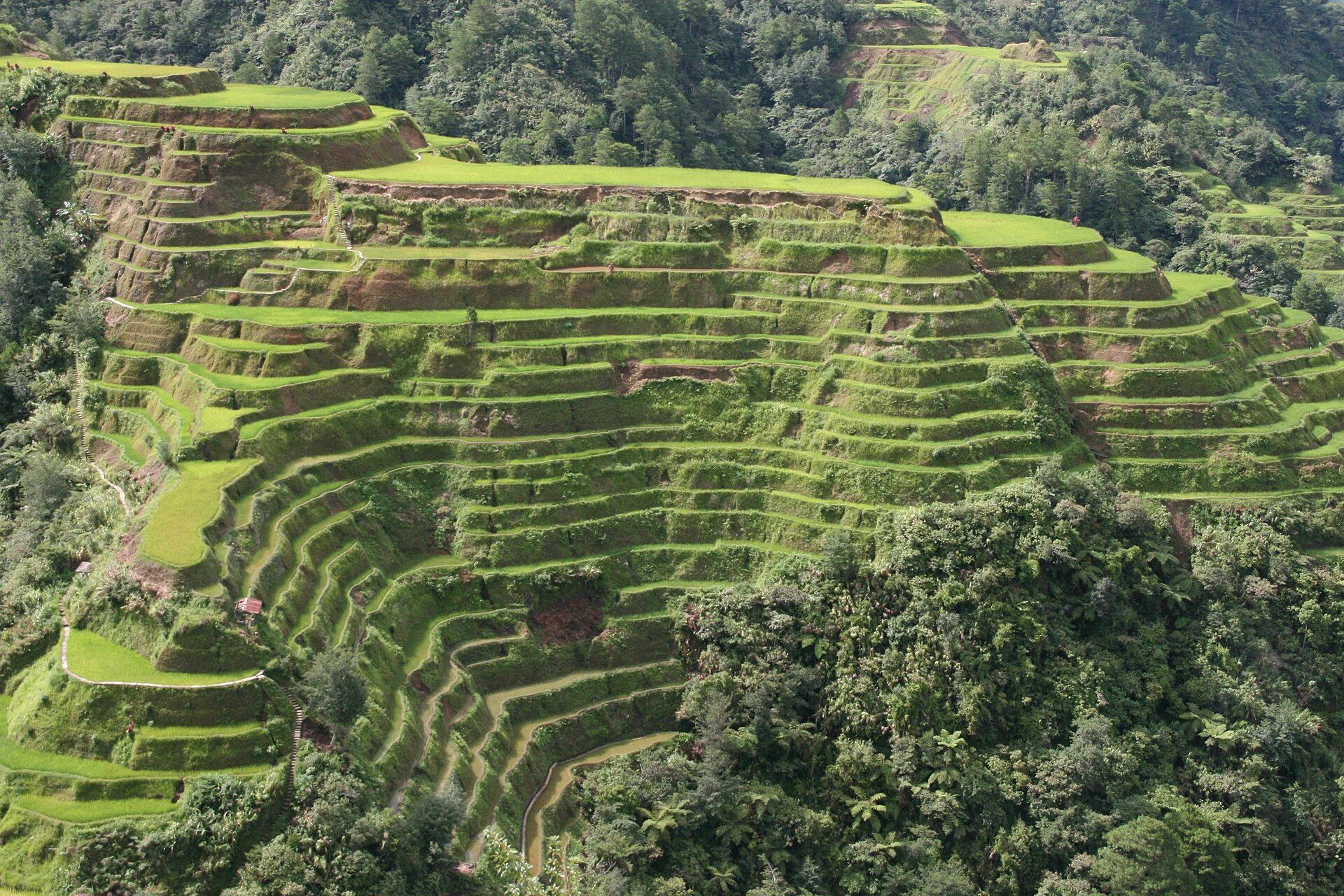
  5. Banaue & the Ifugao Rice Terraces

    Two thousand years of hand-built terraces, a UNESCO living landscape.

    Living terraces · Ifugao, Cordillera, Philippines

  6. El Nido & the Bacuit Archipelago

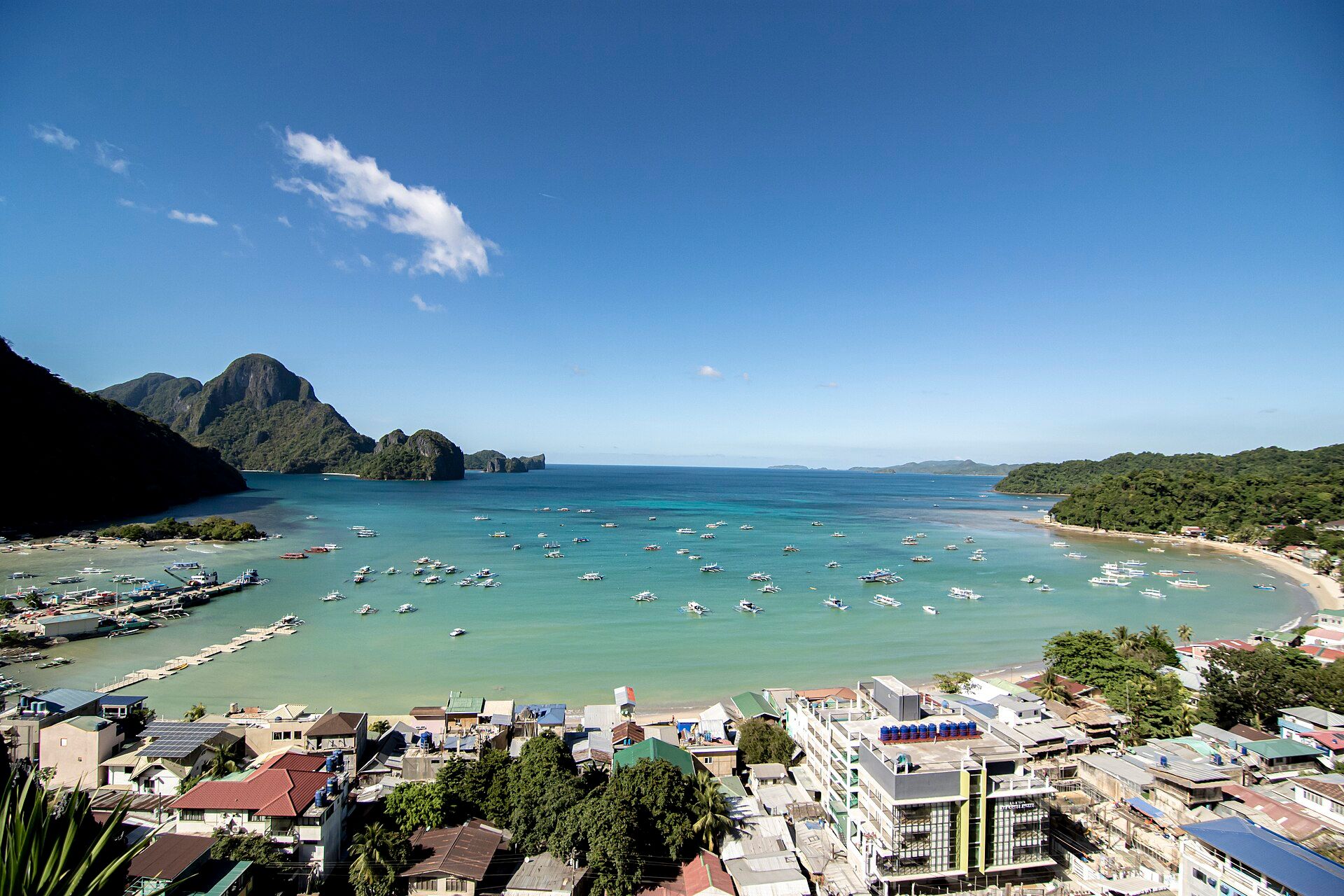
    A bay of towering limestone islands and hidden lagoons in Palawan.

    Karst landscape · El Nido, Palawan, Philippines

  7. Mount Pulag

    Luzon's highest peak, famous for its dawn sea of clouds.

    Mountain · Benguet, Cordillera, Philippines

  8. Apo Island Marine Sanctuary

    A pioneering community marine sanctuary where turtles graze off the beach.

    Marine sanctuary · Dauin, Negros Oriental, Philippines

A taste of the place

Filipino food is coastal and volcanic at heart: rice grown in terraced highlands and lowland paddies, seafood from some of the world's richest seas, and coconut running through everything from savoury stews to sticky sweets. Regional identities are strong — fiery, coconut-rich Bicol cooking beneath Mayon; the culinary artistry of Pampanga; Cebu's celebrated lechon; the raw, vinegar-cured kinilaw of the coasts; and the heirloom rice and cured meats of the Cordillera. Tropical fruit is everywhere, from Davao durian and mangosteen to some of the sweetest mangoes on Earth.

Traveling responsibly

  • Check official advisories before you travel — PHIVOLCS for volcanoes (Mayon is erupting and Taal's island is off-limits in 2026), plus weather and park bulletins.
  • Time your trip to the dry season (Nov–May) for the calmest seas and clearest trails.
  • Distances between islands are real — internal flights and ferries take planning; build in buffer days for weather.
  • Many wonders are protected or community-managed: pay the fees, use accredited guides, and bring reef-safe sunscreen.
  • Support local: community-run sanctuaries, Indigenous guides, and small operators keep these places protected and alive.

The Philippines is a country built by fire and water. It rides the Pacific Ring of Fire, so volcanoes define its skylines — some, like Mayon, still erupting today. It sits inside the Coral Triangle, the richest marine region on the planet, which is why its reefs and marine sanctuaries are world-famous. And it catches enormous tropical rainfall, feeding powerful rivers, broad waterfalls, and some of the largest mangrove forests in Southeast Asia.

Spread across more than 7,600 islands, that geological and biological energy has produced staggering variety: karst towers and hidden lagoons in Palawan, mushroom-shaped islands in Pangasinan, highland grasslands above the clouds in the Cordillera, turquoise spring-fed falls in Cebu, and stingless jellyfish lagoons in Mindanao. Isolation has bred endemism — the Philippine eagle, the tarsier, the tawilis sardine — found nowhere else.

This atlas begins here, in the Philippines, because few countries pack so many kinds of natural wonder into so compact a space. Each entry below is a factual, appreciative guide to one of them — what makes it marvelous, why it’s worth the journey, and how to visit it well.

All wonders in Philippines

37 places
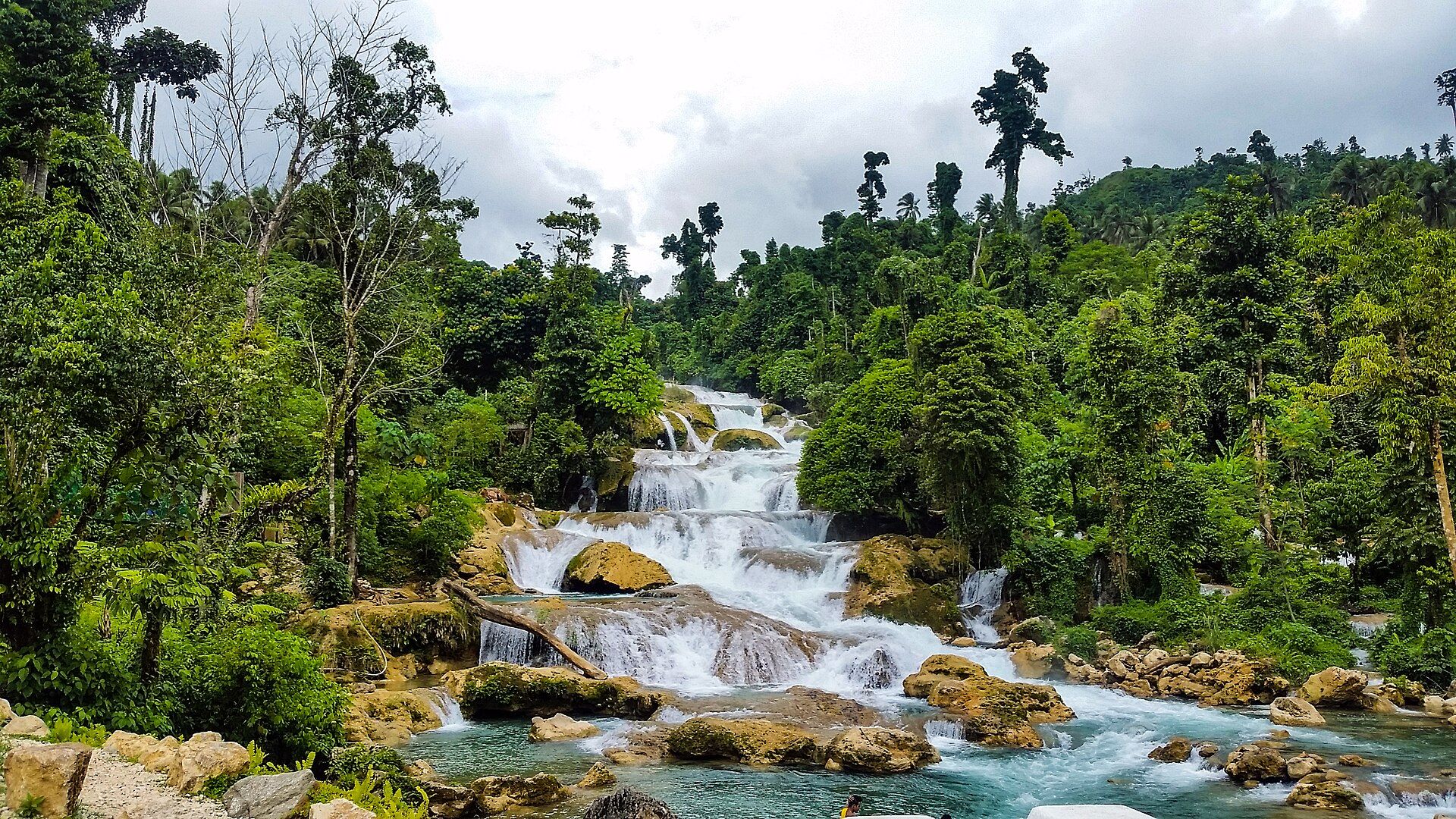
Aliwagwag Falls, Cateel, Davao Oriental, Mindanao

Aliwagwag Falls

Cateel, Davao Oriental, Mindanao

A towering 'stairway' waterfall in eastern Mindanao where the Cateel River tumbles down a long series of cascades — often described as a natural staircase of dozens of tiers dropping through rainforest.

Apo Island Marine Sanctuary, Dauin, Negros Oriental, Philippines

Apo Island Marine Sanctuary

Dauin, Negros Oriental, Philippines

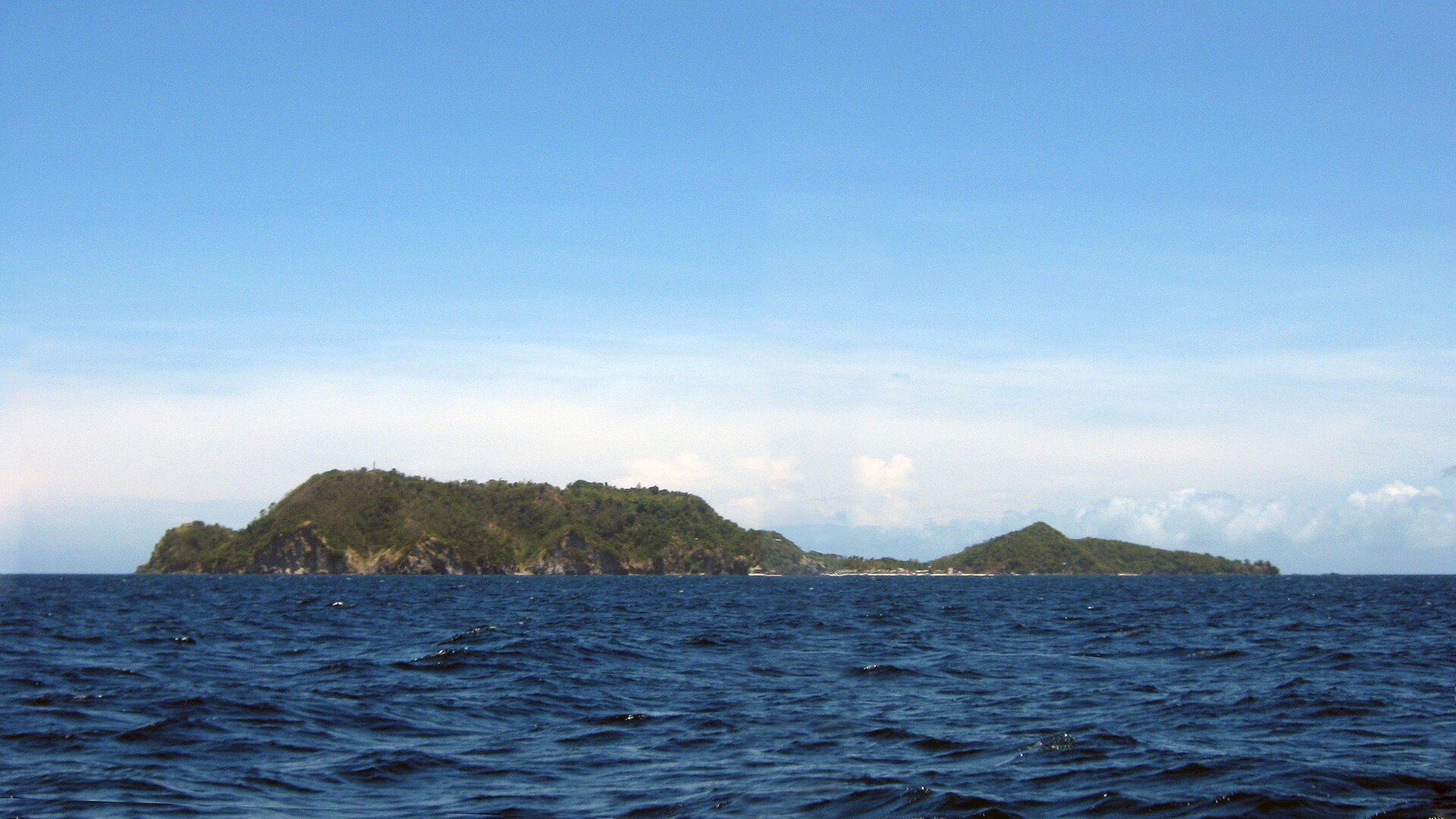
A small volcanic island off Negros ringed by one of the world's most celebrated community-run marine sanctuaries — famous for resident green sea turtles grazing over coral just off the beach.

Apo Reef Natural Park, Occidental Mindoro, Philippines

Apo Reef Natural Park

Occidental Mindoro, Philippines

The largest contiguous coral reef in the Philippines and the second-largest in the world — an isolated 34-square-kilometre atoll of coral, lagoon, and mangrove in the Mindoro Strait, teeming with sharks, turtles, and rays.

Balabac Islands, Balabac, southern Palawan

Balabac Islands

Balabac, southern Palawan

A remote cluster of islands off Palawan's southern tip, ringed by blindingly white and faintly pink sandbars, clear shallow lagoons, and some of the last dugong (sea cow) habitat in the country.

Balicasag Island, Panglao, Bohol, Central Visayas

Balicasag Island

Panglao, Bohol, Central Visayas

A tiny coral island off Bohol ringed by a protected marine sanctuary famous for its dramatic reef wall, resident sea turtles, and swirling schools of jackfish — one of the country's premier diving and snorkelling sites.

Banaue & the Ifugao Rice Terraces, Ifugao, Cordillera, Philippines

Banaue & the Ifugao Rice Terraces
Ifugao, Cordillera, Philippines

Two thousand years of hand-built rice terraces climbing the Cordillera mountainsides — a living landscape of stone-and-mud paddies, fed by an intricate forest-and-irrigation system, often called the 'Eighth Wonder of the World'.
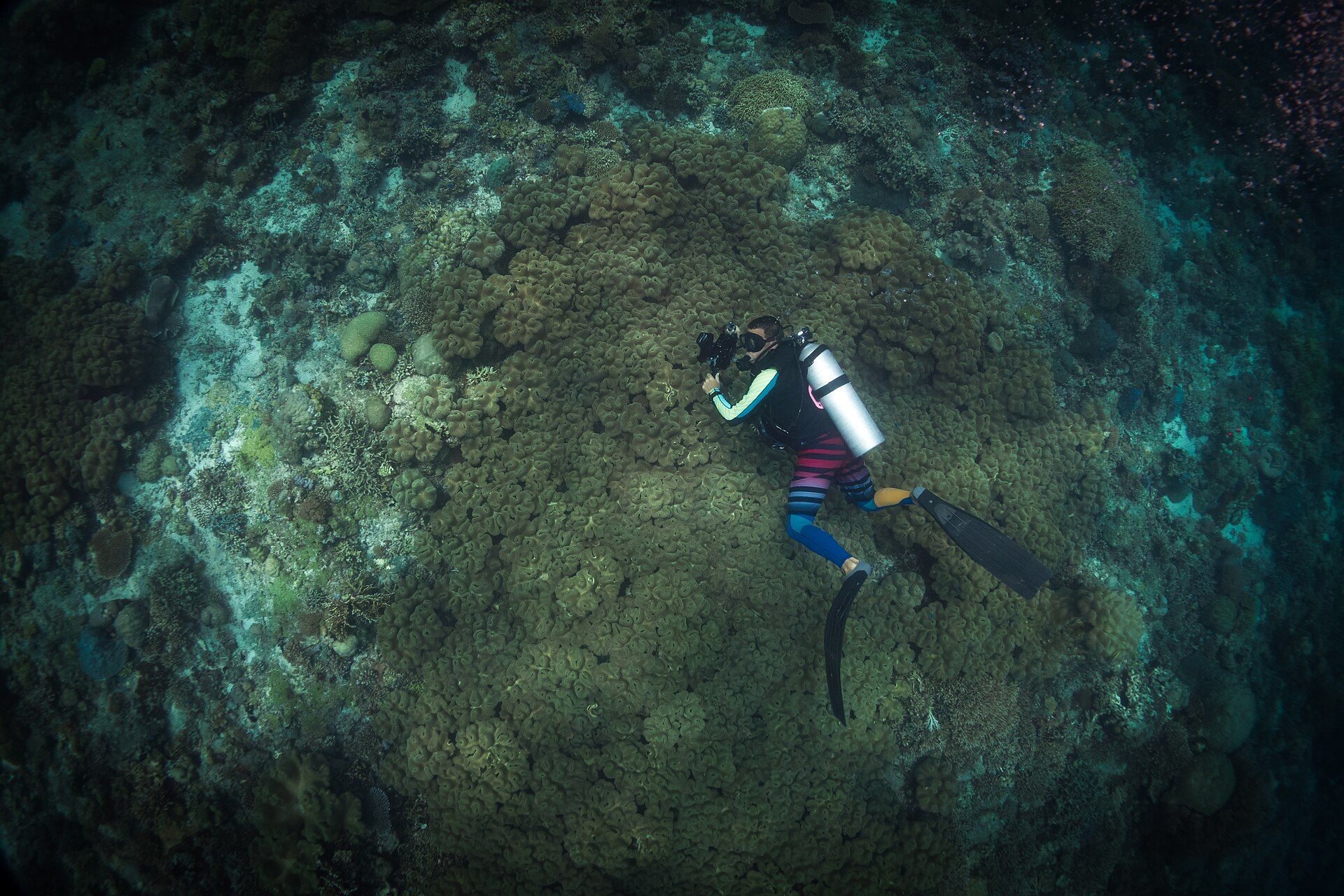
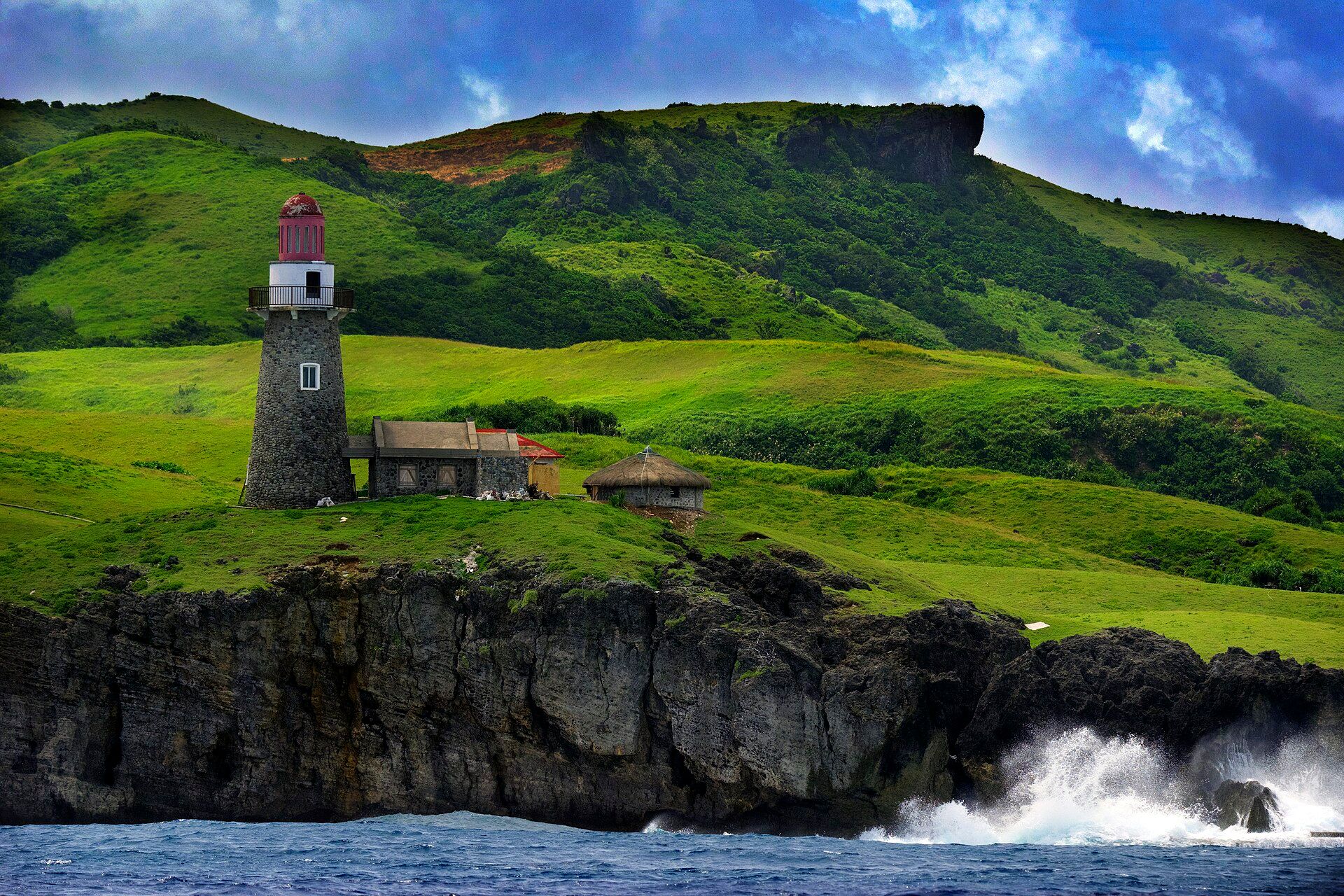
Batanes, Batanes, northernmost Philippines

Batanes

Batanes, northernmost Philippines

The country's northernmost islands — rolling emerald hills that meet the sea in dramatic cliffs, stone villages built to withstand typhoons, and a windswept beauty utterly unlike the tropical lowlands.

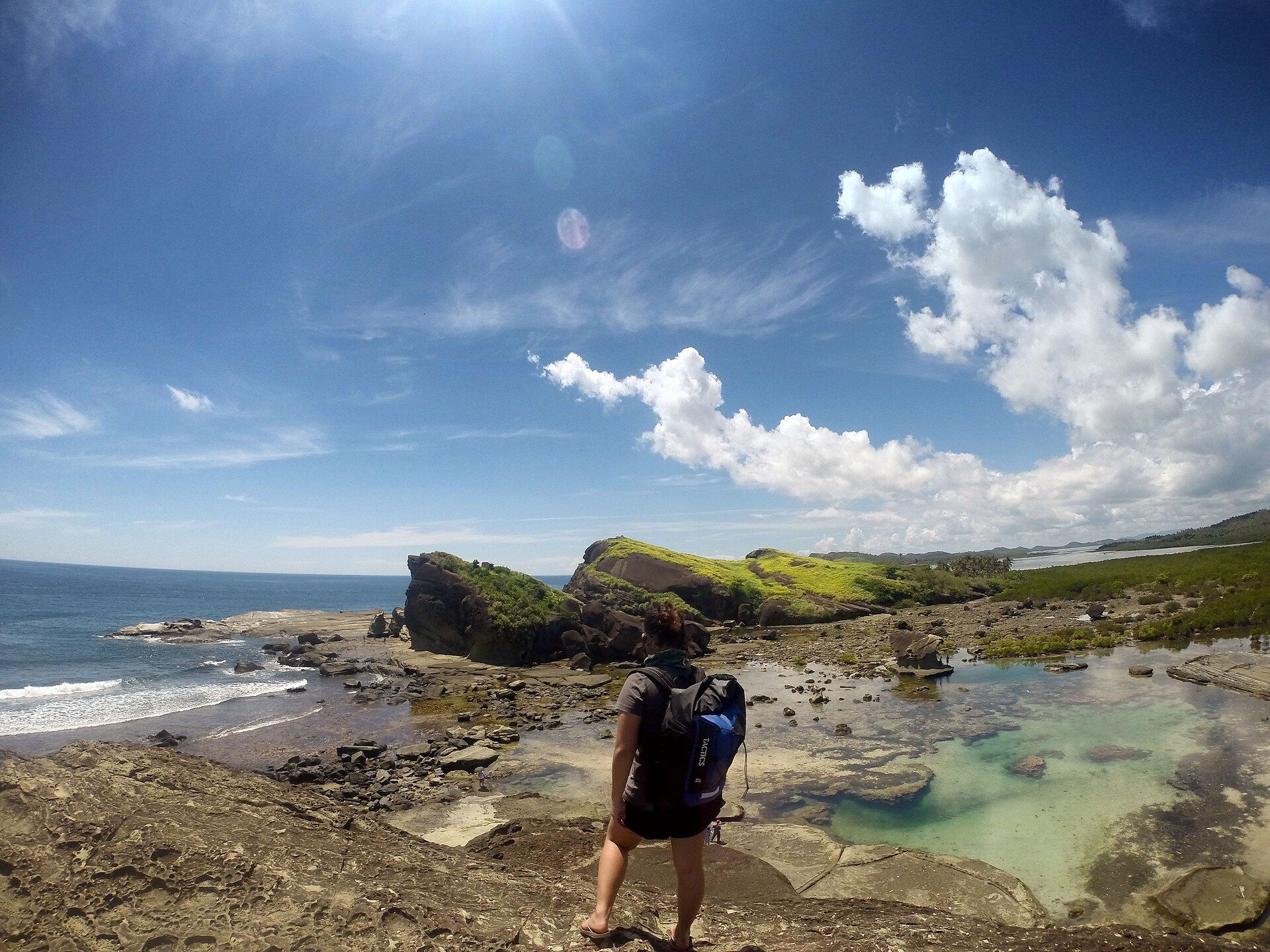
Biri Rock Formations, Biri Island, Northern Samar, Eastern Visayas

Biri Rock Formations

Biri Island, Northern Samar, Eastern Visayas

Massive sandstone rock formations on a remote island where the Pacific Ocean meets the ferocious San Bernardino Strait — sculpted over millennia into cliffs, arches, and tidal pools battered by giant waves.

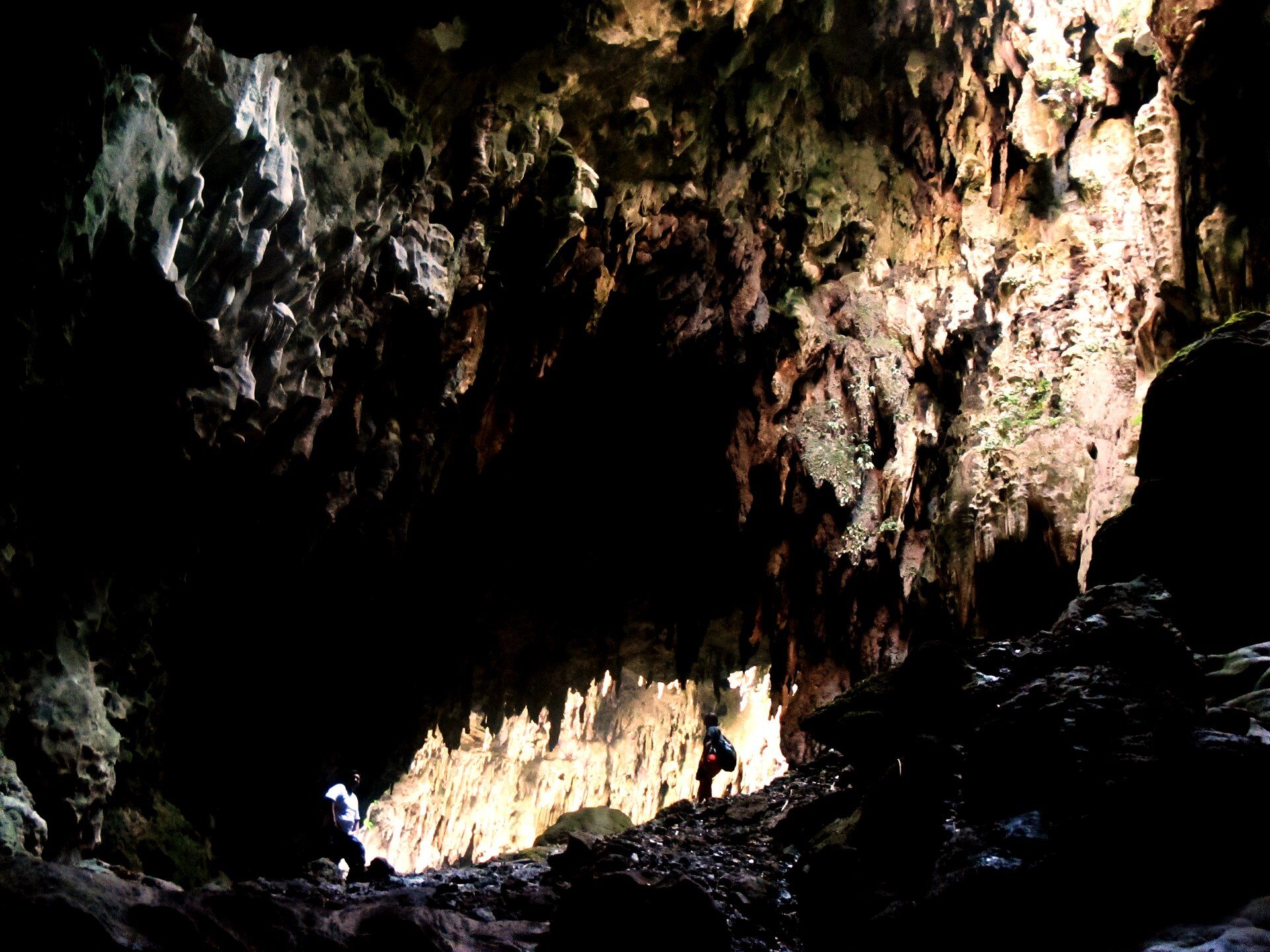
Callao Cave, Peñablanca, Cagayan, Northern Luzon

Callao Cave

Peñablanca, Cagayan, Northern Luzon

A vast limestone cave of seven great chambers lit by natural skylights — and the site where the ancient human species Homo luzonensis was discovered, deep in the karst of the Cagayan Valley.

Camiguin & White Island, Camiguin, Northern Mindanao

Camiguin & White Island

Camiguin, Northern Mindanao

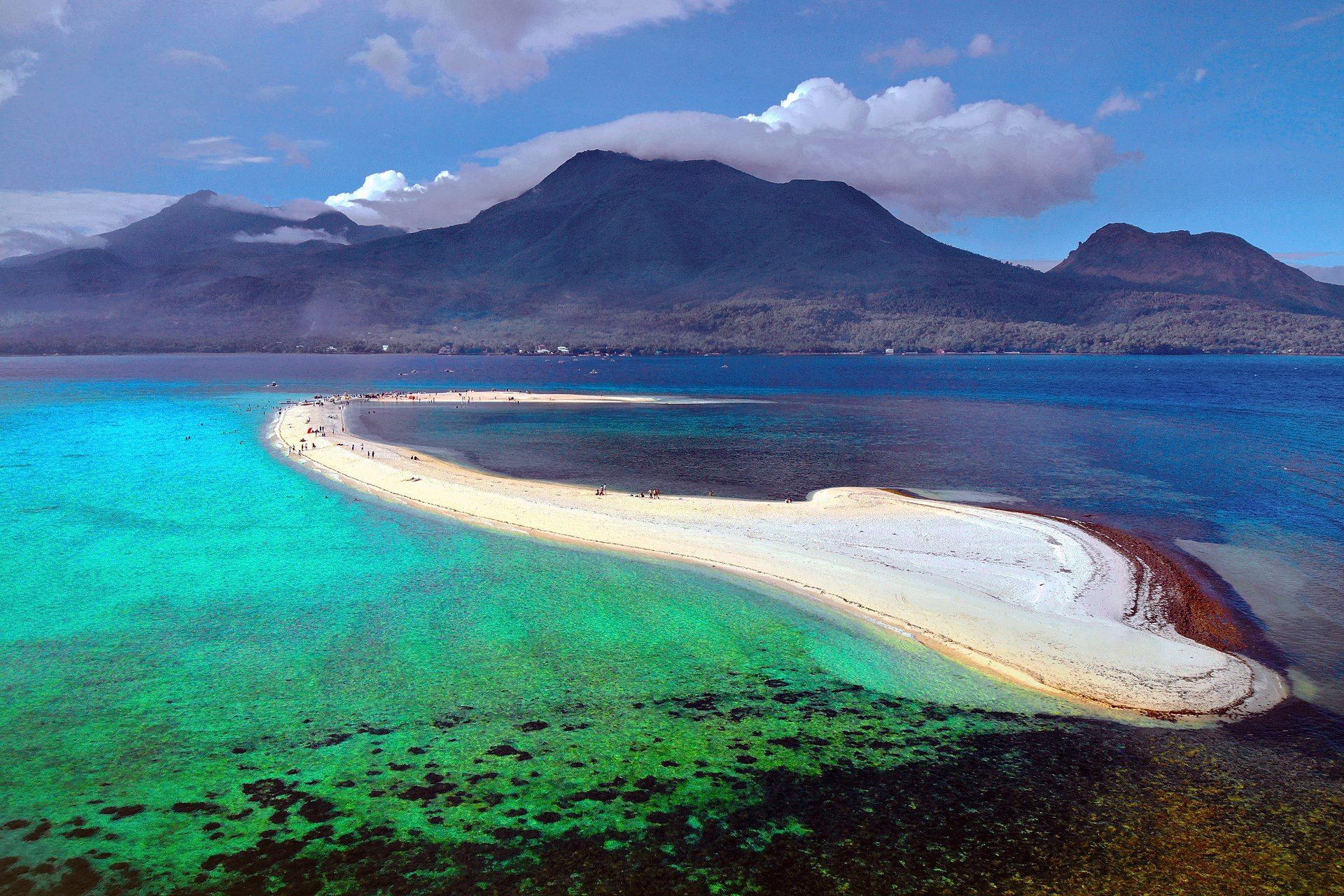
A small volcanic island 'born of fire and water' — home to more volcanoes per square kilometre than anywhere in the country, ringed by hot and cold springs, waterfalls, and the bare white sandbar of White Island offshore.

Chocolate Hills, Bohol, Central Visayas, Philippines

Chocolate Hills

Bohol, Central Visayas, Philippines

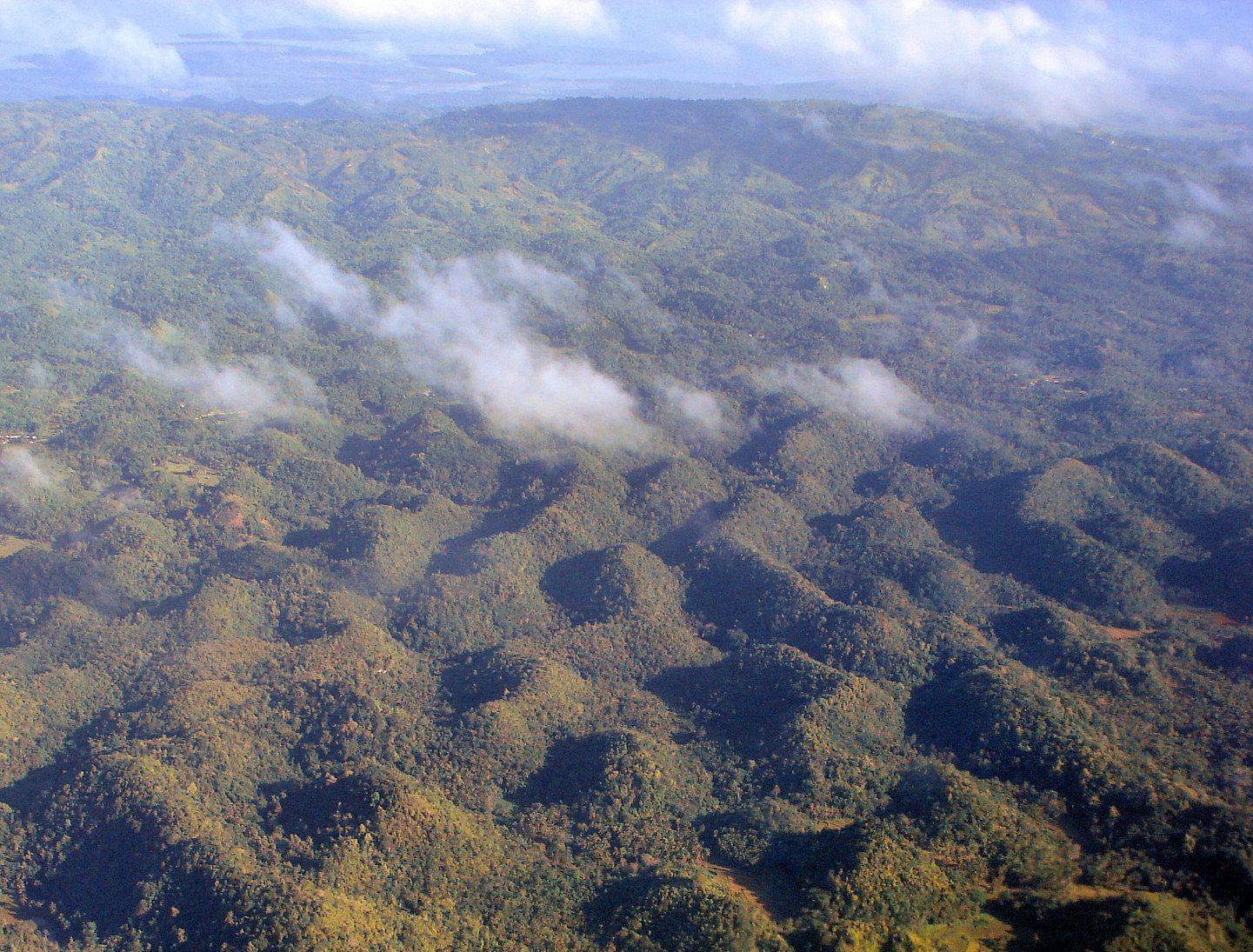
More than 1,200 near-symmetrical grass-covered mounds spread across the interior of Bohol, turning chocolate-brown each dry season — a karst landscape unlike anywhere else on Earth.

Donsol Whale Shark Sanctuary, Donsol, Sorsogon, Bicol Region

Donsol Whale Shark Sanctuary

Donsol, Sorsogon, Bicol Region

A quiet Bicol town whose plankton-rich bay draws seasonal gatherings of whale sharks — the world's largest fish — met on a strictly regulated, community-run, swim-alongside basis that pioneered ethical encounters in the Philippines.

Great Santa Cruz Island, Zamboanga City, Zamboanga Peninsula, Mindanao

Great Santa Cruz Island

Zamboanga City, Zamboanga Peninsula, Mindanao

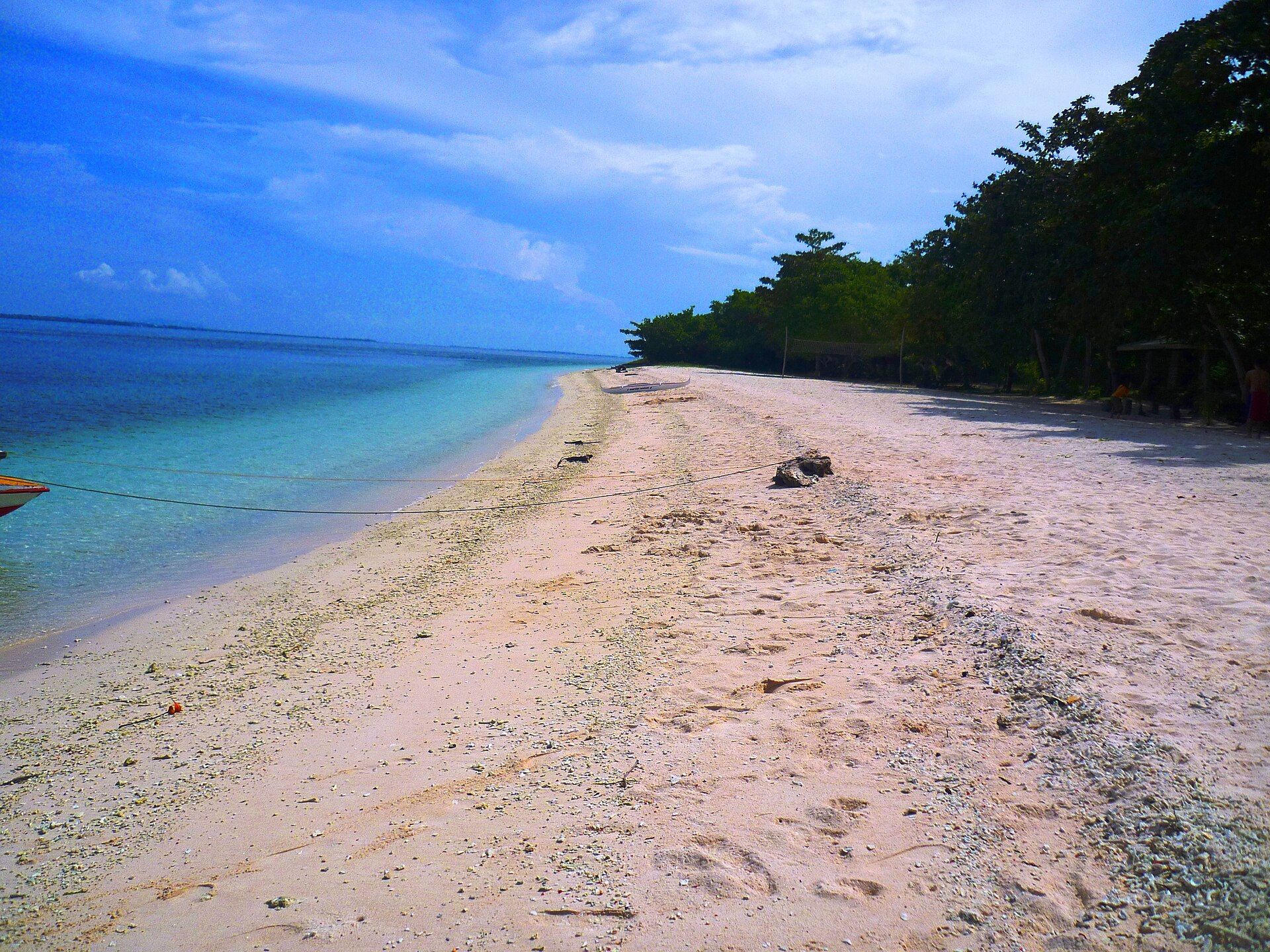
One of the few pink-sand beaches in the world — a protected island off Zamboanga City whose blush-coloured shore comes from crushed red organ-pipe coral, backed by a mangrove lagoon.

Hinatuan Enchanted River, Hinatuan, Surigao del Sur, Mindanao, Philippines

Hinatuan Enchanted River

Hinatuan, Surigao del Sur, Mindanao, Philippines

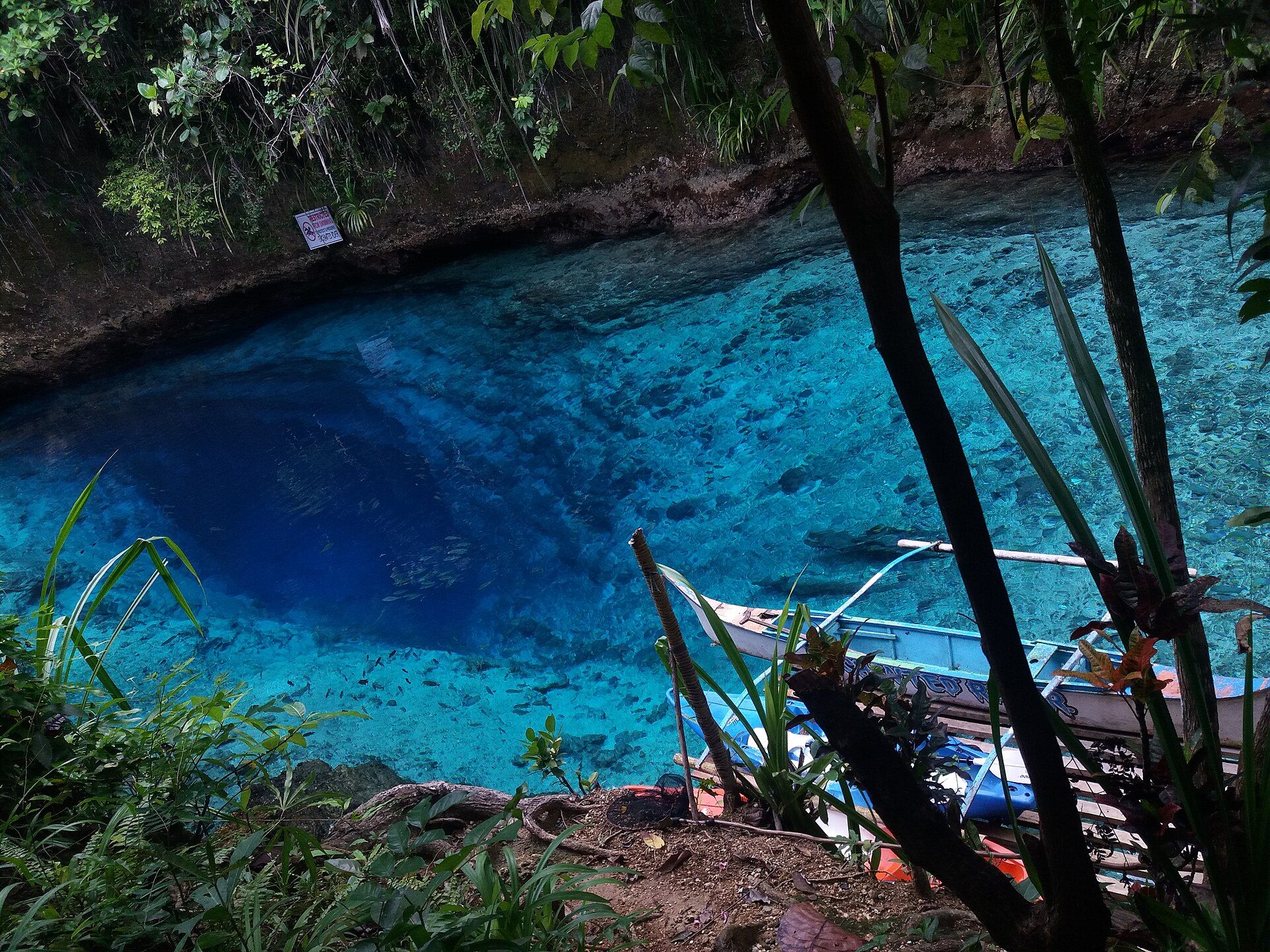
A short, astonishingly deep spring-fed river of sapphire and jade water that surfaces from an underground karst system and flows straight to the sea — its clarity and colour the product of geology, not legend.

Hundred Islands, Alaminos, Pangasinan, Philippines

Hundred Islands

Alaminos, Pangasinan, Philippines

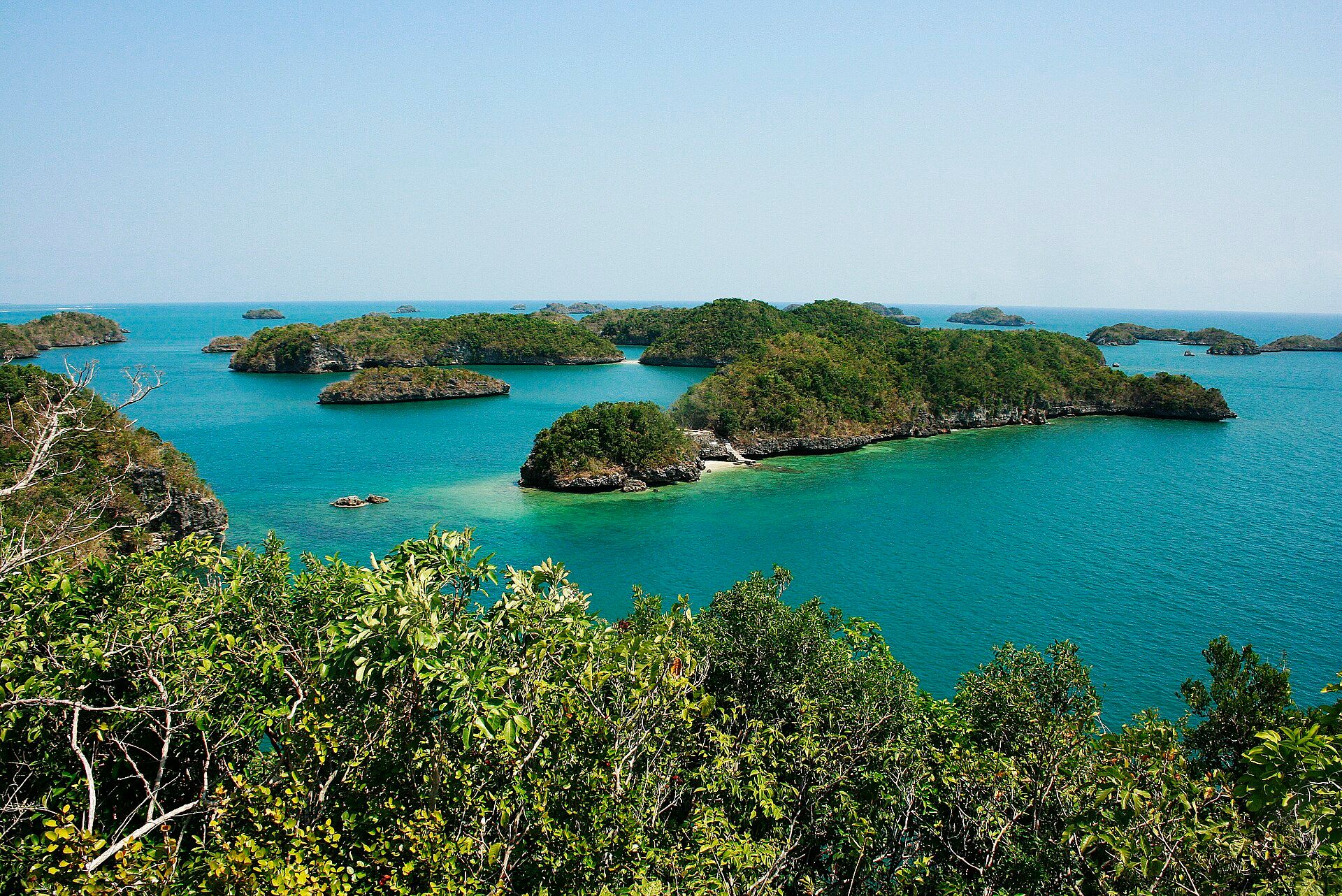
A scatter of 124 small, mushroom-shaped limestone islands in the Lingayen Gulf — ancient coral reef, uplifted and undercut by the sea into rounded green-capped islets you can hop between by boat.

Kalanggaman Island, Palompon, Leyte, Eastern Visayas

Kalanggaman Island

Palompon, Leyte, Eastern Visayas

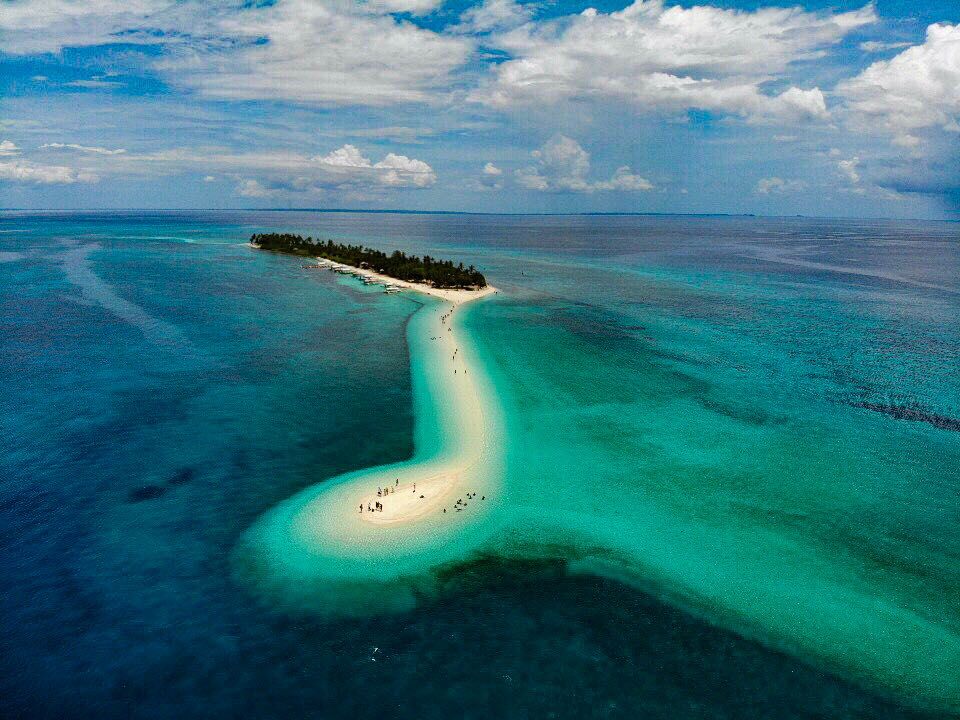
A slender, uninhabited coral island in the Camotes Sea famous for its long, curving white sandbar that trails off both ends into clear turquoise shallows — a near-perfect desert island.

Kawasan Falls, Badian, Cebu, Central Visayas, Philippines

Kawasan Falls

Badian, Cebu, Central Visayas, Philippines

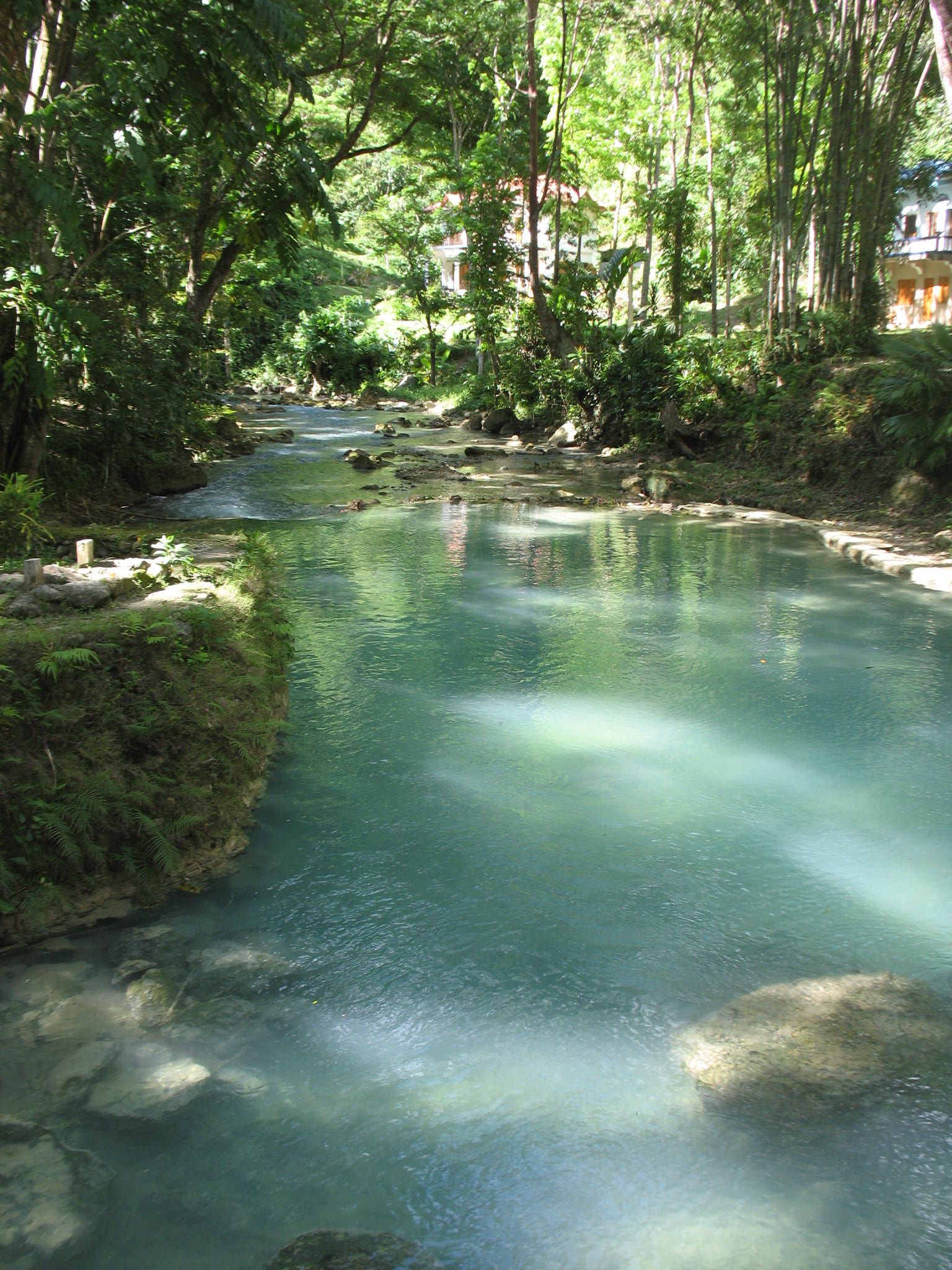
A tiered waterfall in southern Cebu whose pools glow an almost unreal turquoise — the colour a gift of the limestone the spring-fed river runs through on its way to the sea.

Kayangan Lake, Coron, Coron Island, Palawan, Philippines

Kayangan Lake, Coron

Coron Island, Palawan, Philippines

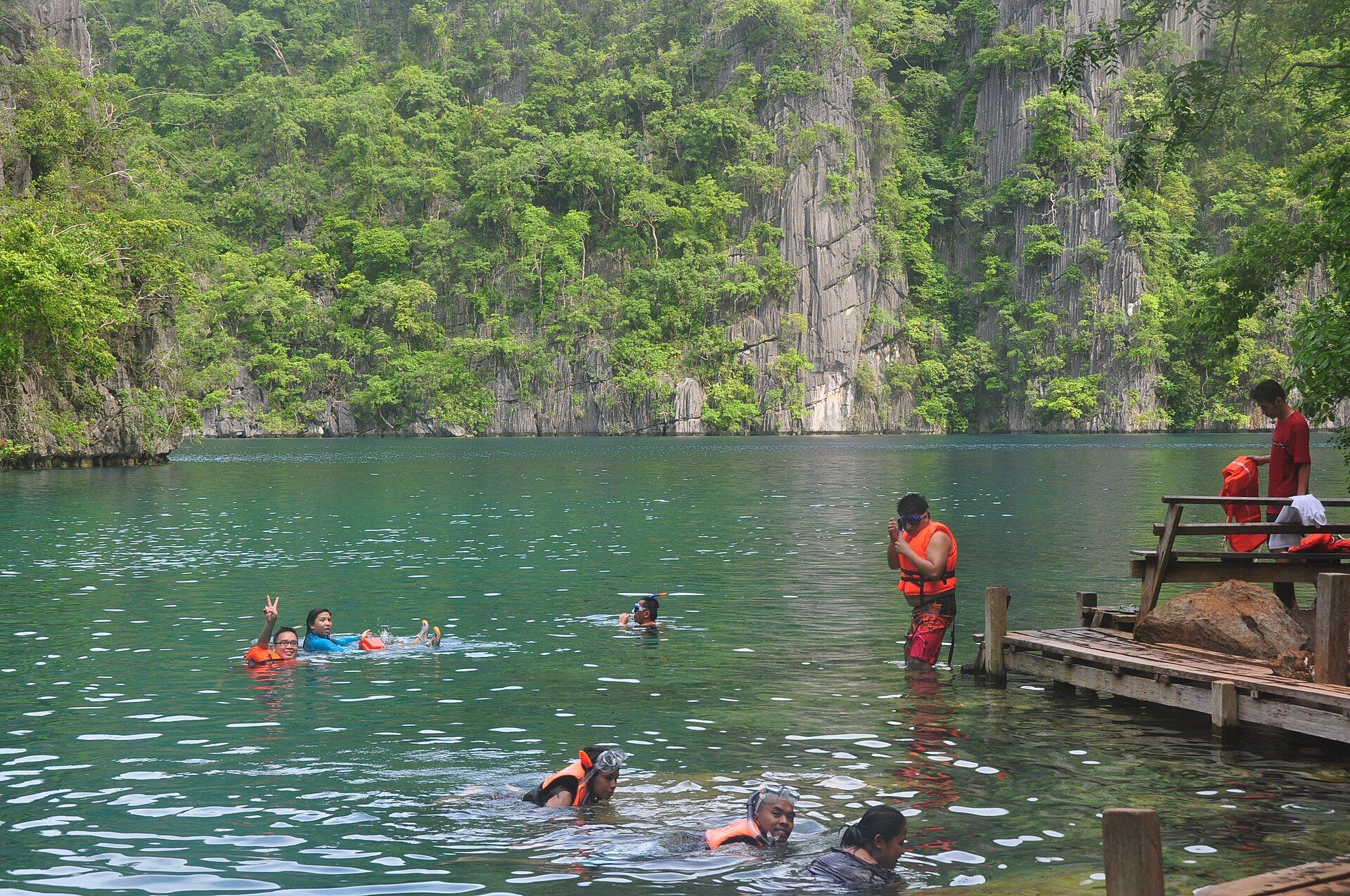
Often called the cleanest lake in the Philippines — a jewel-clear brackish lake cradled by limestone cliffs on Coron Island, reached by a short climb over a saddle with one of the country's most photographed viewpoints.

Lake Sebu & the Seven Falls, South Cotabato, Mindanao, Philippines

Lake Sebu & the Seven Falls

South Cotabato, Mindanao, Philippines

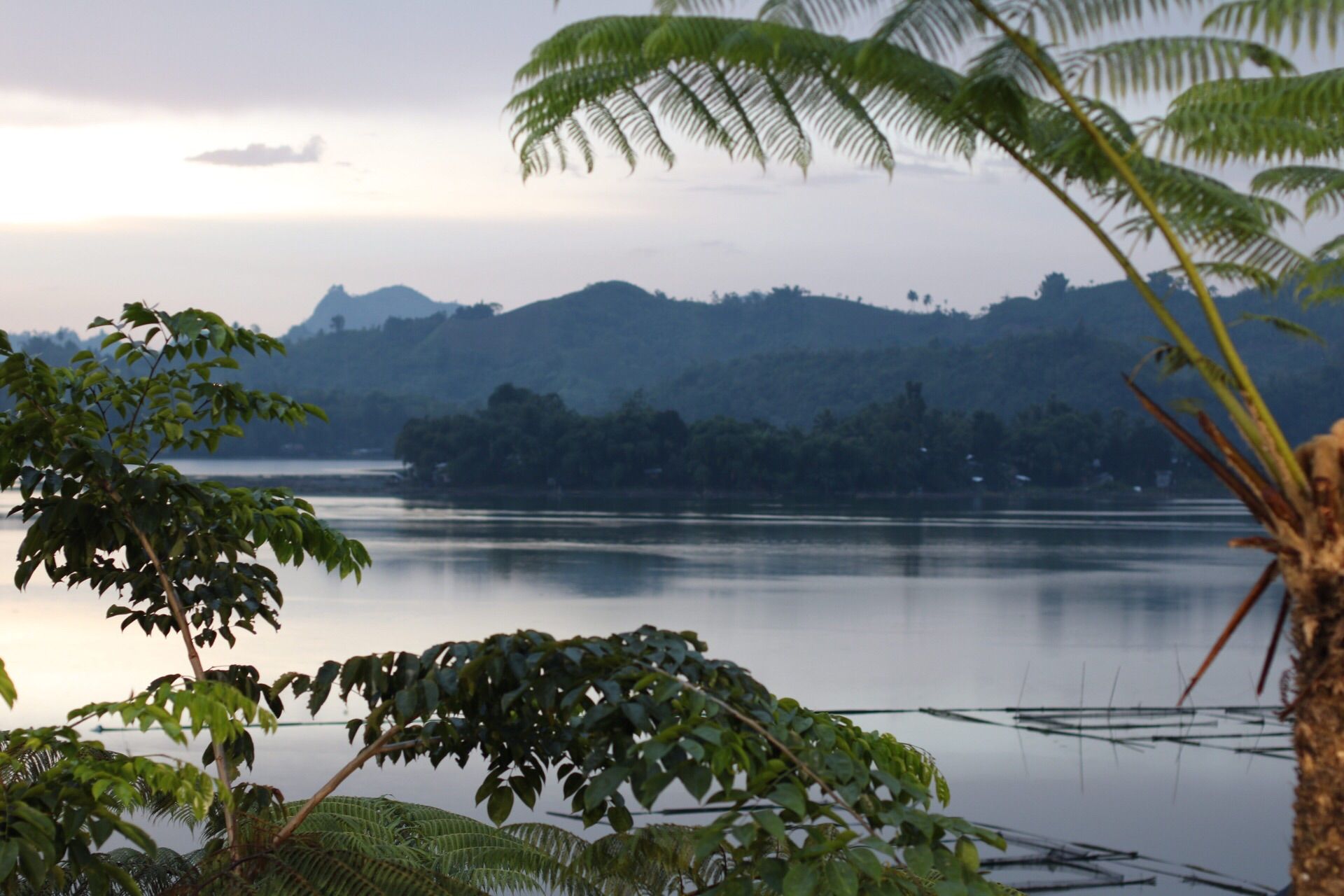
A serene highland lake wreathed in morning mist, feeding a chain of seven waterfalls through the mountains — the ancestral home of the T'boli people and one of Mindanao's most soulful landscapes.

Maria Cristina Falls, Iligan, Lanao del Norte, Mindanao

Maria Cristina Falls

Iligan, Lanao del Norte, Mindanao

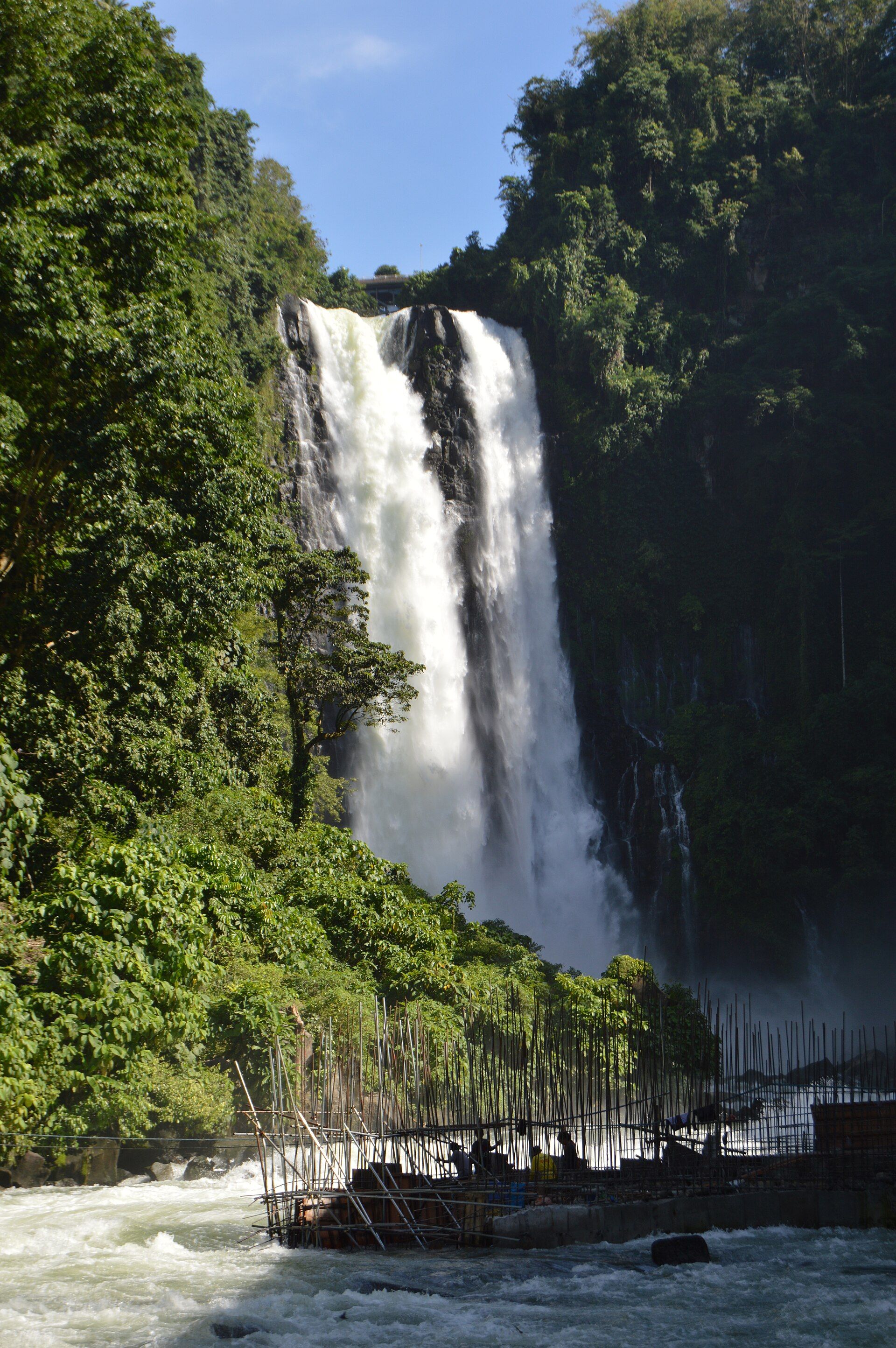
A powerful twin waterfall on the Agus River — nearly 100 metres of thundering white water that both dazzles visitors and drives a hydroelectric plant powering much of Mindanao.

Masungi Georeserve, Baras, Rizal, Philippines

Masungi Georeserve

Baras, Rizal, Philippines

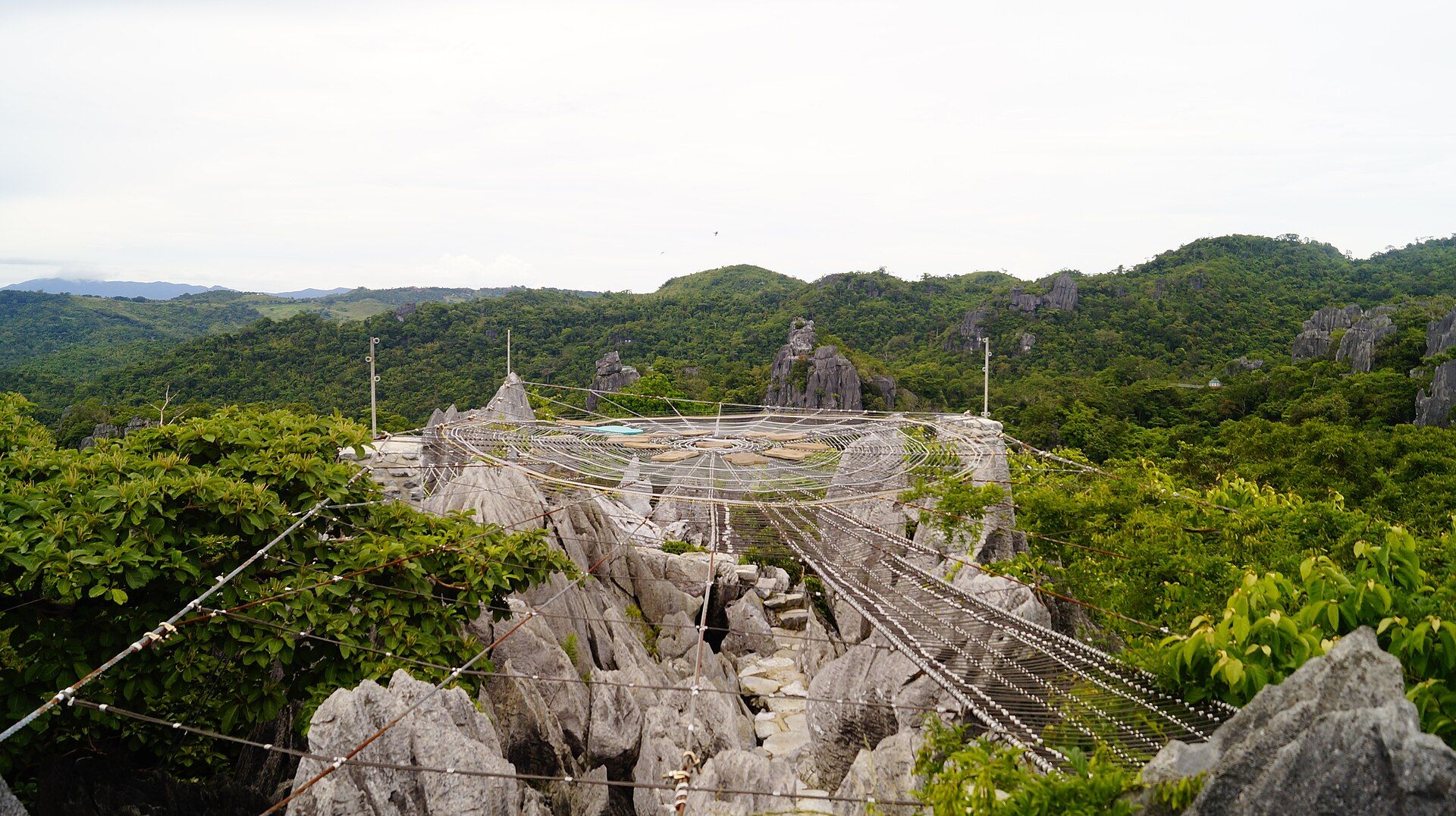
A dramatic limestone karst landscape barely 90 minutes from Manila, reborn as a conservation project — jagged rock formations, rope courses, and hanging viewpoints woven through a rainforest being restored tree by tree.

Mayon Volcano, Albay, Bicol Region, Philippines

Mayon Volcano

Albay, Bicol Region, Philippines

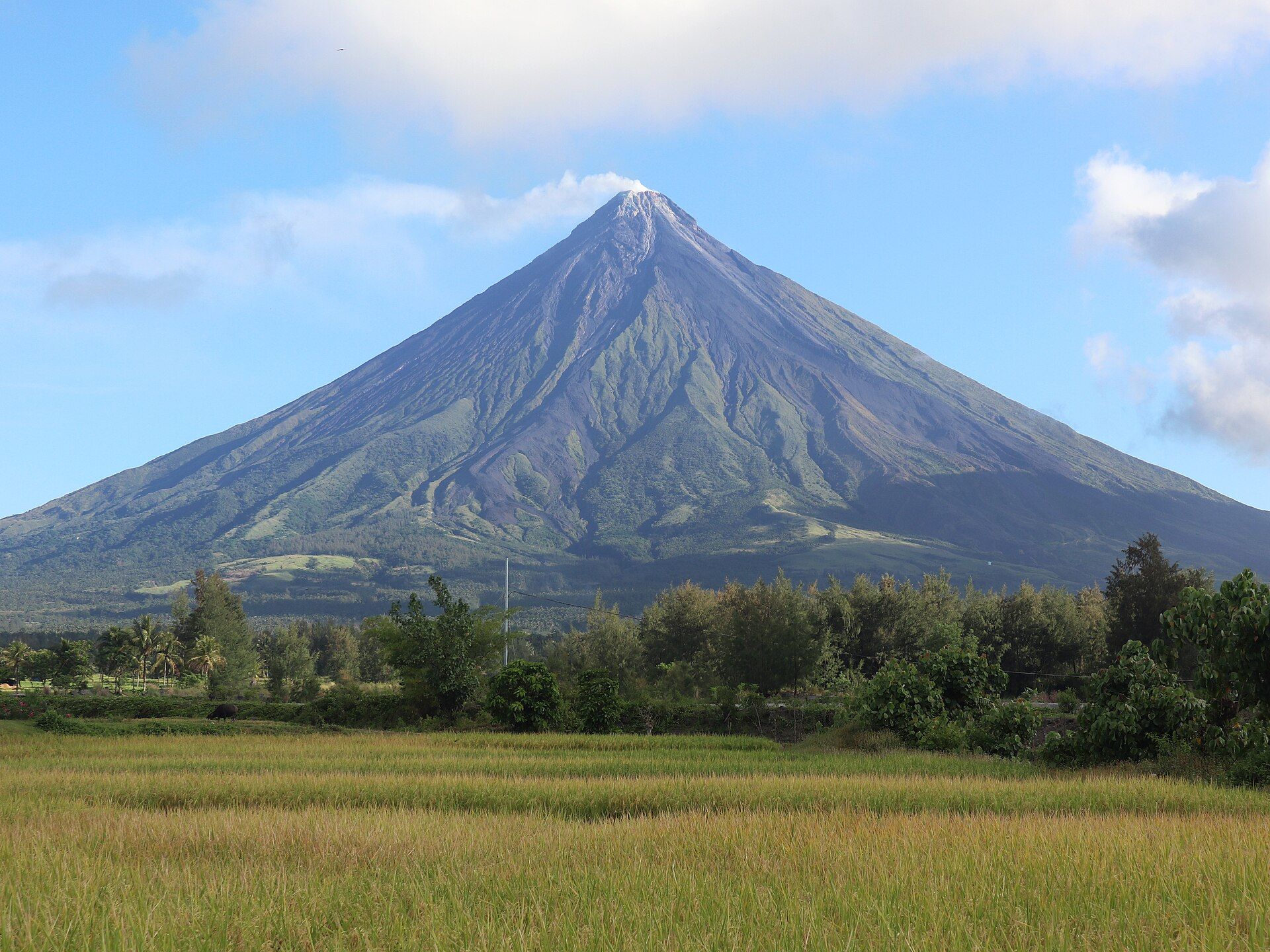
The Philippines' most active volcano and, by many accounts, the most perfectly symmetrical cone on Earth — a 2,463-metre stratovolcano that dominates the Bicol skyline and, as of mid-2026, is in active eruption.

Mount Apo, Davao del Sur / Cotabato, Mindanao, Philippines

Mount Apo

Davao del Sur / Cotabato, Mindanao, Philippines

The highest mountain in the Philippines at 2,954 metres — a potentially active volcano whose slopes hold sulfur vents, a summit boulder field, crater lakes, and one of the country's most important refuges for the Philippine eagle.

Mount Guiting-Guiting, Sibuyan Island, Romblon, MIMAROPA

Mount Guiting-Guiting

Sibuyan Island, Romblon, MIMAROPA

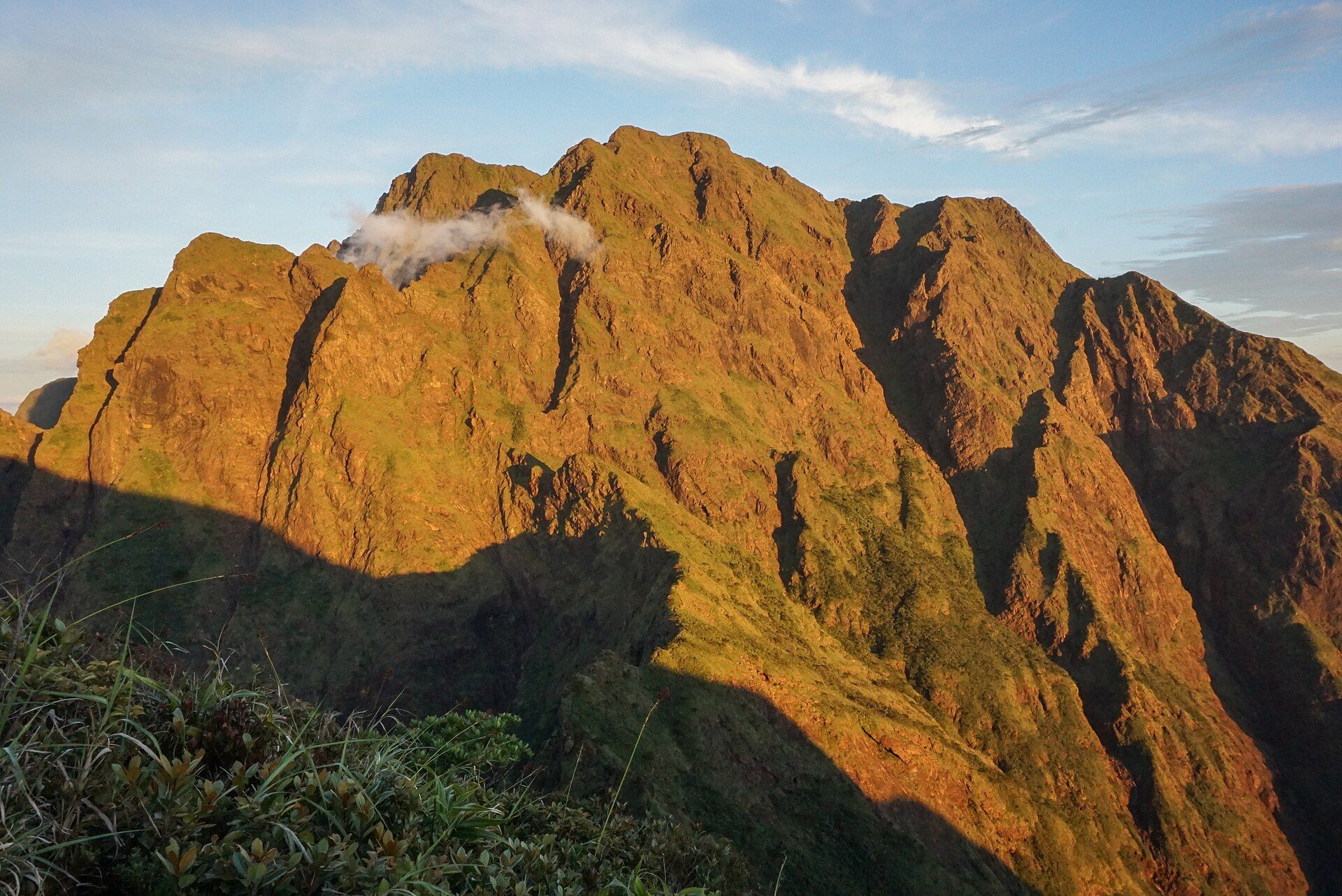
A jagged, saw-toothed peak crowning Sibuyan — an island so ecologically intact it's called the 'Galápagos of Asia' — offering one of the most technical and rewarding climbs in the Philippines.

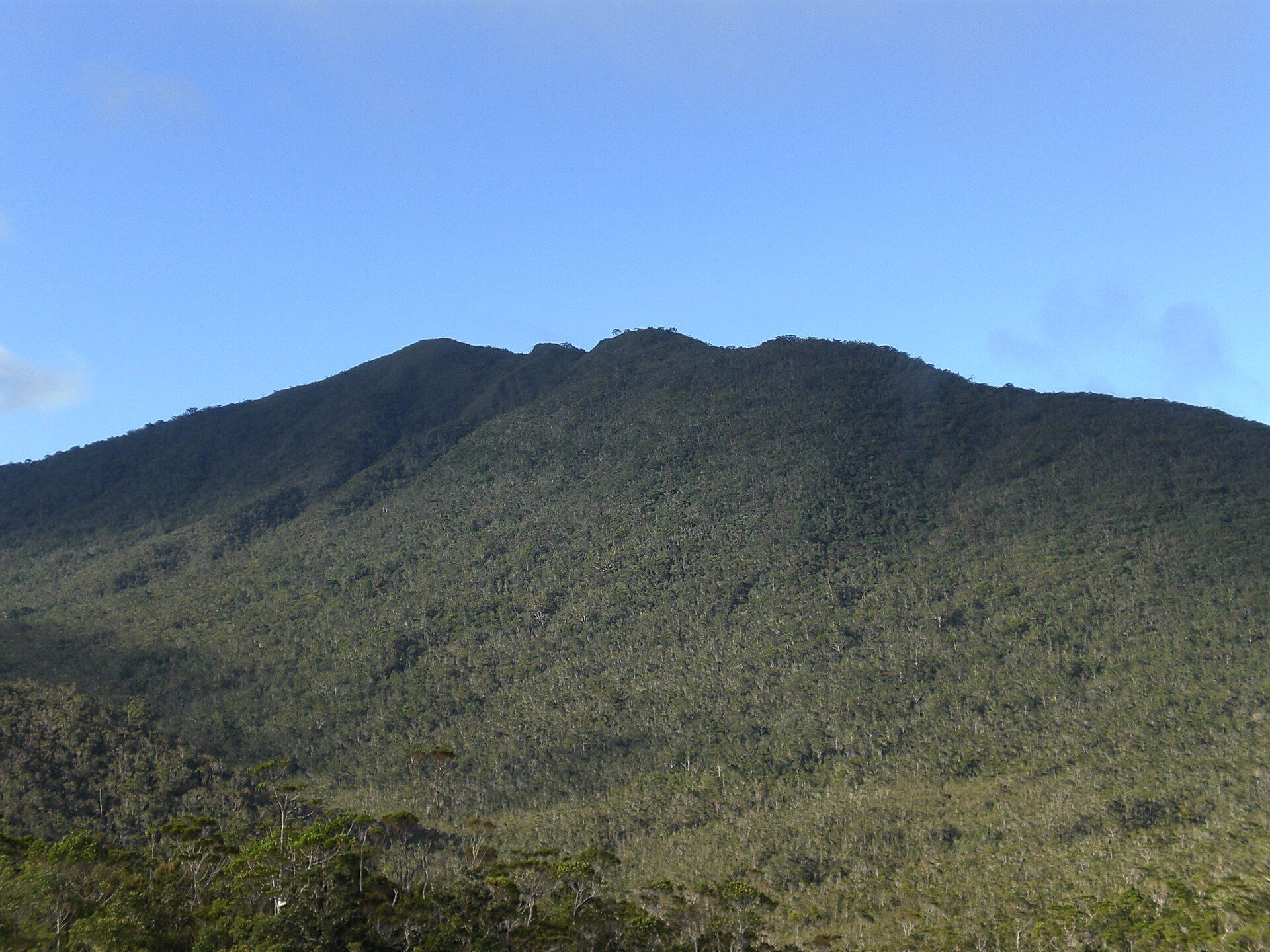
Mount Hamiguitan Range, Davao Oriental, Mindanao

Mount Hamiguitan Range

Davao Oriental, Mindanao

A UNESCO World Heritage wildlife sanctuary famous for its eerie 'pygmy forest' of century-old bonsai-sized trees growing on mineral-rich soil — a hotspot of endemic species, from pitcher plants to the Philippine eagle.

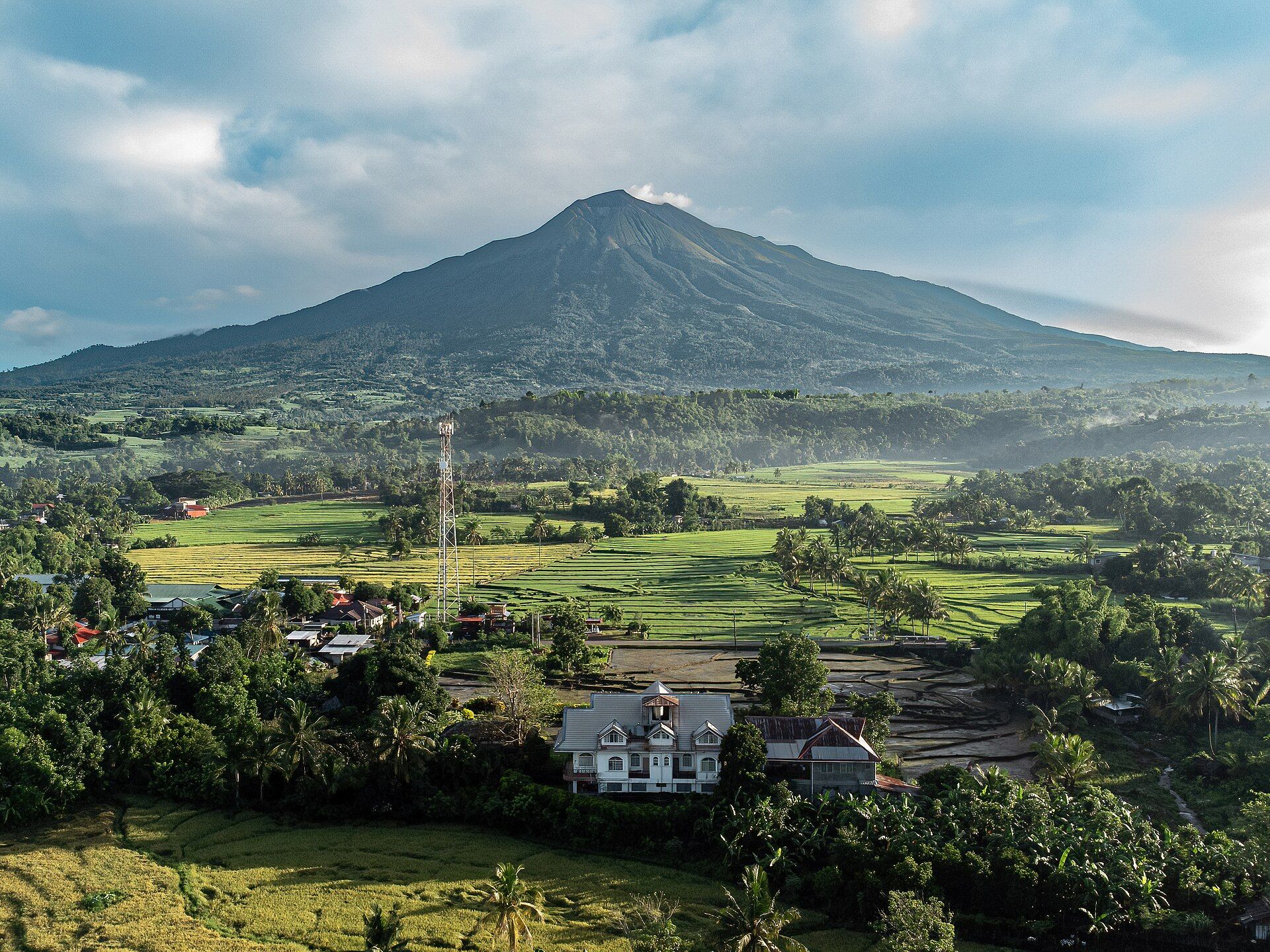
Mount Kanlaon, Negros Island, Central Visayas / Negros Island Region

Mount Kanlaon

Negros Island, Central Visayas / Negros Island Region

The highest peak in the central Philippines and one of the country's most active volcanoes — a forested stratovolcano crowning Negros, ringed by a national park rich in endemic wildlife.

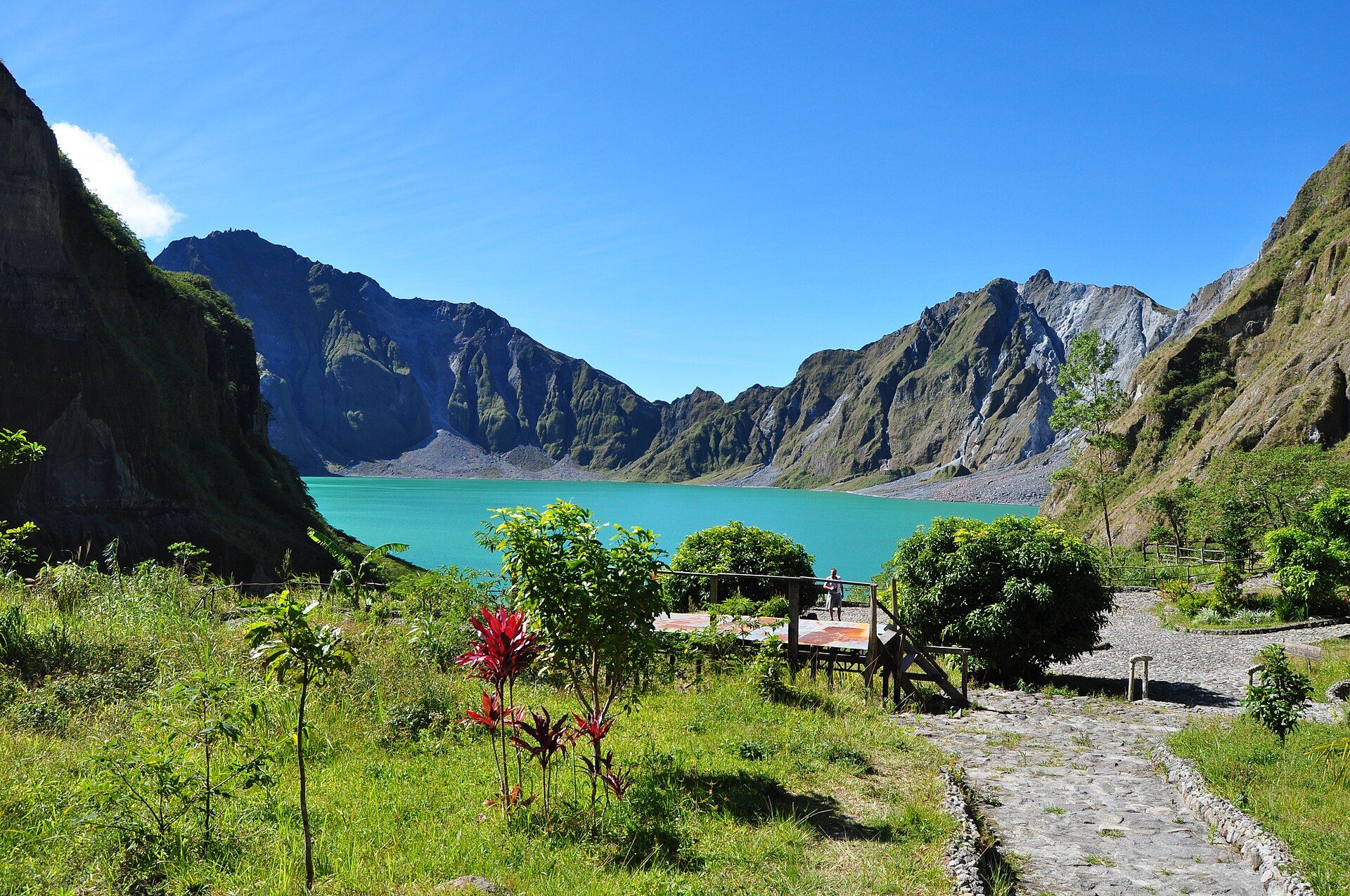
Mount Pinatubo Crater Lake, Zambales / Tarlac / Pampanga, Luzon, Philippines

Mount Pinatubo Crater Lake

Zambales / Tarlac / Pampanga, Luzon, Philippines

The volcano behind the second-largest eruption of the 20th century now cradles a serene turquoise crater lake — reached by a 4x4 ride across ash-grey lahar canyons and a short hike to the rim.

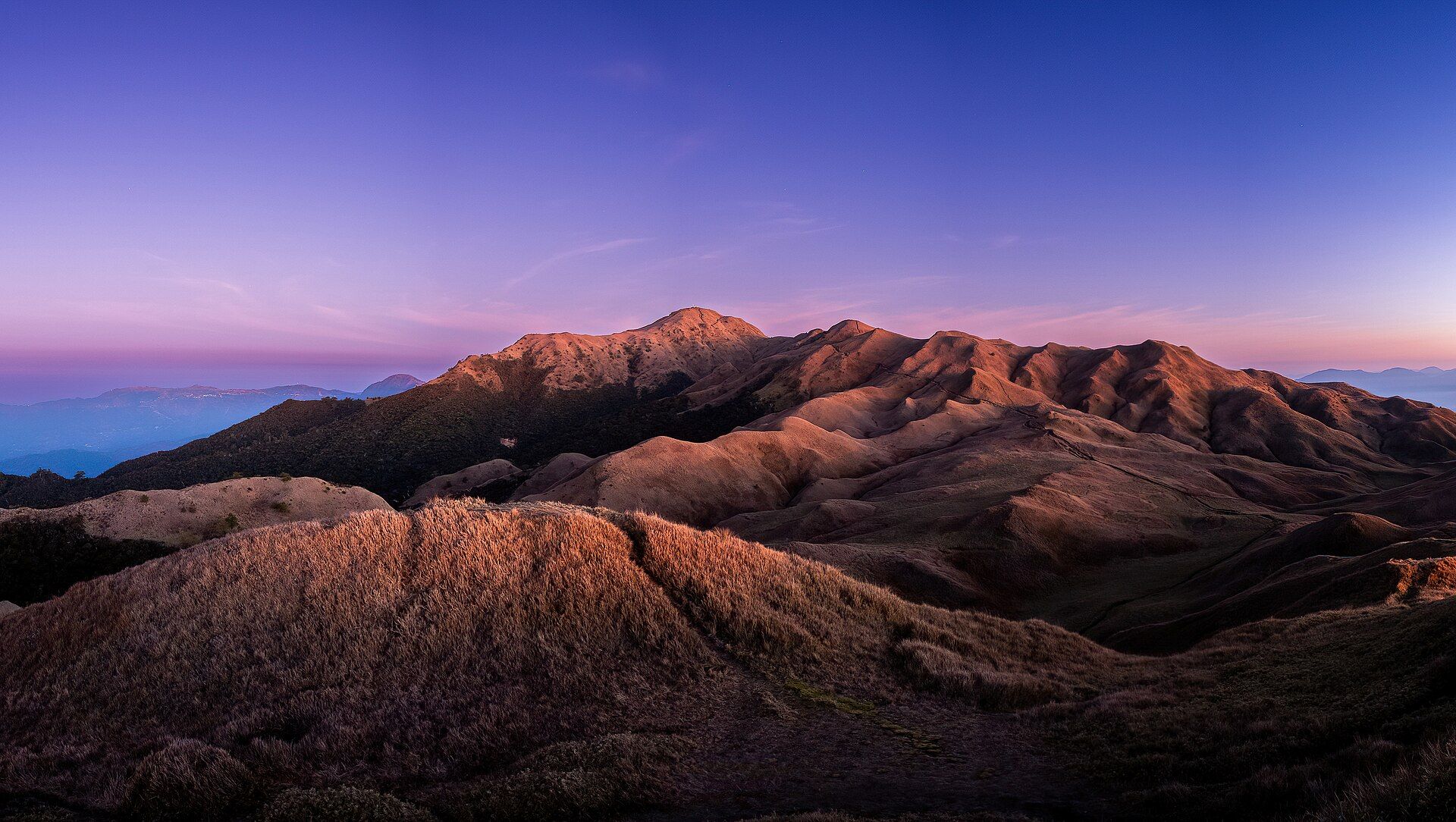
Mount Pulag, Benguet, Cordillera, Philippines

Mount Pulag

Benguet, Cordillera, Philippines

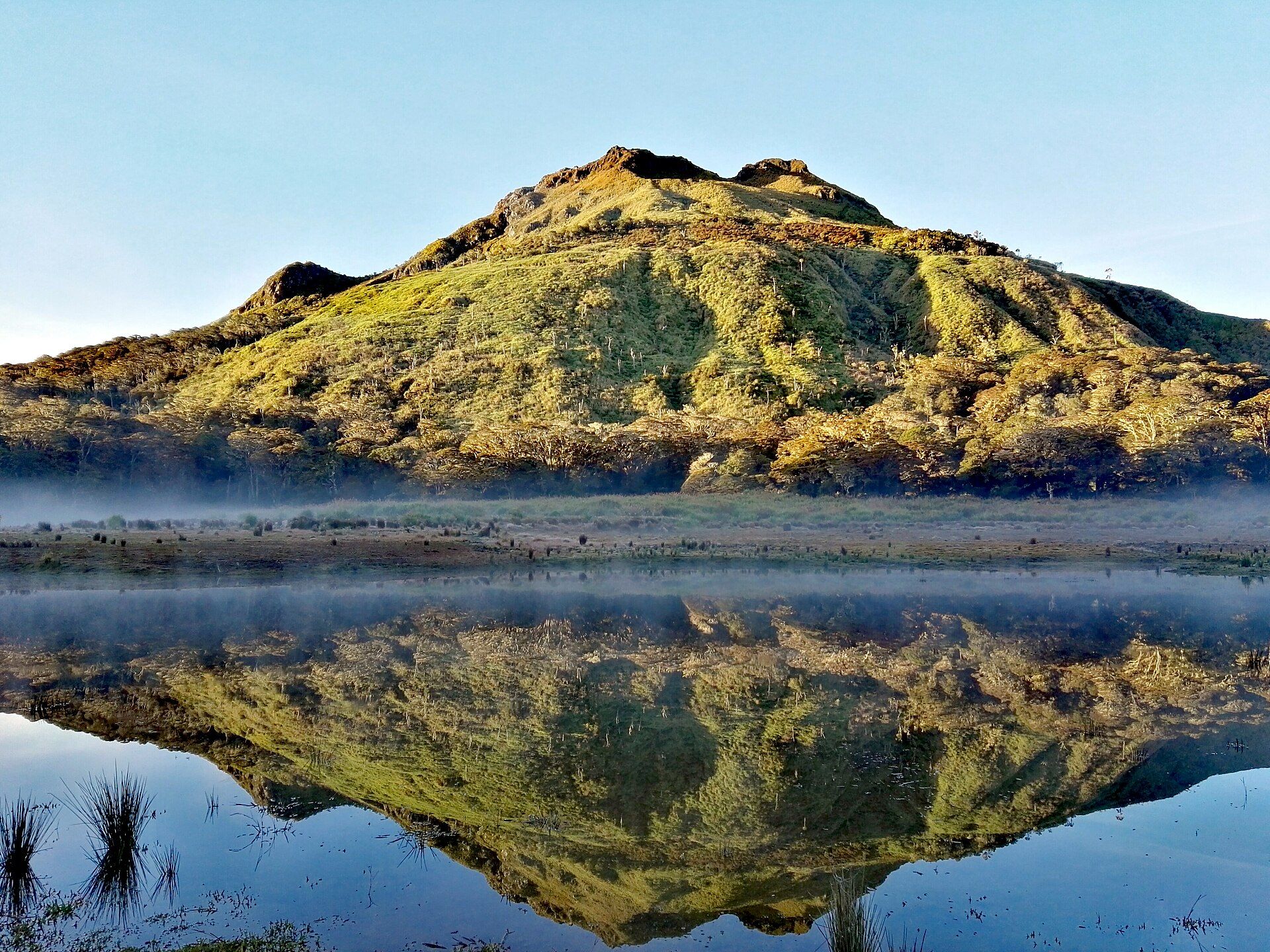
Luzon's highest peak at 2,922 metres, famous for its dawn 'sea of clouds' — a rolling white ocean seen from a summit of dwarf bamboo grassland high in the Cordillera.

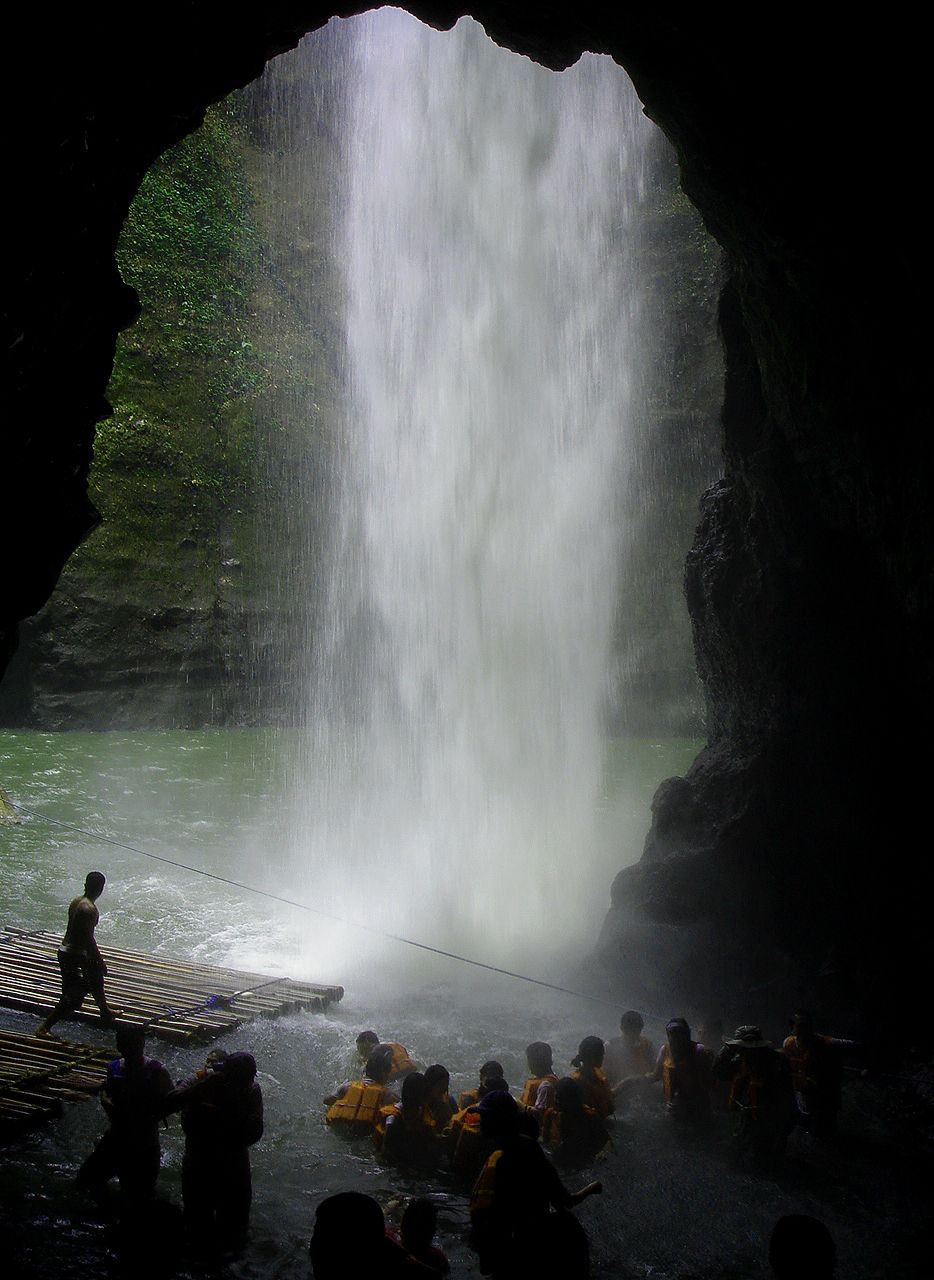
Pagsanjan Falls, Pagsanjan / Cavinti, Laguna, Southern Luzon

Pagsanjan Falls

Pagsanjan / Cavinti, Laguna, Southern Luzon

One of Luzon's most famous waterfalls, reached by a thrilling paddled canoe journey up a gorge of jungle cliffs and rapids — where skilled boatmen 'shoot the rapids' back downstream.

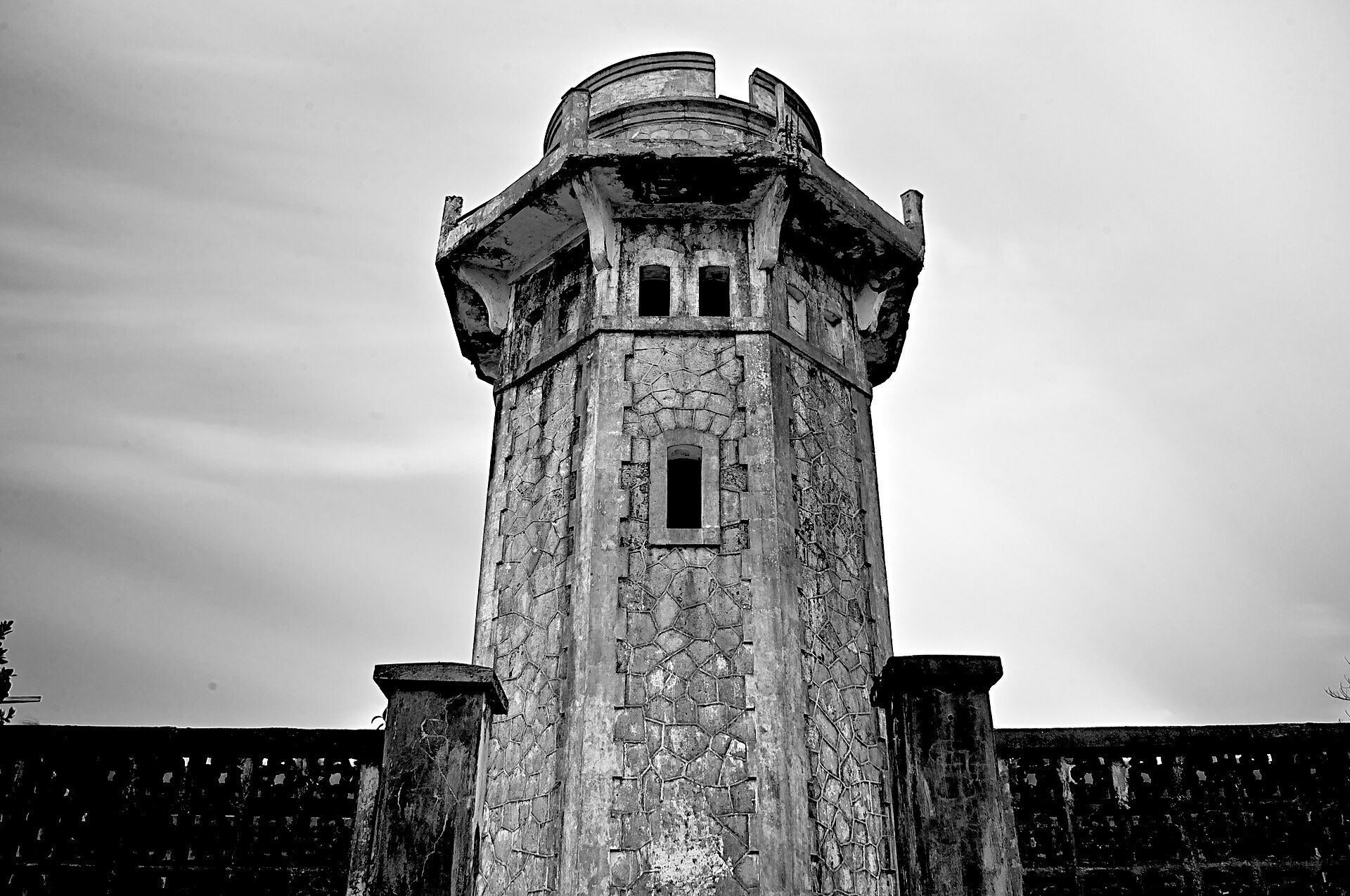
Palaui Island, Santa Ana, Cagayan, Northern Luzon

Palaui Island

Santa Ana, Cagayan, Northern Luzon

A wild, protected island off the northeastern tip of Luzon — rolling green headlands, empty beaches, and a Spanish-era lighthouse on the dramatic Cape Engaño cliffs above the meeting of two seas.

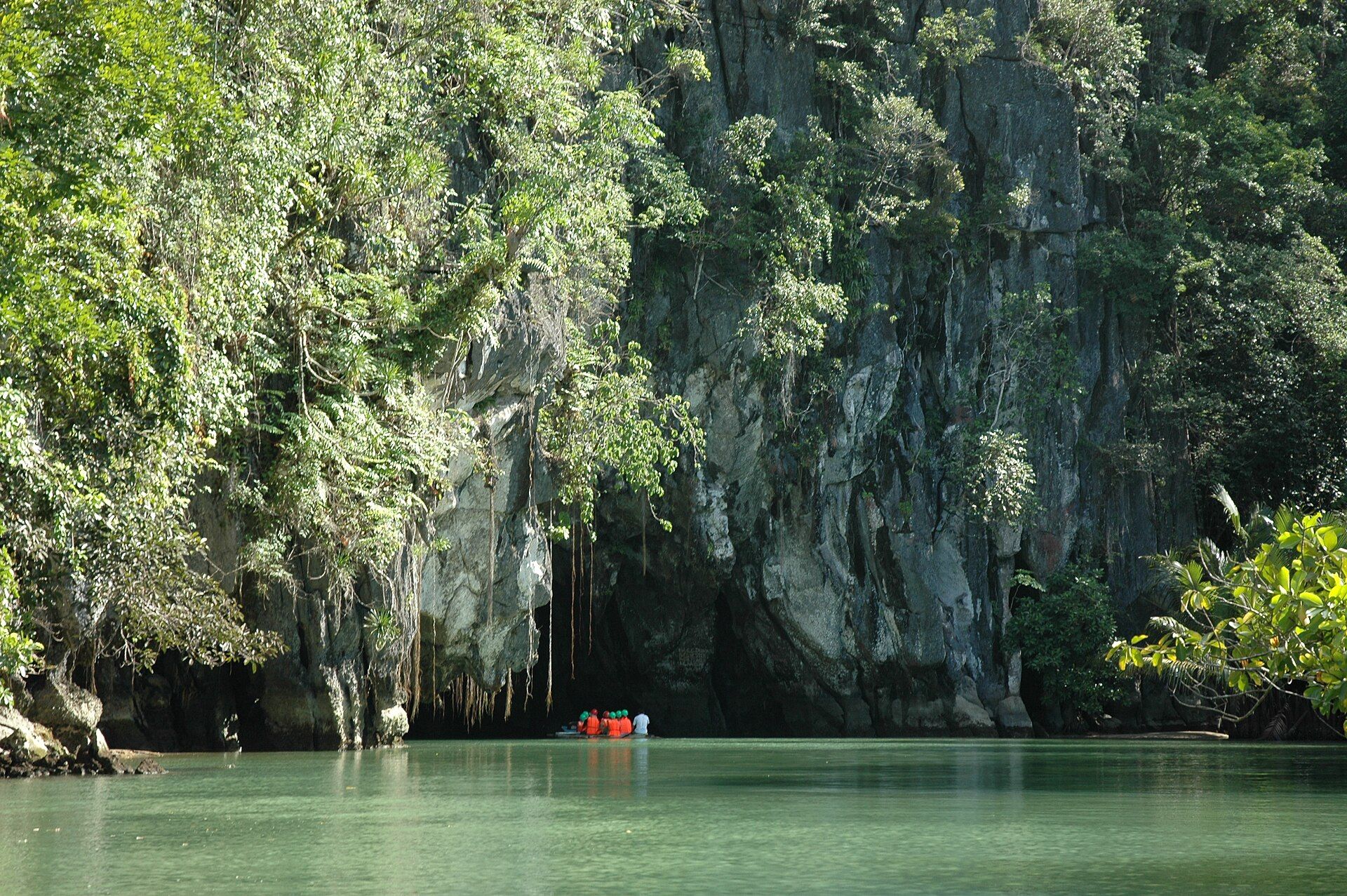
Puerto Princesa Subterranean River, Puerto Princesa, Palawan, Philippines

Puerto Princesa Subterranean River

Puerto Princesa, Palawan, Philippines

One of the world's longest navigable underground rivers, winding 8.2 km through a vast limestone cave system beneath a karst mountain range before emptying directly into the West Philippine Sea.

Siargao & Sugba Lagoon, Surigao del Norte, Mindanao, Philippines

Siargao & Sugba Lagoon

Surigao del Norte, Mindanao, Philippines

A tear-drop island of surf, palm forest, and mangrove — home to the famous Cloud 9 reef break, the glassy Sugba Lagoon, tidal rock pools, and one of the largest mangrove reserves in the country.

Sohoton Cove & Jellyfish Sanctuary, Bucas Grande, Surigao del Norte, Mindanao, Philippines

Sohoton Cove & Jellyfish Sanctuary

Bucas Grande, Surigao del Norte, Mindanao, Philippines

A hidden lagoon system on Bucas Grande Island, entered through a sea cave passable only at low tide, sheltering stingless jellyfish, karst-walled coves, and cliffs you can leap from into deep clear water.

Taal Volcano & Lake, Batangas, Calabarzon, Philippines

Taal Volcano & Lake

Batangas, Calabarzon, Philippines

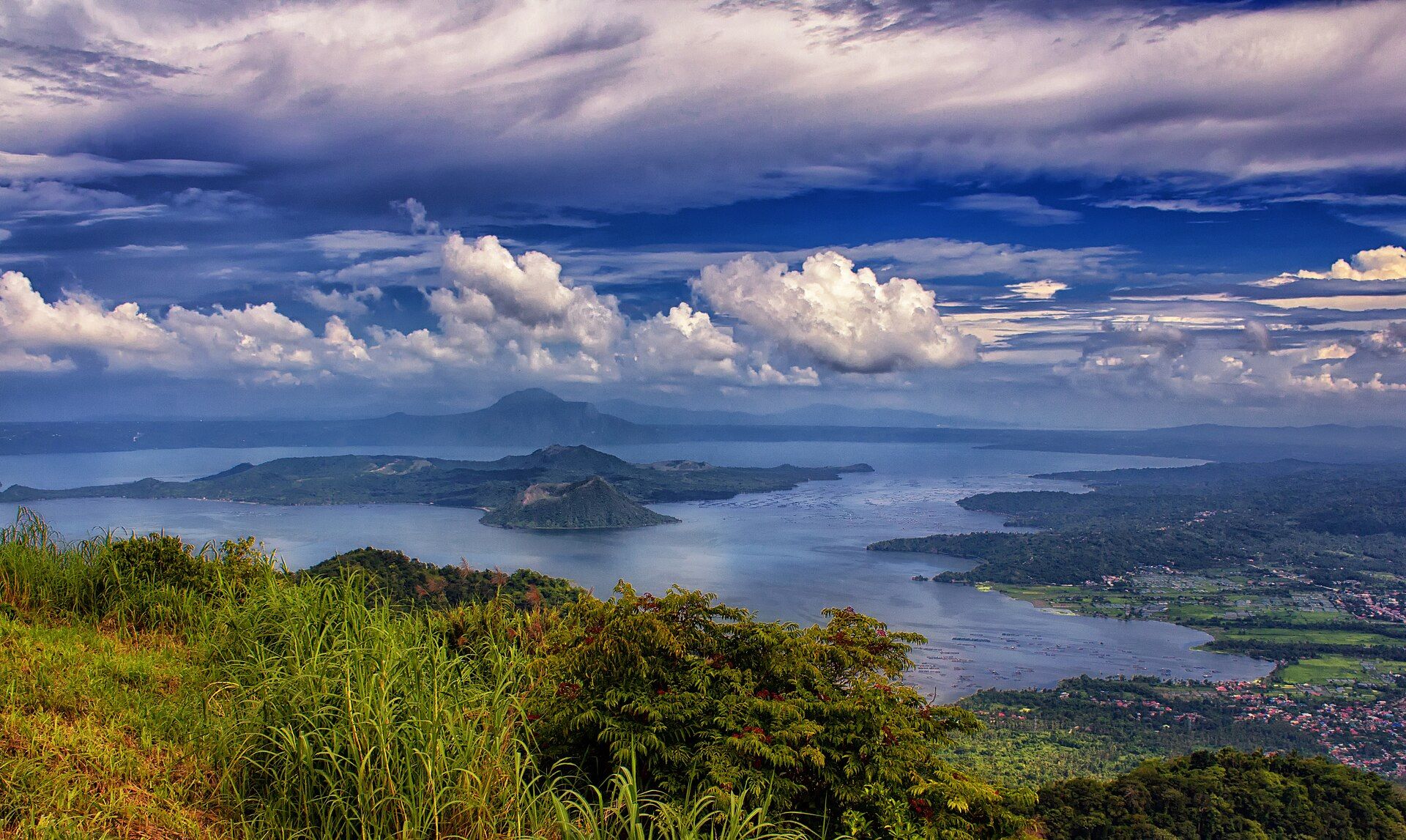
A volcano within a lake within a volcano — one of the world's smallest and most active volcanoes, sitting on an island inside a crater lake that fills a far larger ancient caldera, just south of Manila.

Tinuy-an Falls, Bislig, Surigao del Sur, Mindanao, Philippines

Tinuy-an Falls

Bislig, Surigao del Sur, Mindanao, Philippines

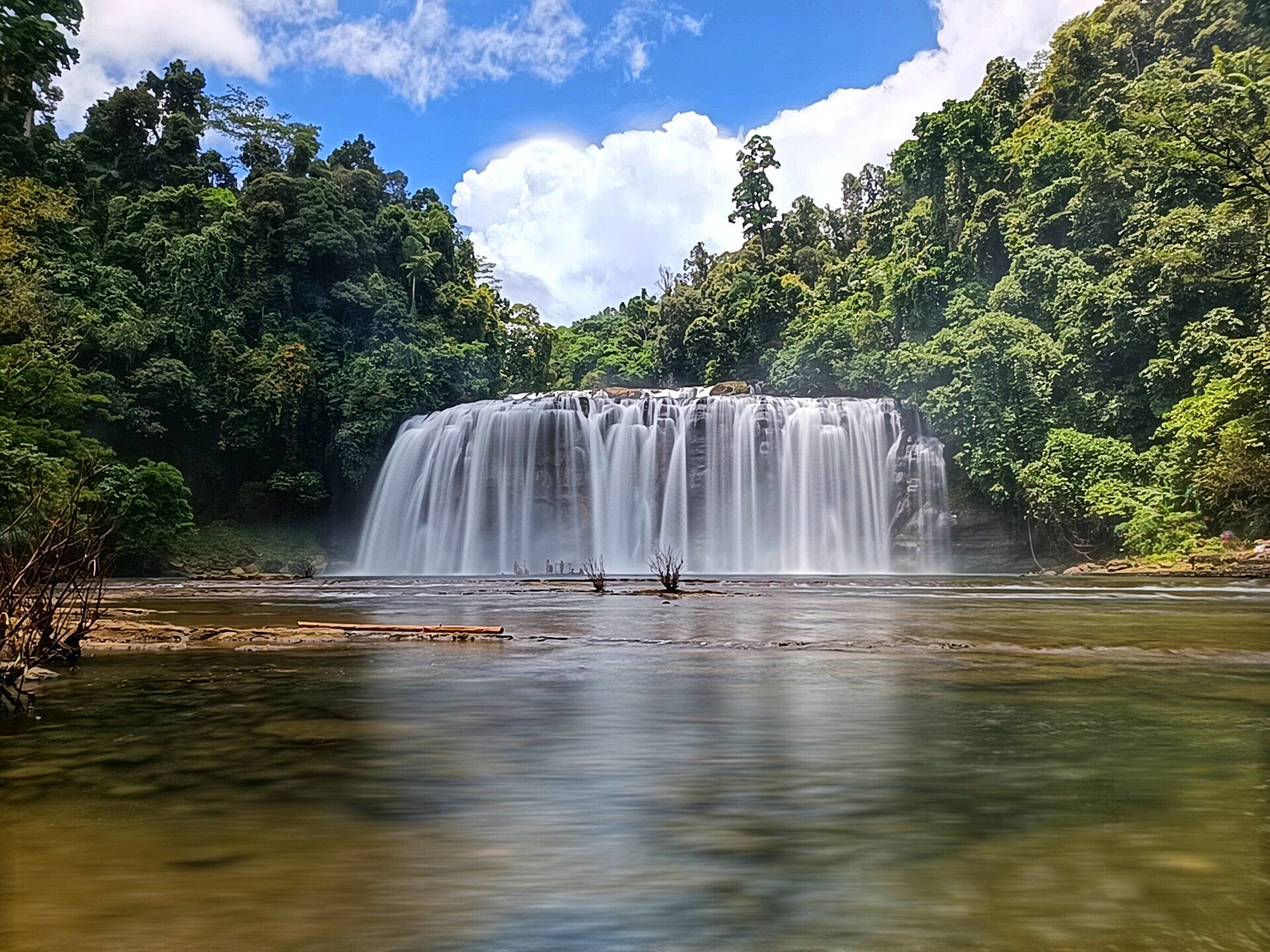
A broad, multi-tiered curtain of water often called the 'Niagara of the Philippines' — up to 95 metres wide, spilling in white sheets through the rainforest of eastern Mindanao, frequently crowned by a midday rainbow.

Tubbataha Reefs Natural Park, Sulu Sea, off Palawan, Philippines

Tubbataha Reefs Natural Park

Sulu Sea, off Palawan, Philippines

A pristine, remote atoll system in the middle of the Sulu Sea — nearly 100,000 hectares of coral reef, sheer walls, and open ocean that rank among the healthiest marine ecosystems on the planet.