Song-Köl
📍 Naryn, central Kyrgyzstan
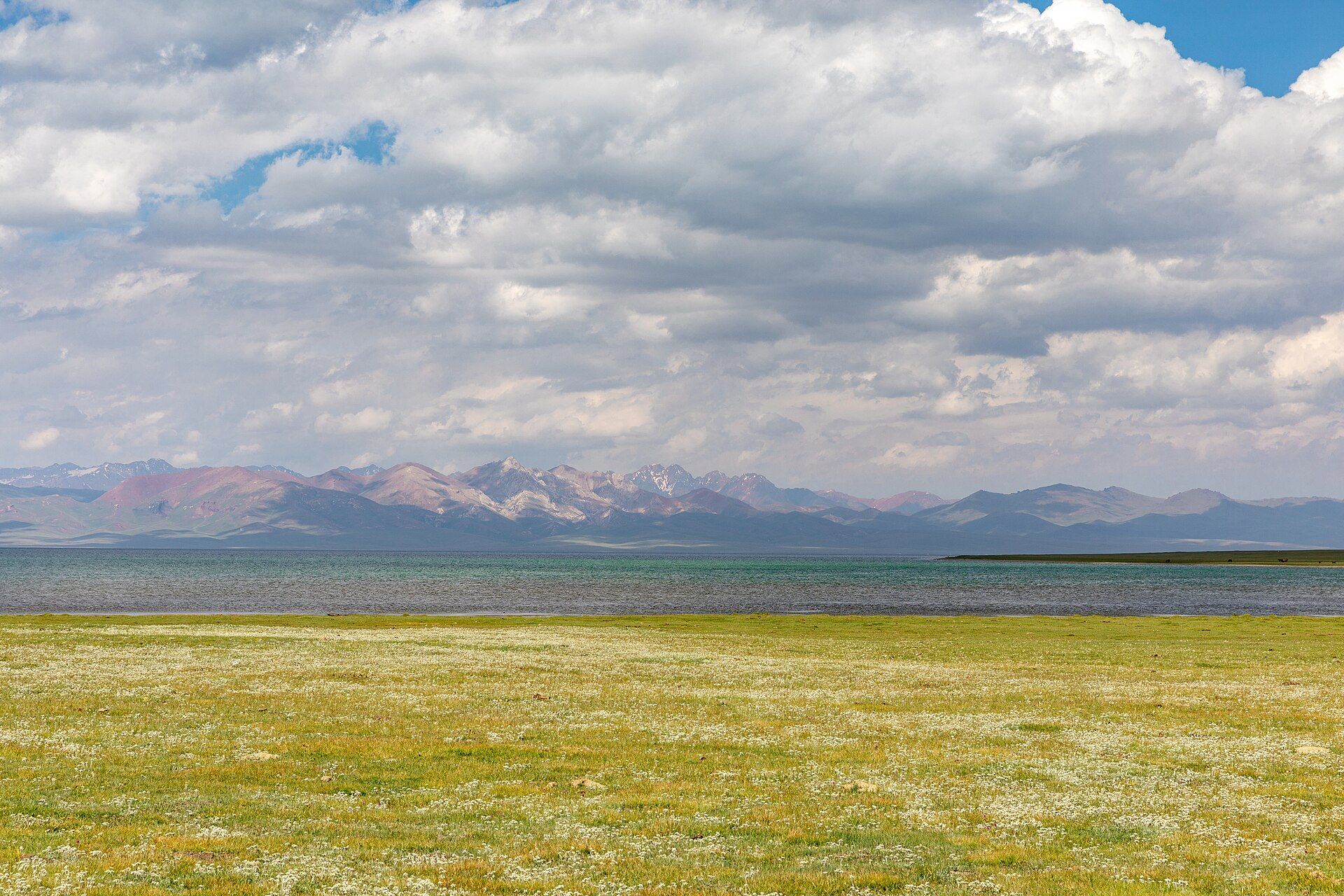
A vast alpine lake on a high Tian Shan plateau, ringed by summer pastures where nomadic herders raise their yurts — a serene, roadless world of grass, water, and sky at 3,000 metres.
What makes it marvelous
Song-Köl lies at over 3,000 metres on a broad, treeless plateau in the Tian Shan mountains of central Kyrgyzstan, the country's second-largest lake and one of its most beautiful. Fed by mountain snowmelt and ringed by rolling summer pastures, it is a place of immense, simple grandeur — grass and water meeting an enormous sky, the surrounding peaks mirrored in still blue water. For centuries these high meadows (jailoo) have been summer grazing grounds, and each warm season Kyrgyz herders drive their horses, sheep, and yaks up to the lakeshore and raise their felt yurts, living much as their ancestors did. Under some of the darkest skies in Central Asia, the stars over Song-Köl are extraordinary. In winter the plateau empties and freezes, accessible only to the hardy.
Why visit
Staying in a yurt by the lake — riding across empty pastures, sharing herders' hospitality, and watching the Milky Way blaze over the water — offers a rare, unhurried window into living nomadic culture in a landscape of pure highland calm.
What to know before you go
🗓️ Best time
High summer (roughly June–September), when the mountain passes are open, the pastures are green, and the herders and their yurts are at the lake; the plateau is snowbound the rest of the year.
🧭 Getting there & access
In Naryn Province, central Kyrgyzstan, reached by rough mountain roads over high passes (4x4 or horse); summer-only yurt camps line the shore, arranged through community-based tourism.
Good to know
- Visit only in summer — the access passes are snowbound most of the year.
- Stay in a community yurt camp for the full experience and to support herders.
- Nights are cold at altitude even in summer; bring warm layers.
Plan your visit
Moderate🧭 Getting there
From Kochkor, Naryn, Kyrgyzstan
- Drive Bishkek → Kochkor — roughly 3h
- Continue Kochkor → Song-Köl over a high pass by 4x4 — about 2h30–3h on rough track
- Or reach the lake on a multi-day horse or trekking route
- Total travel
- The better part of a day from Bishkek
- Time at site
- One or two nights in a yurt at the lake
- Access
- Song-Köl is a high alpine lake ringed by summer pasture, and the experience is staying in a nomad yurt camp on its shore, arranged easily through the community-tourism offices in Kochkor. It is strictly seasonal: the herders and their yurts are only up here in summer, roughly June to September, and the access passes are snowbound and closed the rest of the year. At just over 3,000m the nights are cold even in July, there is no electricity or plumbing to speak of, and the weather turns quickly. This is a place to disconnect, not to find facilities.
🎒 What to bring & consider
- A visit in the short summer season, since the yurts come down and the passes close with the first snows
- Warm clothing and a good sleeping bag for genuinely cold nights at over 3,000m, whatever the daytime sun
- Cash arranged in Kochkor or Bishkek, because there is nothing to pay with or draw from at the lake
- A head-torch and the acceptance of no electricity, running water or phone signal at the yurt camps
- A windproof layer for an exposed shoreline where mountain weather arrives without warning
👁️ What to expect
- Crowds
- Low and dispersed among scattered yurt camps. It feels empty even when others are there.
- Conditions
- High, open grassland by a big cold lake — mild in the sun, cold in the wind and at night.
- Facilities
- Yurt camps with home-cooked meals and outdoor toilets. Nothing else for miles.
- The view
- Horses grazing by the lake at sunrise with the yurts and the far mountains behind, in the still, golden early light before the wind gets up. The night sky here, with no light for miles, is the other reason to stay over.
Times and requirements are approximate and change with season, weather, and local rules — confirm permits, fares, and schedules with operators before you travel.
Natural riches of the area
- A high alpine lake at over 3,000 m in the Tian Shan
- Vast summer jailoo (mountain pastures)
- A living Kyrgyz nomadic herding culture
- Exceptionally dark skies for stargazing
Local food
- Beshbarmak
- The Kyrgyz national dish — boiled meat with flat noodles, shared communally.
- Kymyz
- Fermented mare's milk, a traditional nomadic drink of the summer pastures.
- Fresh dairy & bread
- Yurt-made yogurt, cream, and butter with round tandyr bread.
Song-Köl is highland Central Asia at its most serene. At over 3,000 metres, on a broad treeless plateau in the Tian Shan of central Kyrgyzstan, the country’s second-largest lake spreads blue beneath an enormous sky, the surrounding peaks mirrored in its still water. There are no trees, no towns, no roads to speak of — just grass, water, and light, and a grandeur that comes from sheer emptiness.
For centuries these high meadows have been summer grazing grounds, and each warm season Kyrgyz herders drive their horses, sheep, and yaks up to the shore and raise their felt yurts, living much as their ancestors did. To stay in one of those yurts — riding the pastures by day, sharing herders’ hospitality, and watching the Milky Way blaze over the lake at night — is a rare, unhurried glimpse of living nomadic culture, in one of the most peaceful landscapes in all of Central Asia.
Song-Köl: common questions
How do you get to Song-Köl?
From Kochkor, Naryn, Kyrgyzstan: Drive Bishkek → Kochkor — roughly 3h; Continue Kochkor → Song-Köl over a high pass by 4x4 — about 2h30–3h on rough track; Or reach the lake on a multi-day horse or trekking route. Allow The better part of a day from Bishkek.
When is the best time to visit Song-Köl?
High summer (roughly June–September), when the mountain passes are open, the pastures are green, and the herders and their yurts are at the lake; the plateau is snowbound the rest of the year.
How long should you spend at Song-Köl?
One or two nights in a yurt at the lake. The better part of a day from Bishkek of travel from Kochkor, Naryn, Kyrgyzstan.
What should you bring to Song-Köl?
A visit in the short summer season, since the yurts come down and the passes close with the first snows Warm clothing and a good sleeping bag for genuinely cold nights at over 3,000m, whatever the daytime sun Cash arranged in Kochkor or Bishkek, because there is nothing to pay with or draw from at the lake A head-torch and the acceptance of no electricity, running water or phone signal at the yurt camps A windproof layer for an exposed shoreline where mountain weather arrives without warning
Do you need a permit or guide for Song-Köl?
Song-Köl is a high alpine lake ringed by summer pasture, and the experience is staying in a nomad yurt camp on its shore, arranged easily through the community-tourism offices in Kochkor. It is strictly seasonal: the herders and their yurts are only up here in summer, roughly June to September, and the access passes are snowbound and closed the rest of the year. At just over 3,000m the nights are cold even in July, there is no electricity or plumbing to speak of, and the weather turns quickly. This is a place to disconnect, not to find facilities.
Is Song-Köl crowded, and what are conditions like?
Low and dispersed among scattered yurt camps. It feels empty even when others are there. High, open grassland by a big cold lake — mild in the sun, cold in the wind and at night. Facilities: yurt camps with home-cooked meals and outdoor toilets. Nothing else for miles.
Added Updated
More wonders to explore