Tonlé Sap
📍 Central Cambodia, near Siem Reap
Southeast Asia's largest freshwater lake — a vast, life-giving body of water that swells enormously each monsoon when its own river reverses course and flows backwards.
What makes it marvelous
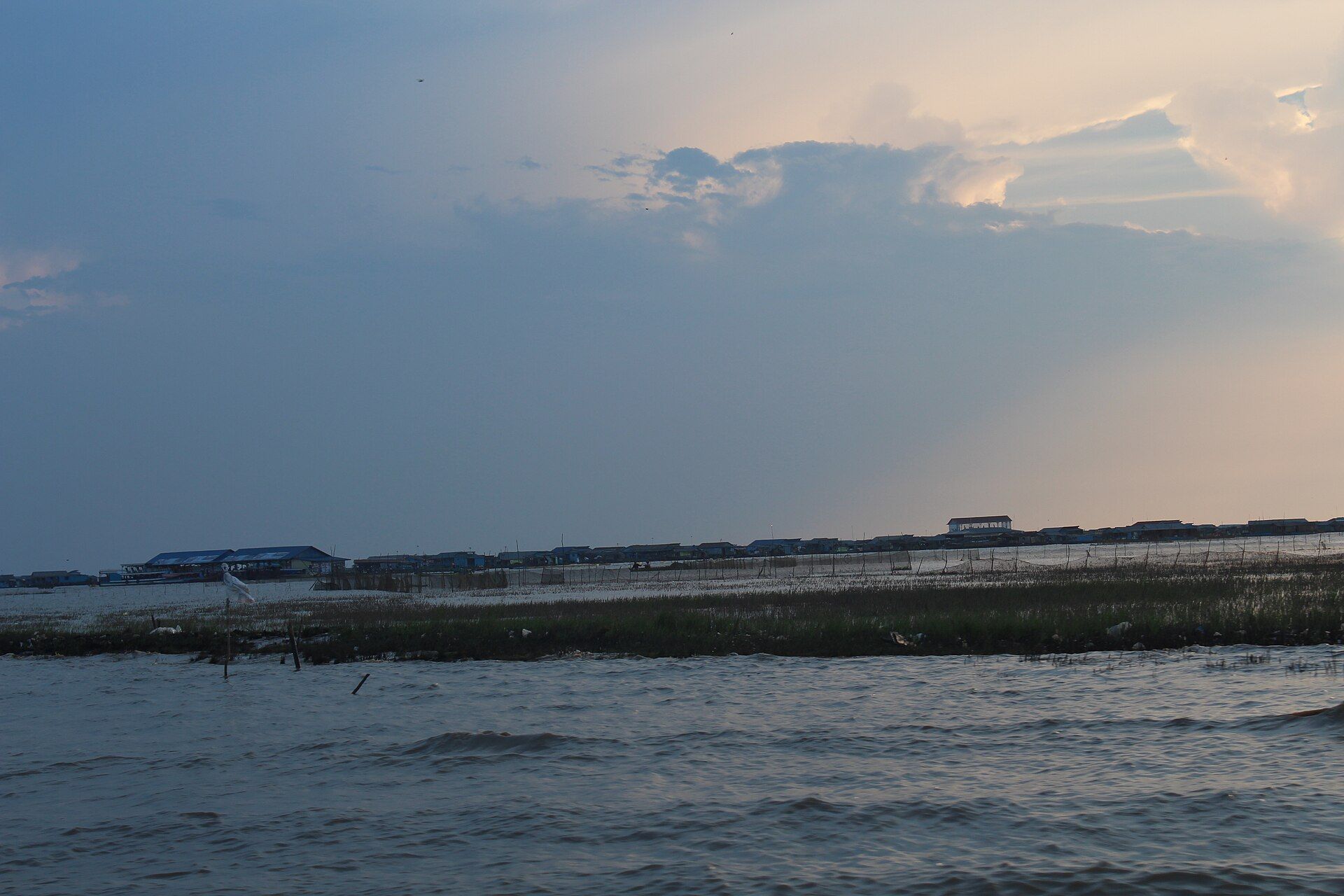
Tonlé Sap is the beating heart of Cambodia and one of the world's most remarkable freshwater systems. For much of the year it is a broad, shallow lake, but when the monsoon swells the Mekong, the river that drains the lake reverses and flows back into it — ballooning Tonlé Sap to several times its dry-season size and flooding a great ring of forest around it. That yearly pulse creates a hugely productive fishery and a flooded-forest ecosystem, and supports floating and stilted villages whose whole way of life follows the water.
Why visit
A boat trip onto the lake reveals a world lived on the water: floating homes, schools, and markets; fishers working the shallows; and, at Prek Toal, one of Asia's most important waterbird colonies, thick with pelicans, storks, and ibises. In the wet season you can glide among the crowns of the flooded forest. It is a vivid, humbling counterpoint to the nearby temples of Angkor.
What to know before you go
🗓️ Best time
The lake is at its vast, flooded height from about September to November; the drier months (December–February) are pleasant but the water recedes and some villages sit high and dry.
🧭 Getting there & access
Reached by boat from piers near Siem Reap in central Cambodia, which is served by its own international airport. Village and bird-sanctuary tours run by boat; choose community-based operators to visit responsibly.
Good to know
- Visit in or just after the wet season to see the lake and flooded forest at full scale.
- Choose reputable, community-run tours and avoid exploitative 'orphanage' stops.
- Bring sun protection and water for the open, shadeless boat trips.
Plan your visit
Easy🧭 Getting there
From Siem Reap (SAI/REP), Cambodia
- Fly to Siem Reap
- Road to a lakeside pier such as Chong Kneas or Kampong Phluk — 30min–1h
- Boat out onto the lake, flooded forest, or the Prek Toal bird sanctuary
- Total travel
- A half-day trip from Siem Reap
- Time at site
- Half a day for a village and lake tour; a full day for Prek Toal
- Access
- No permit for the lake; boat tours and the Prek Toal sanctuary charge fees. Water levels dictate what's possible — flooded forest is a wet-season experience. Choose ethical, community-based operators.
🎒 What to bring & consider
- Sun protection, a hat, and water for open-boat trips
- Binoculars for the birdlife, especially at Prek Toal
- Insect repellent for the flooded forest
- Cash for tours and community fees
👁️ What to expect
- Crowds
- The nearest villages see steady tour traffic; the flooded forest and Prek Toal are quieter and more rewarding.
- Conditions
- Open-boat travel on a huge, shallow lake; hot and shadeless, with muddy landings.
- Facilities
- Basic at the piers and in floating villages; Siem Reap has full services.
- The view
- Stilted or floating villages reflected in the lake, or birds over the flooded forest at Prek Toal. The high-water season shows the lake at its most extraordinary.
Times and requirements are approximate and change with season, weather, and local rules — confirm permits, fares, and schedules with operators before you travel.
Natural riches of the area
- Southeast Asia's largest freshwater lake
- A unique annual flow-reversal and flood pulse
- Flooded forest and one of Asia's richest inland fisheries
- Vast waterbird colonies, notably at Prek Toal
Local food
- Prahok
- Fermented fish paste, the salty backbone of Khmer cooking.
- Freshwater fish amok
- Lake fish steamed in a fragrant coconut curry.
Tonlé Sap is the largest freshwater lake in Southeast Asia and the pulse that keeps Cambodia alive. For much of the year it is a broad, shallow lake in the country’s centre, but the monsoon works a yearly miracle: as the Mekong swells, the river that normally drains the lake reverses and flows backwards into it, swelling Tonlé Sap to several times its size and drowning a wide ring of forest. That flood pulse makes the lake one of the most productive inland fisheries on Earth and shapes a whole flooded-forest ecosystem around it.
People live in rhythm with that water. A boat onto the lake reveals floating and stilted villages — homes, schools, and markets all afloat — fishers working the shallows, and, at the Prek Toal sanctuary, one of Asia’s great gatherings of waterbirds. In the wet season you can drift among the tops of the flooded trees. Just down the road from the temples of Angkor, Tonlé Sap is a living, breathing wonder of a very different kind.
Tonlé Sap: common questions
How do you get to Tonlé Sap?
From Siem Reap (SAI/REP), Cambodia: Fly to Siem Reap; Road to a lakeside pier such as Chong Kneas or Kampong Phluk — 30min–1h; Boat out onto the lake, flooded forest, or the Prek Toal bird sanctuary. Allow a half-day trip from siem reap.
When is the best time to visit Tonlé Sap?
The lake is at its vast, flooded height from about September to November; the drier months (December–February) are pleasant but the water recedes and some villages sit high and dry.
How long should you spend at Tonlé Sap?
Half a day for a village and lake tour; a full day for Prek Toal. A half-day trip from Siem Reap of travel from Siem Reap (SAI/REP), Cambodia.
What should you bring to Tonlé Sap?
Sun protection, a hat, and water for open-boat trips Binoculars for the birdlife, especially at Prek Toal Insect repellent for the flooded forest Cash for tours and community fees
Do you need a permit or guide for Tonlé Sap?
No permit for the lake; boat tours and the Prek Toal sanctuary charge fees. Water levels dictate what's possible — flooded forest is a wet-season experience. Choose ethical, community-based operators.
Is Tonlé Sap crowded, and what are conditions like?
The nearest villages see steady tour traffic; the flooded forest and Prek Toal are quieter and more rewarding. Open-boat travel on a huge, shallow lake; hot and shadeless, with muddy landings. Facilities: basic at the piers and in floating villages; Siem Reap has full services.
Added
More wonders to explore