Volcanoes · Europe
What Are the Most Beautiful Volcanoes in Europe? 9 You Can Visit, From Etna to Stromboli
9 places · every one real, mapped, and worth the trip
Short answer: Mount Etna (~3,350 m) on Sicily is Europe's largest and most active volcano, and Stromboli, off Sicily's north coast, has erupted in small bursts of glowing lava for at least 2,000 years — the best place in Europe to watch an eruption after dark. Spain's Teide (3,715 m, on Tenerife) is the country's highest peak, Lanzarote's Timanfaya is a park of lava fields from the 1730–1736 eruptions, and Santorini is a flooded caldera ringed by 300-metre cliffs. Elbrus (5,642 m), Europe's highest mountain, and Kazbek (5,054 m) are glacier-clad Caucasus volcanoes; the Azores and Iceland's Mývatn are whole volcanic landscapes of crater lakes, cones and steaming ground.
The Canary Islands and the Azores sit in the Atlantic but belong to Spain and Portugal, so they are included here. Volcanic access changes with activity: summit zones on Etna and Stromboli open and close with the alert level, so check before you go. The list is unranked.
-
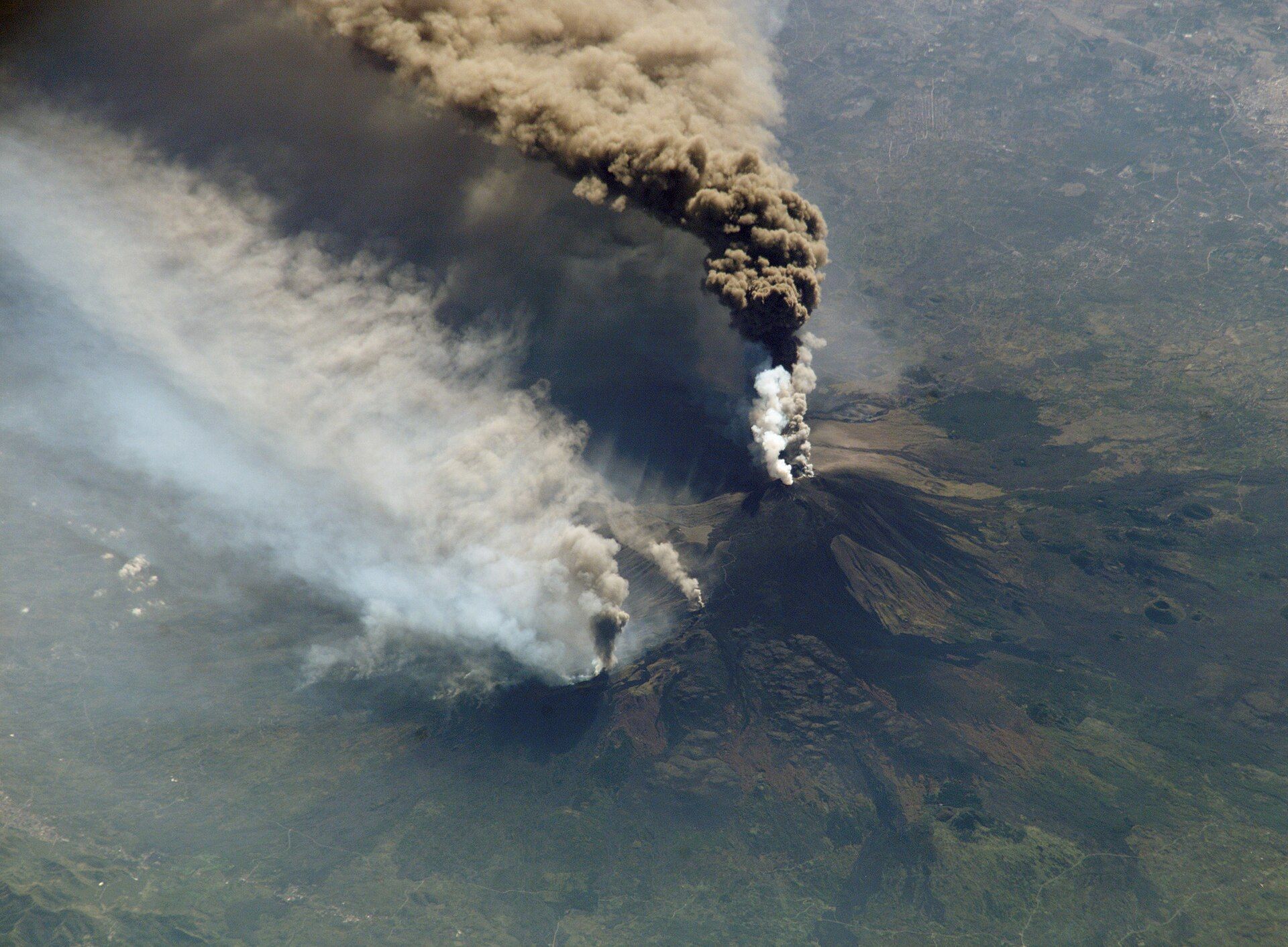
Mount Etna Europe's largest active volcano
Sicily, Southern Italy
A snow-capped, constantly rumbling giant of about 3,350 metres over eastern Sicily, a UNESCO World Heritage Site with vineyards and orchards on its fertile slopes. From Catania by road to Rifugio Sapienza (south) or Piano Provenzana (north), then cable car and guided 4x4 or hiking; the summit zone is guide-only and depends on current activity. April–June and September–October.
-
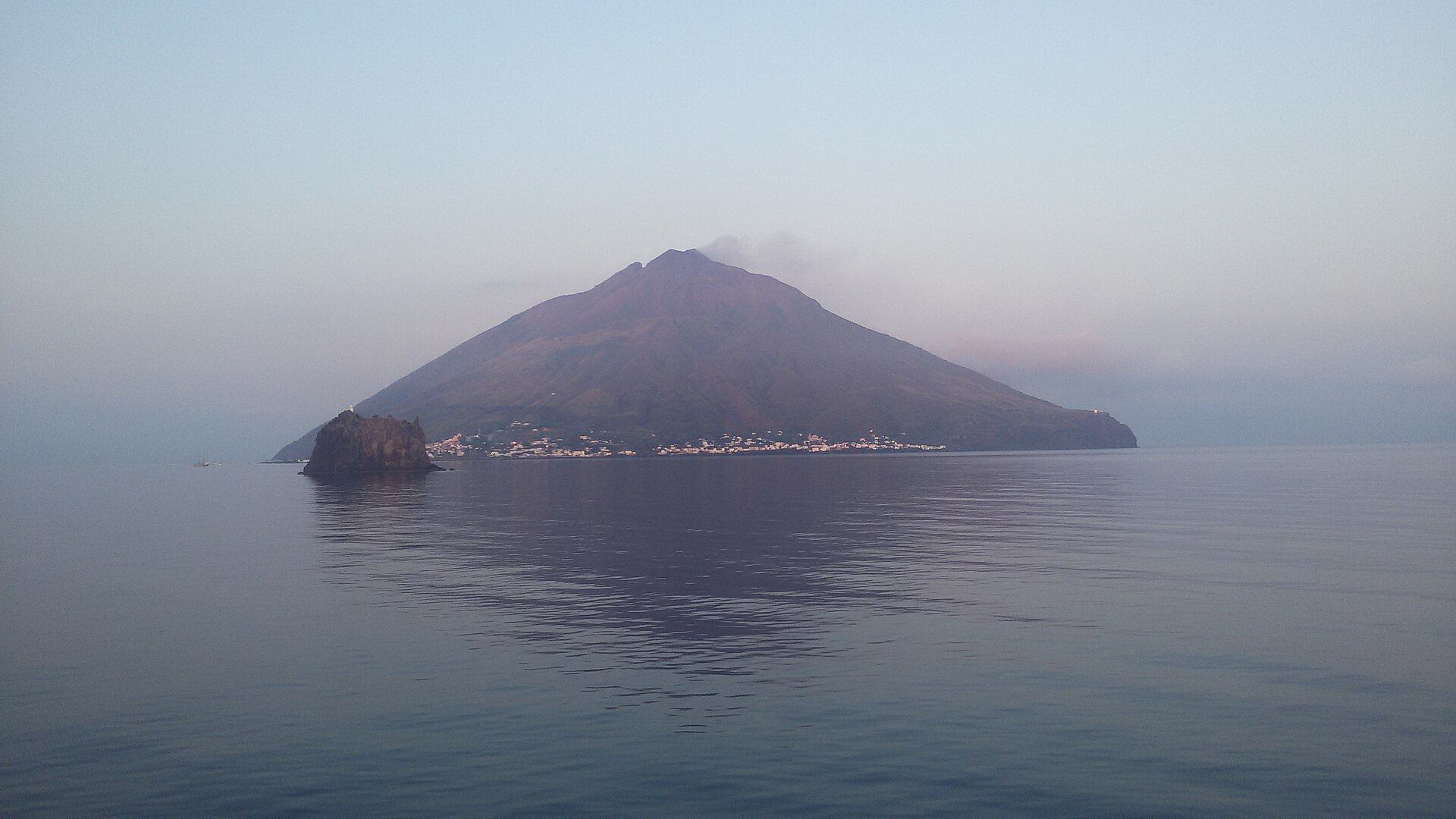
Stromboli Erupting for 2,000 years
Aeolian Islands, Tyrrhenian Sea, off the north coast of Sicily, Italy
An Aeolian island volcano that throws jets of gas and glowing lava from its summit craters several times an hour — the volcano that named 'Strombolian' eruptions. After dark the explosions and the Sciara del Fuoco are visible from the slopes, the shore or a boat. By hydrofoil or ferry from Milazzo; climbing rules change with the alert level. Spring and autumn are cooler for walking.
-
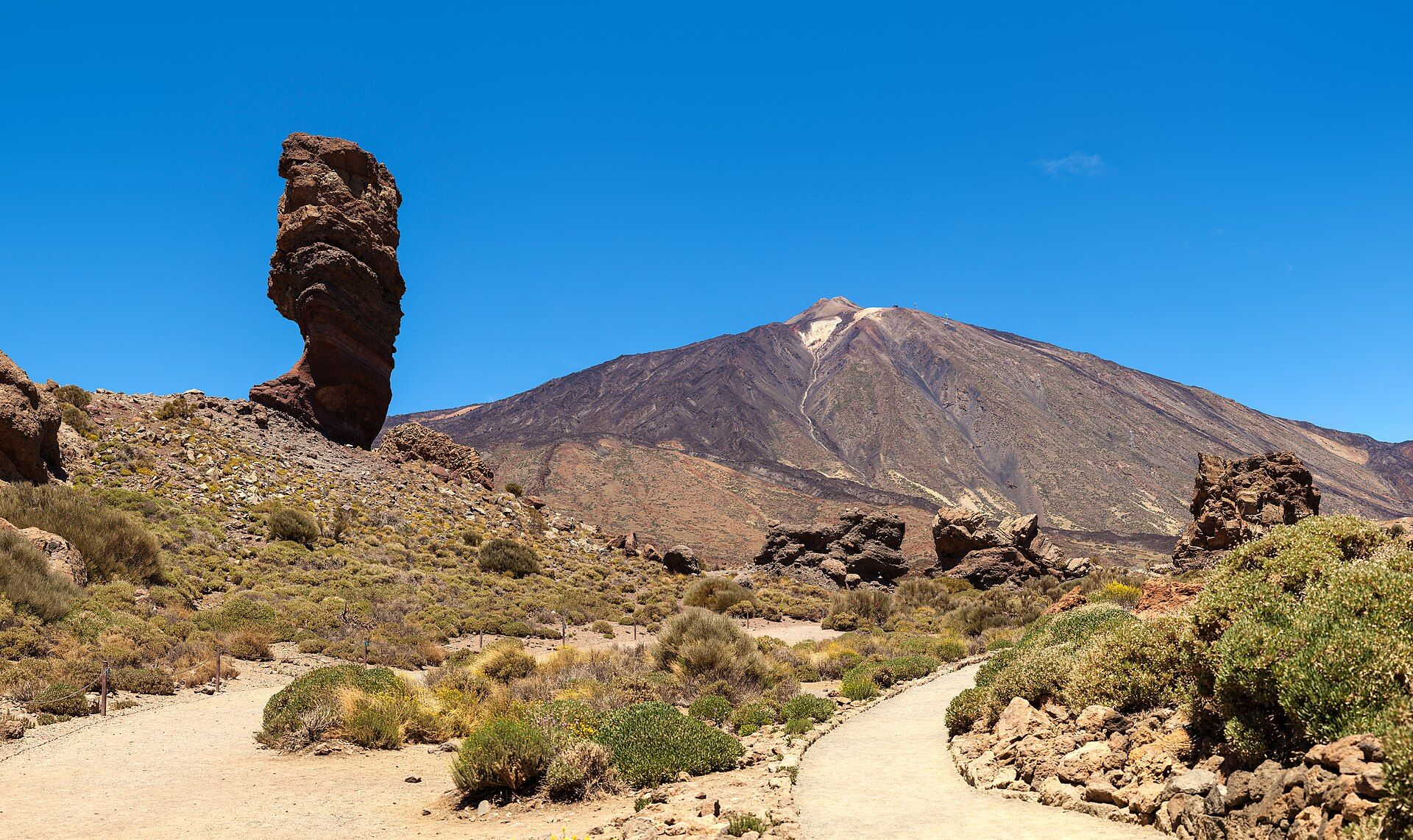
Mount Teide Spain's highest peak
Tenerife, Canary Islands, Spain
A 3,715-metre cone rising from a caldera about 24 km wide on Tenerife, often above a sea of cloud; it last erupted in 1909, and the national park is a UNESCO World Heritage Site. A cable car climbs to about 3,555 metres; the final path to the summit needs a free permit booked well ahead. Spring and autumn; winter adds snow on black lava.
-
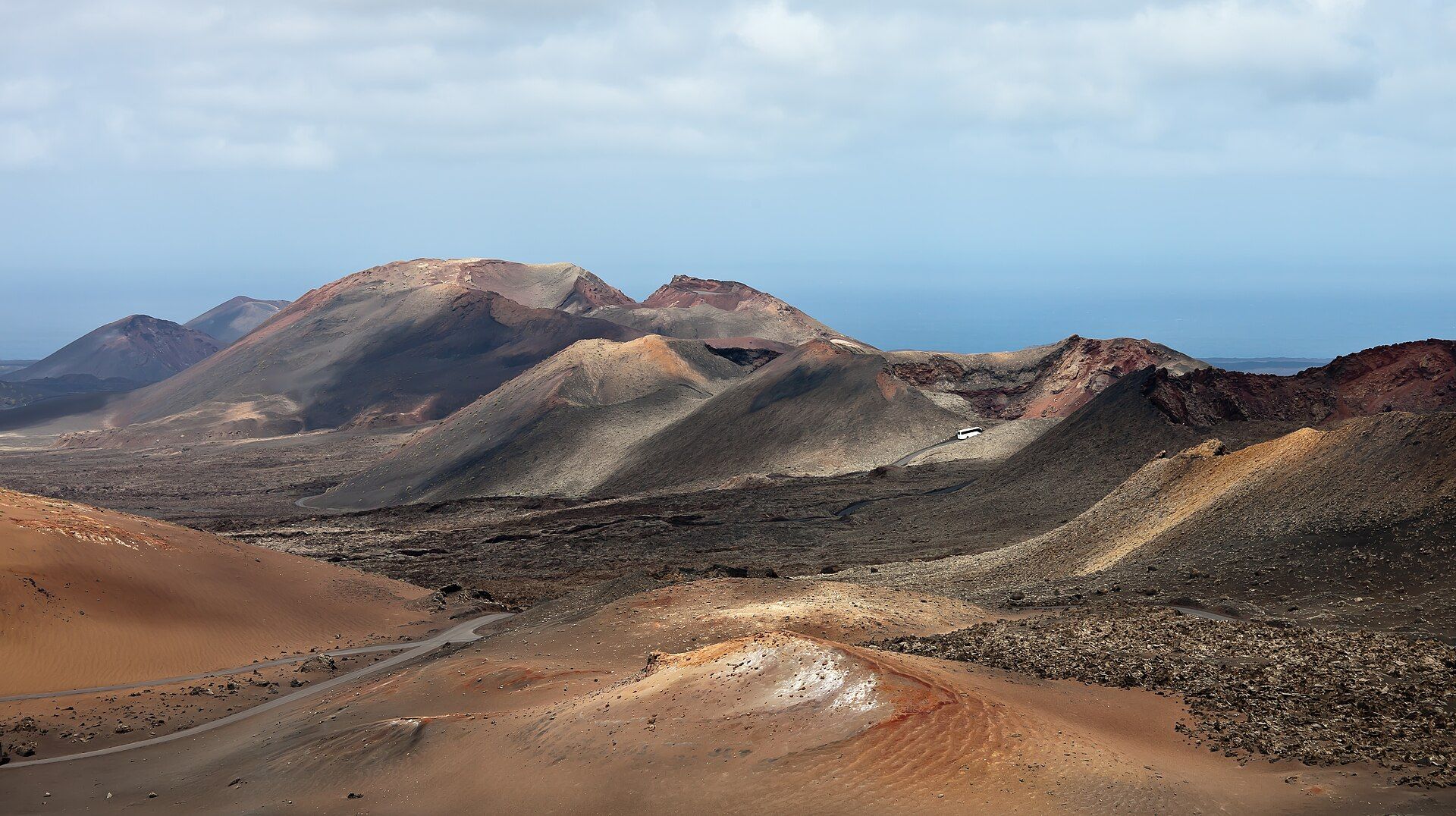
Timanfaya National Park Lava fields still hot underfoot
South-west Lanzarote, Canary Islands, Spain, in the municipalities of Yaiza and Tinajo
A 51 km² park of lava fields and cones on Lanzarote, formed mainly by the great 1730–1736 eruptions; temperatures of up to 610°C have been measured just 13 metres below the surface. The Ruta de los Volcanes starts at the Taro entrance on the LZ-67 road; guided walks need booking. Open all year, with little rain.
-
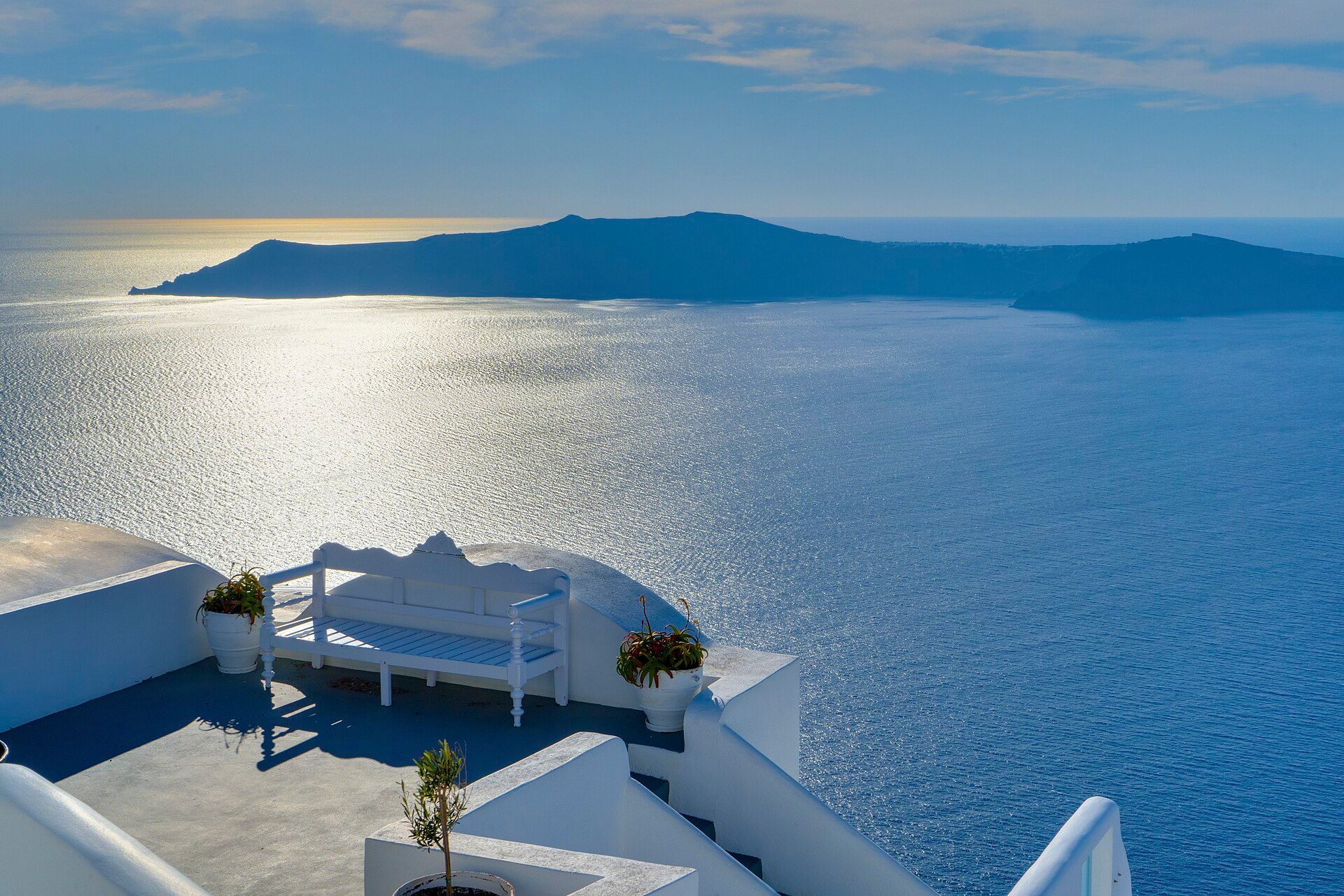
Santorini Caldera A drowned crater
Cyclades, Aegean Sea, Greece
A flooded caldera about 12 by 7 km ringed by cliffs of banded ash and lava up to 300 metres high — the remains of one of the largest eruptions in human history — with the young, still-steaming Nea Kameni cones in the bay. By ferry from Athens or by air; Fira and Oia on the rim give the classic views. May–June and September–October.
-
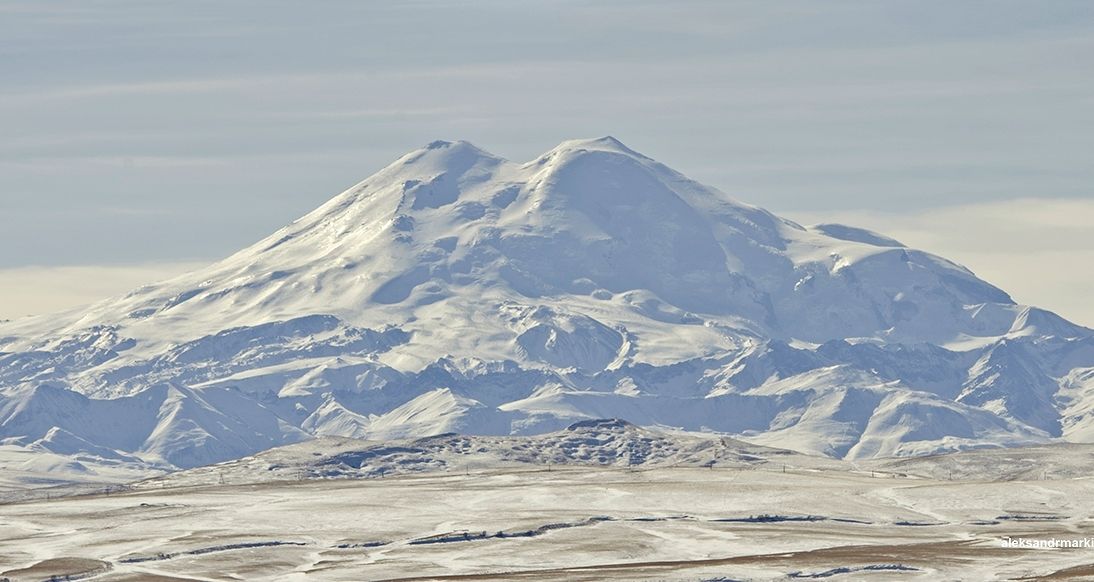
Mount Elbrus Europe's highest mountain
Kabardino-Balkaria, Caucasus, Russia
A dormant twin-coned volcano of 5,642 metres wrapped in 22 glaciers in Russia's northern Caucasus, via Mineralnye Vody and the Baksan valley. Cable cars climb to around 3,800 metres; summit attempts need guides, acclimatization and permits. Roughly June–September.
-
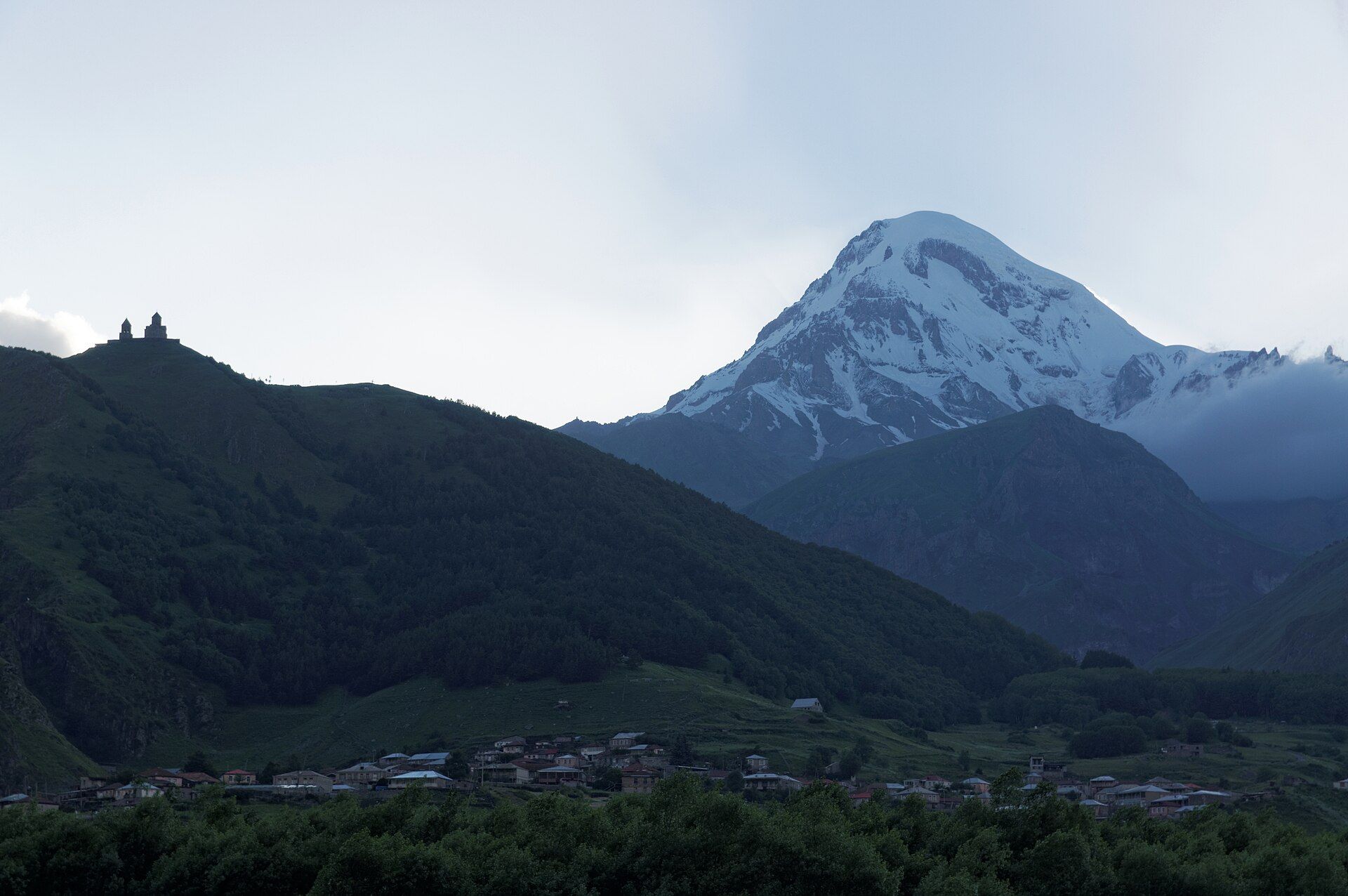
Mount Kazbek & Gergeti A volcano above a lone church
Kazbegi, Greater Caucasus, Georgia
Mount Kazbek, a glacier-clad 5,054-metre volcano in Georgia's Greater Caucasus, with the medieval Gergeti church on a green ridge below. About three hours north of Tbilisi on the Georgian Military Highway to Stepantsminda, then 1.5–2 hours on foot or by 4x4 to the church. June–September.
-
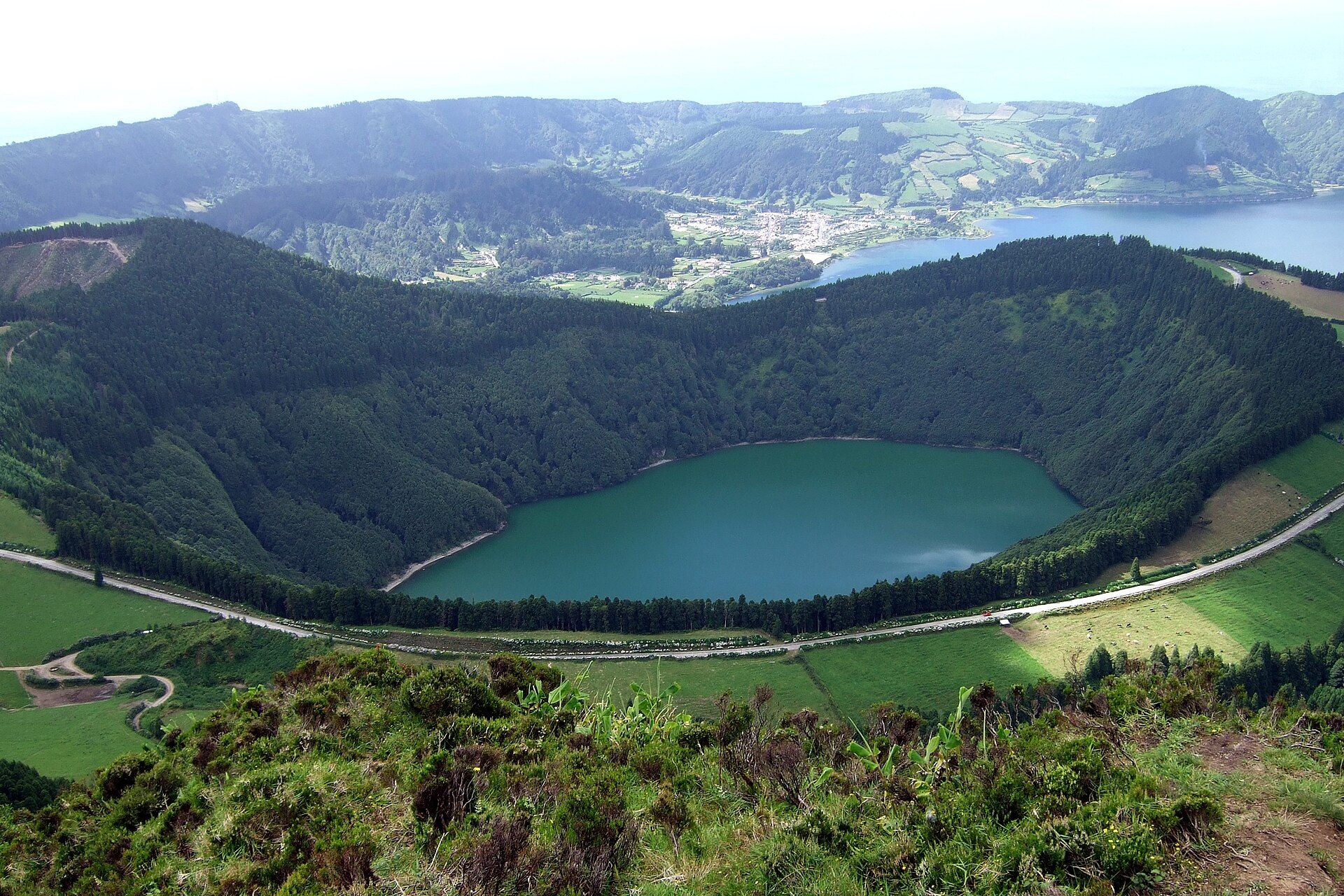
The Azores Crater lakes in the Atlantic
Azores archipelago, Atlantic Ocean
Nine green volcanic islands in the mid-Atlantic, with twin crater lakes at Sete Cidades — one green, one blue — hot springs, food cooked in the volcanic ground, and Pico (2,351 m), Portugal's highest mountain. By air from Lisbon; São Miguel is the hub. Roughly May–September.
-
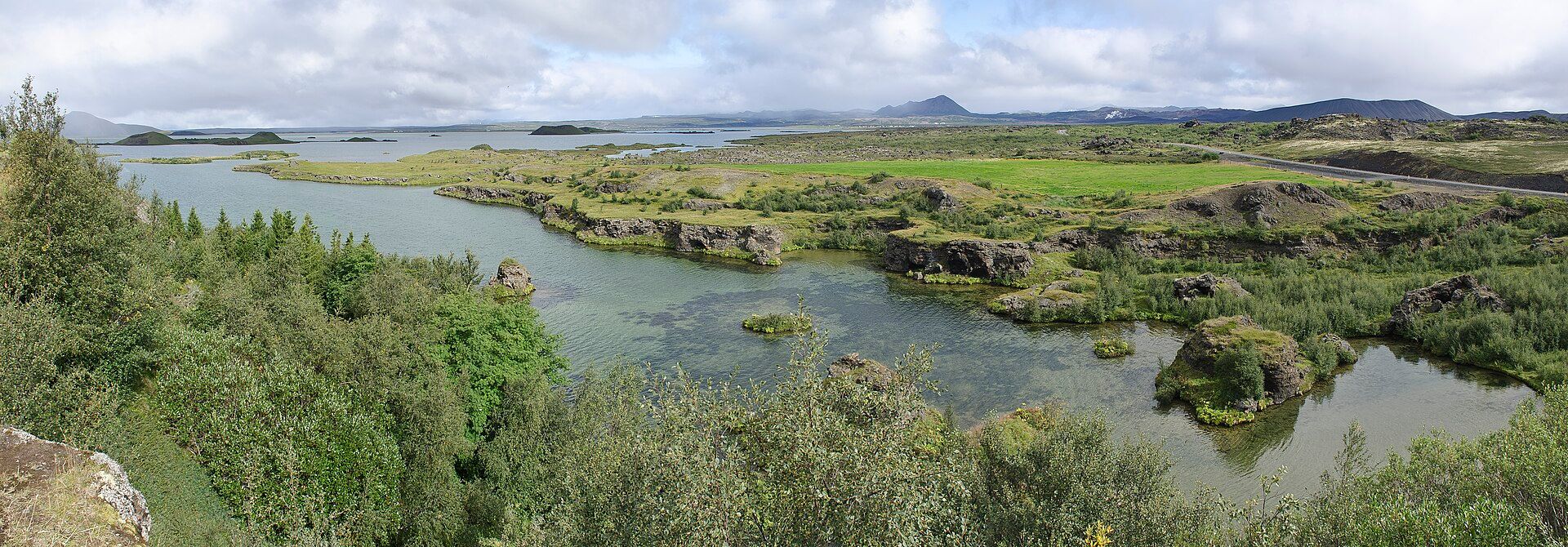
Lake Mývatn Craters, lava and steam
Northeast Iceland, near Akureyri
A shallow volcanic lake in north-east Iceland ringed by pseudocraters, the black lava labyrinth of Dimmuborgir, the ash cone of Hverfjall and the fumaroles of Námaskarð. On the Ring Road about an hour east of Akureyri, with a road looping the lake. June–August for birdlife and open roads (and midges).
Europe's active volcanoes are closely monitored, and access to Etna's summit craters and Stromboli's upper slopes is set by the authorities day to day — treat any plan as provisional. For more, see the most spectacular volcanoes to visit, where to see lava and volcanoes you can climb, or the most beautiful mountains in Europe.
Added