Mount Elbrus
📍 Kabardino-Balkaria, Caucasus, Russia
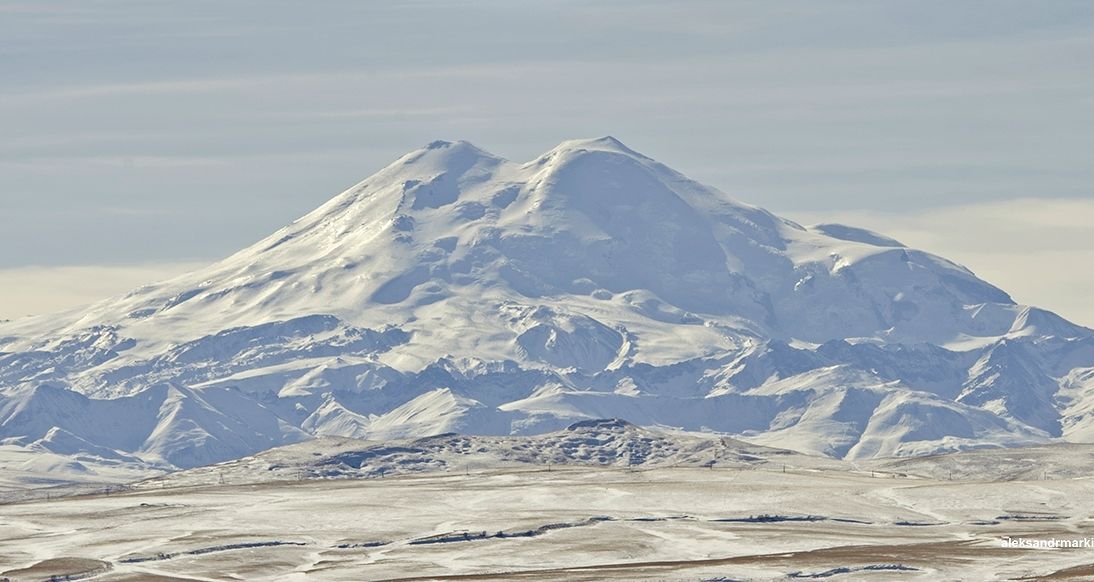
The highest peak in Europe — a twin-coned dormant volcano wrapped in 22 glaciers, rising 5,642 metres above the Caucasus range.
What makes it marvelous
Elbrus is Europe's highest mountain at 5,642 metres, and unlike the Alps' jagged rock summits it is a dormant stratovolcano — a broad, snow-smothered dome with two distinct cones, remnants of separate eruptive vents. Some 22 glaciers flow off its flanks, feeding the rivers of the northern Caucasus, and its permanent ice cap makes it visible for enormous distances across the steppe. Because its standard route is technically straightforward, aided by cable cars that carry climbers above 3,800 metres, Elbrus draws mountaineers collecting the Seven Summits — yet its altitude, savage weather, and rapid storms make it genuinely dangerous, and it claims lives most years. Around it spreads the Caucasus, a range of exceptional biodiversity that marks one of the traditional dividing lines between Europe and Asia.
Why visit
Even for non-climbers, riding the cable cars onto the glaciers of Europe's highest mountain — with the whole Caucasus range unfolding below — is a spectacular and unusually accessible high-altitude experience.
What to know before you go
🗓️ Best time
The short summer climbing window (roughly June–September), when conditions are most stable; winter brings extreme cold and heavy snow, though the lower slopes are a ski area.
🧭 Getting there & access
In Russia's Kabardino-Balkaria in the northern Caucasus, reached via Mineralnye Vody and the Baksan valley; cable cars climb to around 3,800 m, and summit attempts require guides, acclimatization, and permits.
Good to know
- Climb only June–September, with a guide and proper acclimatization.
- Weather turns violently and fast — many deaths here follow sudden storms.
- Non-climbers can ride the cable cars to the glacier line for the views.
Plan your visit
Expedition🧭 Getting there
From Mineralnye Vody (MRV), then Terskol, Kabardino-Balkaria
- Fly → Mineralnye Vody (MRV)
- Road Mineralnye Vody → Terskol in the Baksan valley — roughly 3h–4h
- Cable cars → Garabashi at about 3,850m, where the huts are
- Acclimatisation days, then a summit push from around 2am — typically 10–14 hours return
- Total travel
- Half a day from the airport to the valley
- Time at site
- 7–9 days including acclimatisation
- Access
- The Elbrus region sits in a Russian border zone, and a border-zone permit is required — it is applied for through your operator weeks in advance and checked on the ground. Climbs go through licensed operators with guides. Separately, and importantly, travel advice for Russia has changed substantially in recent years and insurance, payments and consular support may all be affected; check your own government's current advice and your insurer's position before committing to anything.
🎒 What to bring & consider
- Full glacier kit and the competence to use it — crampons, axe, harness and rope. Elbrus is graded as a straightforward snow plod and it kills people most years, almost always through weather, whiteout navigation and altitude rather than technical difficulty
- Real acclimatisation days, because the cable cars deliver you to 3,850m in an afternoon and the summit is 5,642m
- Extreme cold and wind protection: the summit plateau takes the full Caucasus wind and frostbite is common
- GPS and the ability to navigate the featureless saddle in whiteout, which is where parties get lost
- A hard turnaround time agreed before you start, and the discipline to honour it
👁️ What to expect
- Crowds
- Busy in the short July and August window, with queues on the summit ridge on good-weather days.
- Conditions
- Cold, high and windy, on snow the whole way from the huts. Weather changes fast and violently.
- Facilities
- Basic huts and barrel accommodation at Garabashi with meals. A full valley resort at Terskol below.
- The view
- The twin summits from the Baksan valley, or the shadow of the mountain thrown west across the Caucasus at dawn from the summit plateau. Getting the second one means everything went right.
Times and requirements are approximate and change with season, weather, and local rules — confirm permits, fares, and schedules with operators before you travel.
Natural riches of the area
- Europe's highest peak (5,642 m), a dormant twin-coned volcano
- 22 glaciers feeding the rivers of the northern Caucasus
- A permanent ice cap visible far across the steppe
- The biodiverse Caucasus range at the Europe–Asia divide
Local food
- Caucasian shashlik
- Skewered grilled meat, a staple across the Caucasus.
- Khychiny
- Balkar stuffed flatbreads filled with cheese, potato, or greens.
- Ayran & mountain cheese
- Salted yogurt drink and sheep's cheese from the high pastures.
Elbrus is the highest mountain in Europe at 5,642 metres — and, unlike the jagged rock summits of the Alps, it is a dormant volcano: a broad, snow-smothered dome with two distinct cones, the remnants of separate eruptive vents. Some 22 glaciers pour off its flanks to feed the rivers of the northern Caucasus, and its permanent ice cap is visible for enormous distances across the surrounding steppe.
Its standard route is technically straightforward, helped by cable cars that lift climbers above 3,800 metres, which is why Elbrus draws so many mountaineers working through the Seven Summits. That accessibility is deceptive: the altitude is serious, the weather turns with brutal speed, and the mountain claims lives most years. Around it spreads the Caucasus, a range of exceptional biodiversity straddling one of the traditional dividing lines between Europe and Asia.
Mount Elbrus: common questions
How do you get to Mount Elbrus?
From Mineralnye Vody (MRV), then Terskol, Kabardino-Balkaria: Fly → Mineralnye Vody (MRV); Road Mineralnye Vody → Terskol in the Baksan valley — roughly 3h–4h; Cable cars → Garabashi at about 3,850m, where the huts are; Acclimatisation days, then a summit push from around 2am — typically 10–14 hours return. Allow Half a day from the airport to the valley.
When is the best time to visit Mount Elbrus?
The short summer climbing window (roughly June–September), when conditions are most stable; winter brings extreme cold and heavy snow, though the lower slopes are a ski area.
How long should you spend at Mount Elbrus?
7–9 days including acclimatisation. Half a day from the airport to the valley of travel from Mineralnye Vody (MRV), then Terskol, Kabardino-Balkaria.
What should you bring to Mount Elbrus?
Full glacier kit and the competence to use it — crampons, axe, harness and rope. Elbrus is graded as a straightforward snow plod and it kills people most years, almost always through weather, whiteout navigation and altitude rather than technical difficulty Real acclimatisation days, because the cable cars deliver you to 3,850m in an afternoon and the summit is 5,642m Extreme cold and wind protection: the summit plateau takes the full Caucasus wind and frostbite is common GPS and the ability to navigate the featureless saddle in whiteout, which is where parties get lost A hard turnaround time agreed before you start, and the discipline to honour it
Do you need a permit or guide for Mount Elbrus?
The Elbrus region sits in a Russian border zone, and a border-zone permit is required — it is applied for through your operator weeks in advance and checked on the ground. Climbs go through licensed operators with guides. Separately, and importantly, travel advice for Russia has changed substantially in recent years and insurance, payments and consular support may all be affected; check your own government's current advice and your insurer's position before committing to anything.
Is Mount Elbrus crowded, and what are conditions like?
Busy in the short July and August window, with queues on the summit ridge on good-weather days. Cold, high and windy, on snow the whole way from the huts. Weather changes fast and violently. Facilities: basic huts and barrel accommodation at Garabashi with meals. A full valley resort at Terskol below.
Added
More wonders to explore