Head to head · diving & snorkelling
Great Barrier Reef or the Red Sea: Which Is Better for Snorkelling and Diving?
Short answer: the Great Barrier Reef wins on sheer size and variety — about 2,300 km and ~2,900 reefs off Queensland, best from June to October — but its outer reef is a 1.5–2 hour boat ride from Cairns. The Red Sea at Ras Muhammad wins on closeness and drama: fringing reef that drops away in sheer walls, 20–30 minutes by road from Sharm el-Sheikh's airport, and diveable all year (warmest and calmest roughly April to November).
They are different trips rather than better and worse ones. The Reef is a scale-and-choice destination where you pick from day boats, islands and liveaboards; Ras Muhammad is a single national park where desert cliffs meet a wall of coral. Here is how they compare on what decides a reef trip.
Great Barrier Reef
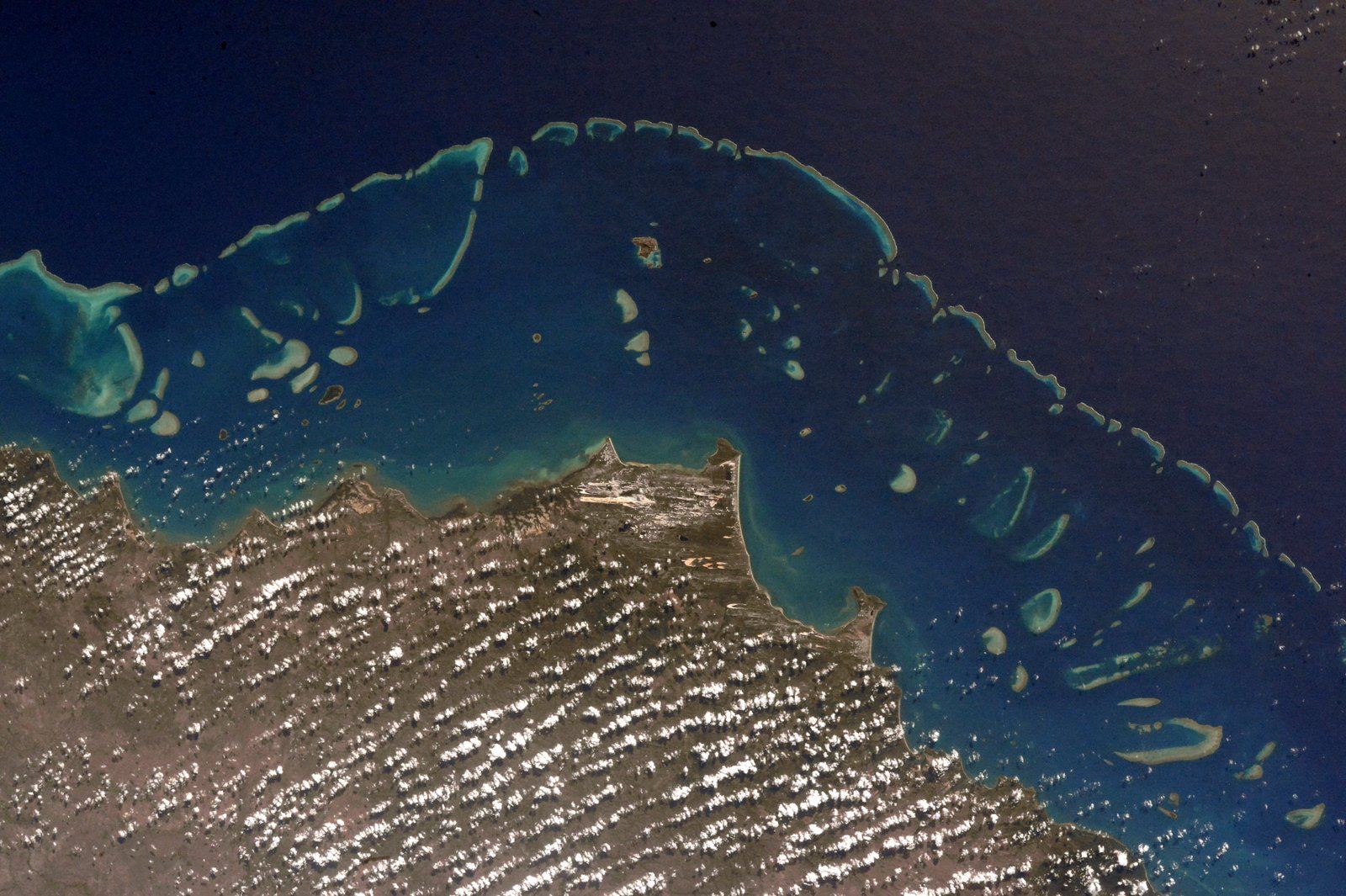
The largest reef system on Earth
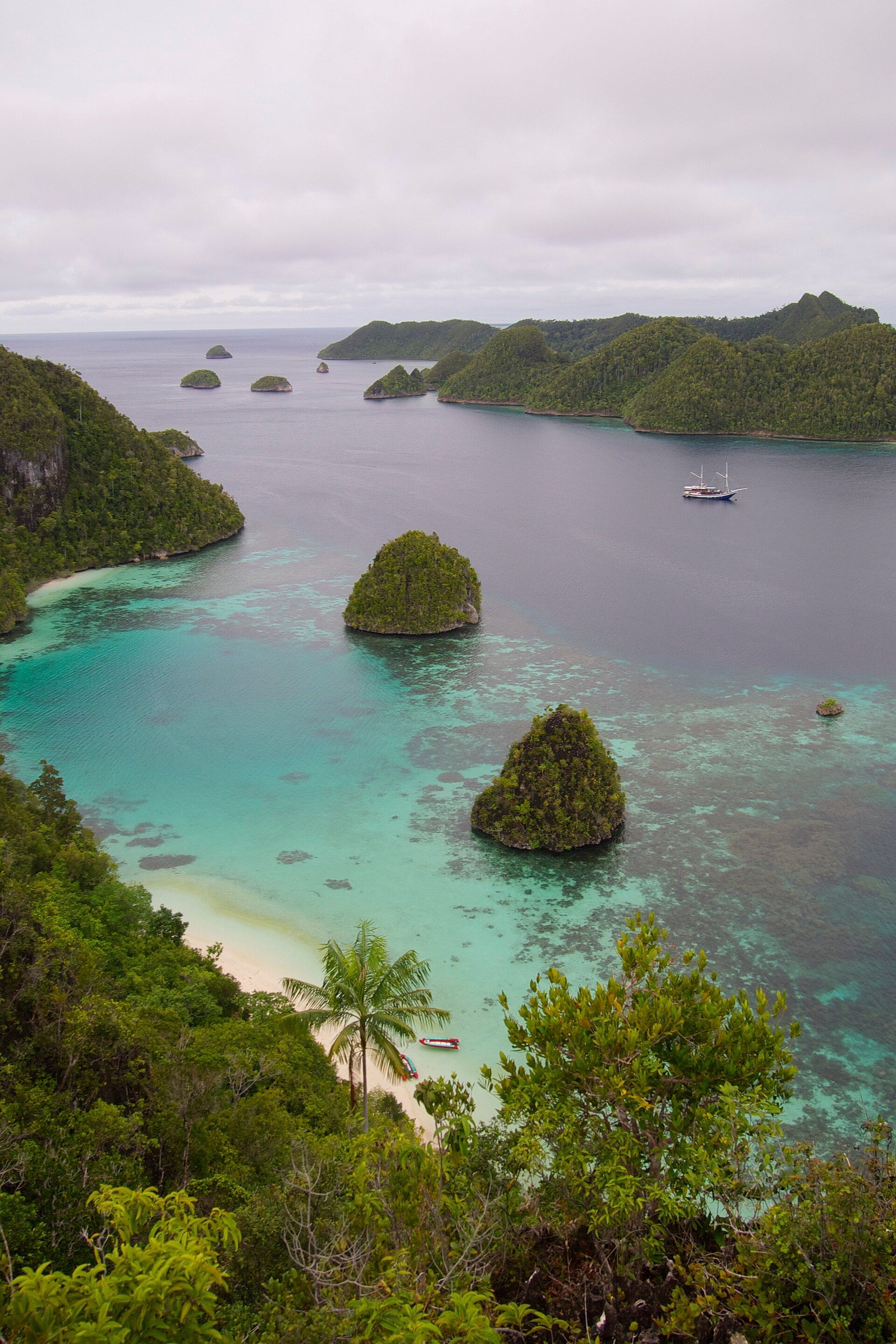
A ~2,300 km system of nearly 3,000 reefs and hundreds of islands off Queensland, home to over 1,500 fish species and 400 kinds of coral. Day boats, island resorts and liveaboards run from Cairns, Port Douglas and the Whitsundays.
- Huge range of sites, from shallow inner reefs to the outer reef
- Every format: day trips, island stays, multi-day liveaboards
- Turtles, dugongs, reef sharks and whales across a vast area
Red Sea (Ras Muhammad)
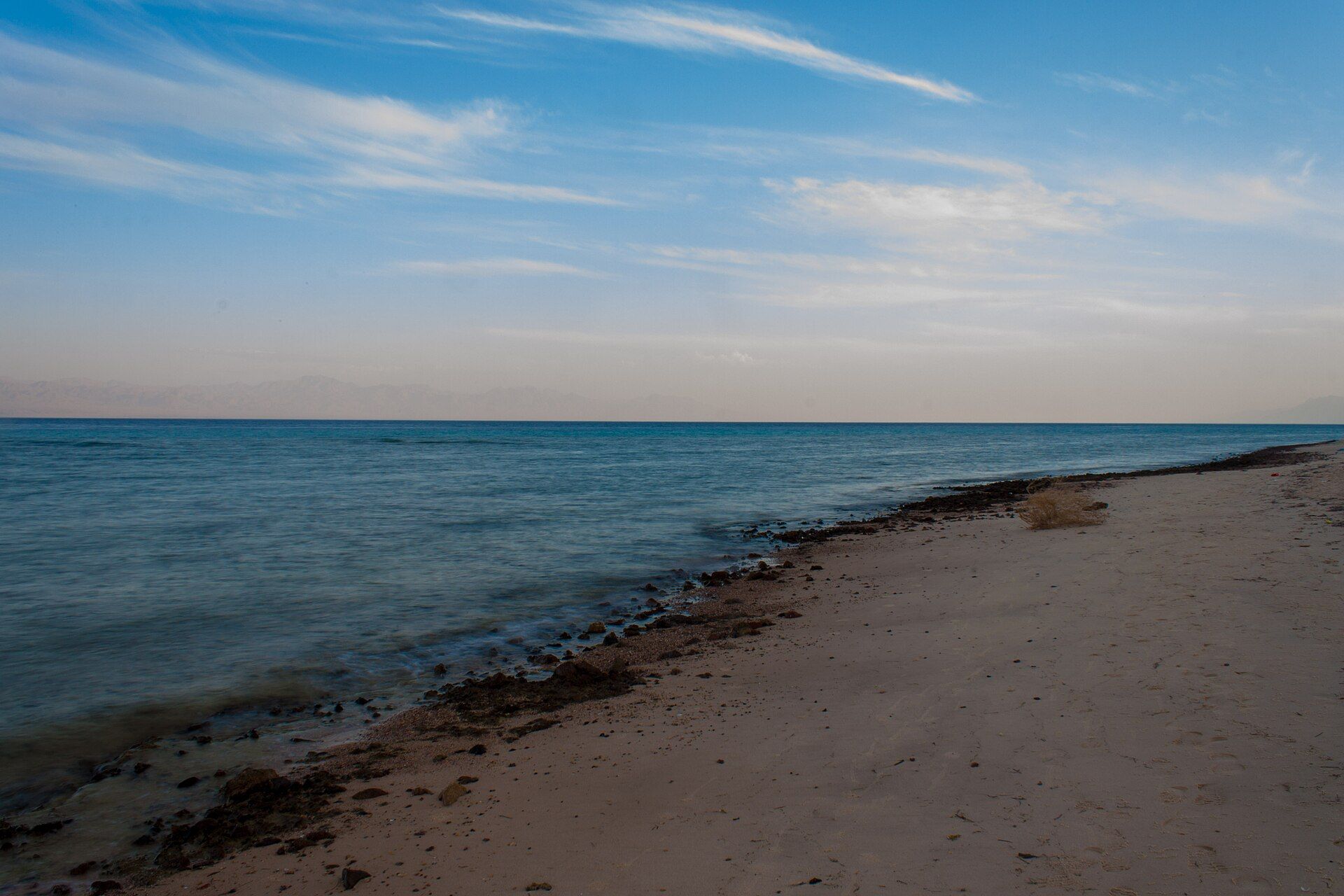
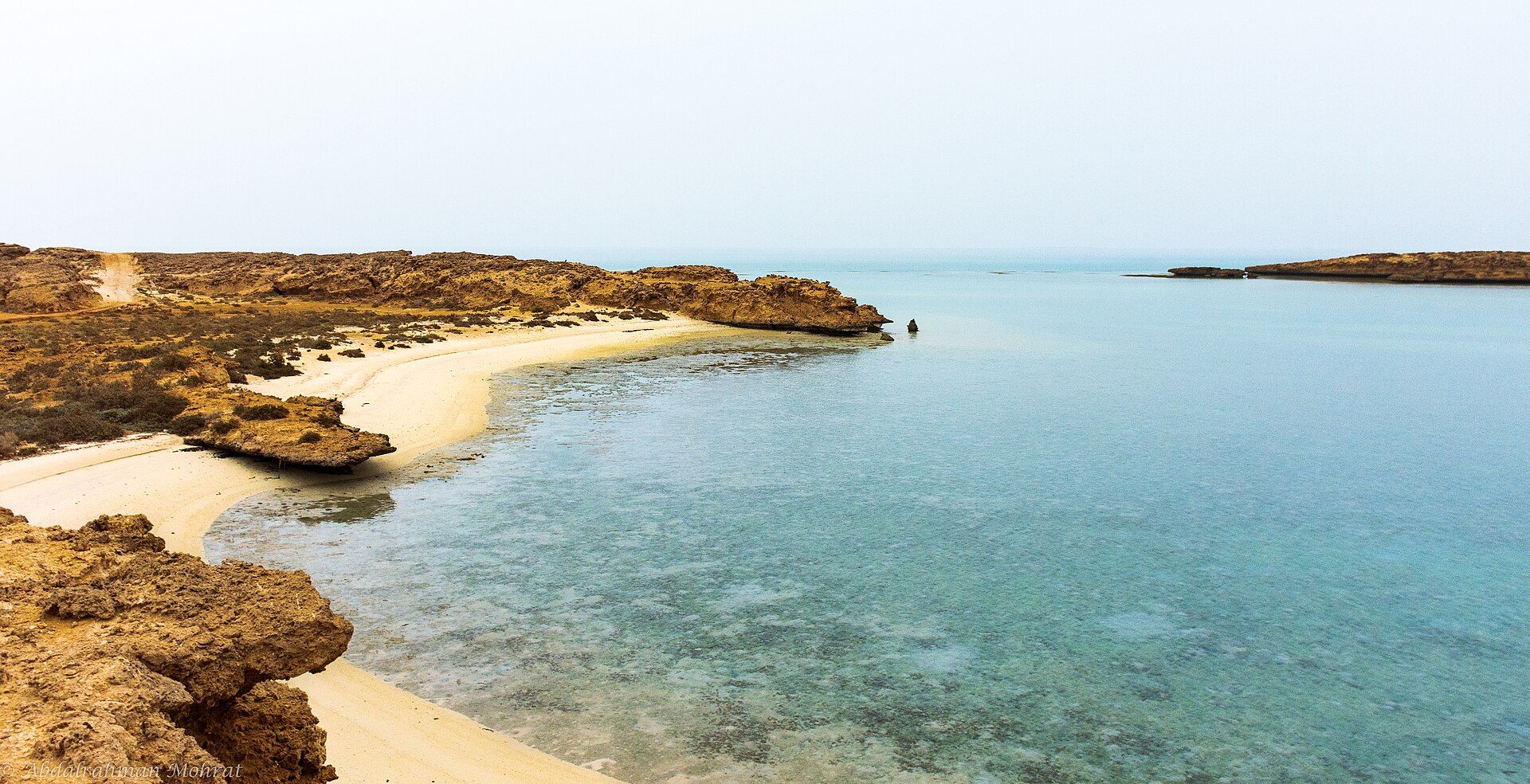
Coral walls at the tip of the Sinai
A marine national park where the Gulf of Suez meets the Gulf of Aqaba, with fringing reef that plunges into deep blue water, clouds of anthias, turtles, rays and reef sharks — and bare desert cliffs above. 20–30 minutes by road from Sharm el-Sheikh.
- Reef right off the shore, with dramatic drop-offs
- Short transfer from an international airport
- Diveable year-round; desert scenery above the water
Head to head
| What matters | Great Barrier Reef | Red Sea (Ras Muhammad) |
|---|---|---|
| Scale & variety Edge: Great Barrier Reef | About 2,300 km and ~2,900 reefs — weeks of sites if you want them. | One national park at the tip of the Sinai, focused on its walls and coral gardens. |
| Getting to the reef Edge: Red Sea (Ras Muhammad) | Fly to Cairns (about 3 h from Sydney), then 1.5–2 h by boat to the outer reef; inner reef and island sites are closer. | 20–30 minutes by road from Sharm el-Sheikh, which has its own international airport, or a dive-boat day trip from the marina. |
| Best time Edge: Red Sea (Ras Muhammad) | June to October, the dry season, for the clearest water and calmest seas. Stinger suits are needed roughly November to May. | Good all year; water is warmest and calmest roughly April to November, and winter is fine with a wetsuit. |
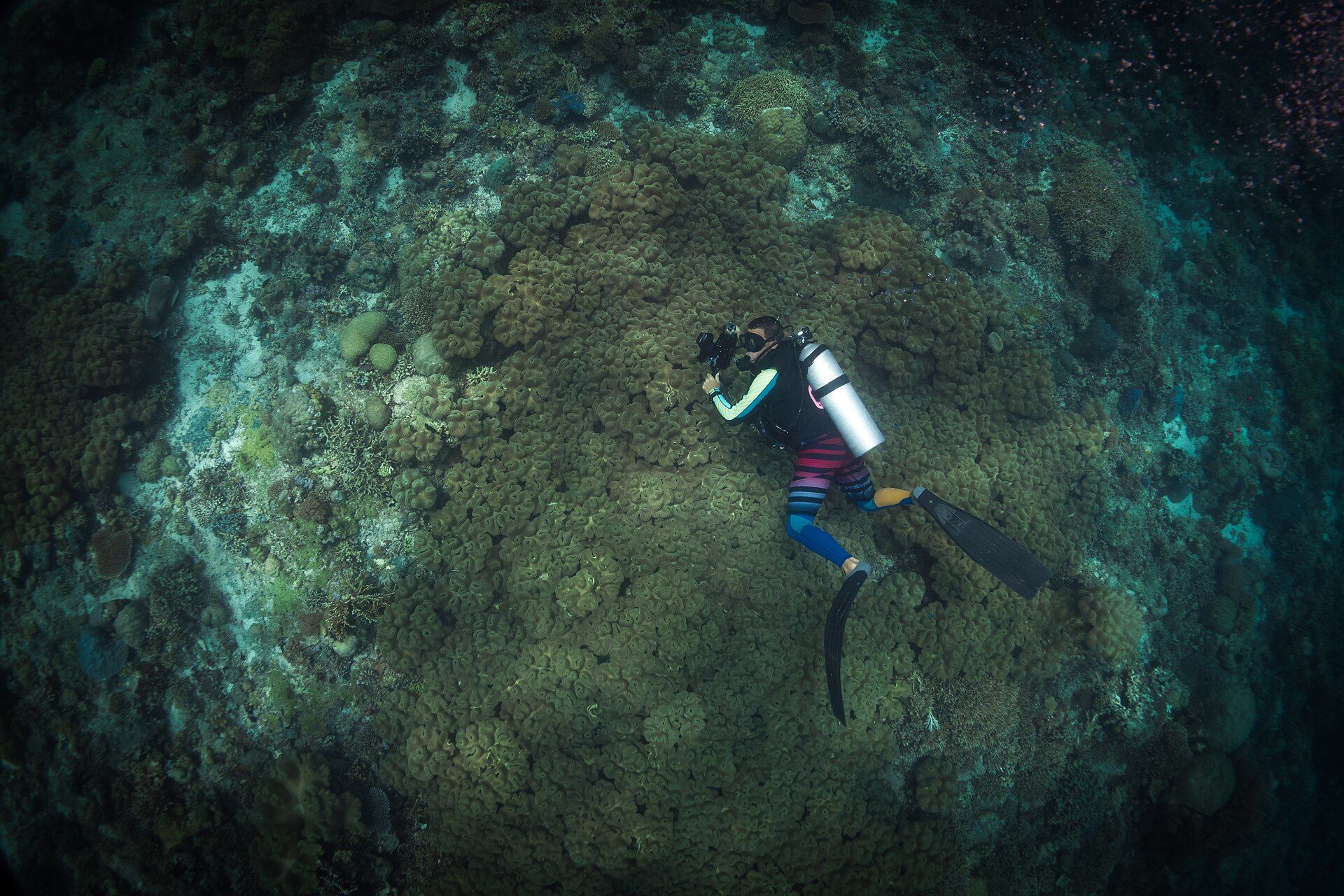
| Underwater character Edge: Toss-up | A mosaic of reefs, lagoons, cays and seagrass — variety rather than one signature scene. | Sheer coral walls dropping into deep blue, with sometimes strong currents at the drop-offs. |
| Above the water Edge: Toss-up | Turquoise lagoons and islands, best seen from the air. | Stark desert, salt marsh and mangroves meeting intense blue sea. |
| Permits & fees Edge: Great Barrier Reef | No visitor permit — the marine park charge is collected in operator fares. | The national park charges an entry fee, often included by day boats. Check regional travel advice before planning Sinai trips. |
Which should you choose?
Choose Great Barrier Reef if…
…you want the widest choice of sites and trip styles, you have several days (or a liveaboard) to see real variety, and you can travel in the June–October window.
Choose Red Sea (Ras Muhammad) if…
…you want world-class reef within a short transfer of the airport, you like wall dives and drop-offs, or your dates fall outside Australia's dry season.
The honest verdict
Pick the Great Barrier Reef if scale is the point: no other reef system offers as many sites or formats, and the outer reef rewards the boat ride with healthier coral and better visibility.
Pick the Red Sea at Ras Muhammad if time is short or your dates are flexible: the reef starts at the shoreline, the walls are dramatic, and the season runs all year.
On both, reef health varies by site — ask operators which reefs are in good shape for your dates, and never touch or stand on coral.
Wonders mentioned here
Added