🇬🇷 Natural wonders of Greece
A land of mountains and islands ringed by the Aegean and Ionian seas — where dramatic geology, from the soaring rock pillars of Meteora to countless islands, meets deep human history.
🗓️ Best time for nature: Spring and autumn (roughly April–June and September–October) for mild weather and beautiful light; summer is hot and busy.
The lay of the land
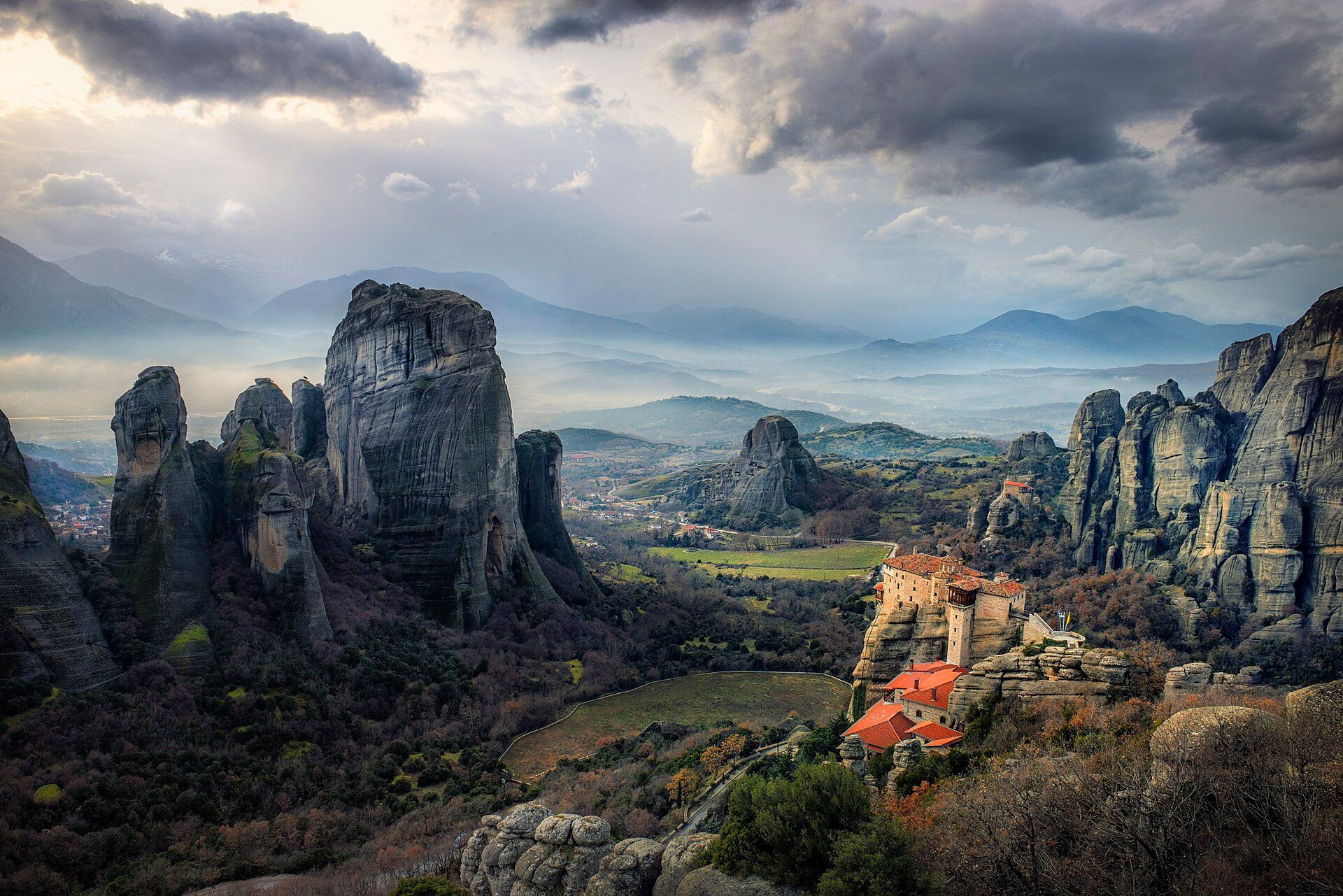
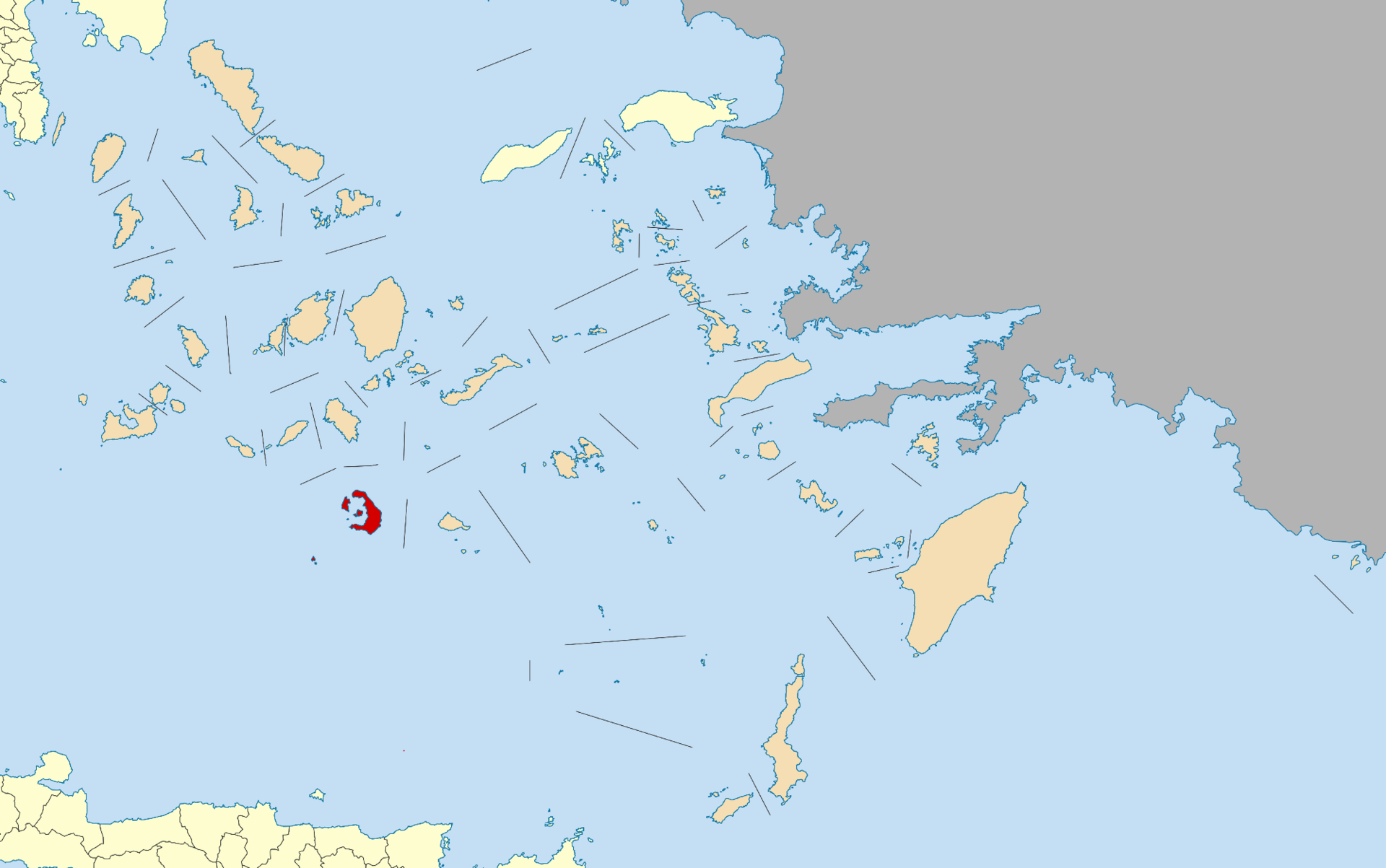
Greece is overwhelmingly mountainous, folded and faulted along an active tectonic boundary, and fringed by thousands of islands. On the Thessalian plain, the giant rock pillars of Meteora rise 300–400 metres — compacted ancient river-delta sediment, lifted and eroded into isolated towers. Elsewhere, limestone ranges, gorges, caves, and volcanic islands like Santorini record a restless geology, while the surrounding seas shape a mild Mediterranean climate.
Where to begin
-
Meteora
Giant rock pillars crowned by centuries-old clifftop monasteries.
A taste of the place
Greek cuisine is a Mediterranean classic — olive oil, sheep's-milk feta, village salads, roast lamb and moussaka — with regional wines like those of the Thessalian plains around Meteora.
Traveling responsibly
- Catch Meteora at sunrise or sunset, when the towers glow and mist gathers below.
- Dress modestly and check opening days if visiting the working monasteries.
- Hiking trails between the rocks give quieter, more dramatic views than the road.
Greece is a country of mountains and islands, restless with the tectonics of an active plate boundary. Its most surreal natural landmark is Meteora, where colossal pillars of rock rise 300 to 400 metres from the Thessalian plain — ancient river-delta sediment lifted and carved into isolated towers, several crowned by centuries-old monasteries. This atlas begins the country’s chapter at Meteora, with Greece’s gorges, caves, and volcanic islands to come.
Added
All wonders in Greece
2 places