🇮🇷 Natural wonders of Iran
A land of extremes beyond its famous cities — record-hot deserts of wind-carved ridges, mineral-terraced springs, and a 'rainbow island' of coloured salt-dome geology.
🗓️ Best time for nature: Spring and autumn suit most of the country; the southern deserts and Gulf are best in the cool months of roughly October to April.
The lay of the land
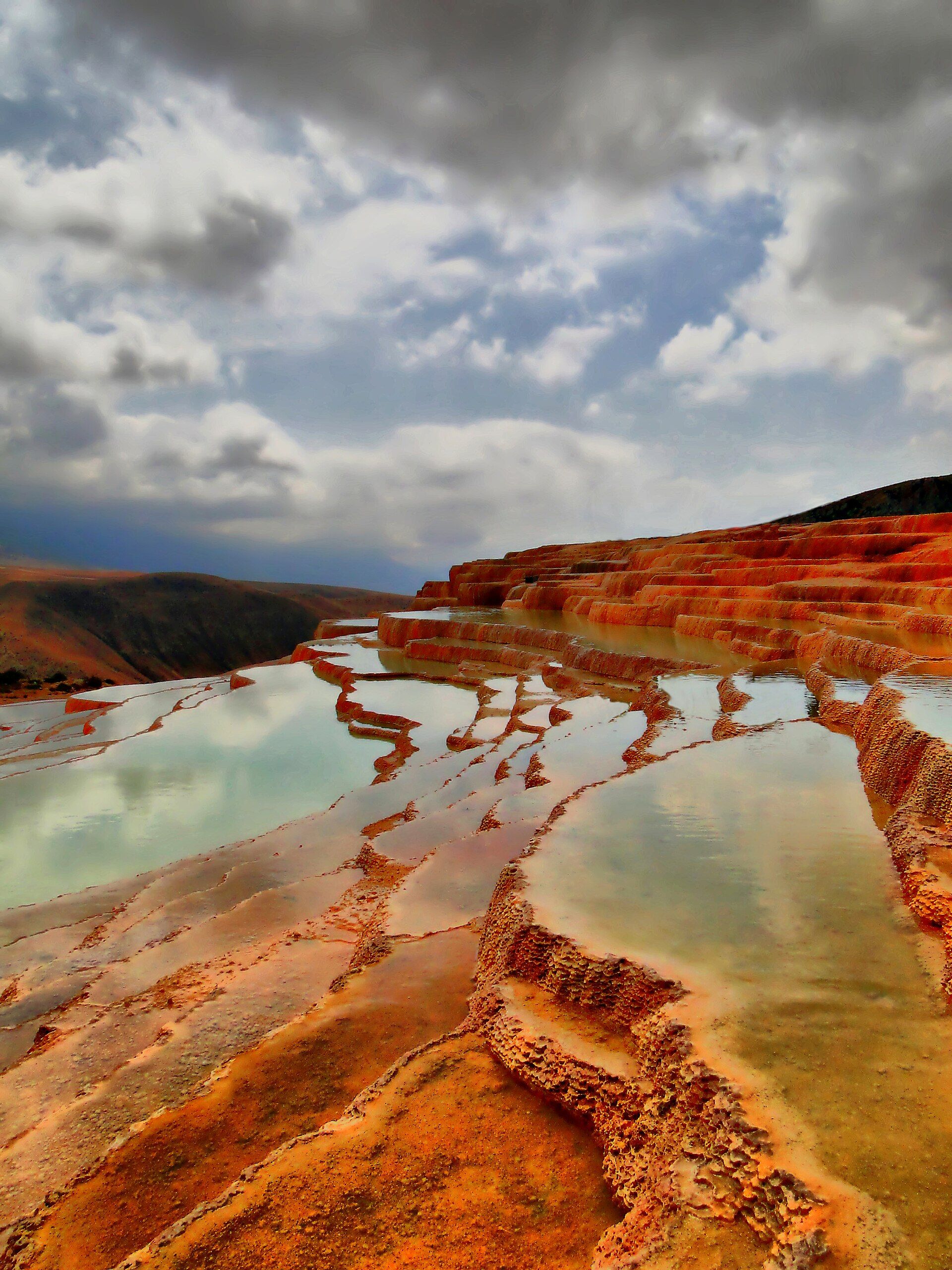
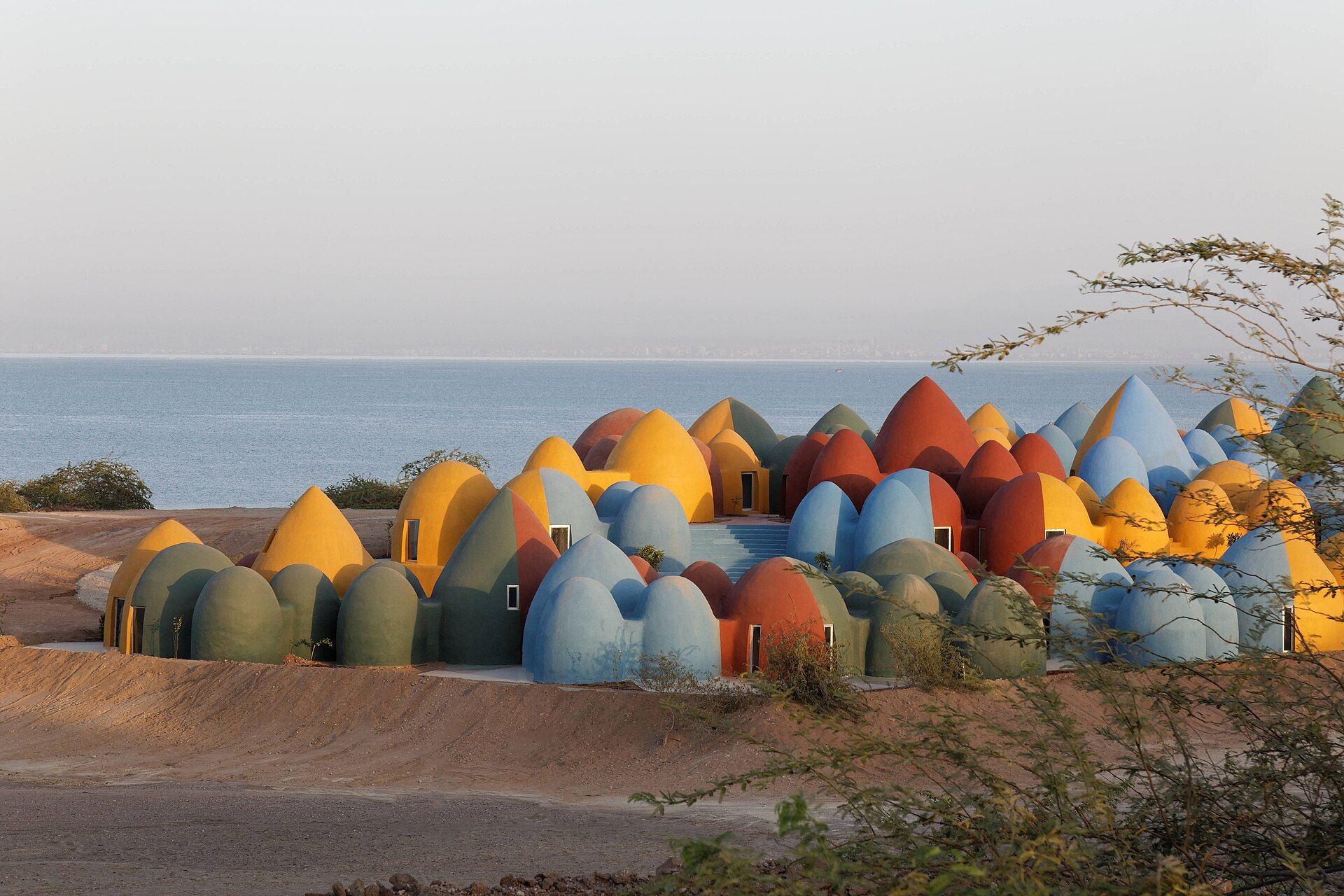
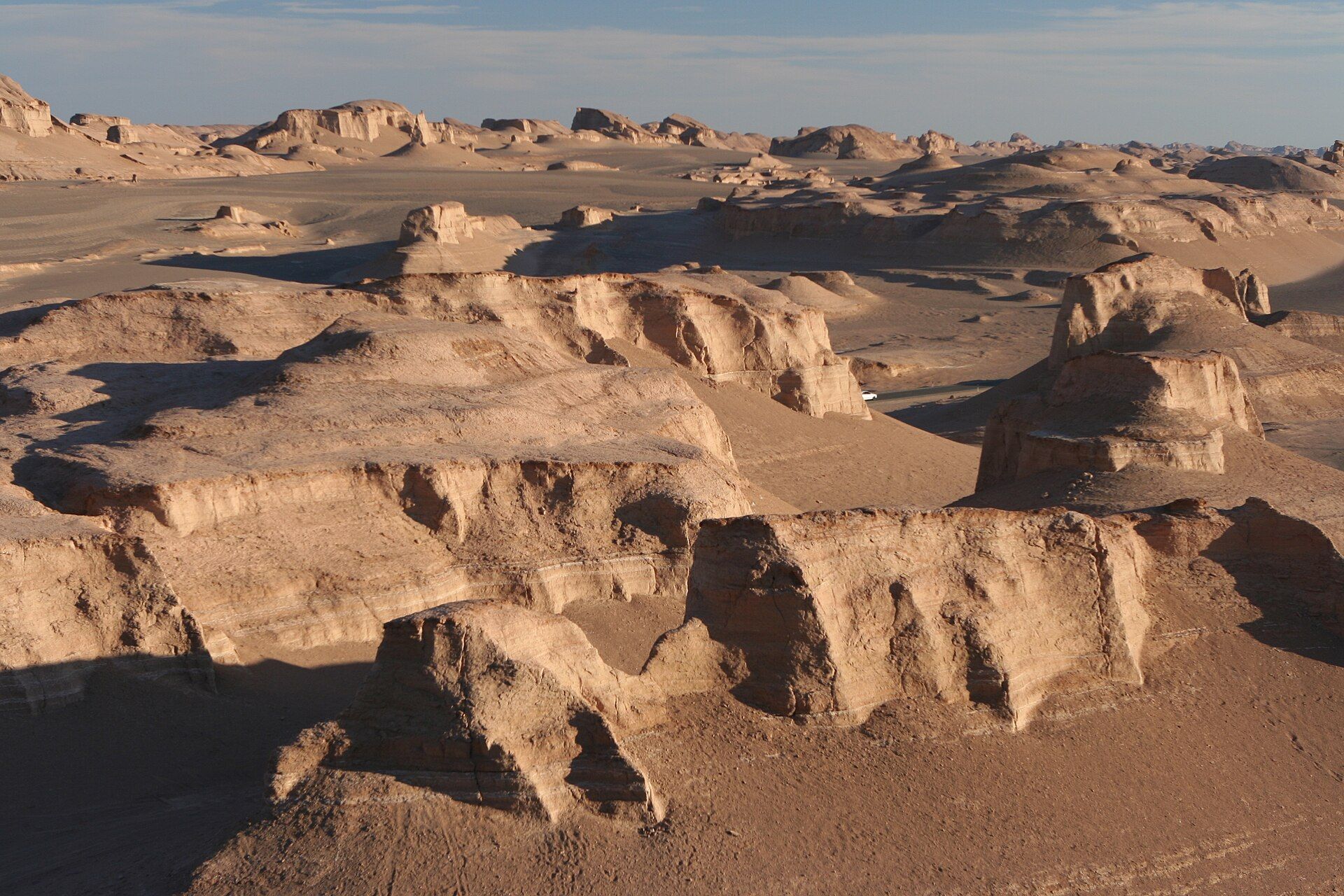
Iran is mostly high, dry plateau ringed by mountains, and its natural wonders are shaped by aridity and geology. The Dasht-e Lut in the southeast is one of the hottest places on Earth, its sediment carved by wind into vast ridges called kaluts. In the wetter northern mountains, mineral springs have built the coloured travertine terraces of Badab-e Surt. In the Persian Gulf, the salt dome of Hormuz Island paints hills and beaches in a spectrum of colours. Between them lie forests, salt lakes, and dramatic mountain ranges.
Where to begin
-
Lut Desert
One of Earth's hottest deserts, carved into vast ridges called kaluts.
-
Badab-e Surt
Orange-red mineral terraces built by hot springs in the northern mountains.
-
Hormuz Island
A 'rainbow island' of colourful salt-dome geology in the Persian Gulf.
A taste of the place
Persian cuisine is fragrant and refined — saffron, herbs, and dried fruit in slow-cooked stews (khoresh), rice dishes, and kebabs — with strong regional traditions across the country.
Traveling responsibly
- Visit the southern deserts and Gulf in the cool season; summer heat is extreme.
- Explore remote sites like the Lut Desert only with experienced local guides.
- Dress modestly in line with local customs, especially away from the big cities.
Beyond its celebrated cities, Iran is a country of dramatic natural extremes. The Dasht-e Lut ranks among the hottest places on Earth, carved into ridges called kaluts; the northern mountains hold the coloured mineral terraces of Badab-e Surt; and the Persian Gulf hides the rainbow geology of Hormuz Island. This atlas begins Iran’s chapter with those three, with its forests, salt lakes, and mountains still to come.
Added
All wonders in Iran
3 places