Hormuz Island
📍 Strait of Hormuz, Persian Gulf, southern Iran
A small 'rainbow island' in the Strait of Hormuz where salt-dome geology paints the hills and beaches in red, ochre, and a spectrum of mineral colours — including sand you can taste.
What makes it marvelous
Hormuz is a salt-dome island: deep layers of salt and mineral-rich rock, squeezed up from below over millions of years, have brought a rainbow of minerals to the surface. The result is a landscape banded and blotched in dozens of colours — blood-red hills of iron-rich 'gelak' ochre, valleys striped in yellows, whites, and purples, and even a beach where red mineral dust tints the sand and the sea. Salt caves and crystal-lined valleys add to one of the most colourful pieces of geology anywhere.
Why visit
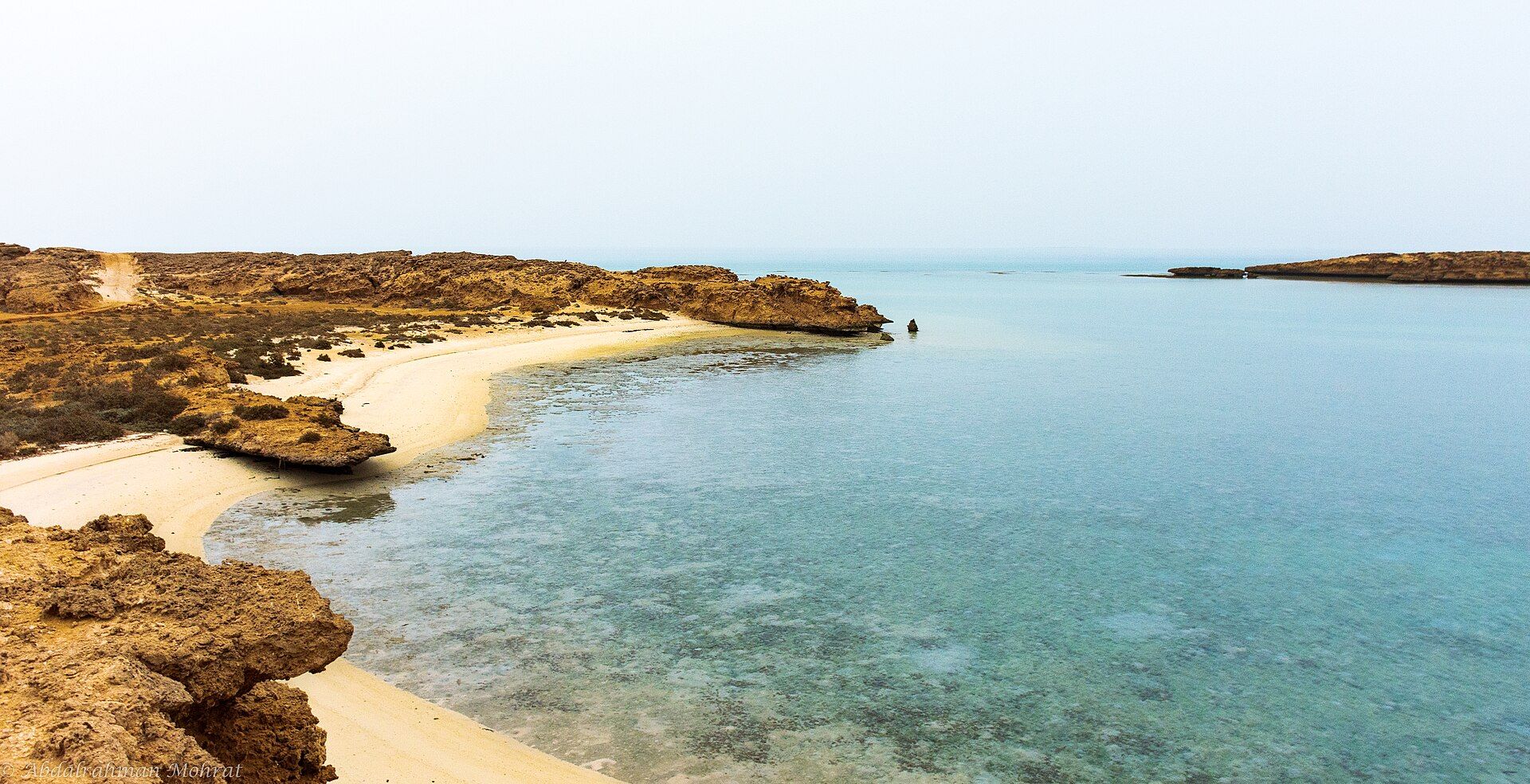
Hormuz feels like walking through a painter's palette: the Rainbow Valley, the Red Beach where ochre meets turquoise water, glittering salt caves, and hills striped in improbable colours. The red soil is so pure it is used as a pigment and even, locally, as a food colouring. Small, warm, and easily explored, the island pairs surreal geology with quiet Gulf beaches and fishing villages.
What to know before you go
🗓️ Best time
The cooler months of November to March are the only comfortable time; summers on the Gulf are extremely hot and humid.
🧭 Getting there & access
A short passenger ferry from Bandar Abbas on Iran's southern coast reaches Hormuz. The island is small enough to tour in a day by hired vehicle, tuk-tuk, or motorbike around its colourful valleys and beaches.
Good to know
- Visit in winter; the Gulf summer heat is punishing.
- Hire a local guide or driver to find the Rainbow Valley, Red Beach, and salt caves.
- Don't dig up or carry off the coloured minerals — the island's colours are its livelihood and its wonder.
Plan your visit
Easy🧭 Getting there
From Bandar Abbas (BND), southern Iran
- Fly to Bandar Abbas
- Passenger ferry across the strait to Hormuz — roughly 30–45 minutes
- Tour the island by hired vehicle, tuk-tuk, or motorbike
- Total travel
- A half-day trip from Bandar Abbas; nicer with an overnight
- Time at site
- A full day to circle the valleys, beaches, and caves
- Access
- Regular passenger ferries by day (weather-dependent on the Gulf). No formal permit for the island's natural sites; local guides and drivers run tours to the coloured valleys and beaches.
🎒 What to bring & consider
- Sun protection, a hat, and plenty of water — shade is scarce
- Sturdy sandals for rocky, dusty valleys and beaches
- Cash; the island is small and largely cash-based
- Light, modest clothing suited to the local culture and the heat
👁️ What to expect
- Crowds
- Popular with Iranian travellers, busiest around holidays and the cool-season weekends; generally relaxed.
- Conditions
- Hot, dry, and dusty; easy walking on beaches and through low coloured hills.
- Facilities
- Guesthouses, homestays, and simple eateries in the island's town; basic elsewhere.
- The view
- The Red Beach where ochre sand meets turquoise sea, or the striped Rainbow Valley in low light. Winter light and cooler air make exploring possible.
Times and requirements are approximate and change with season, weather, and local rules — confirm permits, fares, and schedules with operators before you travel.
Natural riches of the area
- A salt dome bringing dozens of surface minerals to light
- Iron-rich red ochre ('gelak') soil used as pigment
- Salt caves and crystal-lined valleys
- Warm Gulf waters, beaches, and coastal wildlife
Local food
- Fresh Gulf seafood
- Grilled and stewed fish from the warm waters of the Persian Gulf.
- Persian dates
- Sweet dates from the palm groves of southern Iran.
Hormuz is barely 42 square kilometres, but it may be the most colourful island on Earth. It sits over a salt dome — a plug of ancient salt and mineral-laden rock forced slowly upward over millions of years — which has carried a whole spectrum of minerals to the surface. The result is a landscape striped and splashed in reds, ochres, yellows, whites, and purples: blood-red hills, a valley banded like a rainbow, glittering salt caves, and a beach where iron-rich dust tints both the sand and the shallows.
The island’s red ochre, called gelak, is so pure it is harvested as a pigment and even used locally as a food colouring — a reminder that its colours are woven into daily life. Small, warm, and reached by a short ferry from Bandar Abbas, Hormuz can be toured in a day of wandering between the Rainbow Valley, the Red Beach, and quiet fishing coves. It is one of those places where geology alone becomes the wonder.
Hormuz Island: common questions
How do you get to Hormuz Island?
From Bandar Abbas (BND), southern Iran: Fly to Bandar Abbas; Passenger ferry across the strait to Hormuz — roughly 30–45 minutes; Tour the island by hired vehicle, tuk-tuk, or motorbike. Allow a half-day trip from bandar abbas; nicer with an overnight.
When is the best time to visit Hormuz Island?
The cooler months of November to March are the only comfortable time; summers on the Gulf are extremely hot and humid.
How long should you spend at Hormuz Island?
A full day to circle the valleys, beaches, and caves. A half-day trip from Bandar Abbas; nicer with an overnight of travel from Bandar Abbas (BND), southern Iran.
What should you bring to Hormuz Island?
Sun protection, a hat, and plenty of water — shade is scarce Sturdy sandals for rocky, dusty valleys and beaches Cash; the island is small and largely cash-based Light, modest clothing suited to the local culture and the heat
Do you need a permit or guide for Hormuz Island?
Regular passenger ferries by day (weather-dependent on the Gulf). No formal permit for the island's natural sites; local guides and drivers run tours to the coloured valleys and beaches.
Is Hormuz Island crowded, and what are conditions like?
Popular with Iranian travellers, busiest around holidays and the cool-season weekends; generally relaxed. Hot, dry, and dusty; easy walking on beaches and through low coloured hills. Facilities: guesthouses, homestays, and simple eateries in the island's town; basic elsewhere.
Added
More wonders to explore