Nature route · ~5 days
Bicol Fire & Water
Perfect volcanoes, gentle giants, and hidden island coves — the elemental south of Luzon.
A Bicol road-and-sea route pairing the near-perfect cone of Mayon and the rainforest volcano of Bulusan with Donsol's whale sharks and the limestone islands of Caramoan — fire and water, back to back.
- Length 5–6 days
- Stops 4 wonders
- Budget ₱16,000–46,000 pp
- Region Luzon, Philippines
Trip map
The route
Stops in travel order — tap any one for the full wonder guide.
-
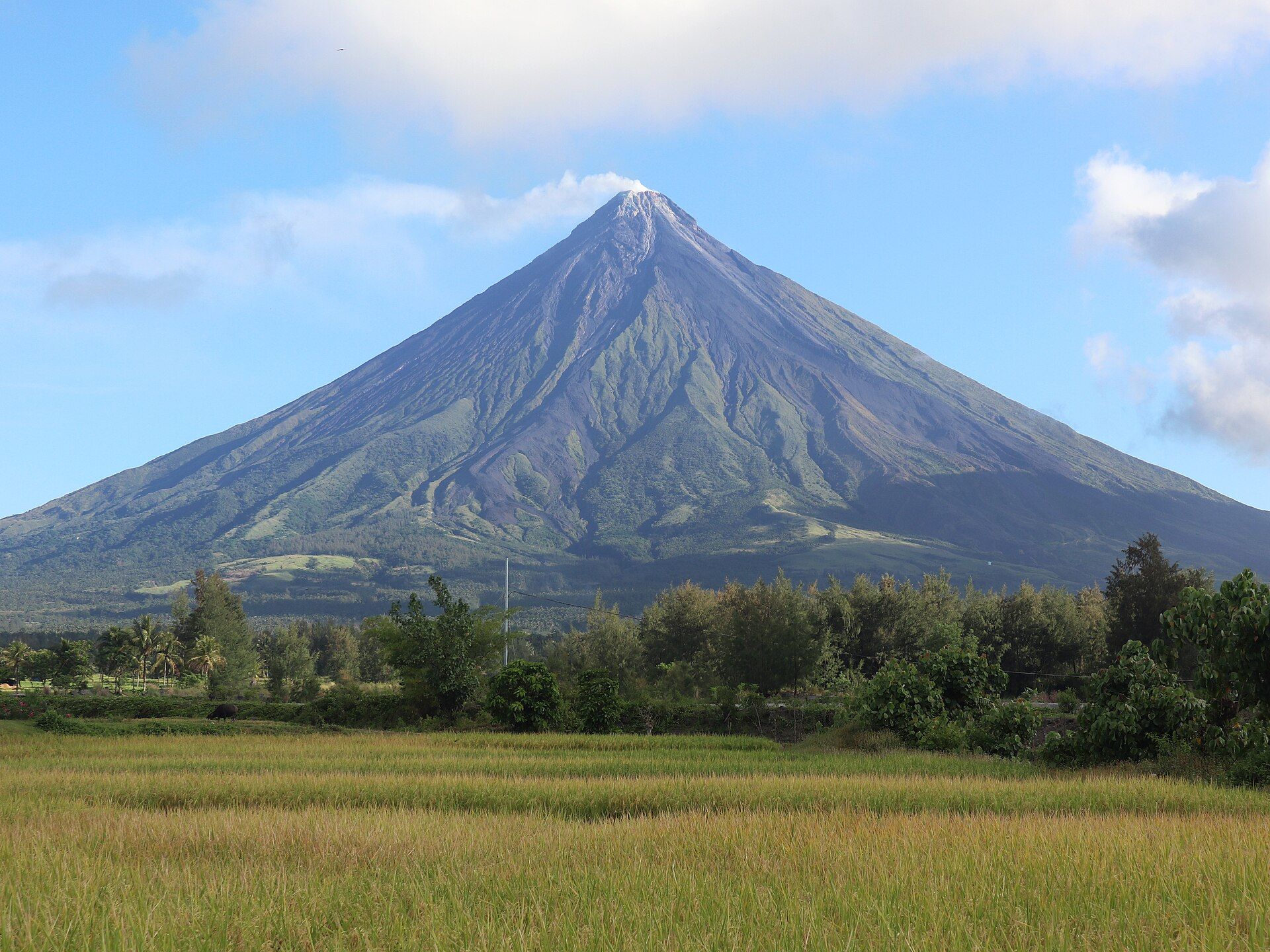
Mayon Volcano 2 nights
Albay, Bicol Region, Philippines
The world's most famous symmetrical cone, looming over Legazpi — the trip's fiery centrepiece and easiest base.
-
Donsol Whale Shark Sanctuary 1 night
Donsol, Sorsogon, Bicol Region
The original community whale-shark sanctuary, where butanding gather in the plankton-rich shallows in season.
-
Bulusan Volcano & Lake 1 night
Sorsogon, Bicol, Philippines
Mayon's green opposite — an active, rainforest-cloaked volcano cradling a still crater-foot lake in Sorsogon.
-
Caramoan Islands 1 night
Caramoan, Camarines Sur, Bicol, Philippines
A remote peninsula of karst islets and hidden lagoons, an El Nido-like finale reached via Bicol's north.
Day by day
-
Fly to Legazpi, meet Mayon
Base Legazpi, Albay
- Manila to Legazpi by air — about 1h — or overnight coach
Land beneath Mayon and spend the afternoon at the Cagsawa ruins framing the cone, or an ATV run across the lava field. Two nights based in Legazpi.
-
Mayon up close, Albay loop
Base Legazpi, Albay
Circle Mayon through Albay's viewpoints and lava-scarred foothills. Keep an eye on the PHIVOLCS bulletin — the mountain is active and the summit is off-limits — and enjoy it from the classic safe vantages.
-
Donsol whale sharks
Base Donsol, Sorsogon
- Legazpi to Donsol — about 1.5h
Register at the Donsol interaction centre and head out with the spotters for a chance to snorkel alongside whale sharks. Afternoon option: the firefly river cruise.
-
Bulusan's rainforest volcano
Base Bulusan/Irosin, Sorsogon
- Donsol toward Bulusan via Sorsogon City — about 2.5–3h
Walk or paddle the forest-ringed loop of Bulusan Lake and soak in a spring nearby, in the shadow of one of the country's busiest volcanoes (check the alert level first).
-
North to Caramoan
Base Caramoan, Camarines Sur
- Bicol road north toward Sabang, then a 1.5–2h boat to Caramoan — a long transfer day
Reposition to the Caramoan peninsula. If the sea allows, get an afternoon island stop in; otherwise rest for a full island-hopping morning tomorrow.
-
Caramoan islands, fly out
Base Onward
- Morning island-hopping; transfer to Naga for the flight home — allow a half-day
Hop between Matukad, Lahos, and Cotivas by banca, then make your way to Naga to fly out. Keep this day flexible — the crossing is weather-dependent.
What it costs
Per person, two sharing, 5 nights, including two domestic flights (Manila–Legazpi, Naga–Manila). Excludes shopping.
| Category | Range (per person) |
|---|---|
| TransportTwo domestic flights plus vans, buses, and the Caramoan boat; flights swing widely with season and lead time. | ₱5,500–16,000 |
| Lodging5 nights in guesthouses to mid-range hotels; Caramoan and Donsol are simpler. | ₱4,000–14,000 |
| FoodBicol eateries — expect coconut, chilli, and pili at every turn. | ₱2,500–6,000 |
| Fees & guidesDonsol whale-shark interaction and boat, Caramoan island-hopping banca and fees, Mayon ATV, Bulusan park. | ₱4,000–10,000 |
| Estimated total | ₱16,000–46,000 |
What moves the number
- Domestic airfare — by far the biggest variable, driven by season and how early you book
- Whether you island-hop Caramoan privately or share a boat
- Group size for boats and vans
- How much you upgrade lodging in Legazpi
Indicative mid-2026 ranges; confirm current airfares, interaction fees, and boat rates before booking. Roughly US$280–810 per person at mid-2026 exchange rates. These are honest ranges, not quotes — real prices swing with season, group size, and how you travel. Always confirm current fares, room rates, permits, and fees with operators before you commit.
Best season & getting around
🗓️ Best time to go
March to May is the sweet spot: the driest Bicol months, with the calmest seas for Donsol and the Caramoan crossing and the best chance of clear volcano views. Whale-shark season at Donsol runs roughly December to May (often best February–April). Avoid the June–December typhoon season — this coast faces the Pacific and takes storms hard.
🧭 Getting around
Fly into Legazpi and out of Naga to avoid backtracking. Between towns, hire a van with driver or use Bicol's vans and buses; the Caramoan leg needs a boat across Lagonoy Gulf, which only runs in settled weather. Donsol, Caramoan, and Bulusan are all arranged with local operators and fees on arrival.
Know before you go
- Whale-shark encounters at Donsol are wild and seasonal — sightings are never guaranteed; follow the sanctuary's no-touch interaction rules.
- Mayon and Bulusan are both active — check the PHIVOLCS alert level; raised levels close danger zones and can reroute the trip.
- The Caramoan crossing and island-hopping depend entirely on the sea; keep the last day flexible and have a buffer for weather.
- Distances and boat times are approximate and shift with conditions.
Bicol wears its geology on the surface. The peninsula is a chain of volcanoes rising straight from the sea, wrapped in coconut and chilli country and edged by some of the richest waters in Luzon. This route plays its two elements against each other: the fire of Mayon’s flawless cone and Bulusan’s restless rainforest crater, and the water of Donsol’s whale sharks and Caramoan’s hidden island lagoons.
It is a trip of active volcanoes and open-sea crossings, so it rewards flexibility and respect for the bulletins — the PHIVOLCS alert level for the mountains, the sea state for the boats. Come in the dry heart of spring, fly in to Legazpi and out of Naga, and let Bicol show you how fire builds the land and water fills it with life.
Bicol Fire & Water: common questions
How many days is the Bicol Fire & Water?
5–6 days — the plan is built around 5 nights. Roughly 500–650 km of Bicol road travel, plus boats
When is the best time to do the Bicol Fire & Water?
March to May is the sweet spot: the driest Bicol months, with the calmest seas for Donsol and the Caramoan crossing and the best chance of clear volcano views. Whale-shark season at Donsol runs roughly December to May (often best February–April). Avoid the June–December typhoon season — this coast faces the Pacific and takes storms hard.
How much does the Bicol Fire & Water cost?
A rough guide is ₱16,000–46,000 per person (Per person, two sharing, 5 nights, including two domestic flights (Manila–Legazpi, Naga–Manila). Excludes shopping.). Indicative mid-2026 ranges; confirm current airfares, interaction fees, and boat rates before booking. It varies with domestic airfare — by far the biggest variable, driven by season and how early you book, whether you island-hop caramoan privately or share a boat, group size for boats and vans.
How do you get around on the Bicol Fire & Water?
Fly into Legazpi and out of Naga to avoid backtracking. Between towns, hire a van with driver or use Bicol's vans and buses; the Caramoan leg needs a boat across Lagonoy Gulf, which only runs in settled weather. Donsol, Caramoan, and Bulusan are all arranged with local operators and fees on arrival.
Which natural wonders does the Bicol Fire & Water include?
Mayon Volcano, Donsol Whale Shark Sanctuary, Bulusan Volcano & Lake, Caramoan Islands.
Added