The Amazon Rainforest
📍 Amazon Basin, Brazil (and neighbouring countries)
The largest tropical rainforest on Earth — a continent-spanning sea of green threaded by the mighty Amazon River, holding a staggering share of the planet's species and helping regulate the world's climate.
What makes it marvelous
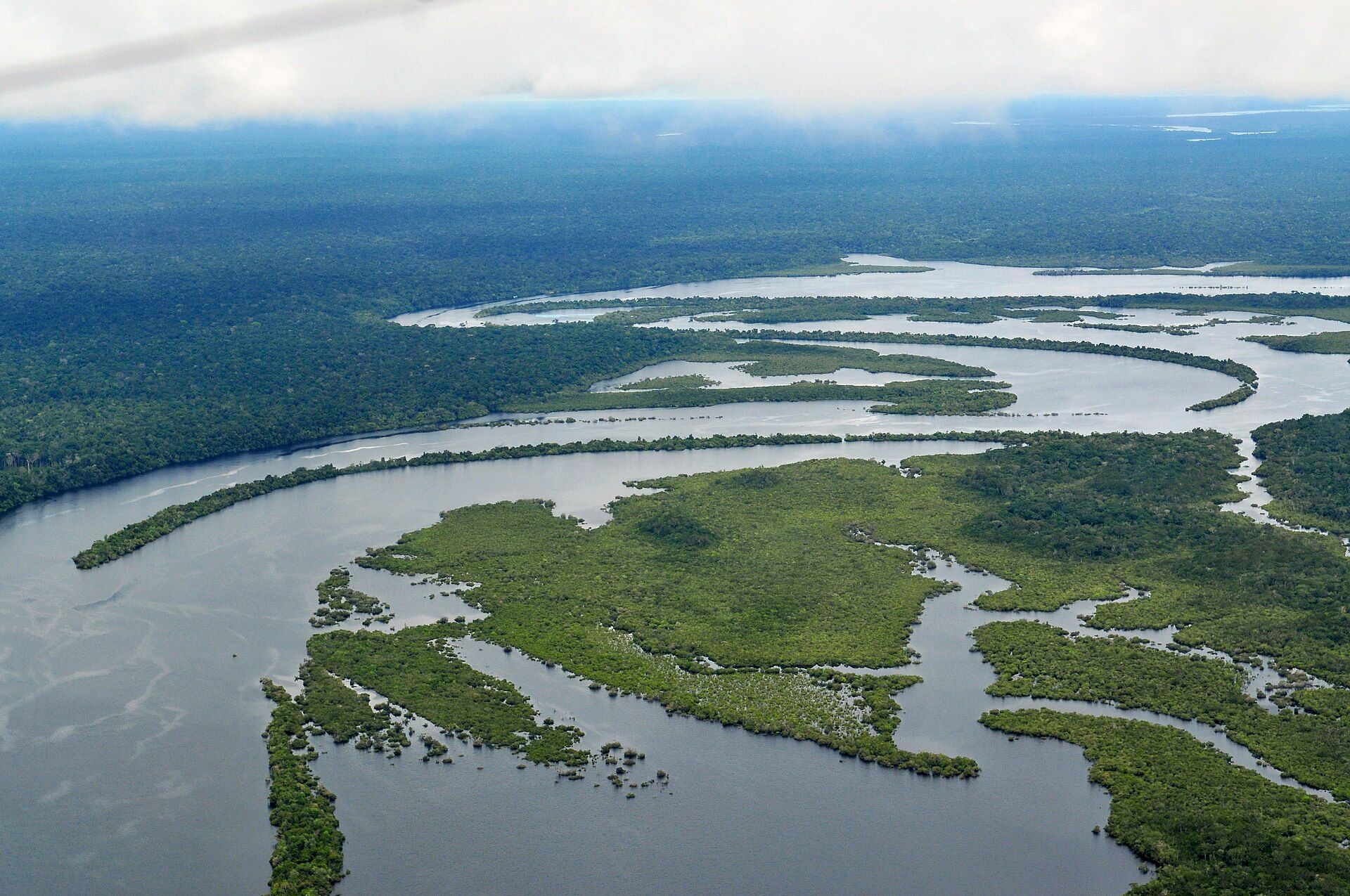
The Amazon covers roughly 5.5 million square kilometres, most of it in Brazil, and is home to perhaps one in ten of all known species on Earth — countless still undescribed. The Amazon River carries more water than the next several largest rivers combined, and each year a vast area of floodplain forest is inundated, creating unique flooded 'igapó' ecosystems where fish swim among the treetops. The forest cycles enormous amounts of water and carbon, earning its role in the planet's climate.
Why visit
To travel the Amazon is to grasp scale and abundance — pink river dolphins, macaws and toucans, monkeys and caimans, and a canopy humming with life. River journeys and lodges offer immersive encounters with both the ecosystem and the Indigenous and riverine communities who have lived with it for millennia.
What to know before you go
🗓️ Best time
Two broad seasons: the high-water/flooded season (roughly December–May) is best for boat travel among the trees; the low-water/dry season (roughly June–November) exposes beaches and eases forest hiking and wildlife spotting.
🧭 Getting there & access
Gateways include Manaus (Brazil), where the Rio Negro meets the Amazon at the 'Meeting of the Waters'. Most visits are by riverboat and lodge with licensed guides.
Good to know
- Go with responsible operators that support conservation and local communities.
- Bring insect protection and prepare for heat and humidity.
- Choose the season for your goal — flooded forest by boat, or dry-season hiking and beaches.
Natural riches of the area
- Earth's largest tropical rainforest and its carbon/water cycles
- The Amazon River — the largest river by discharge
- Perhaps ~10% of all known species on the planet
- Vast biodiversity of fish, birds, mammals, plants, and insects
Local food
- Tacacá & tucupi
- An Amazonian soup with jambu (a tingling herb) and tucupi, fermented cassava broth.
- Açaí
- The now-famous Amazon palm berry, eaten as a thick bowl, often savoury locally.
- Pirarucu & tambaqui
- Giant Amazon river fish, grilled or stewed.
The Amazon is almost too big to picture: a rainforest of some 5.5 million square kilometres, most of it in Brazil, holding perhaps one in every ten species known to science — and untold numbers still unknown. Through it runs the Amazon River, which discharges more water than the next several great rivers combined, and each year floods a vast area of forest so completely that fish feed among the submerged treetops.
That abundance is matched by importance: the forest cycles staggering quantities of water and carbon, making it a keystone of the planet’s climate. For a visitor, though, it’s the life you meet — pink river dolphins, macaws, monkeys, caimans, and a canopy that never falls silent — along with the Indigenous and riverine communities whose knowledge is inseparable from the forest. Travel it by boat, in the right season, with guides who protect what they show you, and the Amazon rearranges your sense of how much life one place can hold.
More wonders to explore