Mount Hamiguitan Range
📍 Davao Oriental, Mindanao
A UNESCO World Heritage wildlife sanctuary famous for its eerie 'pygmy forest' of century-old bonsai-sized trees growing on mineral-rich soil — a hotspot of endemic species, from pitcher plants to the Philippine eagle.
What makes it marvelous
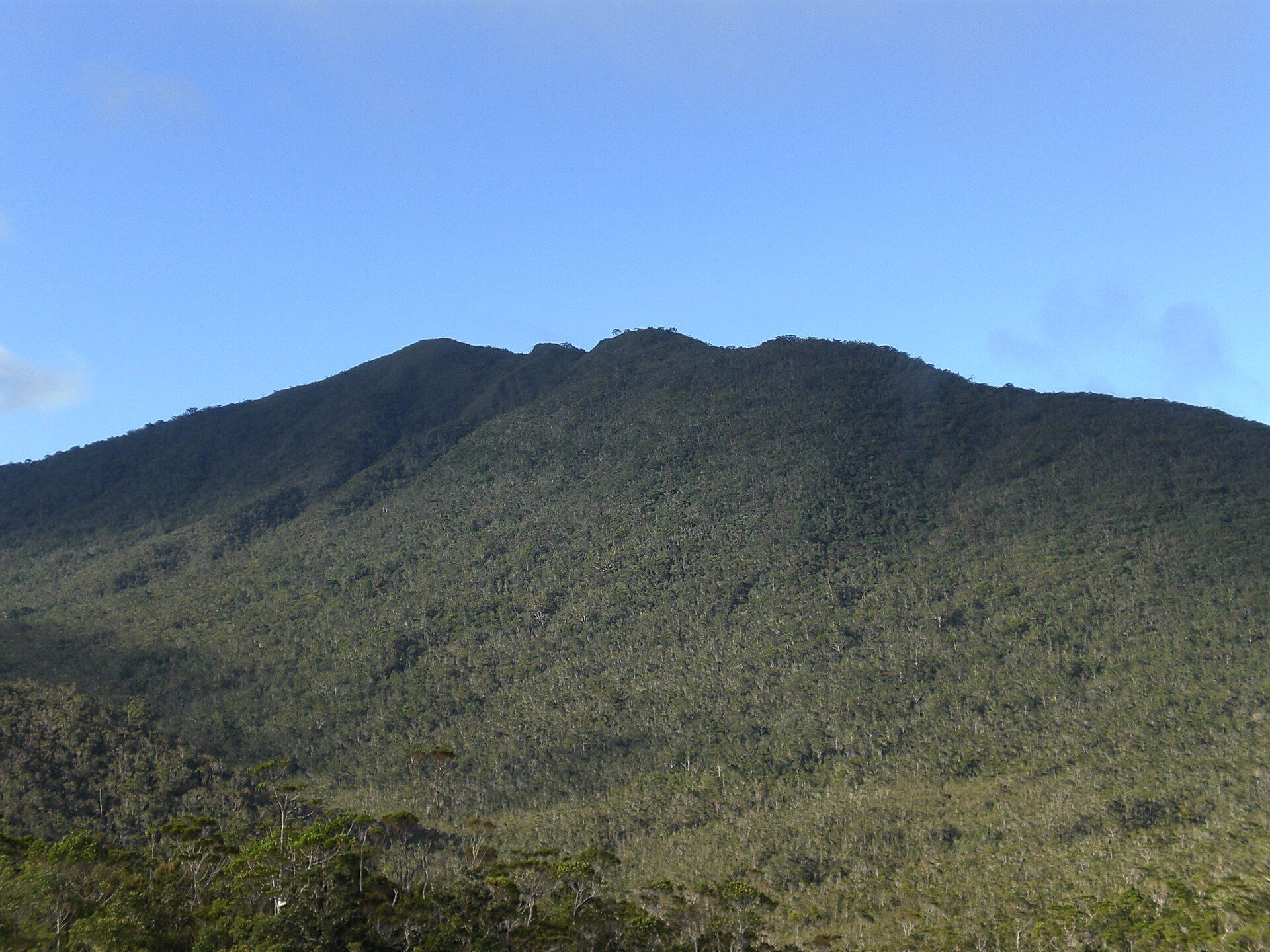
Hamiguitan protects an unbroken gradient of habitats from lowland forest to a mossy-pygmy forest on the summit ridge, where trees stunted by iron-rich, nutrient-poor ultramafic soils grow gnarled and knee- to head-high despite being a century old. That stress breeds specialists: the range shelters dozens of species found nowhere else, including several endemic pitcher plants (Nepenthes), the Philippine eagle, and the Philippine cockatoo. It was inscribed as a UNESCO World Heritage Site in 2014 for this exceptional biodiversity.
Why visit
Hiking into the bonsai forest feels like entering a natural sculpture garden — ancient miniature trees draped in moss, carnivorous pitcher plants along the trail, and a genuine sense of stepping into an evolutionary laboratory. It's one of Mindanao's great natural treasures.
What to know before you go
🗓️ Best time
The drier months (roughly March–May) for safer trails; access is regulated to protect the fragile summit ecosystem.
🧭 Getting there & access
From Mati or San Isidro in Davao Oriental, with permits, orientation, and accredited guides required; visitor numbers are limited to protect the sanctuary.
Good to know
- Secure permits in advance — access and numbers are tightly controlled.
- Stay strictly on the trail; the pygmy forest and pitcher plants are extremely fragile.
- Go with an accredited guide who knows the sanctuary's rules.
Natural riches of the area
- Rare ultramafic (mineral-rich) soils and a pygmy 'bonsai' forest
- Many endemic species incl. Nepenthes pitcher plants
- Habitat for the Philippine eagle and Philippine cockatoo
- Intact forest gradient from lowland to mossy summit
Local food
- Durian & mangosteen
- Davao's celebrated tropical fruit, from the same fertile region.
- Kinilaw na malasugue
- Marlin ceviche cured in vinegar and coconut, a Davao specialty.
- Tuna & fresh seafood
- From the nearby Davao Gulf and Pacific coast.
Mount Hamiguitan protects one of the strangest and most precious forests in the Philippines. Along its summit ridge grows a ‘pygmy forest’ — trees a century old but stunted to knee- and head-height, gnarled and moss-draped, dwarfed by iron-rich, nutrient-starved ultramafic soils. Walking through it feels like entering a natural bonsai garden shaped by geology rather than gardeners.
That harsh soil is an engine of endemism. The range shelters dozens of species found nowhere else on Earth, including several unique pitcher plants that trap insects to make up for the poor ground, plus the critically endangered Philippine eagle and cockatoo. UNESCO recognised all of this in 2014, listing Hamiguitan as a World Heritage Site. Access is carefully limited — the price, and the point, of keeping such a fragile evolutionary laboratory intact.
More wonders to explore