Balabac Islands
📍 Balabac, southern Palawan
A remote cluster of islands off Palawan's southern tip, ringed by blindingly white and faintly pink sandbars, clear shallow lagoons, and some of the last dugong (sea cow) habitat in the country.
What makes it marvelous
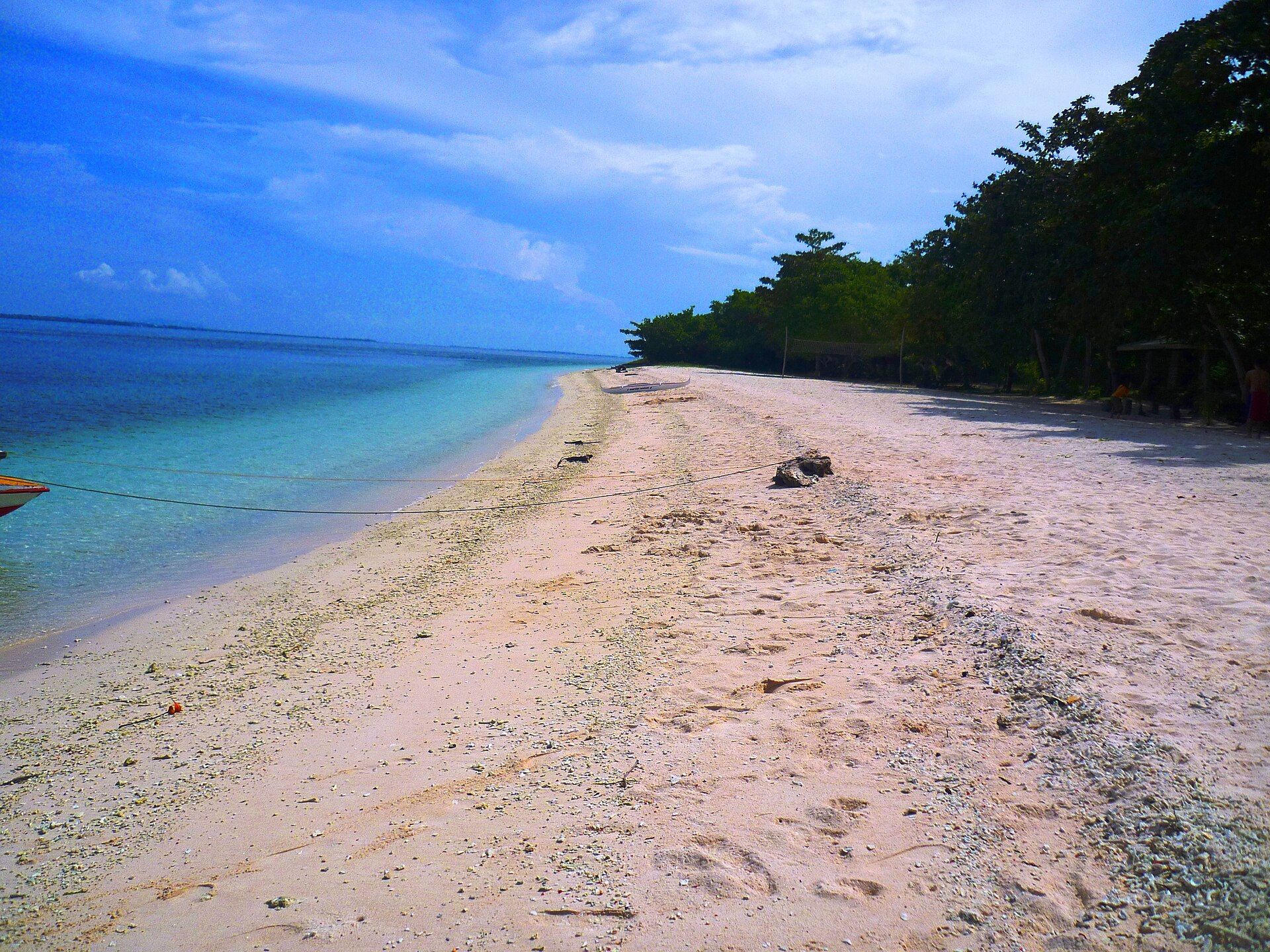
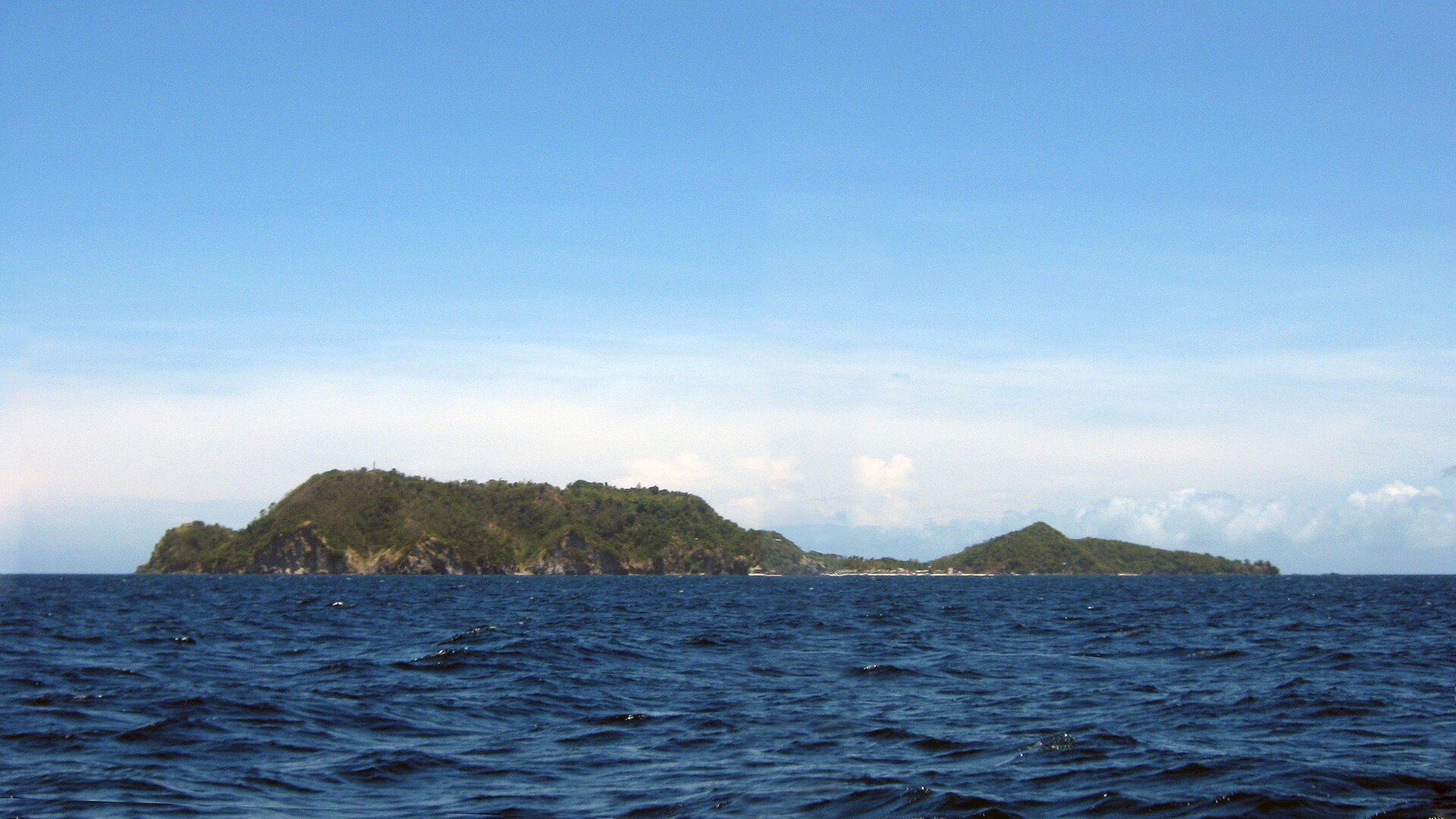
Balabac sits where the Sulu and South China Seas meet, a scatter of coral islands fringed by immense sandbars — Onuk, Punta Sebaring, and others — whose sand can take on a soft pink blush from crushed red coral and shells. The clear, shallow seagrass meadows here shelter dugongs, the gentle marine mammals that inspired mermaid legends, alongside turtles and healthy reefs. Its remoteness has kept it largely pristine.
Why visit
It's the Philippines at its most untouched: long empty sandbars, water in impossible gradients of turquoise, and a real (if never guaranteed) chance to see a dugong grazing the seagrass. Island-hopping here feels like reaching the edge of the map.
What to know before you go
🗓️ Best time
The dry season (roughly March–May) for calm seas on the long boat crossings; the area is exposed and trips are weather-dependent.
🧭 Getting there & access
A long journey: from Puerto Princesa overland to Rio Tuba, then several hours by boat to Balabac. Multi-day island-hopping tours with local operators are the norm; infrastructure is basic.
Good to know
- Come with time and flexibility — crossings are long and weather-dependent.
- Keep your distance from dugongs and turtles; never chase or touch them.
- Pack in supplies and pack out all waste; facilities are minimal.
Natural riches of the area
- Extensive white-and-pink coral sandbars
- Seagrass meadows sheltering dugongs and turtles
- Healthy fringing coral reefs
- Rich fishing grounds at the meeting of two seas
Local food
- Fresh grilled seafood
- Reef fish, squid, and shellfish landed daily and grilled simply.
- Lato & kinilaw
- Crunchy sea grapes and vinegar-cured raw fish, coastal staples.
- Coconut & tropical fruit
- Fresh buko and Palawan cashews to round out island meals.
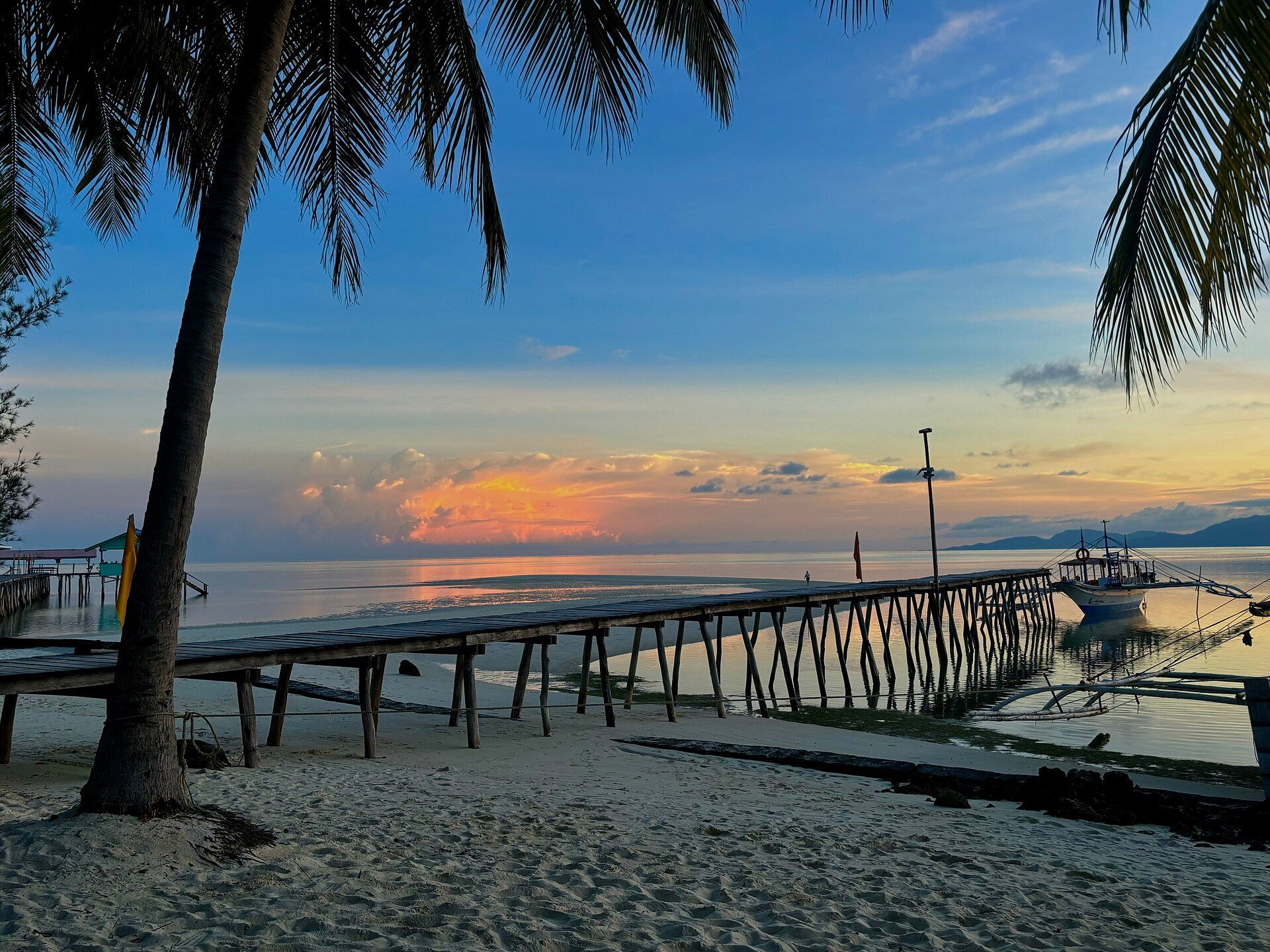
Balabac is where the Philippine map runs out. At Palawan’s southern tip, where the Sulu and South China Seas meet, a scatter of coral islands is fringed by some of the most beautiful sandbars in the country — vast, blinding white, and in places faintly pink from crushed red coral and shells. The water shifts through every shade of turquoise, and the sandbars run for hundreds of metres into the shallows.
Beneath the surface lies the real treasure: seagrass meadows that shelter dugongs, the gentle sea cows whose grazing once inspired mermaid stories, along with turtles and living reefs. Getting here takes real effort — hours overland and hours more by boat — and that difficulty is exactly what has kept Balabac so pristine. Visited slowly and gently, it’s one of the last truly wild corners of Palawan.
More wonders to explore