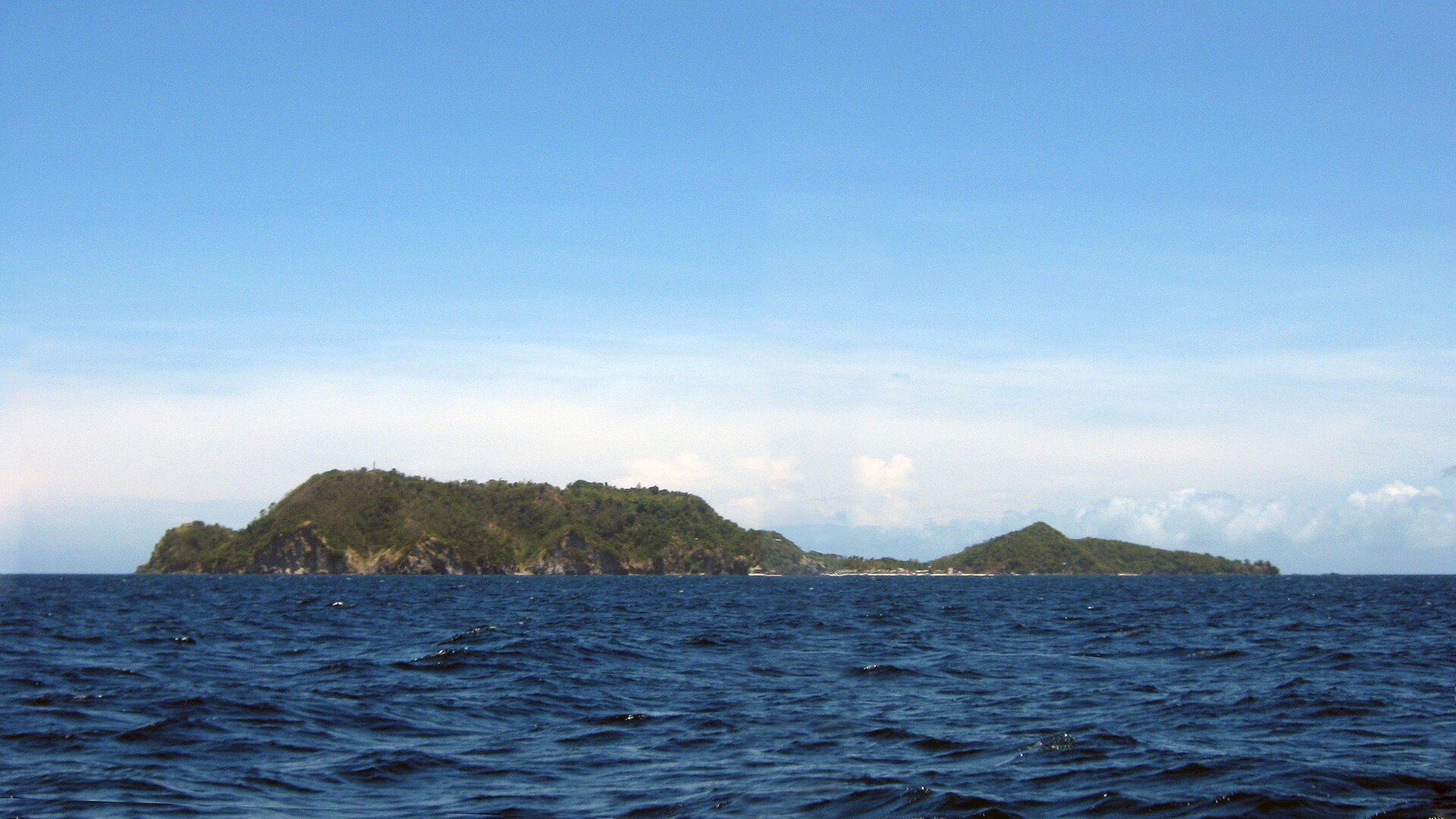
Great Santa Cruz Island
📍 Zamboanga City, Zamboanga Peninsula, Mindanao
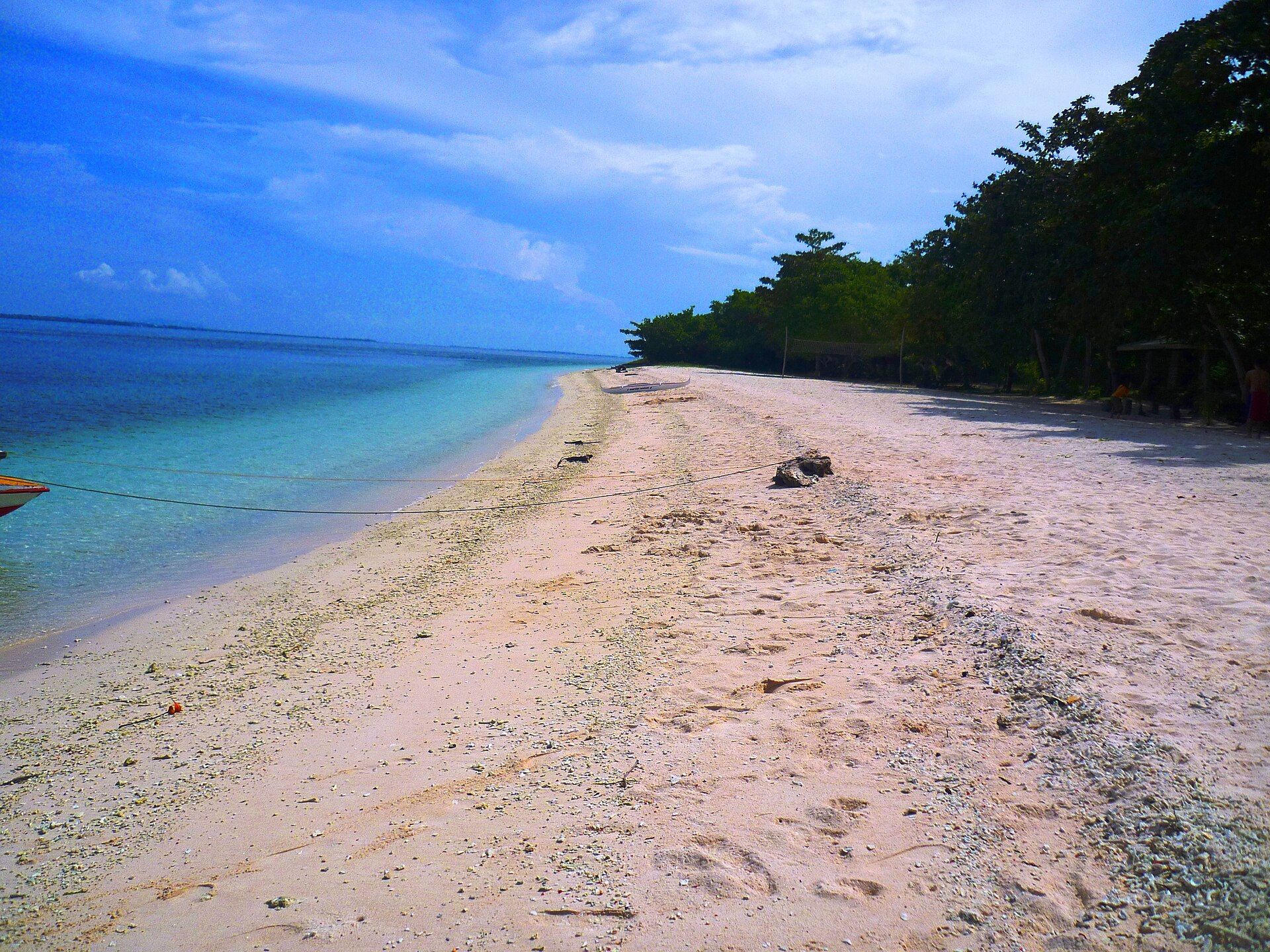
One of the few pink-sand beaches in the world — a protected island off Zamboanga City whose blush-coloured shore comes from crushed red organ-pipe coral, backed by a mangrove lagoon.
What makes it marvelous
The island's famous pink tint is entirely natural: fragments of red organ-pipe coral, ground down and washed ashore, mix with white sand to give the beach its soft rose hue — a phenomenon shared by only a handful of beaches globally. Behind the shore lies a mangrove-fringed lagoon reached by vinta (traditional outrigger), and the surrounding waters are rich with reef life. The island is a protected area, visited on a regulated day-trip basis.
Why visit
Walking a genuinely pink beach is a rare pleasure, and the setting — clear water, a hidden mangrove lagoon, and the culture of Zamboanga's seafaring communities — makes it distinctive. It's a standout natural feature of Mindanao's western peninsula.
What to know before you go
🗓️ Best time
The drier months for calm crossings. IMPORTANT: access is coordinated by the Zamboanga City tourism office, and travellers should check current government travel advisories for the region before planning a visit.
🧭 Getting there & access
By a short, tourism-office-coordinated boat trip from Zamboanga City (visitor numbers and timing are managed). Arrange through the official city tourism office; independent landings are not allowed.
Good to know
- Book only through the Zamboanga City tourism office, which manages access.
- Check current travel advisories for the region before you go.
- Take a vinta into the mangrove lagoon and leave the beach as you found it.
Natural riches of the area
- Pink sand from crushed red organ-pipe coral
- Mangrove lagoon and estuary ecosystem
- Fringing coral reefs and reef fish
- Traditional seafaring (vinta) culture and fisheries
Local food
- Curacha (spanner crab)
- Zamboanga's prized deep-sea crab, famous in 'curacha alavar' coconut sauce.
- Satti
- Zamboanga-style skewered meat in a spicy sauce, a local breakfast favourite.
- Knickerbocker
- A colourful Zamboanga fruit-and-ice dessert.
Great Santa Cruz Island has a party trick found on only a handful of beaches worldwide: its sand is pink. The colour is entirely natural — fragments of red organ-pipe coral, broken down by the sea and washed ashore, blend with white sand to tint the whole beach a soft rose. Behind it, a mangrove-fringed lagoon can be explored by traditional vinta outrigger, and the surrounding reefs teem with life.
The island sits off Zamboanga City on Mindanao’s western peninsula, and it’s protected: visits are coordinated and capped by the city tourism office rather than left to independent landings. Travellers should also check current advisories for the region before planning a trip. Visited the right way, it offers something genuinely rare — a walk along a pink shore, steeped in the seafaring culture of Zamboanga.
More wonders to explore