The Dolomites
📍 South Tyrol / Trentino / Veneto, Northern Italy
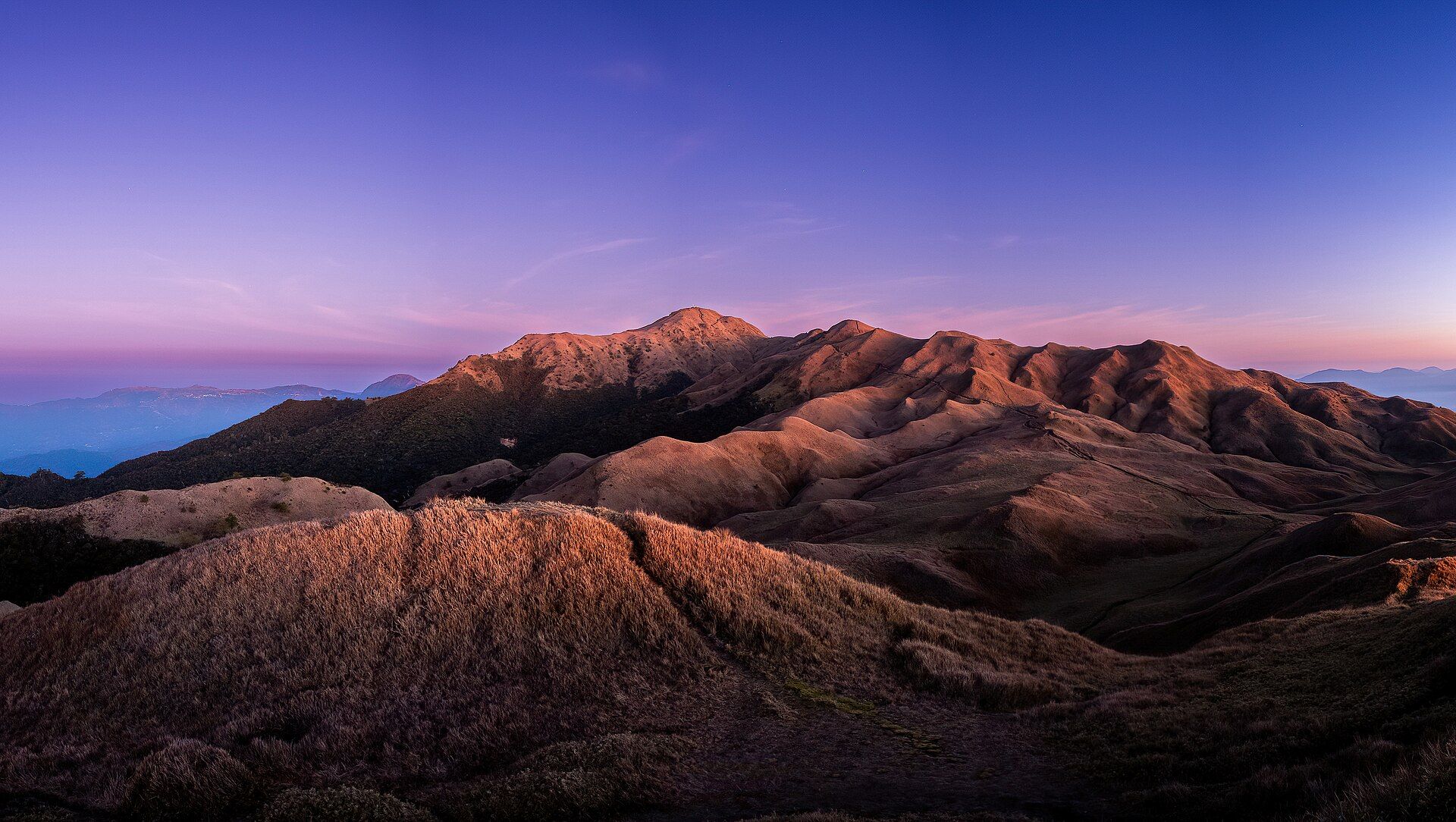
A range of pale limestone towers, sheer walls, and jagged spires in the Italian Alps that glow rose and gold at dawn and dusk — the famous 'enrosadira' — above green alpine meadows and turquoise lakes.
What makes it marvelous
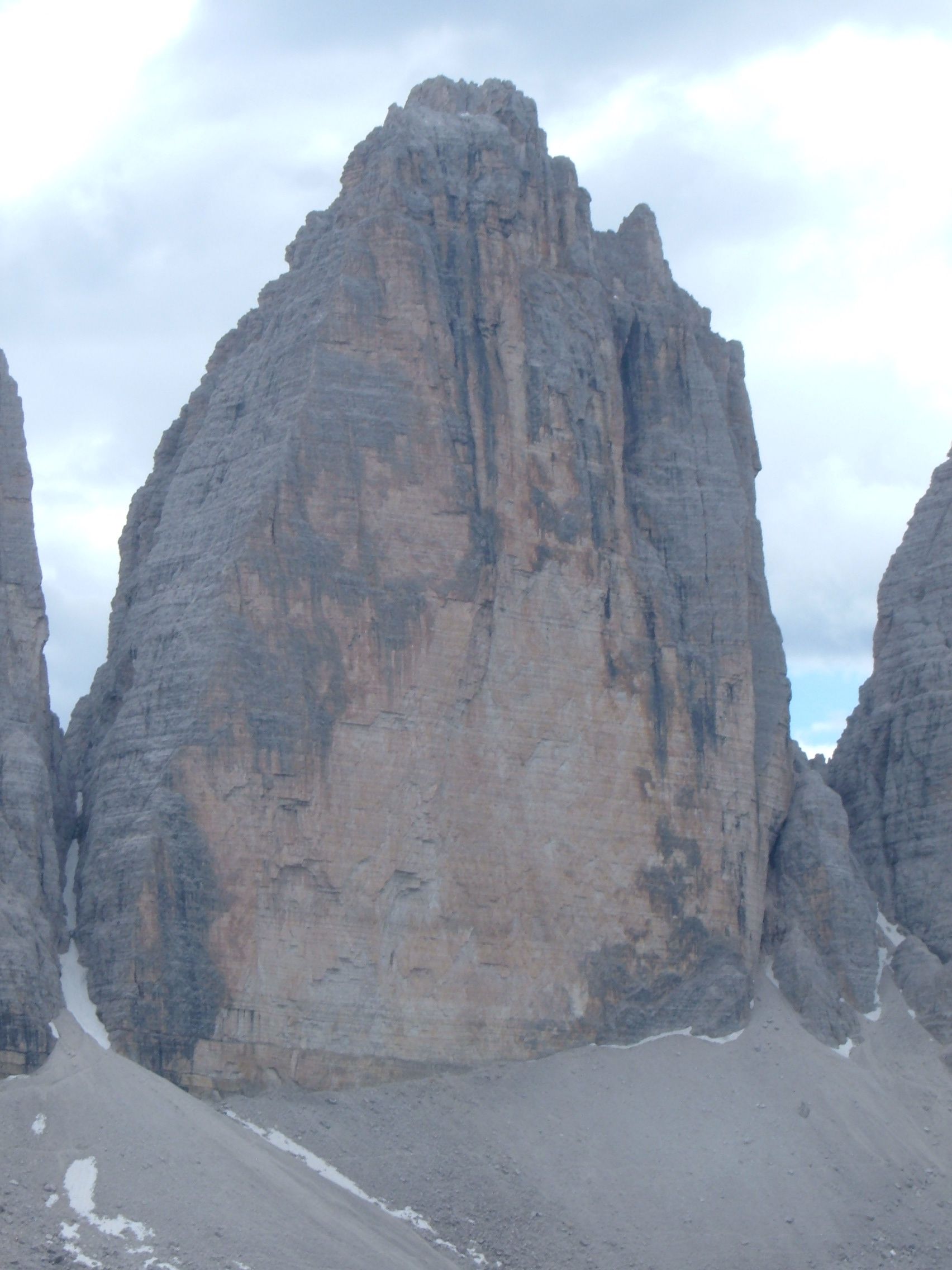
The Dolomites are built from ancient coral reefs and lagoon sediments, laid down in a tropical sea over 200 million years ago, then lifted and eroded into vertical cliffs and needle-like peaks. The rock — dolomite — reflects warm light so strongly that the mountains blush pink and orange at sunrise and sunset, a phenomenon locals call enrosadira. Eighteen peaks top 3,000 metres.
Why visit
Few mountain landscapes are so photogenic: pale spires over emerald meadows, mirror lakes like Braies and Sorapis, and a network of trails and via ferrata (cabled climbing routes) pioneered in these very mountains. It's a paradise for hikers in summer and skiers in winter.
What to know before you go
🗓️ Best time
June to September for hiking, open mountain huts, and wildflower meadows; December to March for skiing. Late spring and autumn are quieter and beautiful.
🧭 Getting there & access
Reached from Bolzano, Cortina d'Ampezzo, or Venice/Verona airports, then mountain roads and cable cars. A dense network of rifugi (mountain huts) supports multi-day treks.
Good to know
- Start hikes early to catch the enrosadira glow and beat afternoon storms.
- Book rifugi ahead in summer for hut-to-hut treks.
- Try a via ferrata only with proper kit and, if inexperienced, a guide.
Natural riches of the area
- Fossil-rich dolomite limestone (ancient reef rock)
- Alpine meadows, larch and spruce forest, and glacial lakes
- Chamois, ibex, marmots, and golden eagles
- Mountain pasture supporting dairy and cheese-making
Local food
- Canederli (knödel)
- Tyrolean bread dumplings with speck or cheese — the Alps meet Italy.
- Speck & mountain cheese
- Juniper-smoked cured ham and alpine cheeses from South Tyrol's high pastures.
- Apple strudel
- From the orchards of the Adige valley below the peaks.
The Dolomites don’t look quite like other mountains, and there’s a reason: they are made of the bones of an ancient sea. Over 200 million years ago this was a warm, shallow ocean of coral reefs and lagoons; the compacted sediment became dolomite rock, later thrust skyward and carved by ice and weather into the sheer walls and needle-like spires you see today. Fossils of that vanished sea are still embedded in the cliffs.
Their most famous trick is a trick of light. At dawn and dusk the pale rock catches the low sun and blushes pink, orange, and rose — the enrosadira — before fading to grey. Below the peaks lie emerald meadows and turquoise lakes, threaded by a legendary network of trails, mountain huts, and via ferrata. It is one of the most beautiful and beloved mountain landscapes in Europe.
More wonders to explore