Mount Pulag
📍 Benguet, Cordillera, Philippines
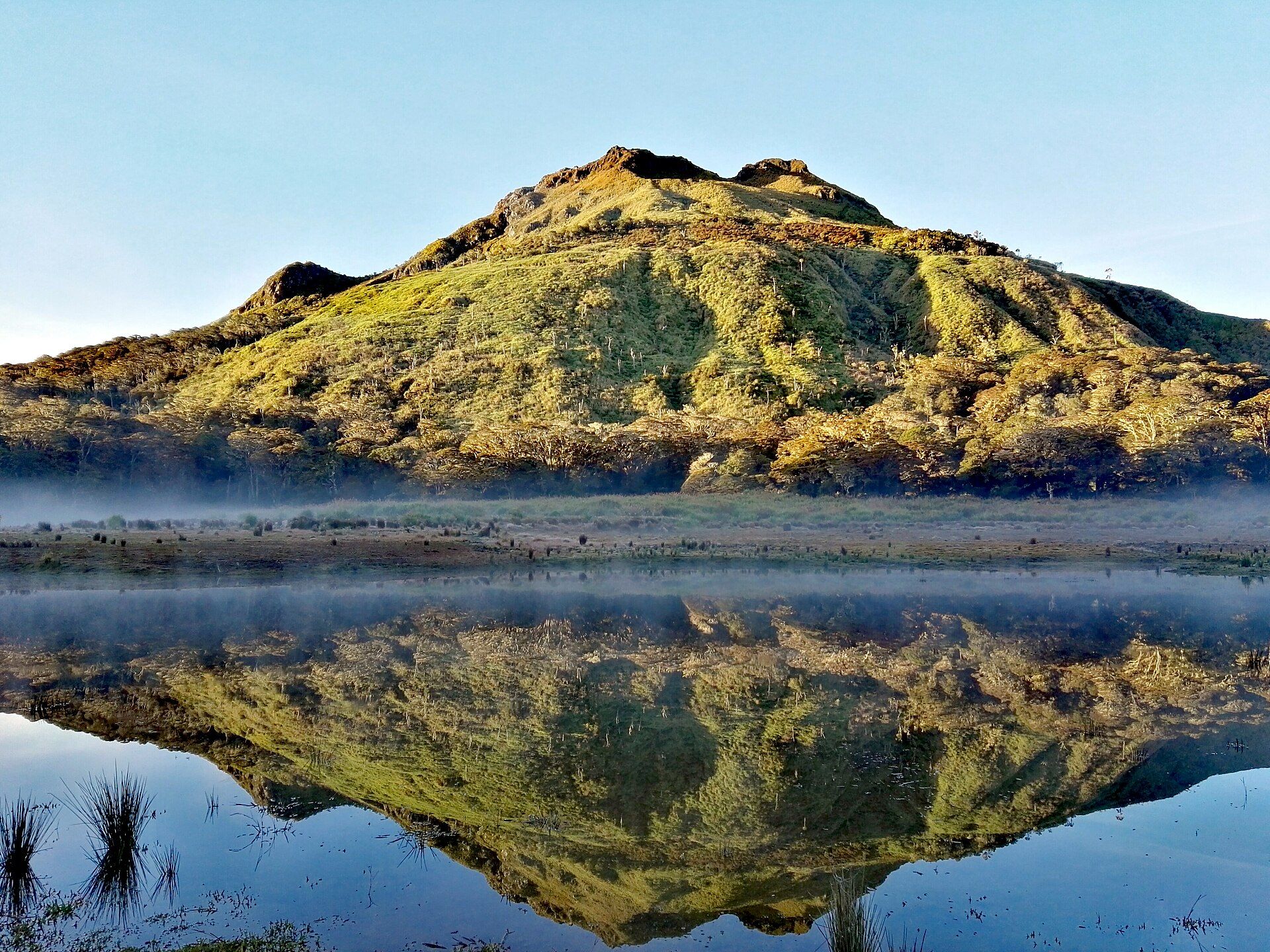
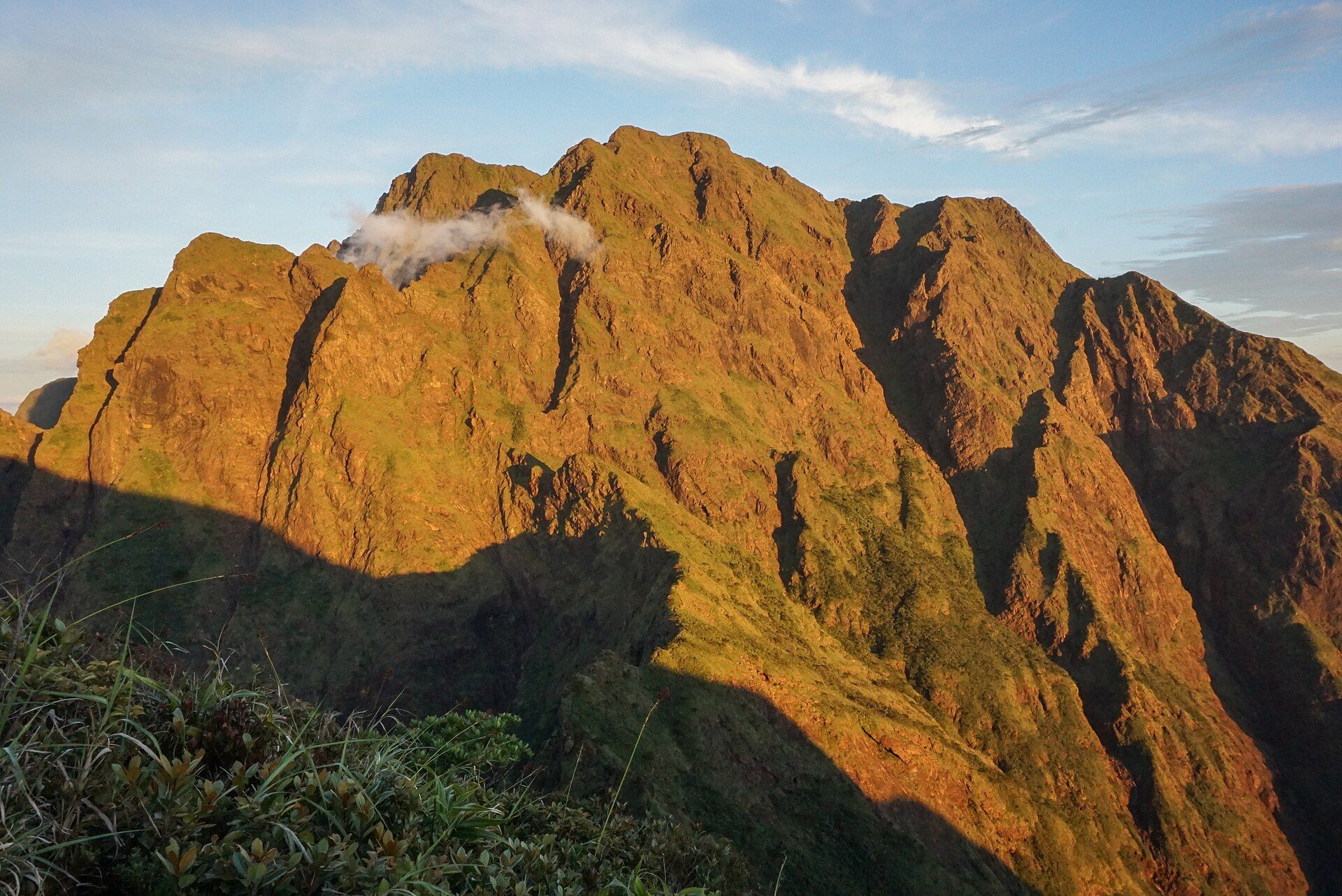
Luzon's highest peak at 2,922 metres, famous for its dawn 'sea of clouds' — a rolling white ocean seen from a summit of dwarf bamboo grassland high in the Cordillera.
What makes it marvelous
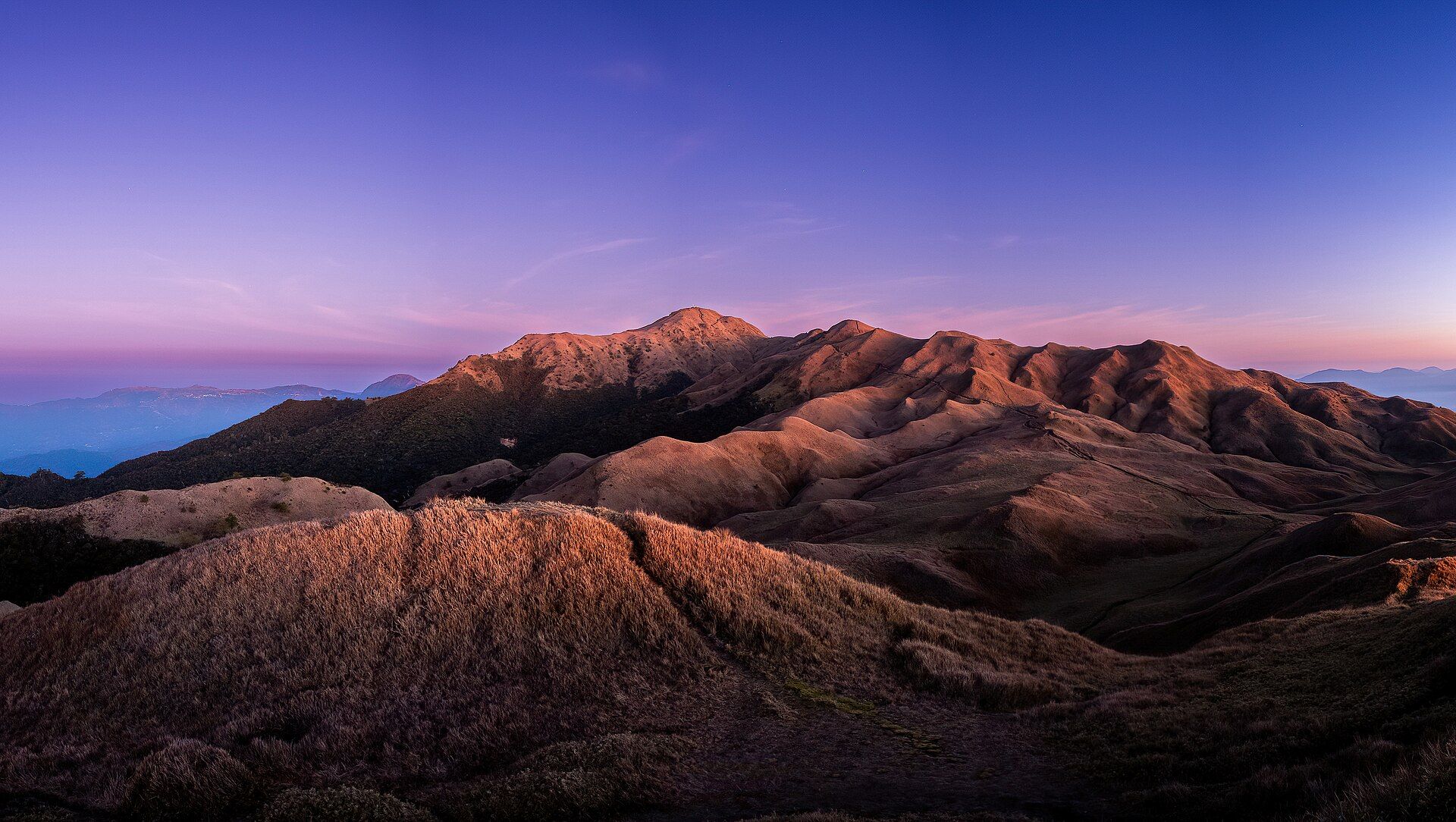
Pulag rises above the cloud base, so on clear cold mornings a temperature inversion traps a sea of cloud in the valleys below the summit while the peak stands in clear sky. Its upper slopes hold a rare mossy-forest-to-grassland transition and a montane ecosystem with endemic species, including the Luzon dwarf cloud rat. It is the third-highest mountain in the Philippines.
Why visit
You climb in the dark and cold to stand on a grassy ridge as the sun rises over a horizon of cloud — one of the most sublime sunrises in Southeast Asia. Between the dwarf bamboo, the mossy forest, and the pre-dawn frost, it feels a world away from the tropical lowlands.
What to know before you go
🗓️ Best time
December to February gives the best chance of the sea of clouds and clear, cold dawns (temperatures can drop near freezing). The park is open year-round but permit rules and closures change — confirm before you go.
🧭 Getting there & access
Roughly 4–5 hours from Baguio to the Ambangeg trailhead (the easiest route). All climbers must register at the DENR visitor centre, attend a mandatory orientation, and bring a medical certificate; group sizes are capped and a local guide is required. Book ahead through the park or an accredited operator.
Good to know
- Pack real cold-weather layers — hypothermia is the genuine risk here, not altitude.
- Permits, quotas, and orientation are mandatory and enforced; don't rely on old blog details.
- Stay on the trail — the summit grassland is fragile and slow to recover.
Natural riches of the area
- Montane mossy forest and dwarf-bamboo grassland
- Endemic wildlife including the Luzon dwarf cloud rat and highland birds
- Headwaters feeding the Agno and other Cordillera rivers
- Cool-climate soils supporting Benguet's vegetable terraces
Local food
- Benguet vegetables
- Cabbage, carrots, and strawberries from the cool highland farms around Baguio and La Trinidad.
- Etag
- Cordillera smoked-and-cured pork, used to deepen highland soups and stews.
- Highland coffee
- Arabica grown in the Cordillera's cool elevations.
Mount Pulag earns its fame at dawn. Climbers set out in darkness and cold to reach the grassy summit before sunrise, and on a good morning they are rewarded with the ‘sea of clouds’: a temperature inversion pins a white ocean of cloud in the valleys while the peak floats clear above it, catching the first light.
The mountain is more than its viral sunrise. Its upper slopes carry a rare sequence of ecosystems — mossy cloud forest giving way to open dwarf-bamboo grassland — and shelter Cordillera endemics found almost nowhere else. At nearly 2,922 metres, it is the roof of Luzon.
Because it is fragile and increasingly popular, Pulag is tightly managed: permits, orientations, quotas, medical certificates, and guides are all required. Respecting those rules — and packing for real cold — is the price of one of the finest sunrises in the region.
More wonders to explore