Guilin & the Li River Karst
📍 Guangxi, southern China
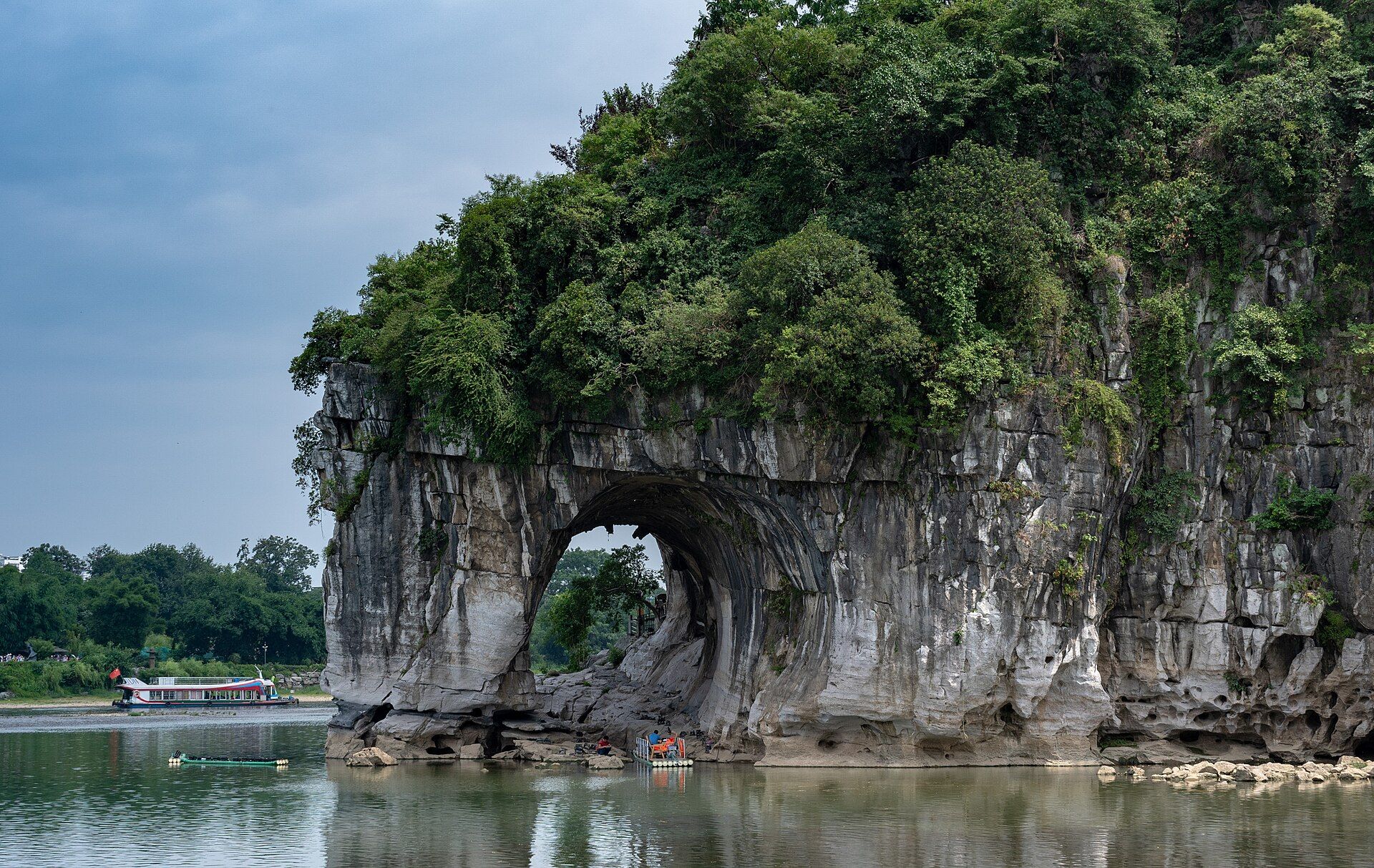
The landscape of Chinese scroll paintings brought to life — thousands of rounded limestone peaks rising from green plains and the winding Li River, mirrored in still water beneath drifting mist.
What makes it marvelous
Around Guilin and Yangshuo, a vast bed of limestone laid down in an ancient sea has been dissolved by rain and rivers over tens of millions of years into a forest of rounded karst peaks — a mature 'tower karst' landscape among the finest on Earth. The Li River threads between them for some 80 kilometres, reflecting the peaks in its calm surface. This scenery has inspired Chinese poets and painters for well over a thousand years, and part of the South China Karst is UNESCO-listed.
Why visit
A cruise or bamboo raft down the Li River between the peaks, past water buffalo, rice paddies, and villages, is one of China's iconic journeys. Around Yangshuo, cycling the countryside, exploring caves, and watching traditional cormorant fishermen at dusk complete the picture.
What to know before you go
🗓️ Best time
April to October for green landscapes and river cruises; spring and autumn offer the most atmospheric mist. Water levels affect cruises in the dry winter.
🧭 Getting there & access
Via Guilin city in Guangxi (by air or high-speed rail), then Li River cruises to Yangshuo, from where bamboo rafts, bikes, and cave trips explore the karst.
Good to know
- Take the Li River cruise or a bamboo raft for the classic peaks-and-water views.
- Base in Yangshuo to cycle the quieter countryside and side rivers.
- Early morning mist gives the most painterly scenes.
Plan your visit
Easy🧭 Getting there
From Guilin, Guangxi, China
- Fly or take the high-speed train to Guilin
- Board a Li River cruise Guilin → Yangshuo — roughly 4–5 hours downstream
- Or base in Yangshuo and take a bamboo raft on the quieter Xingping stretch
- Total travel
- A half-day on the river
- Time at site
- Two or three days around Yangshuo
- Access
- The Li River cruise from Guilin down to Yangshuo is the classic way to see the karst peaks, and tickets are easy to arrange in Guilin. The higher-water, greener months from roughly April to October show the river at its best; low water in winter can shorten or alter the big cruises. For the postcard view — the peaks at Xingping printed on the 20-yuan note — a short bamboo raft on that stretch is quieter and closer to the water than the big boats. Mist is common and comes and goes, and it makes rather than ruins the scene.
🎒 What to bring & consider
- A cruise or raft ticket sorted in Guilin or Yangshuo, the two standard ways onto the river
- A rain layer and sun cover both, since the weather here swings between drizzle-mist and strong sun in a day
- An eye on the season, as the river is fullest and greenest from spring to autumn and lower in winter
- A little cash for the Xingping raft and the short walk to the 20-yuan-note viewpoint
- Insect repellent for the riverbanks and rice-paddy paths around Yangshuo
👁️ What to expect
- Crowds
- The big cruise boats run in a steady convoy and Yangshuo's centre is busy. The rafts and back lanes are calmer.
- Conditions
- Warm, humid and often misty, on gentle water with easy walking and cycling around Yangshuo.
- Facilities
- Full — Guilin and Yangshuo are well set up for visitors, with everything you need.
- The view
- The line of karst peaks fading into mist above the Li River at Xingping, ideally with a cormorant fisherman or a bamboo raft in the foreground. Soft, misty light beats bright sun for this one.
Times and requirements are approximate and change with season, weather, and local rules — confirm permits, fares, and schedules with operators before you travel.
Natural riches of the area
- Mature 'tower karst' limestone peaks
- The Li River and its tributaries
- Caves, underground rivers, and springs
- Fertile valley farmland (rice, pomelo, osmanthus)
Local food
- Guilin rice noodles
- The city's famous noodle dish in savoury broth with pickles and peanuts.
- Beer fish
- A Yangshuo specialty of river fish braised with local beer.
- Osmanthus sweets
- Guilin means 'osmanthus forest'; its fragrant blossoms flavour cakes and tea.
The karst around Guilin is the landscape every Chinese scroll painting seems to be reaching for — hundreds of soft, rounded limestone peaks rising straight from flat green plains, with the Li River winding quietly between them and mist drifting across their tops. The peaks are the survivors of an ancient limestone seabed, dissolved by rain and rivers over tens of millions of years into one of the finest ‘tower karst’ landscapes on the planet.
A slow cruise or bamboo raft down the Li River, past water buffalo, paddy fields, and villages with the peaks reflected in the still water, is one of China’s defining journeys. Around Yangshuo you can cycle the quieter countryside, explore caves hollowed into the rock, and, at dusk, watch fishermen working with trained cormorants as their families have for generations. It is scenery so beloved it has shaped Chinese art and poetry for over a thousand years — and it still delivers in person.
Guilin & the Li River Karst: common questions
How do you get to Guilin & the Li River Karst?
From Guilin, Guangxi, China: Fly or take the high-speed train to Guilin; Board a Li River cruise Guilin → Yangshuo — roughly 4–5 hours downstream; Or base in Yangshuo and take a bamboo raft on the quieter Xingping stretch. Allow a half-day on the river.
When is the best time to visit Guilin & the Li River Karst?
April to October for green landscapes and river cruises; spring and autumn offer the most atmospheric mist. Water levels affect cruises in the dry winter.
How long should you spend at Guilin & the Li River Karst?
Two or three days around Yangshuo. A half-day on the river of travel from Guilin, Guangxi, China.
What should you bring to Guilin & the Li River Karst?
A cruise or raft ticket sorted in Guilin or Yangshuo, the two standard ways onto the river A rain layer and sun cover both, since the weather here swings between drizzle-mist and strong sun in a day An eye on the season, as the river is fullest and greenest from spring to autumn and lower in winter A little cash for the Xingping raft and the short walk to the 20-yuan-note viewpoint Insect repellent for the riverbanks and rice-paddy paths around Yangshuo
Do you need a permit or guide for Guilin & the Li River Karst?
The Li River cruise from Guilin down to Yangshuo is the classic way to see the karst peaks, and tickets are easy to arrange in Guilin. The higher-water, greener months from roughly April to October show the river at its best; low water in winter can shorten or alter the big cruises. For the postcard view — the peaks at Xingping printed on the 20-yuan note — a short bamboo raft on that stretch is quieter and closer to the water than the big boats. Mist is common and comes and goes, and it makes rather than ruins the scene.
Is Guilin & the Li River Karst crowded, and what are conditions like?
The big cruise boats run in a steady convoy and Yangshuo's centre is busy. The rafts and back lanes are calmer. Warm, humid and often misty, on gentle water with easy walking and cycling around Yangshuo. Facilities: full — Guilin and Yangshuo are well set up for visitors, with everything you need.
Added Updated
More wonders to explore