Hạ Long Bay
📍 Gulf of Tonkin, northeastern Vietnam
A jade-green sea studded with nearly 2,000 limestone karst islands and pillars rising sheer from the water — caves, hidden lagoons, and floating villages in one of the world's most beautiful seascapes.
What makes it marvelous
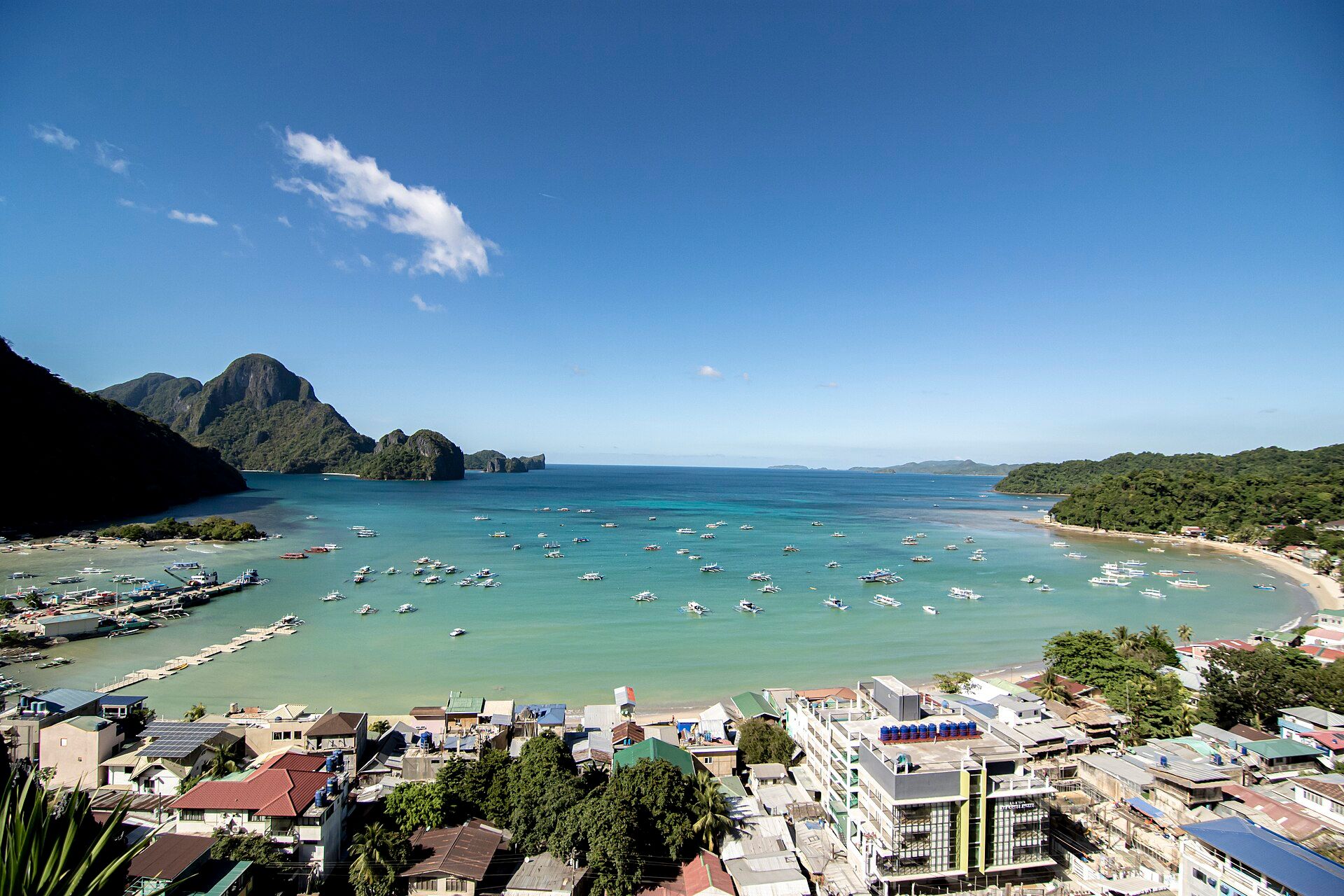
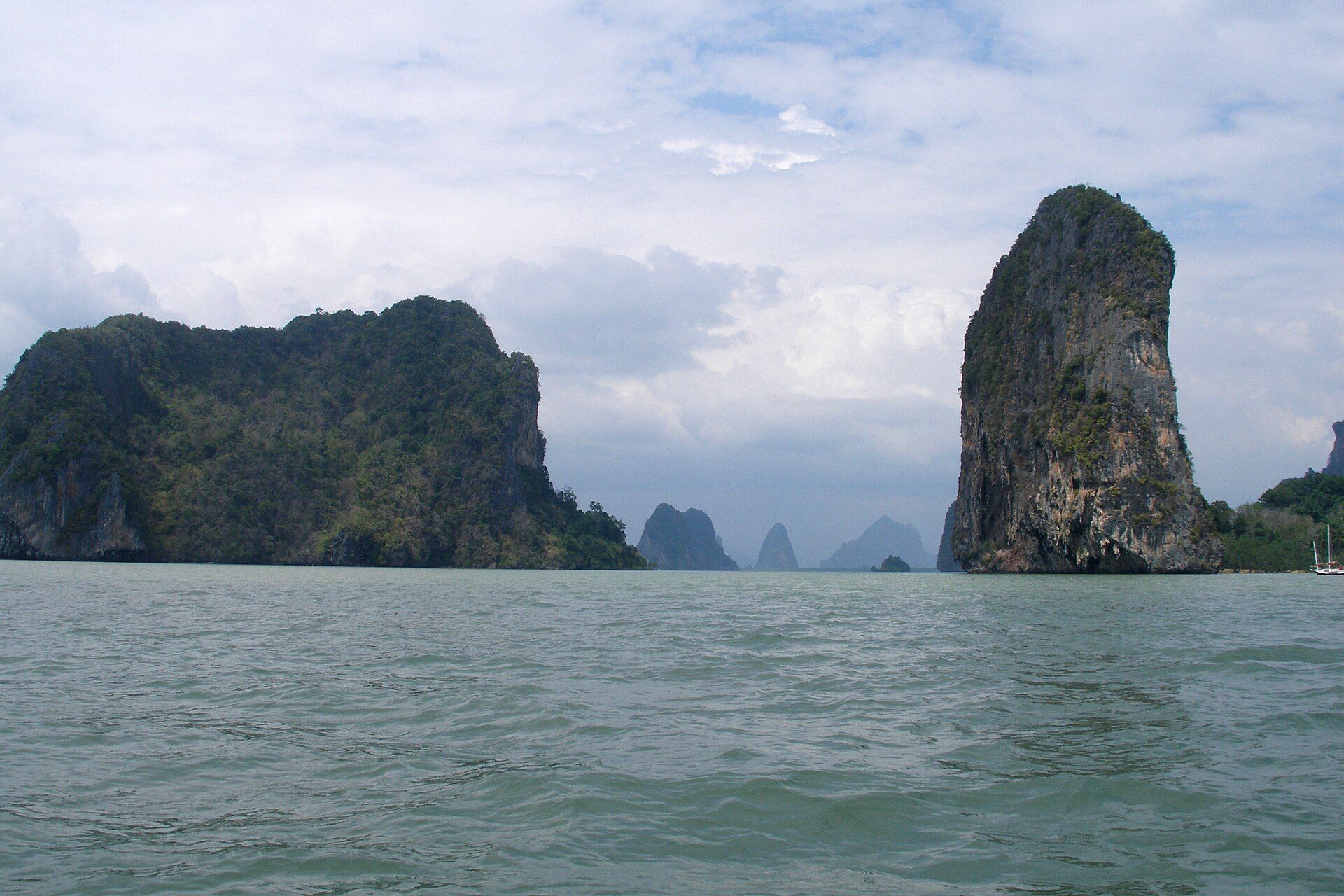
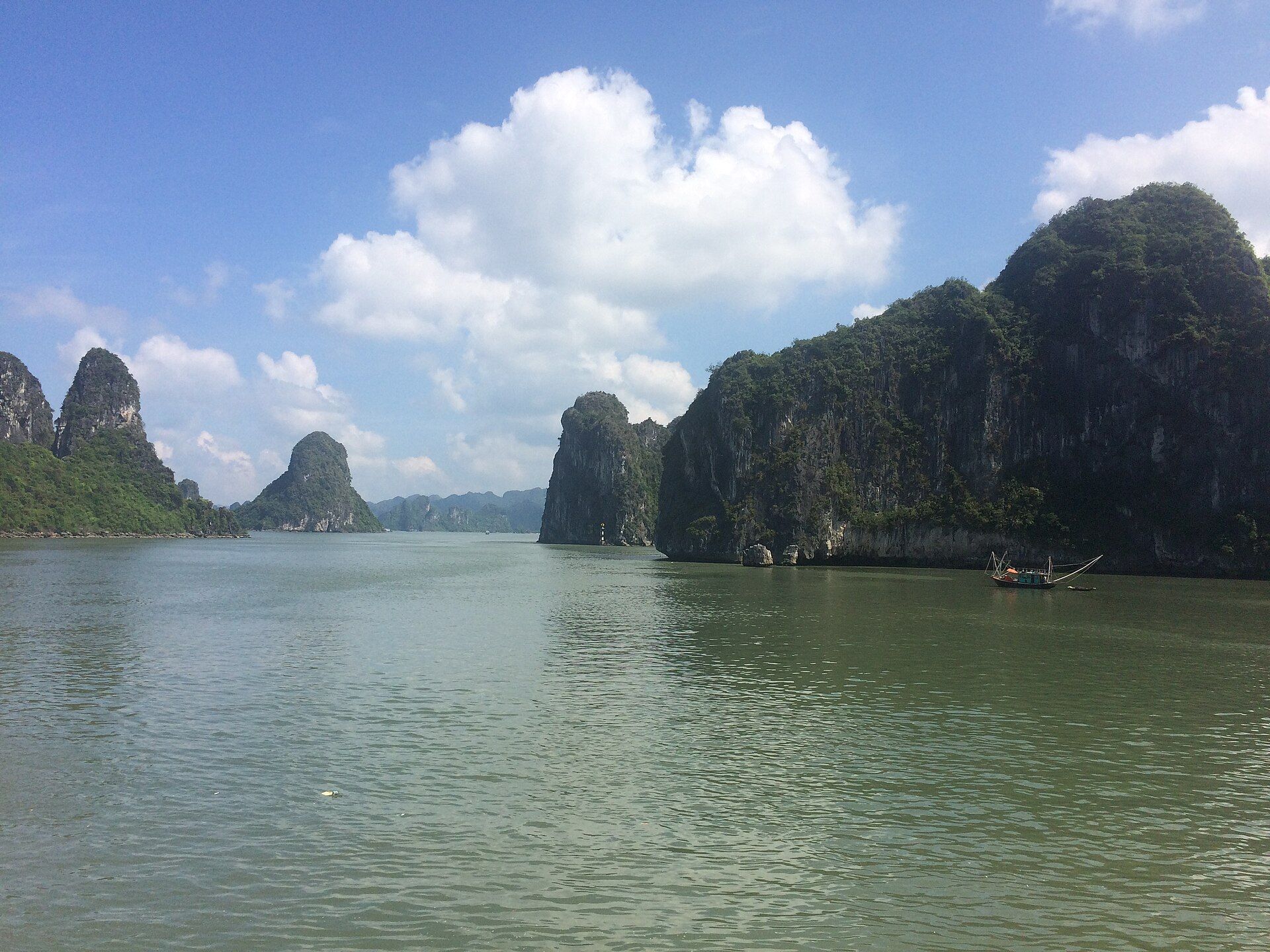
Hạ Long Bay holds some 1,600–2,000 limestone islands and sea stacks, the eroded remnants of a vast karst landscape drowned by rising seas over millions of years. Rain and seawater dissolved the limestone into towers, arches, and caves, many hollowed with grottoes and enclosed lagoons reachable only through low openings at the right tide. The name means 'descending dragon', and the maze of green-topped islands over calm jade water is a UNESCO World Heritage Site and one of Southeast Asia's signature scenes.
Why visit
Cruising among the towering karst islands — kayaking into hidden lagoons, exploring vast caves, and watching the sun set over a forest of stone pillars — is unforgettable. Overnight boat trips let you wake among the islands in the morning mist.
More views of Hạ Long Bay
Additional photographs of the actual site — each freely licensed, with its photographer and licence credited.
What to know before you go
🗓️ Best time
October to April for cooler, drier weather and calmer seas; summer brings heat and occasional storms.
🧭 Getting there & access
About 2.5–3 hours from Hanoi to the coast, then day or overnight cruises among the islands. Adjacent Lan Hạ and Bái Tử Long bays offer quieter alternatives with the same scenery.
Good to know
- Take an overnight cruise to experience the bay beyond the day-trip crowds.
- Kayak into the lagoons and caves for the most intimate views.
- Choose responsible operators; the bay's popularity has strained its waters.
Plan your visit
Easy🧭 Getting there
From Hanoi, then Ha Long City or Hai Phong
- Fly into Hanoi
- Road Hanoi → Ha Long on the expressway — roughly 2h30–3h30 depending on traffic
- Board at Tuan Chau or Got harbour; cruise boats generally sail late morning
- Total travel
- Half a day from Hanoi
- Time at site
- An overnight cruise of one or two nights is the standard; day trips feel rushed
- Access
- No individual permit — operators handle bay fees inside the fare. Boats are grounded outright in storms, and cancellations are common through the typhoon months. Refund policies vary a great deal between operators, so read them before paying.
🎒 What to bring & consider
- Motion-sickness tablets if you plan to kayak or take a tender in choppy water
- Grippy sandals or reef shoes for wet limestone steps and cave floors
- A warm layer as well as a rain layer — northern Vietnam is genuinely cold and grey from roughly December to February, which surprises people expecting the tropics
- Insect repellent for evenings on deck
- Cash for kayak hire, drinks and tips
👁️ What to expect
- Crowds
- The main channel carries a great many boats. Lan Ha and Bai Tu Long, just next door, are noticeably quieter for much the same scenery.
- Conditions
- Life aboard a small ship: wet steps, humidity, and lit but crowded caves.
- Facilities
- Everything is on the boat. Almost nothing ashore in the bay itself.
- The view
- Haze and drizzle sit over the bay for months at a time and flatten the karsts — the postcard clarity is not the average day. Sunrise from the top deck is the dependable one.
Times and requirements are approximate and change with season, weather, and local rules — confirm permits, fares, and schedules with operators before you travel.
Natural riches of the area
- 1,600–2,000 limestone karst islands and sea stacks
- Sea caves, grottoes, and hidden tidal lagoons
- Coral, mangroves, and rich coastal fisheries
- Traditional floating fishing villages
Local food
- Fresh seafood
- Crab, prawns, squid, and fish straight from the bay's waters.
- Chả mực (grilled squid cake)
- A Hạ Long specialty of pounded, grilled cuttlefish.
- Bánh cuốn & phở
- Steamed rice rolls and northern Vietnamese noodle soup.
Hạ Long Bay is one of those places that looks too perfect to be natural — a jade-green sea filled with as many as two thousand limestone islands and pillars, rising sheer and forest-topped from the calm water. They are the drowned remnants of an ancient karst landscape: rain and sea spent millions of years dissolving the limestone into towers, arches, and caves, and then rising seas flooded the valleys between them, leaving only the pinnacles above the surface.
The result is a labyrinth of stone and water threaded with grottoes and hidden lagoons — some reachable only by kayaking through a low cave mouth at the right tide. Its Vietnamese name means ‘descending dragon’, and cruising among the islands as mist drifts between them, or waking anchored in their midst at dawn, is one of Southeast Asia’s great experiences. Visit thoughtfully, with responsible operators, and the bay’s beauty is hard to overstate.
The bay’s set pieces have names worth knowing. Sung Sot — ‘Surprise’ Cave — is the largest grotto, its floodlit chambers opening deep inside a limestone island; Ti Top Island rewards a short, steep stair climb with the classic panorama of junks scattered among the karsts; and floating fishing villages such as Cua Van show a way of life lived entirely on the water. In 2023 UNESCO extended the site to take in the adjoining Cat Bà archipelago next door — the same drowned karst, with a national park and forest that make the quieter Lan Hạ Bay beside it an increasingly popular base.
Hạ Long Bay: common questions
How do you get to Hạ Long Bay?
From Hanoi, then Ha Long City or Hai Phong: Fly into Hanoi; Road Hanoi → Ha Long on the expressway — roughly 2h30–3h30 depending on traffic; Board at Tuan Chau or Got harbour; cruise boats generally sail late morning. Allow Half a day from Hanoi.
When is the best time to visit Hạ Long Bay?
October to April for cooler, drier weather and calmer seas; summer brings heat and occasional storms.
How long should you spend at Hạ Long Bay?
An overnight cruise of one or two nights is the standard; day trips feel rushed. Half a day from Hanoi of travel from Hanoi, then Ha Long City or Hai Phong.
What should you bring to Hạ Long Bay?
Motion-sickness tablets if you plan to kayak or take a tender in choppy water Grippy sandals or reef shoes for wet limestone steps and cave floors A warm layer as well as a rain layer — northern Vietnam is genuinely cold and grey from roughly December to February, which surprises people expecting the tropics Insect repellent for evenings on deck Cash for kayak hire, drinks and tips
Do you need a permit or guide for Hạ Long Bay?
No individual permit — operators handle bay fees inside the fare. Boats are grounded outright in storms, and cancellations are common through the typhoon months. Refund policies vary a great deal between operators, so read them before paying.
Is Hạ Long Bay crowded, and what are conditions like?
The main channel carries a great many boats. Lan Ha and Bai Tu Long, just next door, are noticeably quieter for much the same scenery. Life aboard a small ship: wet steps, humidity, and lit but crowded caves. Facilities: everything is on the boat. Almost nothing ashore in the bay itself.
Added Updated
More wonders to explore