Gunung Mulu
📍 Sarawak, Borneo, Malaysia
A Bornean rainforest hiding some of the world's greatest caves — including the largest cave chamber on Earth — plus razor-sharp limestone pinnacles rising from the jungle canopy.
What makes it marvelous
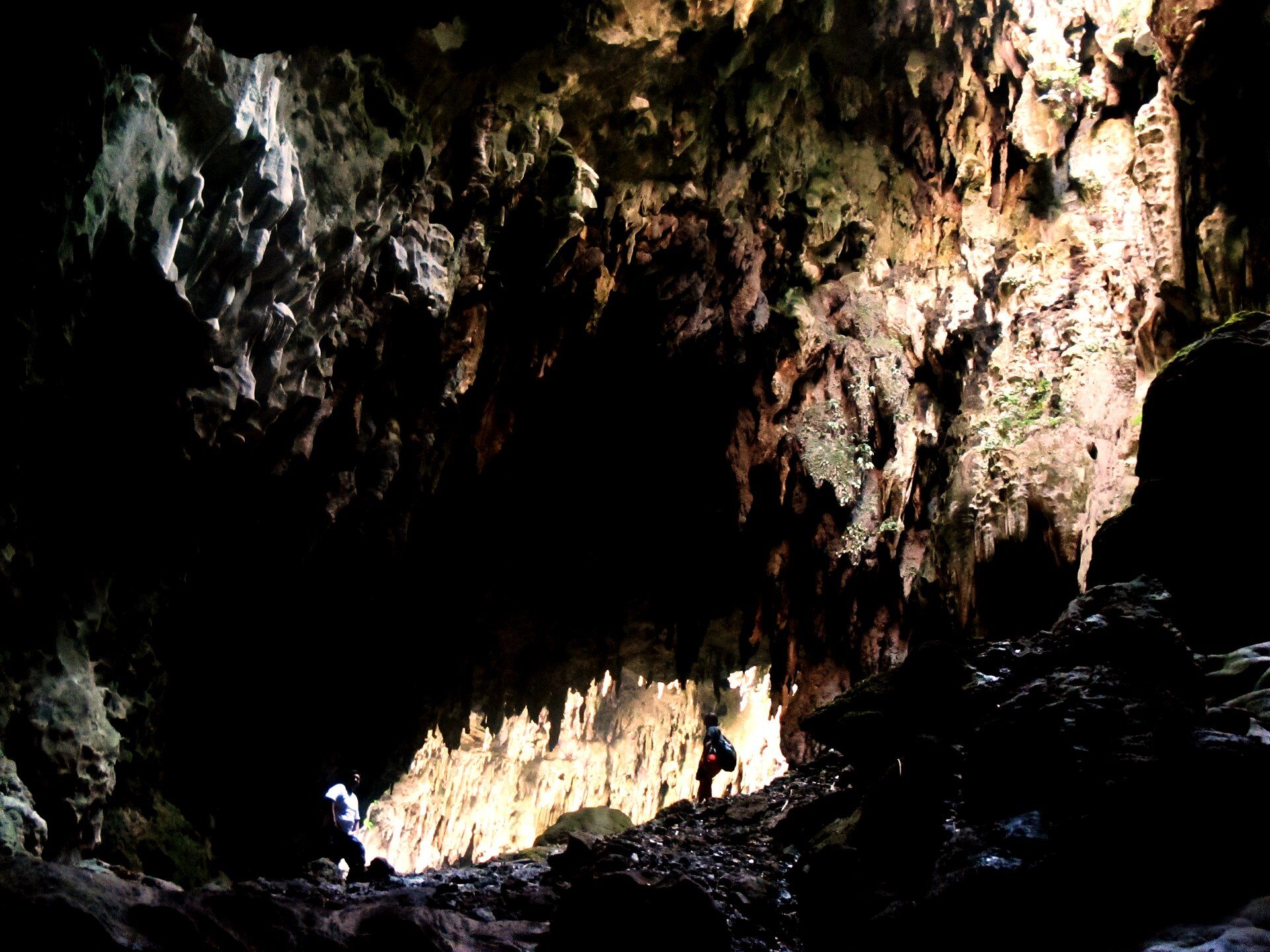
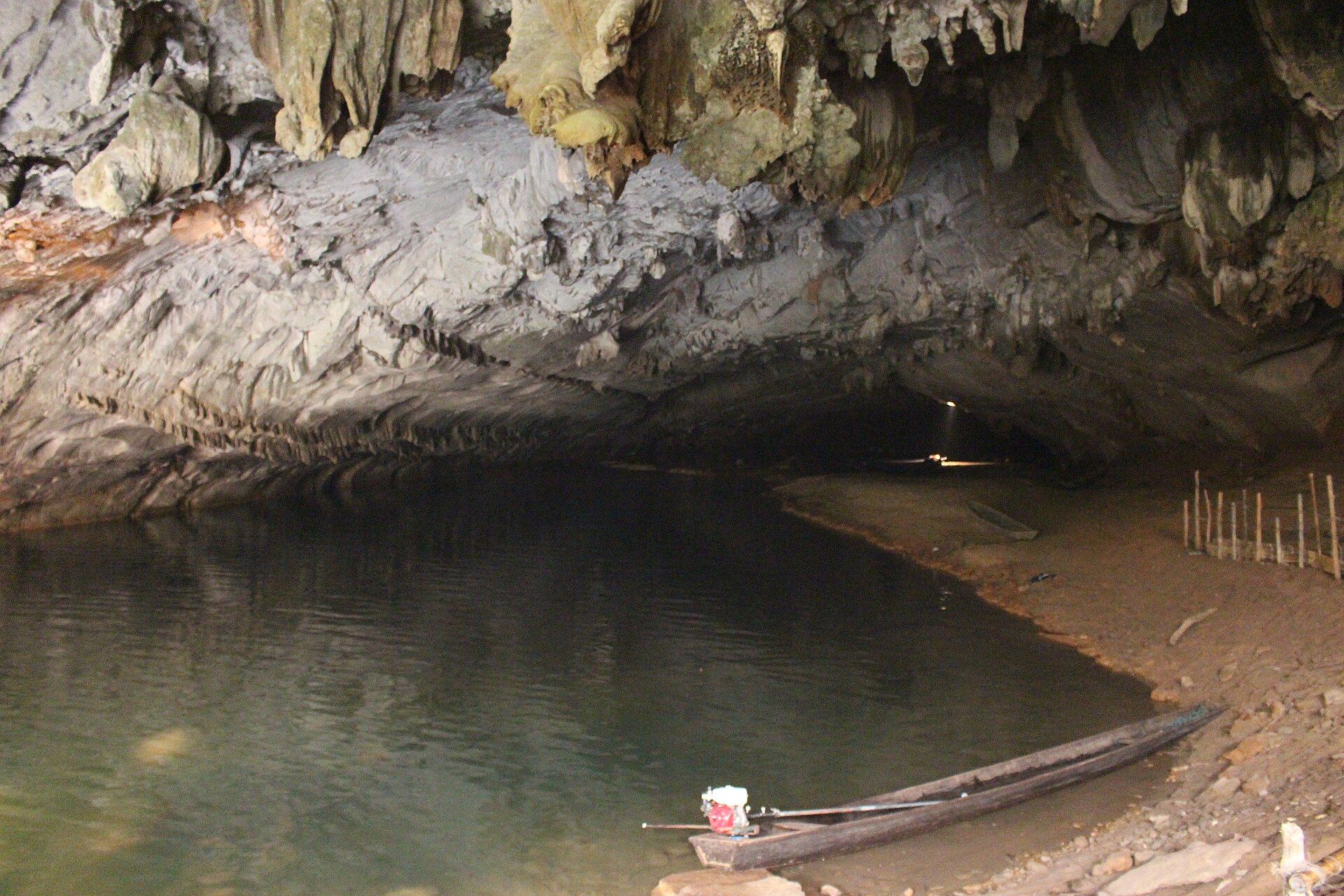
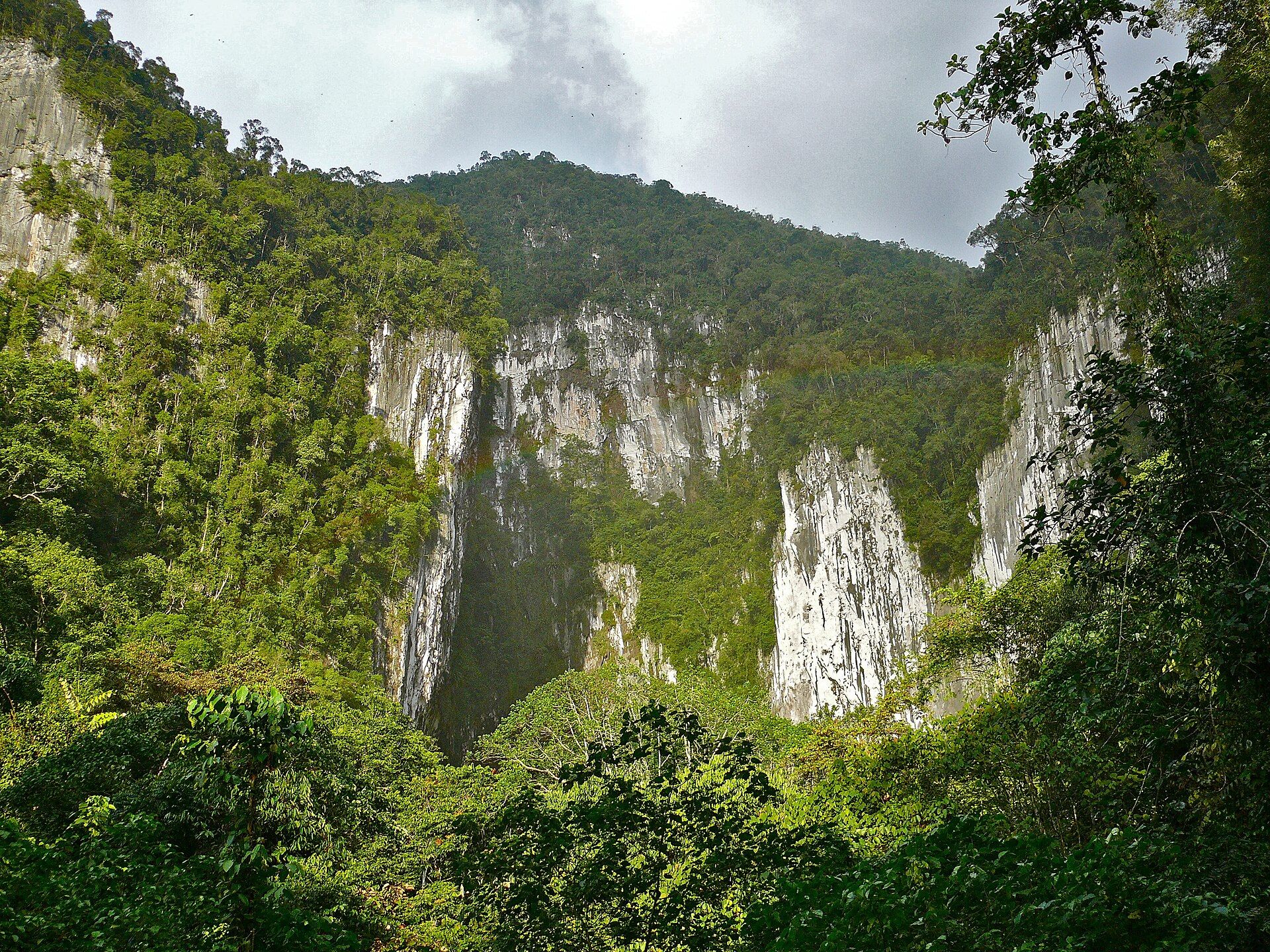
Gunung Mulu protects one of the most remarkable karst landscapes anywhere. Beneath its Bornean rainforest lies an enormous cave system, including the Sarawak Chamber — the largest known cave chamber on Earth by area, vast enough to hold several airliners — and Deer Cave, whose colossal passage is among the biggest anywhere and home to millions of wrinkle-lipped bats. At dusk those bats stream out in a great ribbon that spirals into the sky for over an hour, one of the world's most extraordinary wildlife spectacles. Above ground, erosion has sculpted the limestone into the Pinnacles: a forest of razor-sharp stone blades up to 45 metres tall, jutting improbably from the jungle on the flank of Gunung Api. Add old-growth rainforest rich in Bornean wildlife, and it is no surprise Mulu is a UNESCO World Heritage Site.
Why visit
Watching millions of bats spiral out of a cave mouth at dusk, walking through some of the largest cave passages on the planet, and climbing to a forest of stone blades makes Mulu one of the most extraordinary parks in Southeast Asia.
What to know before you go
🗓️ Best time
Fairly wet year-round, but the drier stretches (roughly March–September) are best for the Pinnacles climb and cave access; the bat exodus happens most evenings when it isn't raining.
🧭 Getting there & access
In Sarawak, Malaysian Borneo, reached almost exclusively by short flight to Mulu airport (from Miri or Kota Kinabalu); park boardwalks reach the show caves, while the Pinnacles is a strenuous multi-day guided trek.
Good to know
- Stay for the dusk bat exodus at Deer Cave — an unmissable spectacle.
- The Pinnacles climb is very steep and demanding; book the guided trek ahead.
- Book park accommodation and flights early; capacity is limited.
Plan your visit
Strenuous🧭 Getting there
From Mulu (MZV), Sarawak, Malaysian Borneo
- Fly Kuching or Kota Kinabalu to Miri
- Miri → Mulu on a small aircraft — about 30 minutes
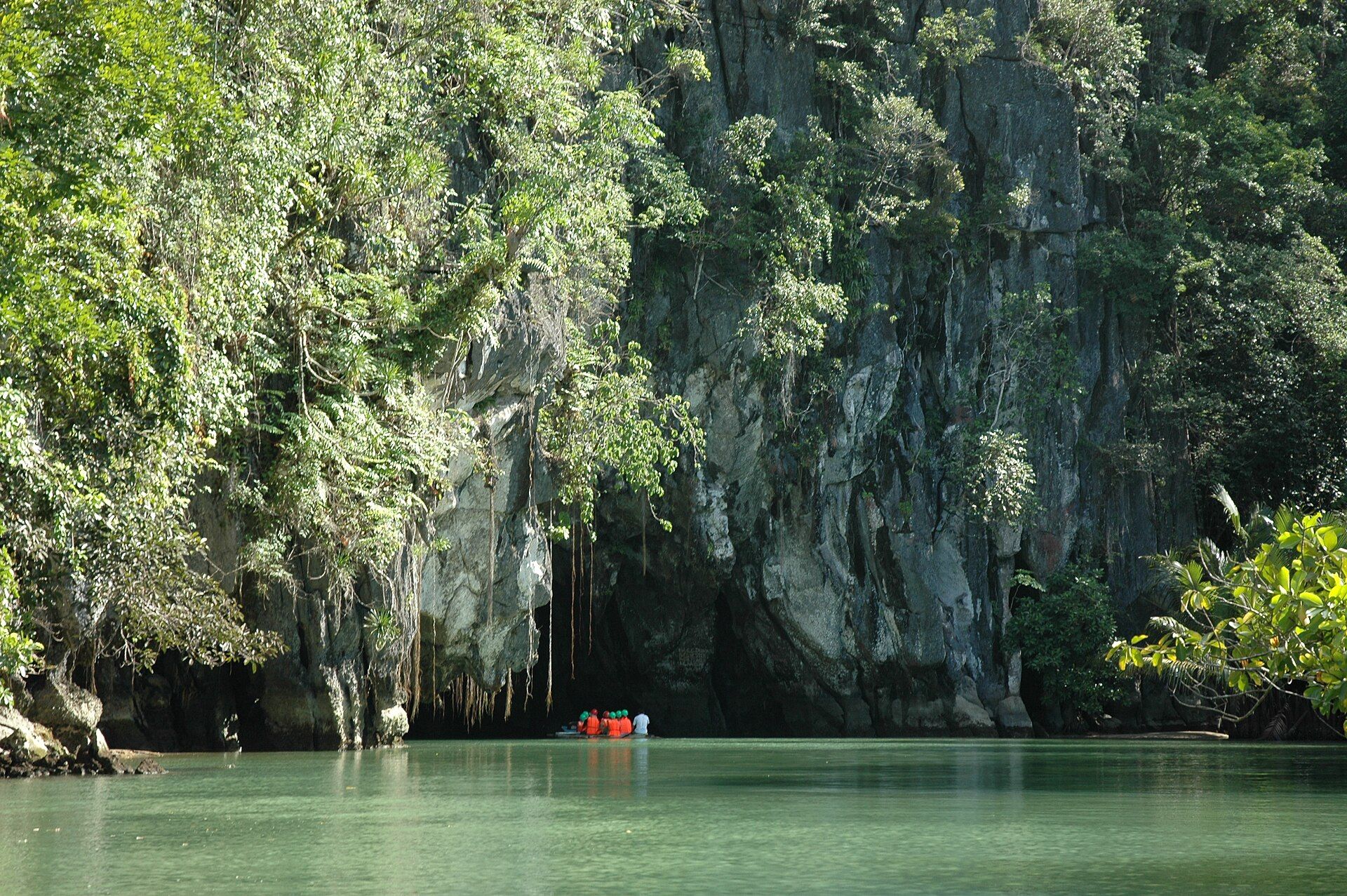
- Park headquarters is a short transfer from the airstrip; caves are reached by boardwalk or longboat
- Total travel
- Most of a day from Kuching
- Time at site
- 3–4 days for the show caves and the bat exodus; 4–5 if you add the Pinnacles
- Access
- National park entry, and every cave must be visited with a park guide. Group sizes are limited and the popular tours book out, so reserve with the park before you arrive rather than on the day. The Pinnacles climb and the adventure caves carry fitness requirements that are actually enforced. Flying is the only practical way in, and flights cancel for weather.
🎒 What to bring & consider
- Shoes with serious grip for wet limestone and razor-sharp karst that will open up soft soles
- Leech socks, or trousers tucked into socks — leeches are an ordinary part of the forest walk here, not a rare misfortune
- A headtorch, which is required rather than suggested for the adventure caves
- Quick-dry clothing and dry bags for constant humidity and river transfers
- Cash, since the park and the airstrip village have very limited banking
👁️ What to expect
- Crowds
- Small numbers overall. The evening bat exodus gathers most of the day's visitors into one viewing area at once.
- Conditions
- Hot, humid and wet. Long boardwalks, slippery cave floors, and in the case of the Pinnacles a brutally steep climb on sharp rock with ladders.
- Facilities
- Park accommodation, a canteen and a shop at headquarters. Nothing beyond it.
- The view
- The bat exodus at dusk is the signature event, and it does not happen every evening — heavy rain keeps the bats inside. Give yourself more than one evening for it.
Times and requirements are approximate and change with season, weather, and local rules — confirm permits, fares, and schedules with operators before you travel.
Natural riches of the area
- The Sarawak Chamber — the world's largest known cave chamber
- Deer Cave and millions of wrinkle-lipped bats
- The Pinnacles: limestone blades up to 45 m tall
- Old-growth Bornean rainforest and rich endemic wildlife
Local food
- Sarawak laksa
- A fragrant, spicy noodle soup, the signature dish of Sarawak.
- Jungle ferns (midin)
- A wild Bornean fern stir-fried with garlic or belacan.
- Bamboo-cooked rice & fish
- Traditional Orang Ulu cooking, steamed inside bamboo over a fire.
Beneath the rainforest of Malaysian Borneo lies one of the greatest cave systems on Earth. Gunung Mulu holds the Sarawak Chamber — the largest known cave chamber anywhere by area, big enough to swallow several airliners — and Deer Cave, whose vast passage shelters millions of wrinkle-lipped bats. Each evening, weather permitting, those bats pour out of the cave mouth in a great smoky ribbon that spirals into the sky for an hour or more, one of the most astonishing wildlife spectacles in the world.
Above ground, water and time have sculpted the limestone into the Pinnacles: a forest of razor-edged stone blades up to 45 metres tall, jutting improbably out of the jungle on the flank of Gunung Api, reached by a punishingly steep climb. Around it all stands old-growth Bornean rainforest thick with endemic wildlife. Remote, reached mostly by light aircraft, this UNESCO World Heritage park packs more geological drama into one place than almost anywhere in Southeast Asia.
Gunung Mulu: common questions
How do you get to Gunung Mulu?
From Mulu (MZV), Sarawak, Malaysian Borneo: Fly Kuching or Kota Kinabalu to Miri; Miri → Mulu on a small aircraft — about 30 minutes; Park headquarters is a short transfer from the airstrip; caves are reached by boardwalk or longboat. Allow Most of a day from Kuching.
When is the best time to visit Gunung Mulu?
Fairly wet year-round, but the drier stretches (roughly March–September) are best for the Pinnacles climb and cave access; the bat exodus happens most evenings when it isn't raining.
How long should you spend at Gunung Mulu?
3–4 days for the show caves and the bat exodus; 4–5 if you add the Pinnacles. Most of a day from Kuching of travel from Mulu (MZV), Sarawak, Malaysian Borneo.
What should you bring to Gunung Mulu?
Shoes with serious grip for wet limestone and razor-sharp karst that will open up soft soles Leech socks, or trousers tucked into socks — leeches are an ordinary part of the forest walk here, not a rare misfortune A headtorch, which is required rather than suggested for the adventure caves Quick-dry clothing and dry bags for constant humidity and river transfers Cash, since the park and the airstrip village have very limited banking
Do you need a permit or guide for Gunung Mulu?
National park entry, and every cave must be visited with a park guide. Group sizes are limited and the popular tours book out, so reserve with the park before you arrive rather than on the day. The Pinnacles climb and the adventure caves carry fitness requirements that are actually enforced. Flying is the only practical way in, and flights cancel for weather.
Is Gunung Mulu crowded, and what are conditions like?
Small numbers overall. The evening bat exodus gathers most of the day's visitors into one viewing area at once. Hot, humid and wet. Long boardwalks, slippery cave floors, and in the case of the Pinnacles a brutally steep climb on sharp rock with ladders. Facilities: park accommodation, a canteen and a shop at headquarters. Nothing beyond it.
Added
More wonders to explore