Phong Nha-Kẻ Bàng
📍 Quảng Bình Province, Vietnam
An ancient limestone landscape riddled with the world's greatest cave systems — including Sơn Đoòng, the largest cave passage on Earth, big enough to hold its own jungle, river, and clouds.
What makes it marvelous
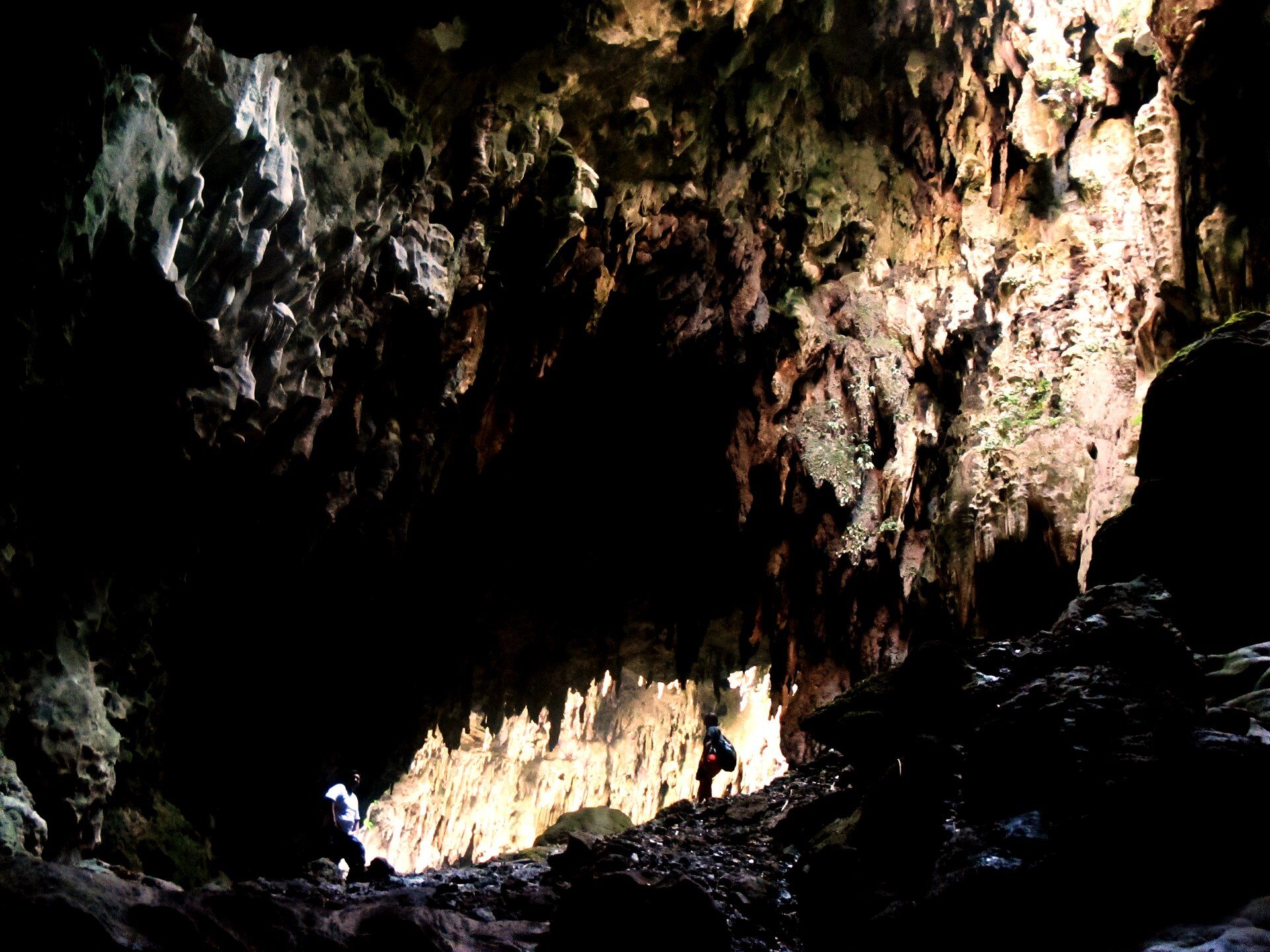
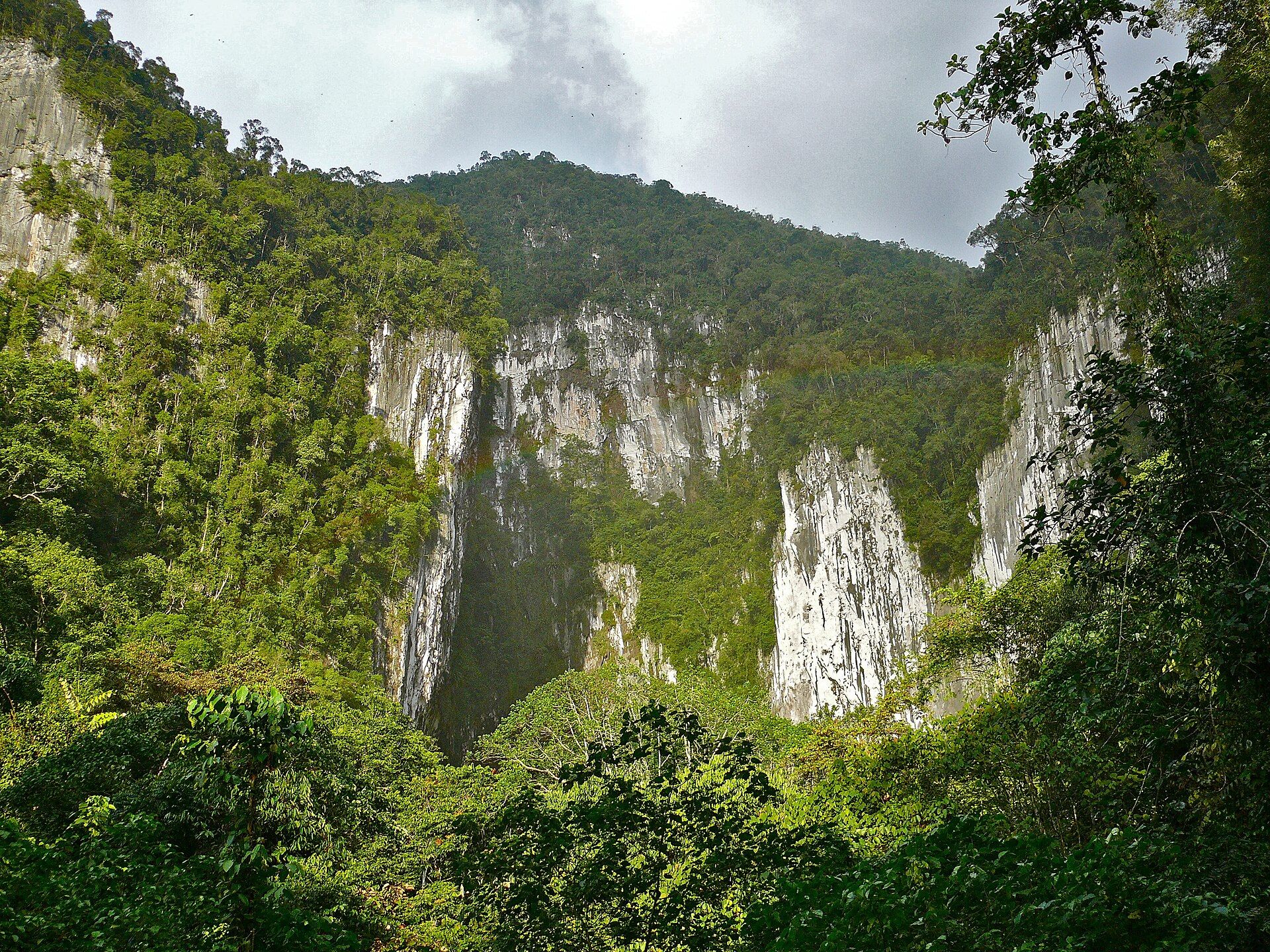
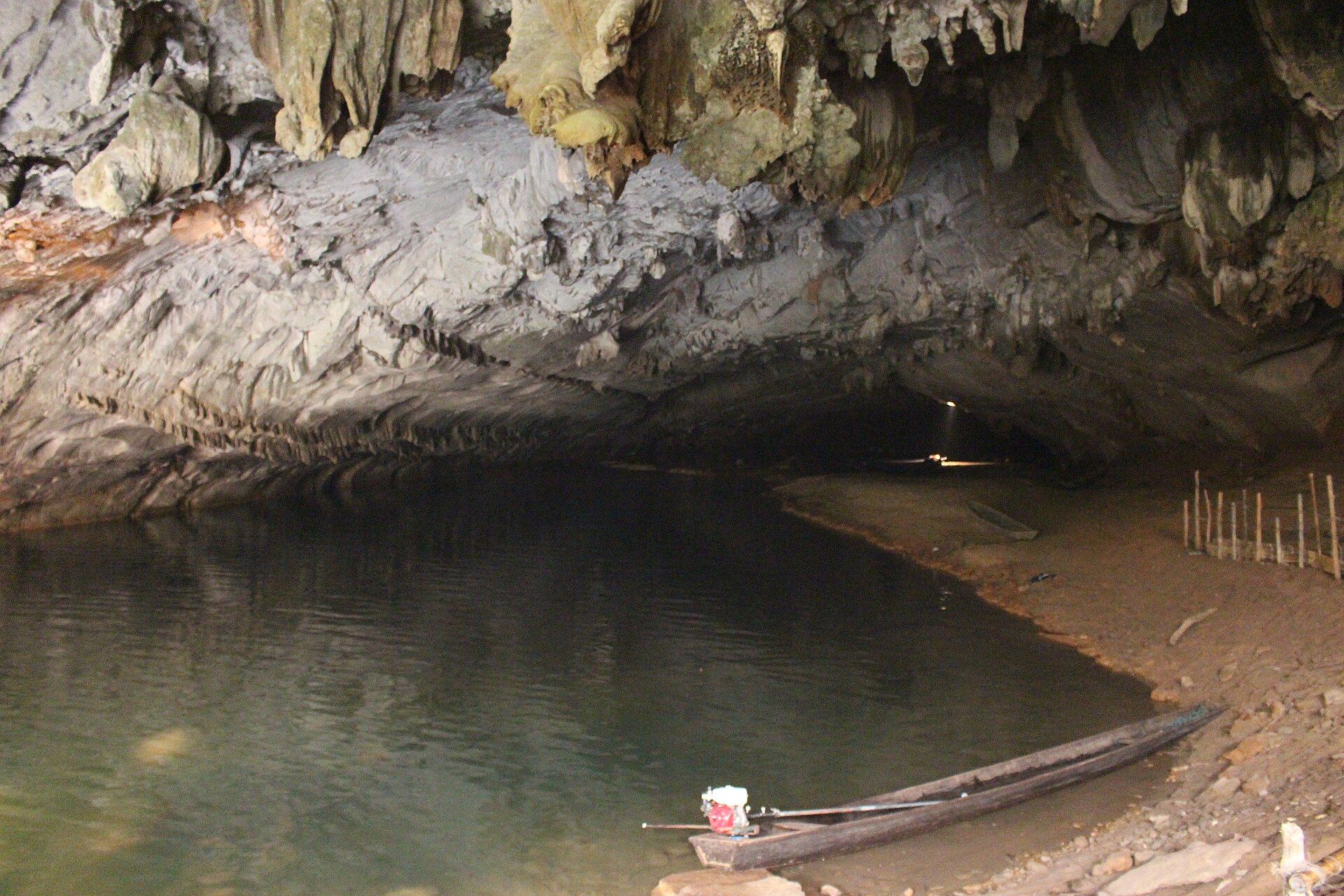
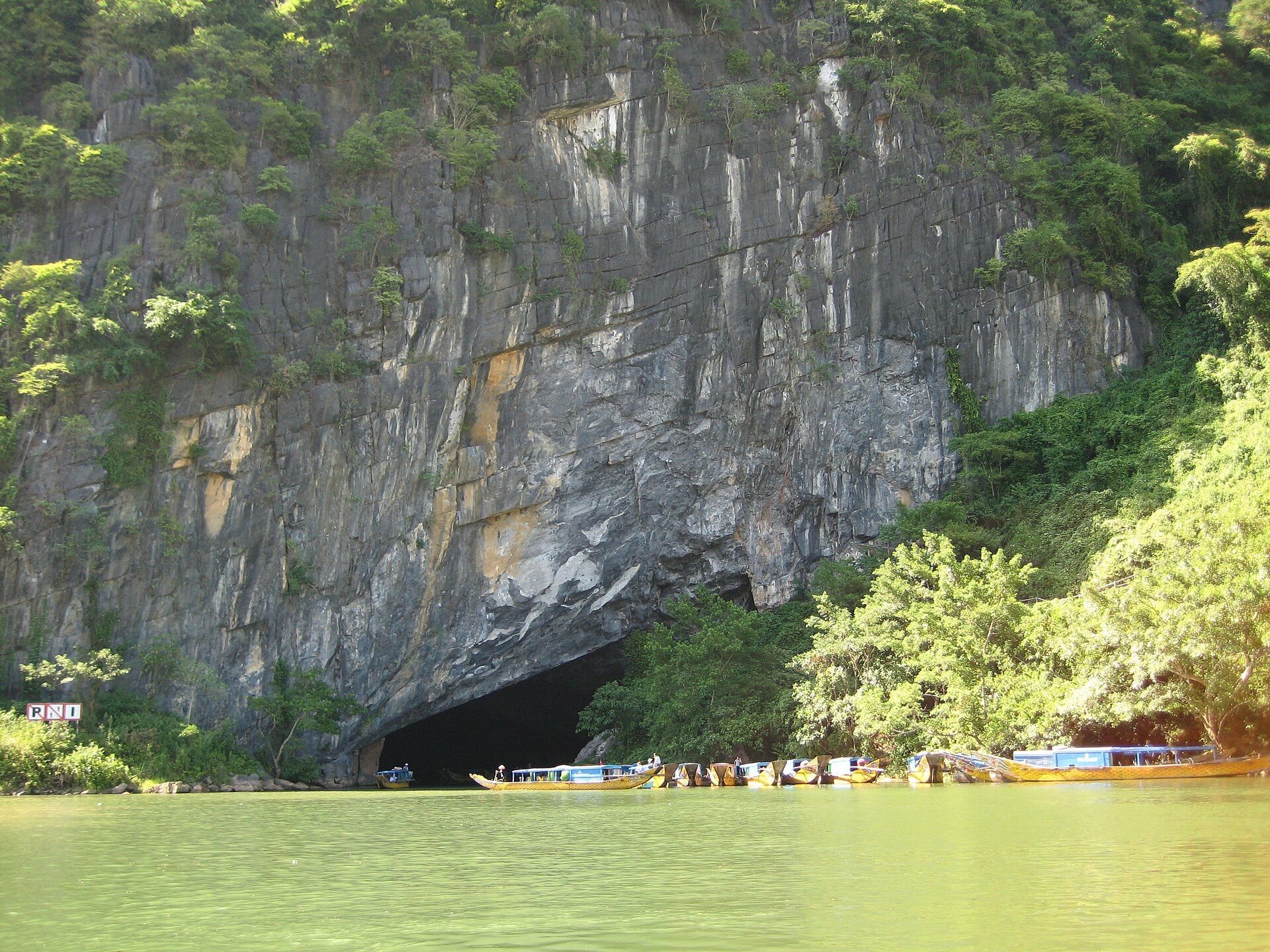
Beneath the forested karst mountains of central Vietnam lies one of the most spectacular cave regions on the planet. Phong Nha-Kẻ Bàng protects some of the oldest karst in Asia — around 400 million years old — honeycombed by hundreds of caves and underground rivers. Its crown is Sơn Đoòng, only revealed to the world in recent decades and confirmed as the largest cave passage on Earth: a void so vast it contains its own jungle, its own river, and 'dolines' where the ceiling has collapsed to let in shafts of light and drifting clouds. Alongside it are the vaulted river caves of Phong Nha and Paradise Cave, hung with immense stalactites and stalagmites. It is a UNESCO World Heritage Site of global geological importance.
Why visit
Whether drifting by boat into the river-carved dark of Phong Nha Cave, walking the boardwalks of the cathedral-like Paradise Cave, or joining the elite expedition into Sơn Đoòng, this is caving on a scale found nowhere else on Earth.
What to know before you go
🗓️ Best time
The dry season (roughly February–August) for safe cave access and river conditions; Sơn Đoòng expeditions run only in a limited window (around February–August). Autumn brings heavy rain and flooding.
🧭 Getting there & access
In Quảng Bình Province, central Vietnam, reached via Đồng Hới (by air or rail) and the town of Phong Nha. Show caves are open to all; Sơn Đoòng is a permit-only multi-day expedition with a single licensed operator.
Good to know
- Visit in the dry season; caves and rivers flood in autumn.
- Paradise and Phong Nha caves are easy to visit; Sơn Đoòng requires a booked expedition.
- Support the local guides and porters who make the caves accessible.
Plan your visit
Moderate🧭 Getting there
From Dong Hoi (VDH), Quang Binh, Vietnam
- Fly Hanoi or Ho Chi Minh City → Dong Hoi — roughly 1h20–1h50
- Road Dong Hoi → Phong Nha town — about 45min–1h
- Individual caves are a further 30min–1h by road and river boat
- Total travel
- Half a day from Hanoi
- Time at site
- 2–4 days depending on which caves you take on
- Access
- National park entry plus per-cave tickets. Son Doong can only be visited on a multi-day expedition with the single licensed operator, under a small annual quota with a long waiting list — check with the operator directly rather than assuming a place. Caves close during floods, and the wetter months roughly September to November shut many of them outright.
🎒 What to bring & consider
- Shoes you are happy to soak, since several caves involve wading or swimming
- Your own headtorch as backup to the operator's
- Quick-dry clothing and a dry bag; nothing stays dry on a cave day
- Insect repellent for the forest approaches
- An honest assessment of your fitness for the adventure caves, which involve rope work, cold-water swimming and long walks in the dark
👁️ What to expect
- Crowds
- Paradise Cave and Phong Nha Cave take coach groups. The adventure caves run tiny permitted numbers and feel genuinely remote.
- Conditions
- Humid jungle approaches, river crossings, slippery cave floors, and total darkness once you leave the lit sections.
- Facilities
- Good in Phong Nha town. At the caves, only what the tour carries in.
- The view
- The lit show caves photograph easily. The wild caves are dark, wet and actively hostile to equipment — bring protection or accept memory instead of images.
Times and requirements are approximate and change with season, weather, and local rules — confirm permits, fares, and schedules with operators before you travel.
Natural riches of the area
- ~400-million-year-old karst, among Asia's oldest
- Sơn Đoòng, the largest cave passage on Earth
- Hundreds of caves and underground rivers
- Karst rainforest with rich, endemic wildlife
Local food
- Cháo bột (bánh canh) Quảng Bình
- A local savory noodle/porridge dish of the province.
- Fresh river fish & seafood
- From the rivers and nearby coast of central Vietnam.
- Vietnamese staples
- Rice, fresh herbs, and regional specialities of central Vietnam.
Beneath the forested karst mountains of central Vietnam hides one of the wonders of the underground world. Phong Nha-Kẻ Bàng protects some of the oldest limestone in Asia — around 400 million years old — riddled with hundreds of caves and underground rivers, and its crown jewel is Sơn Đoòng: the largest cave passage on Earth, only revealed to the world in recent decades.
Sơn Đoòng is so vast it defies belief — a void that holds its own jungle, its own river, and collapsed ‘dolines’ where shafts of daylight and drifting cloud pour into the dark. Around it lie the cathedral-like chambers of Paradise Cave and the river-carved dark of Phong Nha, hung with colossal stalactites. A UNESCO World Heritage Site of global geological importance, it offers everything from an easy boat trip into a river cave to the elite multi-day expedition into the greatest cave on the planet.
Phong Nha-Kẻ Bàng: common questions
How do you get to Phong Nha-Kẻ Bàng?
From Dong Hoi (VDH), Quang Binh, Vietnam: Fly Hanoi or Ho Chi Minh City → Dong Hoi — roughly 1h20–1h50; Road Dong Hoi → Phong Nha town — about 45min–1h; Individual caves are a further 30min–1h by road and river boat. Allow Half a day from Hanoi.
When is the best time to visit Phong Nha-Kẻ Bàng?
The dry season (roughly February–August) for safe cave access and river conditions; Sơn Đoòng expeditions run only in a limited window (around February–August). Autumn brings heavy rain and flooding.
How long should you spend at Phong Nha-Kẻ Bàng?
2–4 days depending on which caves you take on. Half a day from Hanoi of travel from Dong Hoi (VDH), Quang Binh, Vietnam.
What should you bring to Phong Nha-Kẻ Bàng?
Shoes you are happy to soak, since several caves involve wading or swimming Your own headtorch as backup to the operator's Quick-dry clothing and a dry bag; nothing stays dry on a cave day Insect repellent for the forest approaches An honest assessment of your fitness for the adventure caves, which involve rope work, cold-water swimming and long walks in the dark
Do you need a permit or guide for Phong Nha-Kẻ Bàng?
National park entry plus per-cave tickets. Son Doong can only be visited on a multi-day expedition with the single licensed operator, under a small annual quota with a long waiting list — check with the operator directly rather than assuming a place. Caves close during floods, and the wetter months roughly September to November shut many of them outright.
Is Phong Nha-Kẻ Bàng crowded, and what are conditions like?
Paradise Cave and Phong Nha Cave take coach groups. The adventure caves run tiny permitted numbers and feel genuinely remote. Humid jungle approaches, river crossings, slippery cave floors, and total darkness once you leave the lit sections. Facilities: good in Phong Nha town. At the caves, only what the tour carries in.
Added
More wonders to explore