🇻🇳 Natural wonders of Vietnam
A long, green country of limestone seascapes, terraced highlands, and river deltas — most famous for the karst islands of Hạ Long Bay rising from a jade-green sea.
🗓️ Best time for nature: October to April for cooler, drier weather in the north and calm seas at Hạ Long Bay; the country's regions have distinct seasons.
The lay of the land
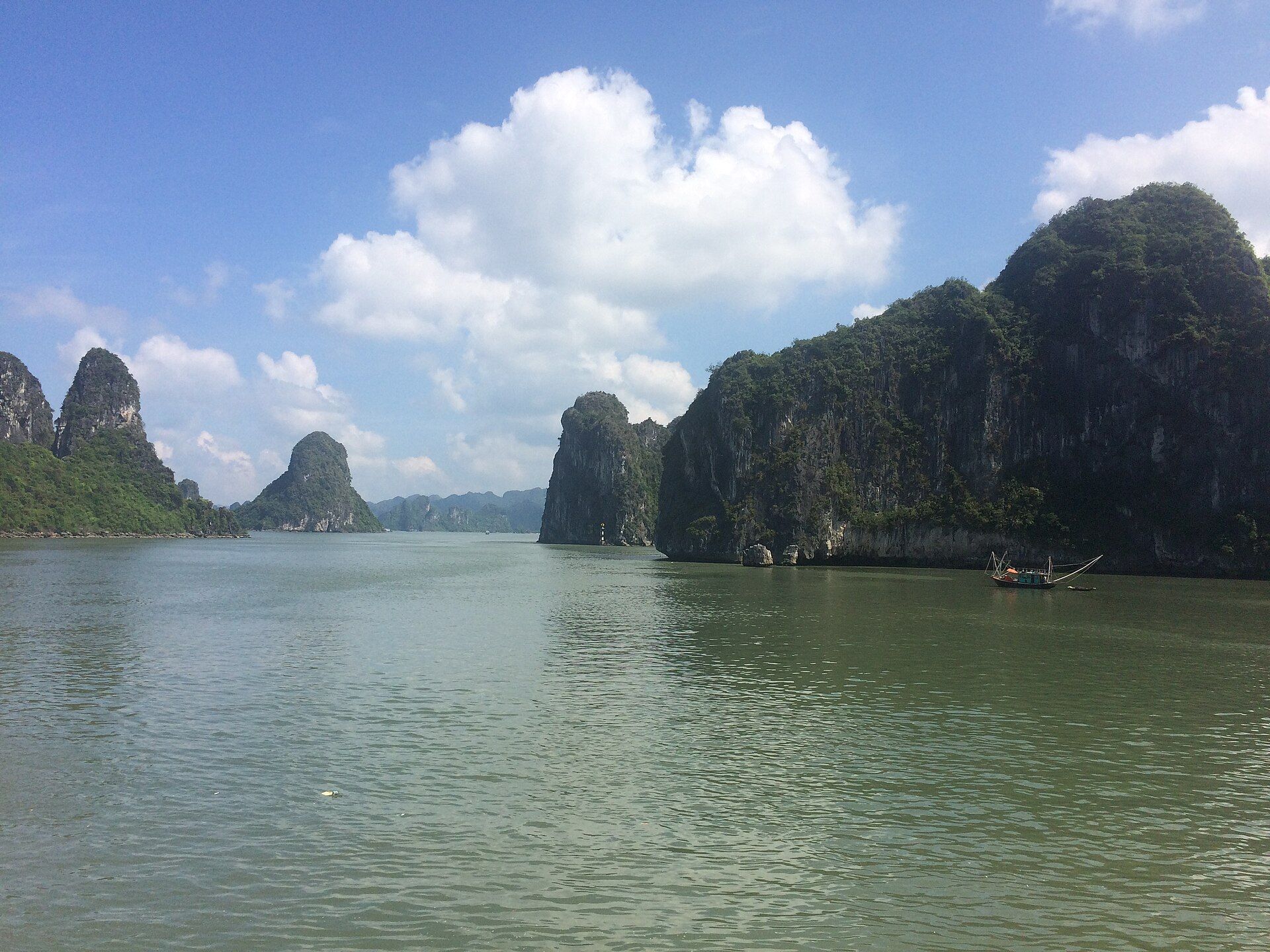
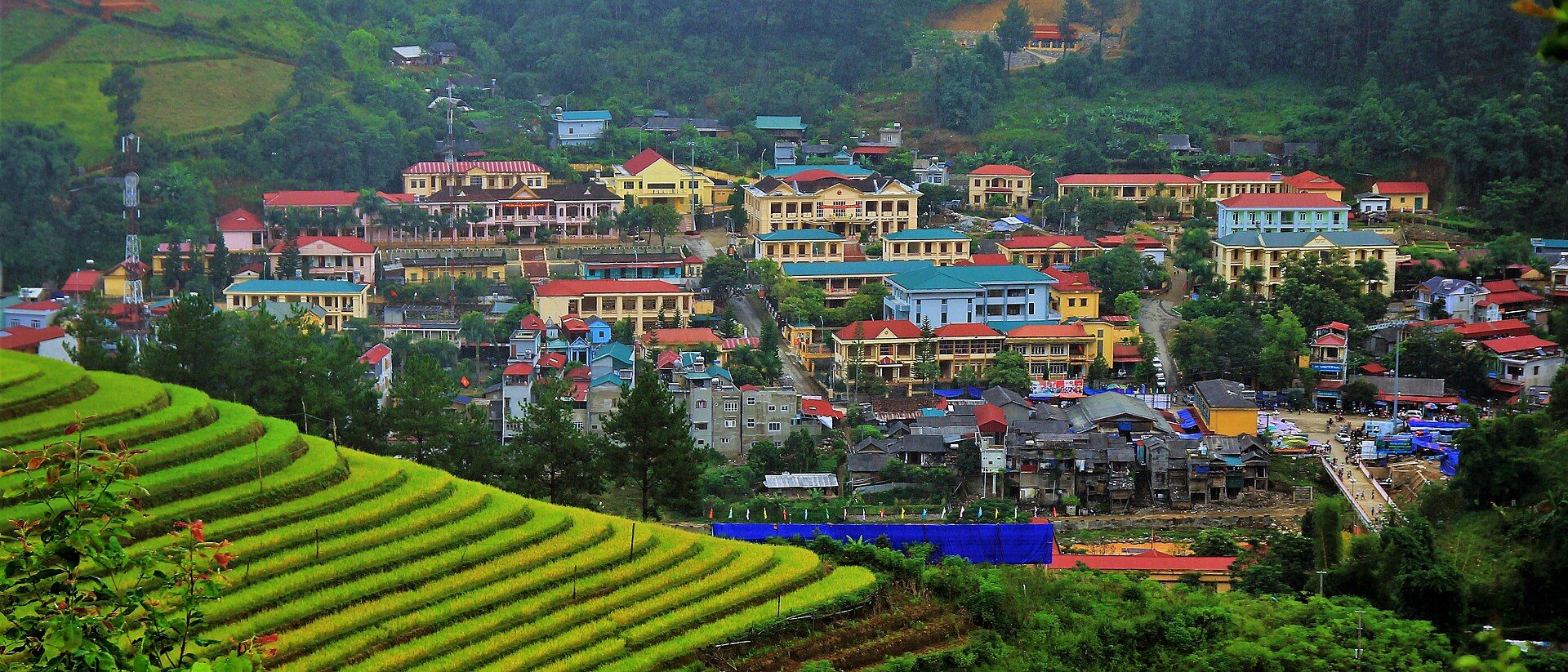
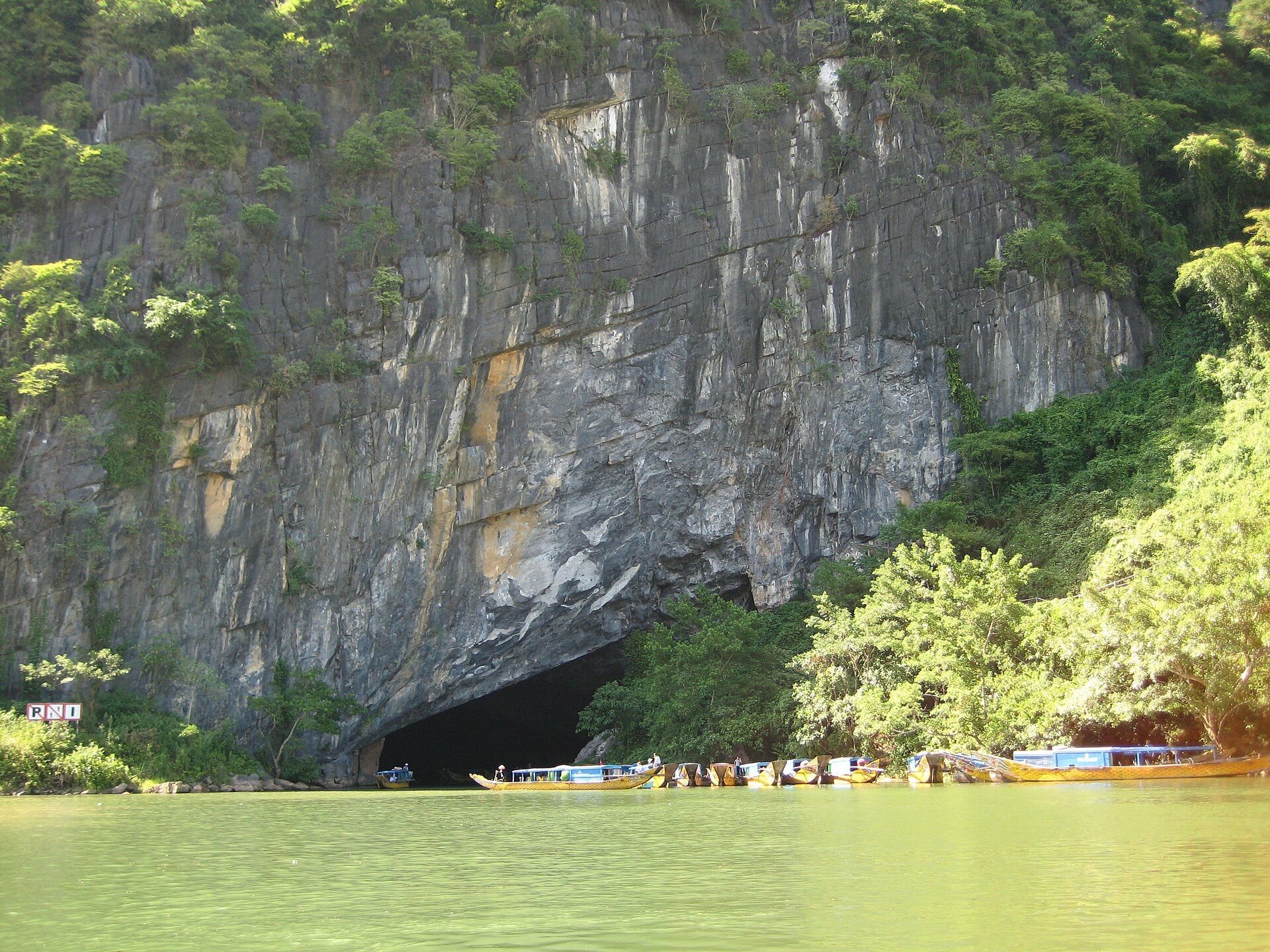
Vietnam stretches along the eastern edge of Southeast Asia, from limestone karst country in the north to the vast Mekong Delta in the south. Its signature landscape is Hạ Long Bay, where nearly two thousand limestone islands and pillars — the drowned remnants of an ancient karst plateau — rise from the Gulf of Tonkin, riddled with caves and hidden lagoons. Terraced rice highlands, cave systems, and long coastlines add to a country rich in water and stone.
Where to begin
-
Hạ Long Bay
Nearly 2,000 limestone karst islands in a jade-green sea.
A taste of the place
Vietnamese cuisine is fresh, bright, and herb-forward — phở noodle soup, bánh cuốn rice rolls, and abundant seafood, with regional specialties like Hạ Long's grilled squid cake (chả mực).
Traveling responsibly
- Take an overnight cruise to see Hạ Long Bay beyond the day-trip crowds.
- Kayak into the bay's lagoons and caves for the best views.
- Choose responsible operators to help protect the bay's waters.
Vietnam runs the length of Southeast Asia’s eastern edge, from northern karst country to the Mekong Delta, but its most iconic landscape is Hạ Long Bay. There, as many as two thousand limestone islands and pillars — the surviving towers of a drowned karst plateau — rise sheer from a jade-green sea, hollowed with caves and hidden lagoons. This atlas begins Vietnam’s chapter in that bay, with the country’s terraced highlands and river deltas to follow.
Added
All wonders in Vietnam
3 places