Hundred Islands
📍 Alaminos, Pangasinan, Philippines
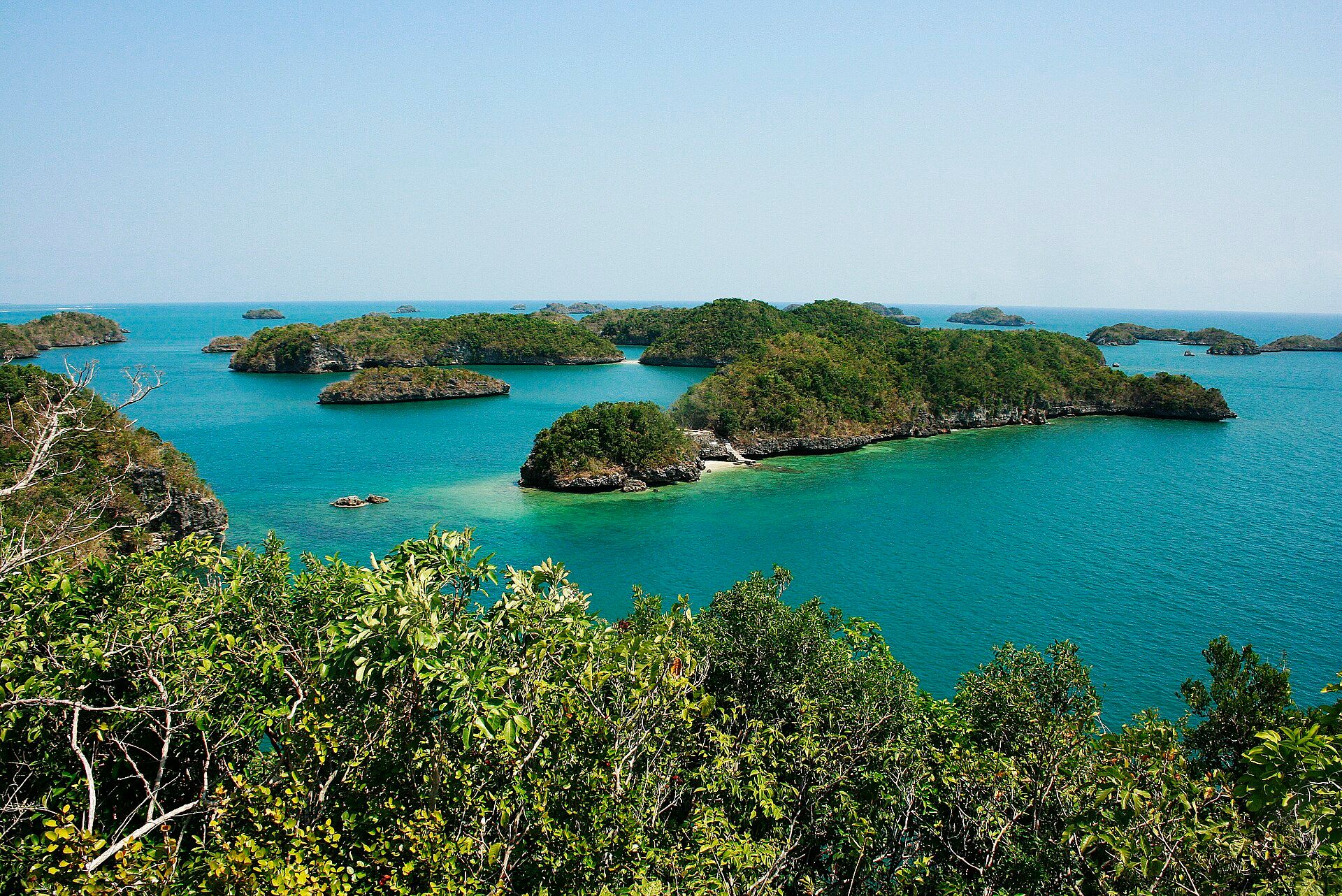
A scatter of 124 small, mushroom-shaped limestone islands in the Lingayen Gulf — ancient coral reef, uplifted and undercut by the sea into rounded green-capped islets you can hop between by boat.
What makes it marvelous
The islands are the remains of a coral reef roughly two million years old, raised above the sea and then eroded at the waterline by waves and tides. That undercutting gives many of them their distinctive mushroom or anvil shape — wider on top than at the base. Only a handful are developed; the rest are left to mangroves, nesting birds, and regenerating reef.
Why visit
It is one of Luzon's most accessible island-hopping playgrounds: swim, kayak, snorkel over recovering coral, and clamber up small islets for views over a bay dotted with green mounds. A giant-clam nursery and reef-restoration project add a conservation story to the fun.
What to know before you go
🗓️ Best time
November to May, the dry season, for calm water and clear crossings. Weekdays are far quieter than weekends and holidays.
🧭 Getting there & access
About 5–6 hours by road from Manila to Alaminos, Pangasinan, then boats leave from the Lucap wharf. Entrance and boat fees support the national park.
Good to know
- Visit the giant-clam nursery and snorkel the restoration sites — they show the reef recovering.
- Bring reef-safe sunscreen and take all litter back with you.
- Go midweek to have the quieter islands nearly to yourself.
Natural riches of the area
- Two-million-year-old uplifted coral limestone
- Regenerating fringing reefs and giant-clam nurseries
- Mangroves and seabird nesting sites
- Rich fishing grounds in the Lingayen Gulf
Local food
- Bangus (milkfish)
- Pangasinan is the milkfish capital; try it grilled, stuffed (rellenong bangus), or as boneless daing.
- Bagoong
- Fermented fish paste, a Pangasinan staple that flavours countless dishes.
- Fresh oysters & lato
- Gulf oysters and crunchy sea grapes served with vinegar.
From the water, the Hundred Islands look like a bay full of green stepping stones. They are the bones of an old coral reef — roughly two million years old — pushed above the sea and then gnawed at the waterline by waves and tides. That erosion is why so many wear a pinched, mushroom-like shape, broad on top and narrow at the base.
Of the 124 islands, only a few are developed for visitors; the rest are given over to mangroves, nesting birds, and reef. Recent work — giant-clam nurseries and coral restoration — is helping the underwater half of the park recover, and snorkellers can watch it happening.
It is an easy, joyful introduction to Philippine island-hopping, close enough to Manila for a weekend and interesting enough to reward a slower, midweek visit.
More wonders to explore