Kamchatka Volcanoes
📍 Kamchatka Peninsula, Russian Far East
A remote peninsula bristling with snow-capped volcanoes, geysers, and hot springs — one of the most volcanically active places on Earth, roamed by some of the world's largest brown bears.
What makes it marvelous
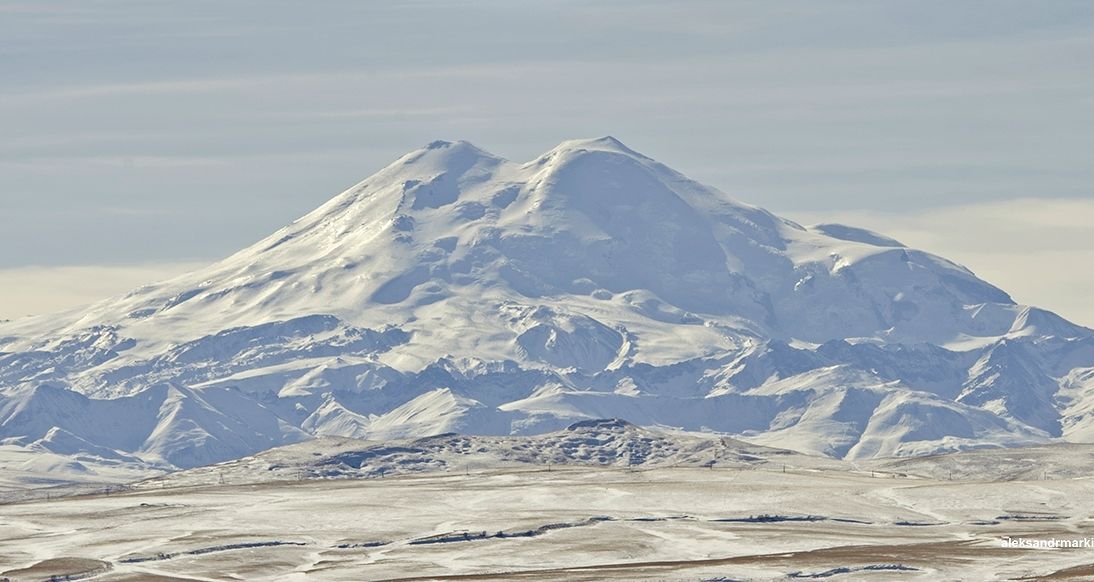
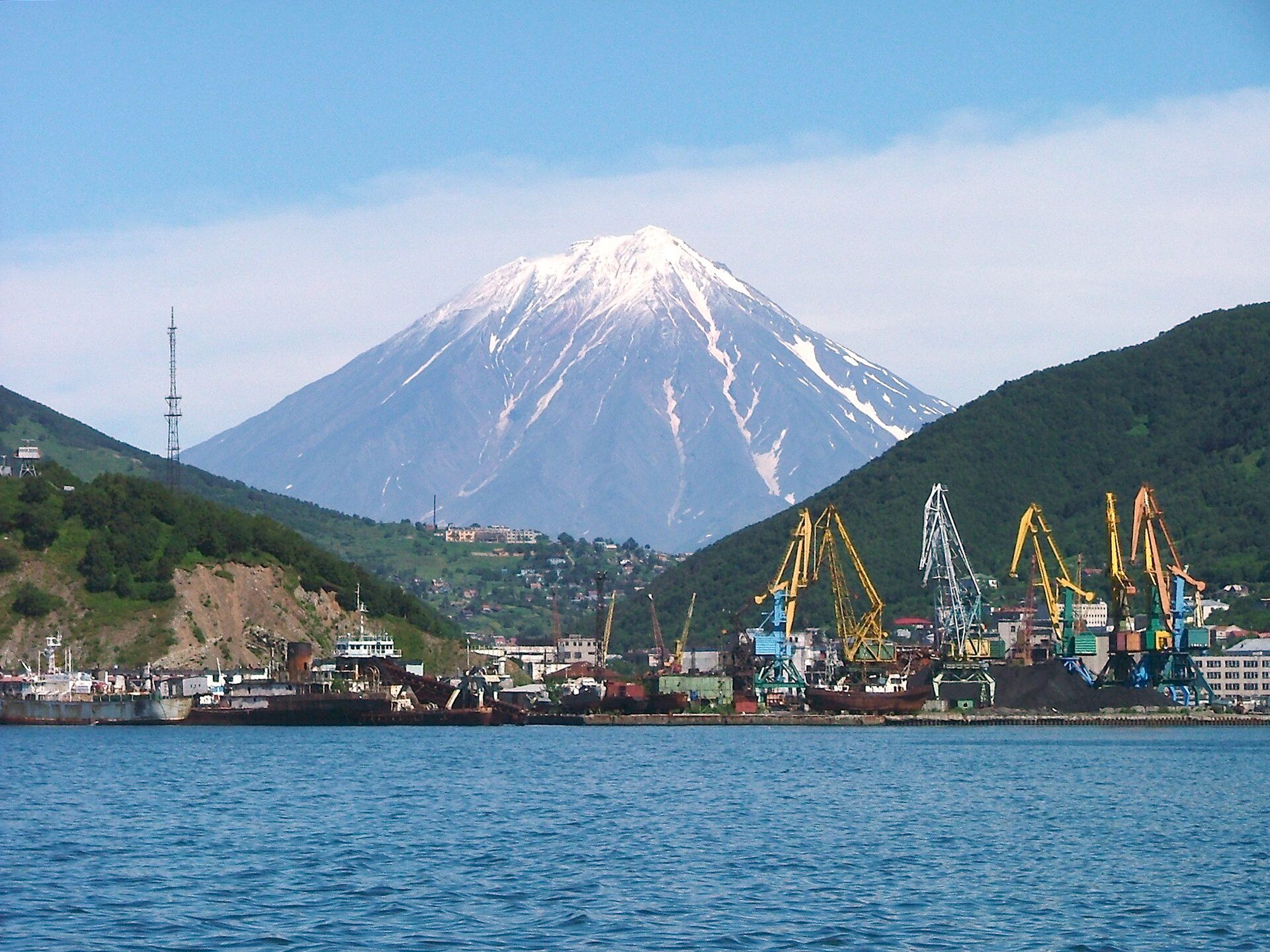
The Kamchatka Peninsula thrusts out from the Russian Far East into the Pacific along the Ring of Fire, and it is one of the most volcanically alive landscapes on the planet — home to some 300 volcanoes, around 30 of them still active, their snow-clad cones rising in ranks above the wilderness. Klyuchevskaya Sopka, the highest active volcano in Eurasia, towers over 4,750 metres. Fed by all that heat, the peninsula steams with hot springs and geysers, most famously in the Valley of the Geysers, one of the largest geyser fields in the world. Almost roadless and thinly peopled, Kamchatka is a stronghold of wildlife: its rivers run thick with salmon, drawing one of Earth's densest populations of brown bears, among the largest anywhere. Its volcanoes are a UNESCO World Heritage Site.
Why visit
Few places combine so many active volcanoes, geysers, and big wildlife in one pristine wilderness — a bucket-list frontier for adventurous travellers drawn to smoking peaks, wild rivers, and bears fishing for salmon.
What to know before you go
🗓️ Best time
The short summer (roughly July–September), the only practical window for trekking, helicopter tours, and bear-watching; the rest of the year is deep winter.
🧭 Getting there & access
In the Russian Far East, reached by air to Petropavlovsk-Kamchatsky; there are few roads, so most sights (the Valley of the Geysers, remote volcanoes) are reached by helicopter or rugged expedition with guides.
Good to know
- Visit in the brief summer; most access is helicopter or expedition-based.
- Book guided tours well ahead — the peninsula is remote and permits apply.
- Follow bear-safety guidance closely in salmon country.
Plan your visit
Expedition🧭 Getting there
From Petropavlovsk-Kamchatsky (PKC)
- Fly Moscow → Petropavlovsk — roughly 8–9h
- Avachinsky and Mutnovsky are 2–4h out of the city by 6x6 truck
- The Valley of Geysers is helicopter-only — about 1h15 each way
- Total travel
- A full day from Moscow
- Time at site
- 7–14 days, because weather and transport will take days from you
- Access
- Much of Kamchatka is protected and requires permits, with border-zone rules applying in places; operators handle the arrangements. The Valley of Geysers sits inside the Kronotsky reserve and can only be visited on a licensed helicopter tour with a guide, weather permitting — flights cancel frequently and refund terms are often not what visitors assume. Volcanic activity closes areas without notice. Check current entry requirements and your government's travel advisory for Russia.
🎒 What to bring & consider
- Full four-season gear; the weather turns violently and snow lingers into summer
- Bear-aware practice and a guide — brown bear density here is among the highest anywhere and encounters are routine rather than remarkable
- A schedule with real slack, since helicopter and truck movements are weather-dependent and cancel often
- Cash in roubles, with no assumption that foreign cards will work
- Insurance covering remote evacuation, which would be slow from anywhere in the field
👁️ What to expect
- Crowds
- Very few visitors. The limiting factors are cost and logistics, not popularity.
- Conditions
- Rough truck travel, volcanic ash and scree, river crossings, and cold wet weather at any time of year.
- Facilities
- Good in Petropavlovsk. Almost nothing in the field beyond basic huts and tents.
- The view
- The geyser valley and the volcano cones are the signature scenes, and both are weather lotteries. Bears fishing the salmon runs through the summer months are the more dependable spectacle.
Times and requirements are approximate and change with season, weather, and local rules — confirm permits, fares, and schedules with operators before you travel.
Natural riches of the area
- Around 300 volcanoes, ~30 of them active, on the Ring of Fire
- Klyuchevskaya Sopka (4,750+ m), Eurasia's highest active volcano
- The Valley of the Geysers and abundant hot springs
- Salmon rivers and one of Earth's densest brown-bear populations
Local food
- Wild Pacific salmon & red caviar
- Kamchatka's rivers are famed for salmon and their prized roe.
- King crab
- The cold Pacific waters yield some of the world's best crab.
- Foraged berries & fern
- Wild berries and greens gathered across the peninsula's tundra and forest.
Kamchatka is a land of fire at the edge of the world. Thrusting into the Pacific from the Russian Far East along the Ring of Fire, this remote, almost roadless peninsula is one of the most volcanically alive places on Earth — some 300 volcanoes, around 30 of them active, their snow-capped cones rising in ranks above the taiga. Klyuchevskaya Sopka, the highest active volcano in Eurasia, tops 4,750 metres, and all that subterranean heat feeds hot springs and the famous Valley of the Geysers, one of the largest geyser fields anywhere.
That wildness extends to its wildlife. Thinly peopled and largely trackless, Kamchatka’s rivers run thick with salmon each summer, sustaining one of the densest populations of brown bears on the planet — and some of the largest. Reached by air and then by helicopter or hard-won expedition, it is a true frontier of smoking peaks, wild rivers, and big animals, and its volcanoes are honoured as a UNESCO World Heritage Site.
Kamchatka Volcanoes: common questions
How do you get to Kamchatka Volcanoes?
From Petropavlovsk-Kamchatsky (PKC): Fly Moscow → Petropavlovsk — roughly 8–9h; Avachinsky and Mutnovsky are 2–4h out of the city by 6x6 truck; The Valley of Geysers is helicopter-only — about 1h15 each way. Allow a full day from moscow.
When is the best time to visit Kamchatka Volcanoes?
The short summer (roughly July–September), the only practical window for trekking, helicopter tours, and bear-watching; the rest of the year is deep winter.
How long should you spend at Kamchatka Volcanoes?
7–14 days, because weather and transport will take days from you. A full day from Moscow of travel from Petropavlovsk-Kamchatsky (PKC).
What should you bring to Kamchatka Volcanoes?
Full four-season gear; the weather turns violently and snow lingers into summer Bear-aware practice and a guide — brown bear density here is among the highest anywhere and encounters are routine rather than remarkable A schedule with real slack, since helicopter and truck movements are weather-dependent and cancel often Cash in roubles, with no assumption that foreign cards will work Insurance covering remote evacuation, which would be slow from anywhere in the field
Do you need a permit or guide for Kamchatka Volcanoes?
Much of Kamchatka is protected and requires permits, with border-zone rules applying in places; operators handle the arrangements. The Valley of Geysers sits inside the Kronotsky reserve and can only be visited on a licensed helicopter tour with a guide, weather permitting — flights cancel frequently and refund terms are often not what visitors assume. Volcanic activity closes areas without notice. Check current entry requirements and your government's travel advisory for Russia.
Is Kamchatka Volcanoes crowded, and what are conditions like?
Very few visitors. The limiting factors are cost and logistics, not popularity. Rough truck travel, volcanic ash and scree, river crossings, and cold wet weather at any time of year. Facilities: good in Petropavlovsk. Almost nothing in the field beyond basic huts and tents.
Added
More wonders to explore