Lake Como
📍 Lombardy, northern Italy
A deep, inverted-Y-shaped glacial lake beneath the southern Alps, ringed by steep wooded mountains, cliff-clinging villages, and centuries of grand lakeside villas.
What makes it marvelous
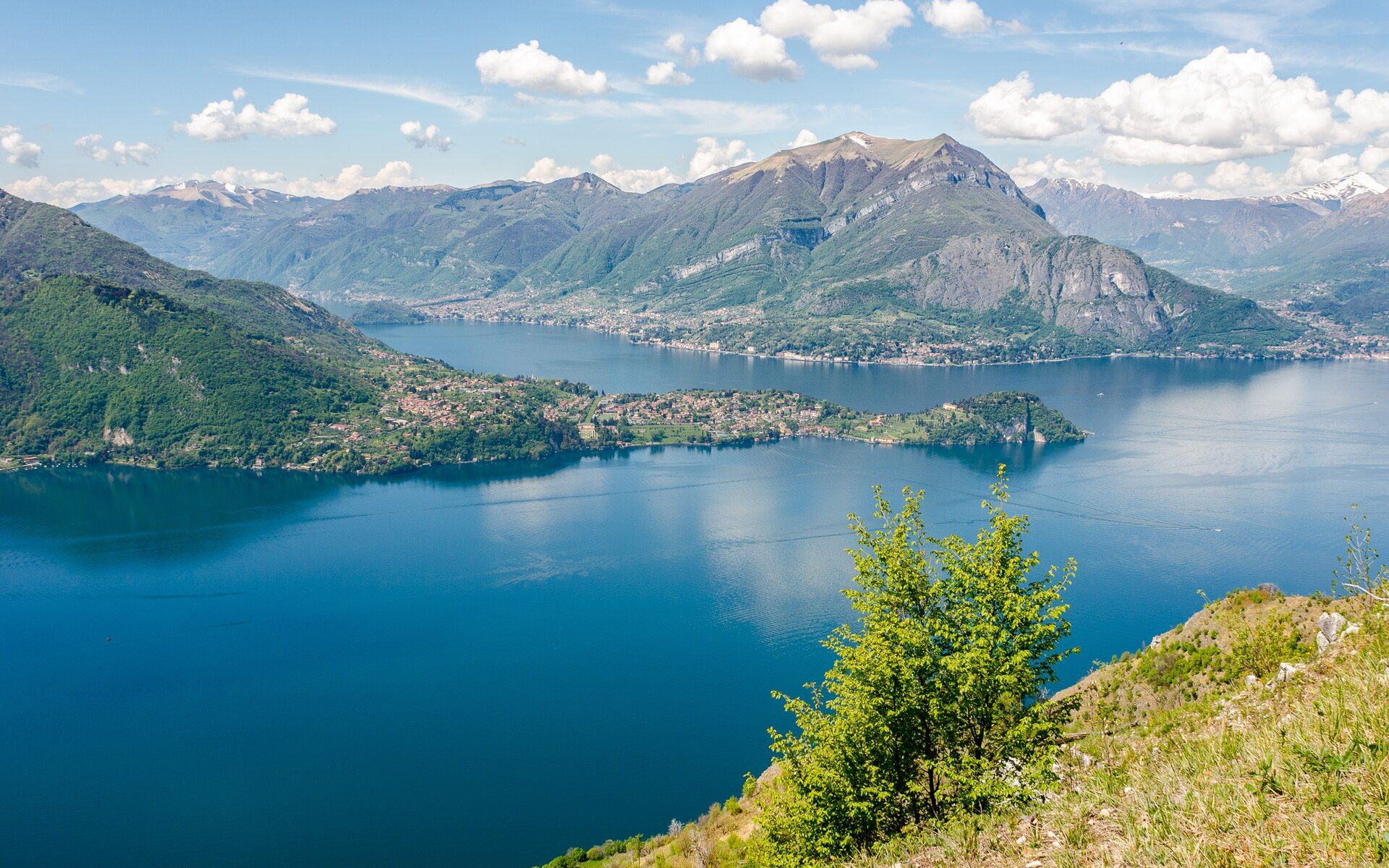
Lake Como fills a deep trough gouged by glaciers flowing down from the Alps, and its distinctive upside-down-Y shape follows the branching valleys they carved. Plunging to over 400 metres, it is one of the deepest lakes in Europe, its dark water hemmed by steep, wooded mountains that rise straight from the shore to alpine heights still snow-capped in spring. Where the three arms meet, the town of Bellagio sits on a promontory, and villages, gardens, and villas cling to the water's edge all around.
Why visit
Como pairs dramatic mountain-and-water scenery with centuries of human beauty: elegant villas and terraced gardens, pastel villages like Varenna and Menaggio, and grand lakeside towns, all linked by ferries that criss-cross the lake. You can hike the ridges for sweeping views, swim off the shore in summer, or simply ride the boats between villages beneath the peaks — a landscape that has drawn travellers, writers, and artists for generations.
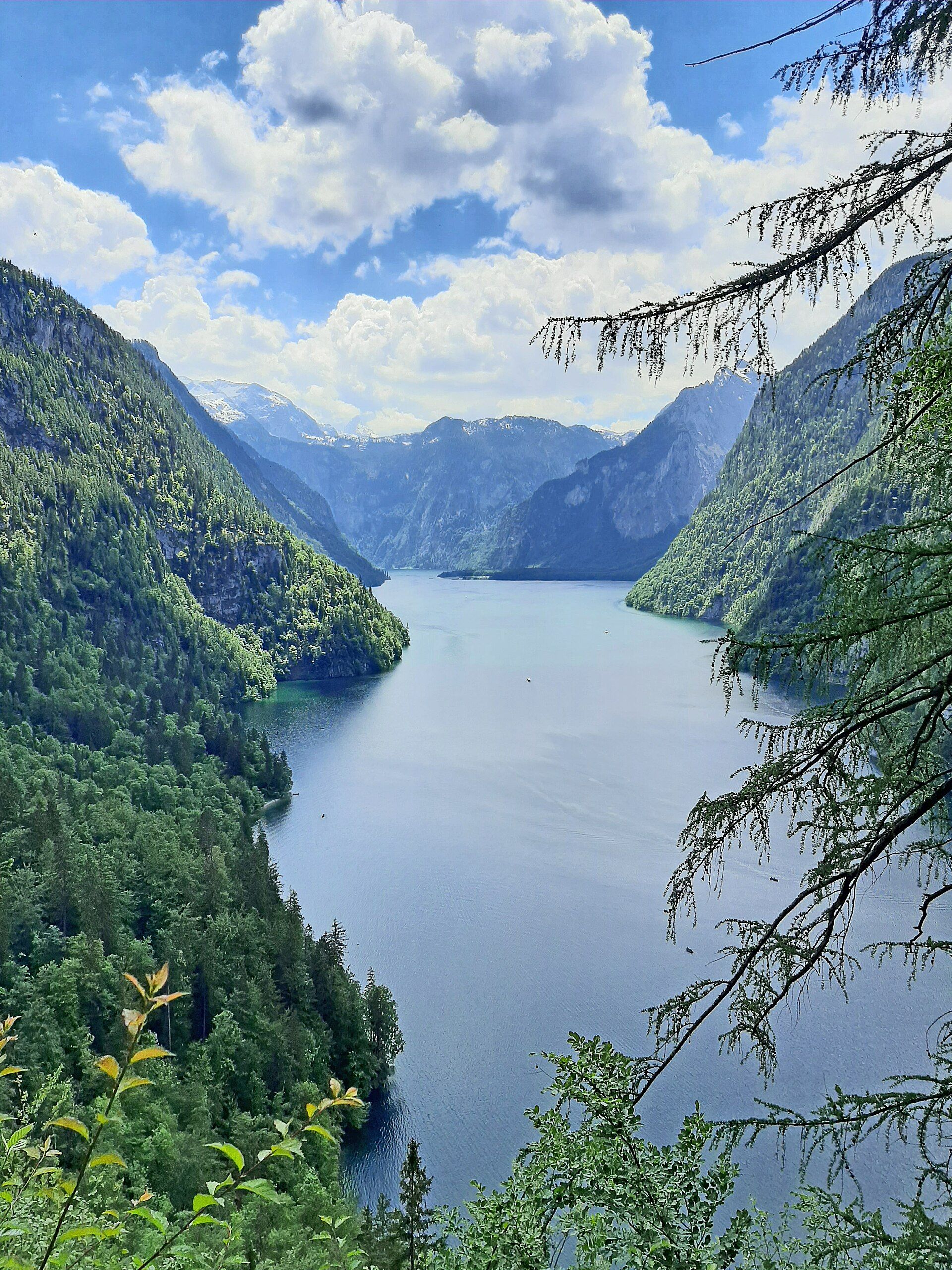
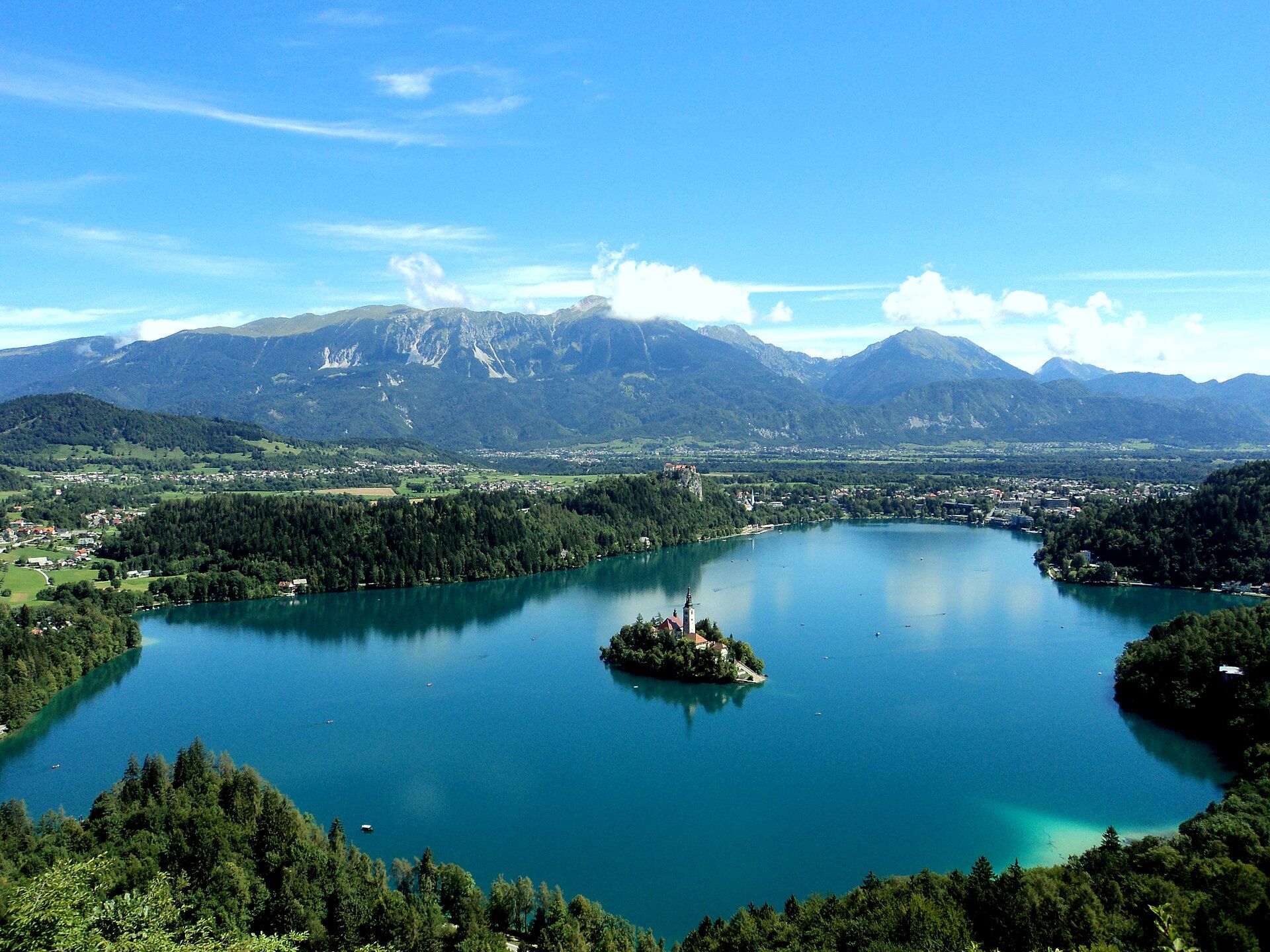
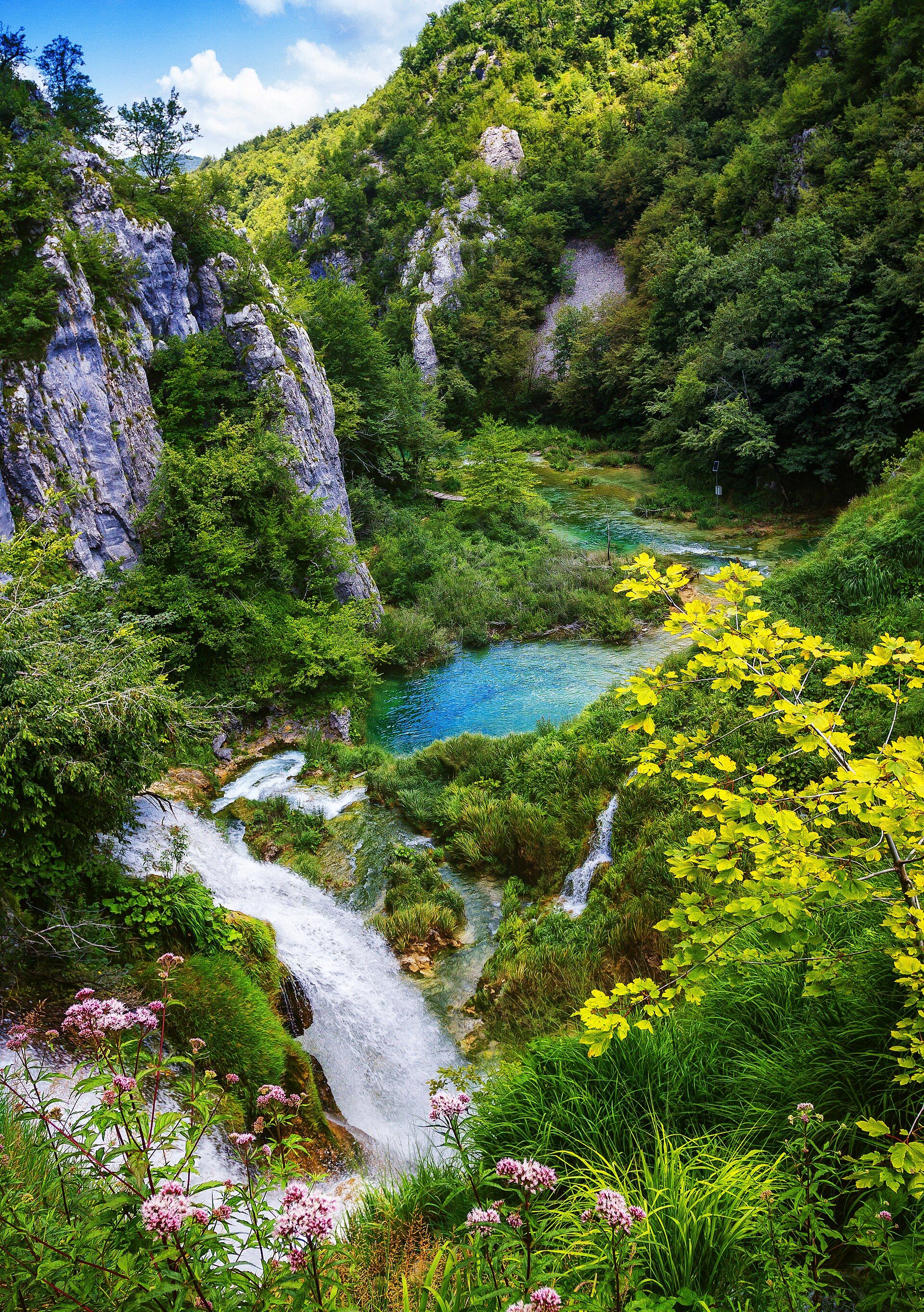
More views of Lake Como
Additional photographs of the actual site — each freely licensed, with its photographer and licence credited.
What to know before you go
🗓️ Best time
Spring and early autumn (roughly April–June and September–October) for mild weather, gardens in bloom or colour, and fewer crowds; summer is warm and busy.
🧭 Getting there & access
In Lombardy, less than an hour by train or road north of Milan to the city of Como or the town of Lecco. Ferries connect the lakeside villages; roads wind along the steep shores.
Good to know
- Use the ferries to explore — the lakeside roads are slow and narrow.
- Base in a central village like Bellagio, Varenna, or Menaggio for easy boat access.
- Visit the famous villa gardens in spring for the best blooms and fewer crowds.
Plan your visit
Easy🧭 Getting there
From Milan (MXP/LIN/BGY), northern Italy
- Fly to Milan
- Train or road to Como or Lecco — under an hour
- Ferries and roads to the lakeside villages
- Total travel
- Under an hour from Milan
- Time at site
- 2–3 days to explore the villages, villas, and views
- Access
- The lake, villages, and ferries are open to all; ferries and the famous villa gardens are ticketed. Lakeside roads are narrow and slow, so boats are the easiest way to move around.
🎒 What to bring & consider
- Comfortable shoes for village lanes and garden paths
- A ferry timetable for hopping between towns
- A layer for cool mornings and lake breezes
- Swimwear in summer for a lakeside dip
👁️ What to expect
- Crowds
- Popular and busy in summer, especially Bellagio and Varenna; spring, autumn, and weekdays are calmer.
- Conditions
- Easy lakeside and village exploring, with steeper hikes on the ridges above; mild lake climate.
- Facilities
- Excellent — hotels, restaurants, ferries, and gardens throughout the lakeside towns.
- The view
- Villages and villas against the steep, sometimes snow-capped mountains, from a ferry or a ridge trail. Spring and autumn light and blooms are loveliest.
Times and requirements are approximate and change with season, weather, and local rules — confirm permits, fares, and schedules with operators before you travel.
Natural riches of the area
- A deep glacier-carved lake over 400 m deep
- Steep wooded mountains rising straight from the water
- Alpine streams, waterfalls, and lakeside microclimates
- Gardens thriving in the mild lake climate
Local food
- Risotto
- Creamy northern-Italian rice dishes, a Lombardy staple.
- Missoltini
- Sun-dried lake fish (agone), a traditional Como specialty served with polenta.
Lake Como is the most romantic of the Italian Lakes, a deep ribbon of dark water reaching up into the southern Alps north of Milan. Glaciers carved its bed as they flowed down the branching valleys, giving the lake its distinctive upside-down-Y shape and plunging it to more than 400 metres — among the deepest lakes in Europe. Steep, wooded mountains rise straight from the shore to alpine heights, and where the lake’s three arms meet, the town of Bellagio perches on its green promontory.
For centuries the lake has been prized as much for its beauty as its setting, and the two are inseparable: grand villas and terraced gardens, pastel villages like Varenna and Menaggio, and elegant towns line the water, all connected by the ferries that thread between them beneath the peaks. You can hike the ridges for sweeping views, swim from the shore in summer, or simply ride the boats from village to village — a landscape that has enchanted travellers, writers, and artists for generations.
Lake Como: common questions
How do you get to Lake Como?
From Milan (MXP/LIN/BGY), northern Italy: Fly to Milan; Train or road to Como or Lecco — under an hour; Ferries and roads to the lakeside villages. Allow Under an hour from Milan.
When is the best time to visit Lake Como?
Spring and early autumn (roughly April–June and September–October) for mild weather, gardens in bloom or colour, and fewer crowds; summer is warm and busy.
How long should you spend at Lake Como?
2–3 days to explore the villages, villas, and views. Under an hour from Milan of travel from Milan (MXP/LIN/BGY), northern Italy.
What should you bring to Lake Como?
Comfortable shoes for village lanes and garden paths A ferry timetable for hopping between towns A layer for cool mornings and lake breezes Swimwear in summer for a lakeside dip
Do you need a permit or guide for Lake Como?
The lake, villages, and ferries are open to all; ferries and the famous villa gardens are ticketed. Lakeside roads are narrow and slow, so boats are the easiest way to move around.
Is Lake Como crowded, and what are conditions like?
Popular and busy in summer, especially Bellagio and Varenna; spring, autumn, and weekdays are calmer. Easy lakeside and village exploring, with steeper hikes on the ridges above; mild lake climate. Facilities: excellent — hotels, restaurants, ferries, and gardens throughout the lakeside towns.
Added