Mount Pinatubo Crater Lake
📍 Zambales / Tarlac / Pampanga, Luzon, Philippines
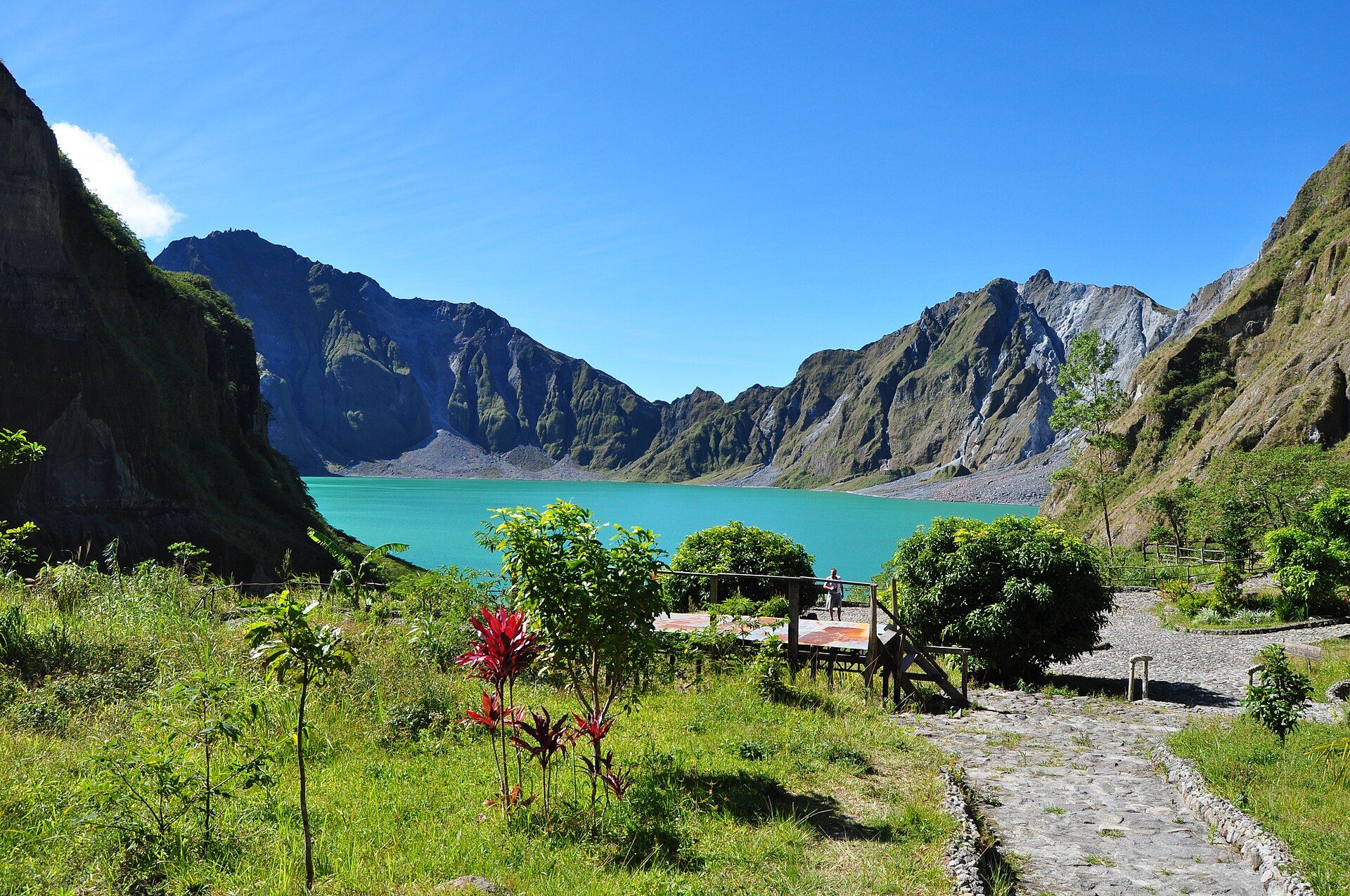
The volcano behind the second-largest eruption of the 20th century now cradles a serene turquoise crater lake — reached by a 4x4 ride across ash-grey lahar canyons and a short hike to the rim.
What makes it marvelous
Pinatubo's 1991 eruption was colossal: it ejected so much ash and gas that it measurably cooled global temperatures for a couple of years. The blast carved out a new caldera, which has since filled with rain and groundwater to form a deep, mineral-tinted crater lake. The approach crosses vast lahar fields — valleys buried metres deep in volcanic debris and then sculpted by rivers into pale canyons.
Why visit
It is a landscape of dramatic recovery: from a devastated moonscape of grey ash to a tranquil blue lake ringed by regrowing green slopes. The 4x4-and-trek journey through the lahar canyons is an adventure in itself, and the crater rim is a place to sit and take in how the land heals.
What to know before you go
🗓️ Best time
November to May, the dry season — the lahar rivers are low and passable. The trail and 4x4 routes often close in the wet months when flash floods and lahars are a danger.
🧭 Getting there & access
About 3–4 hours from Manila to the jump-off in Capas, Tarlac (or via Zambales), then a 4x4 ride across the lahar plain and a 1–2 hour hike to the crater rim. Guides and permits are arranged at the jump-off.
Good to know
- Go in the dry season; the crossing floods dangerously in the rains.
- Start early to beat the heat on the shadeless lahar fields.
- Swimming in the crater lake is restricted at times — follow the guides' instructions.
Natural riches of the area
- A young volcanic caldera and mineral-rich crater lake
- Vast lahar deposits reshaped into canyons by rivers
- Geothermal potential and fertile new volcanic soils
- Regenerating forest and the ancestral lands of the Aeta people
Local food
- Aeta forest fare & wild honey
- The Indigenous Aeta of the Pinatubo foothills gather wild honey and forest produce.
- Kapampangan cooking
- Nearby Pampanga is the country's culinary capital — sisig, tocino, and bold, savoury dishes.
- Sweet Zambales mangoes
- Some of the sweetest mangoes in the Philippines grow on the volcano's western side.
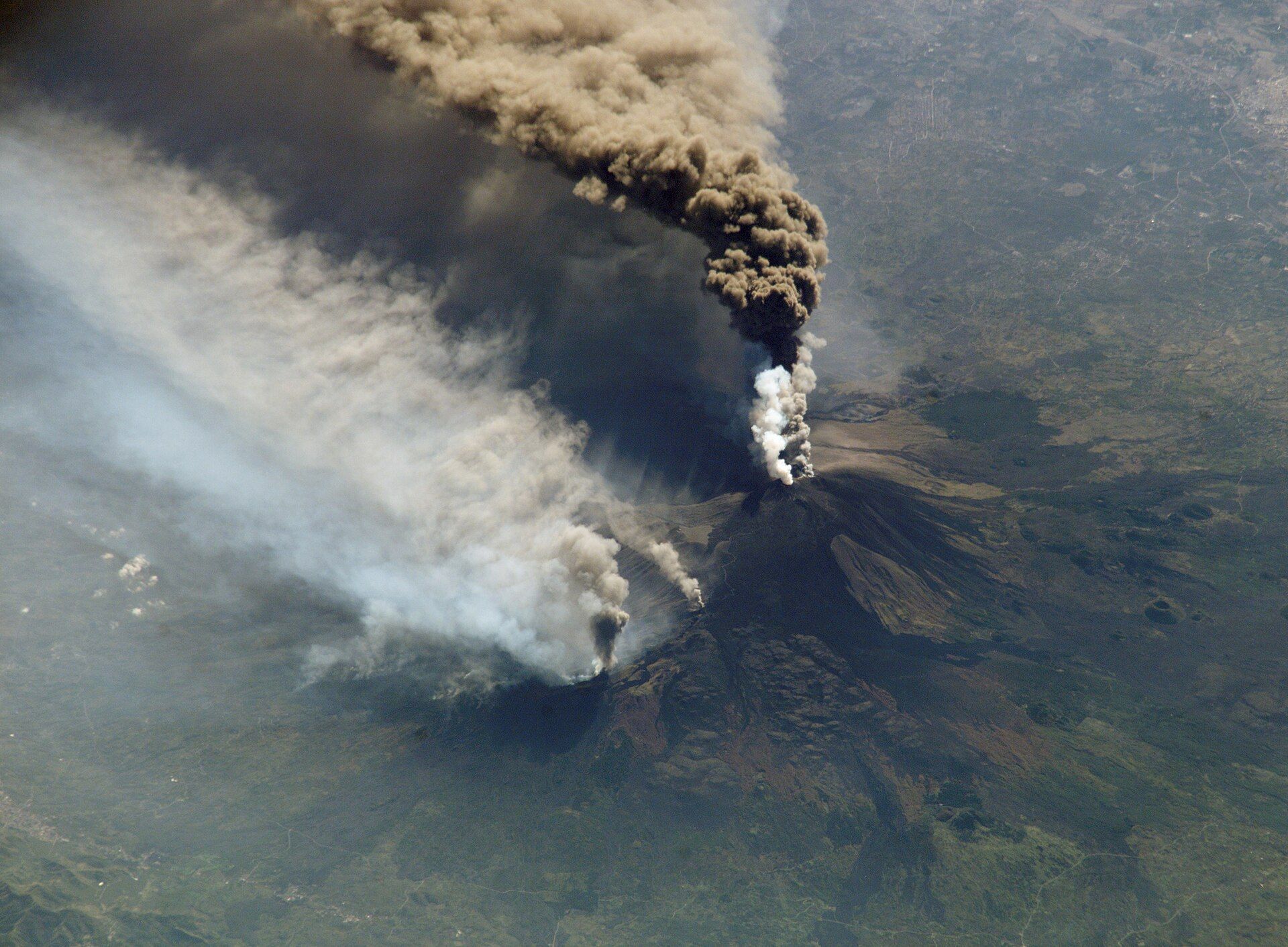
In 1991 Mount Pinatubo produced the second-largest eruption of the twentieth century, hurling so much ash and sulfur into the sky that it cooled the entire planet for a couple of years. The blast tore a new caldera into the mountain and buried the surrounding valleys in lahar — volcanic mud and ash metres deep.
Three decades on, that violence has resolved into something serene. Rain and groundwater have filled the caldera with a deep turquoise lake, and rivers have carved the grey lahar plains into pale, winding canyons. The journey to the rim — a bouncing 4x4 ride across the ash fields, then a hike to the crest — is a tour through a landscape actively healing.
Sitting on the crater rim above that still blue water, with green creeping back up the slopes, is a quietly moving experience: proof that even the most shattered ground finds its way back to life.
More wonders to explore