Palaui Island
📍 Santa Ana, Cagayan, Northern Luzon
A wild, protected island off the northeastern tip of Luzon — rolling green headlands, empty beaches, and a Spanish-era lighthouse on the dramatic Cape Engaño cliffs above the meeting of two seas.
What makes it marvelous
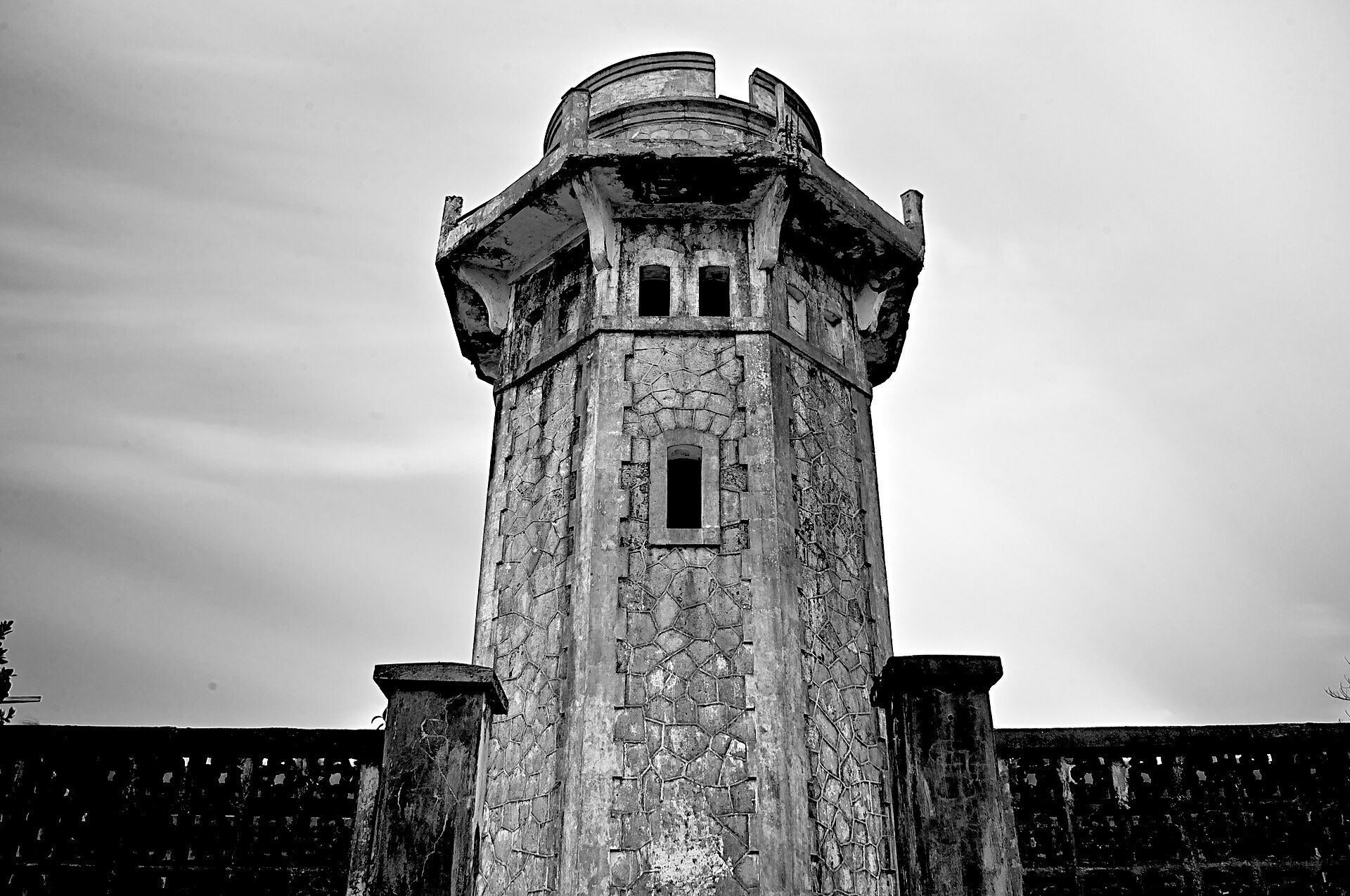
Palaui is a rugged volcanic island cloaked in forest and grassland, ringed by rocky headlands and quiet coves where the Pacific meets the Babuyan Channel. Its emblem is the Cape Engaño lighthouse (1892), perched on a bluff with sweeping views over offshore islets and churning seas. As a protected landscape and seascape with no resorts, Palaui has stayed refreshingly untamed — a place of hiking trails, coral coves, and community-run tourism.
Why visit
It's the raw, end-of-the-country feel: trekking across rolling headlands to a historic lighthouse above wild coastline, snorkelling in clear coves, and camping under dark skies far from development. Its untouched beauty even made it a filming location for an international TV series.
What to know before you go
🗓️ Best time
The dry months (roughly March–May) for calm crossings and clear trails; the north can be rough and typhoon-prone later in the year.
🧭 Getting there & access
From Santa Ana, Cagayan (reached via Tuguegarao), by boat to Palaui. Trips are arranged through the local community; guides and modest fees apply. Facilities are basic.
Good to know
- Hike to the Cape Engaño lighthouse for the island's signature view.
- Bring your own supplies and camp gear; there are no resorts.
- Support the community-run tourism and pack out all waste.
Natural riches of the area
- Volcanic headlands, forest, and grassland
- Coral coves and clear coastal waters
- Seabird and marine life at the meeting of two seas
- Community-managed protected landscape and seascape
Local food
- Fresh seafood
- Crab, fish, and shellfish from the rich northern waters.
- Ludong (when in season)
- The prized 'president's fish' of the Cagayan River region.
- Carabao-milk sweets
- Pastillas and dairy treats from the Cagayan Valley.
Palaui feels like the edge of the country, because it very nearly is — a wild island off the northeastern tip of Luzon where the Pacific meets the Babuyan Channel. Rolling green headlands drop to rocky coves and empty beaches, and on a windswept bluff stands the Cape Engaño lighthouse, built by the Spanish in 1892, gazing out over offshore islets and restless seas.
What makes Palaui special is what it lacks: there are no resorts, no crowds, just a protected landscape managed with the local community. You reach it by boat, hike its trails to the lighthouse, snorkel its coral coves, and camp under genuinely dark skies. Its untouched beauty has drawn filmmakers, but it remains, at heart, one of the last truly wild corners of northern Luzon — best visited slowly, and left exactly as you found it.
More wonders to explore