🇮🇳 Natural wonders of India
A subcontinent of staggering natural range — from the high Himalaya and its wildflower valleys and turquoise lakes to steamy floodplains teeming with rhinos, tigers, and elephants.
🗓️ Best time for nature: Broadly October–April for the plains and wildlife parks; the high Himalaya (Ladakh, alpine valleys) is a summer destination (roughly June–September).
The lay of the land
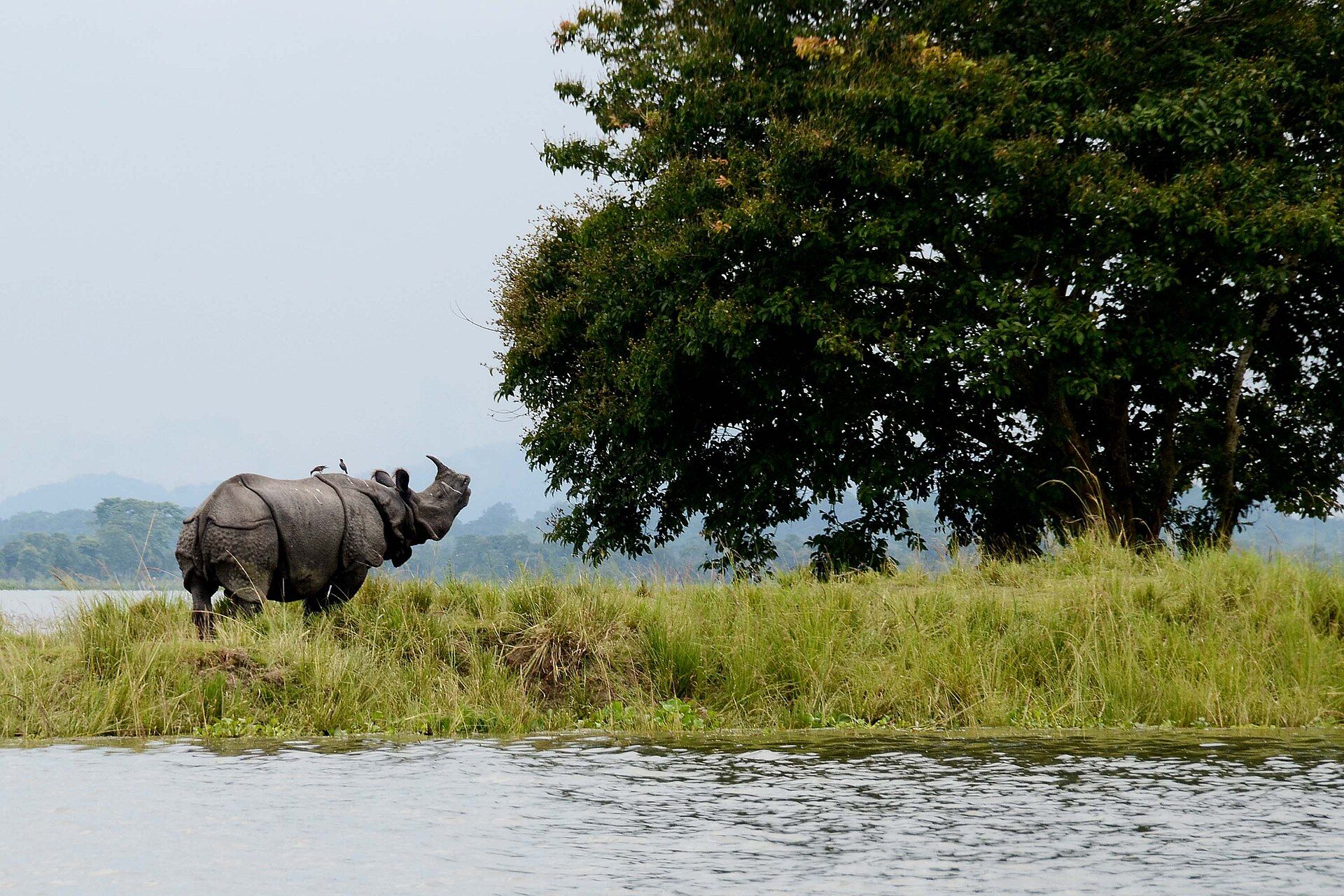
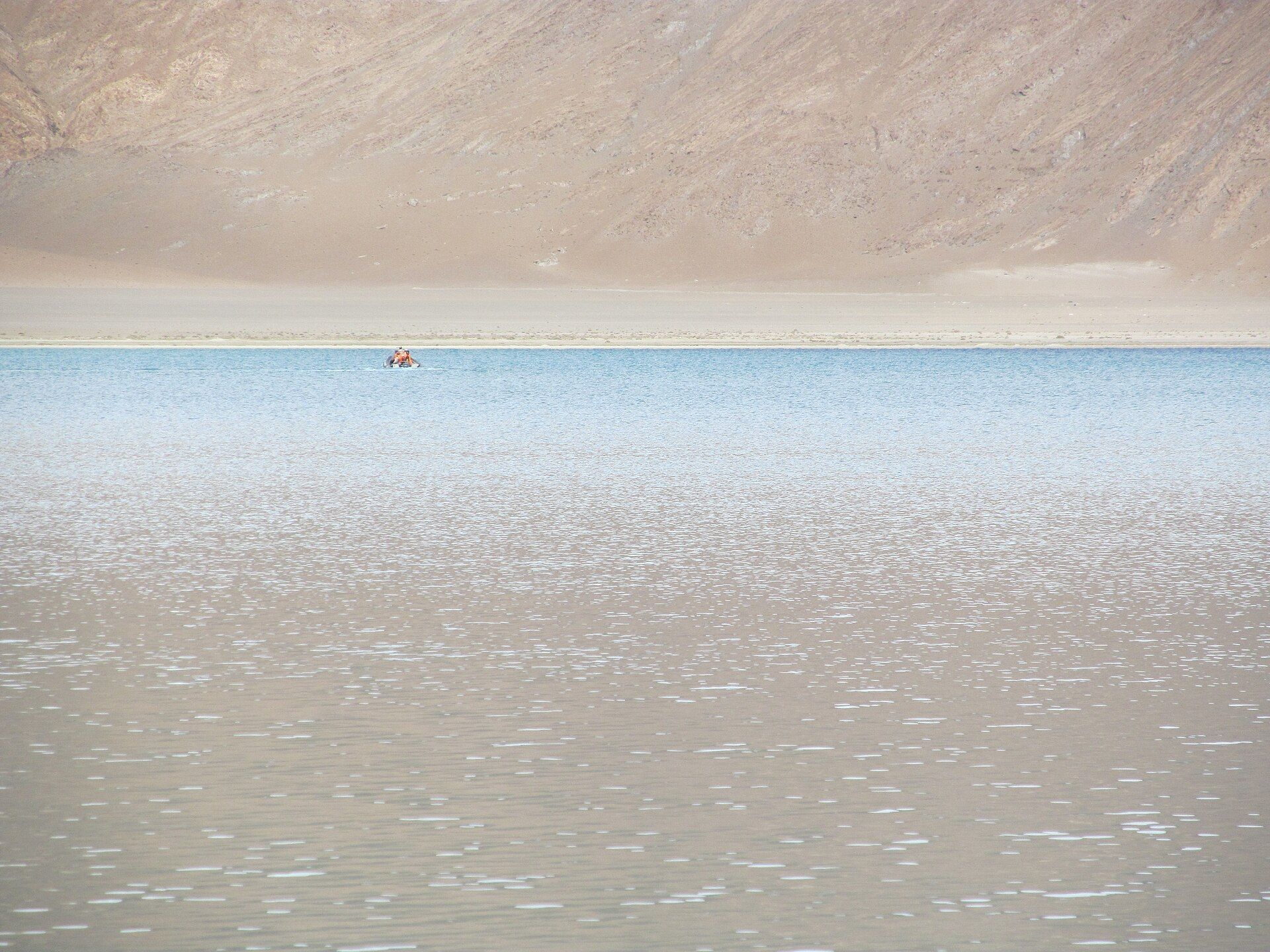
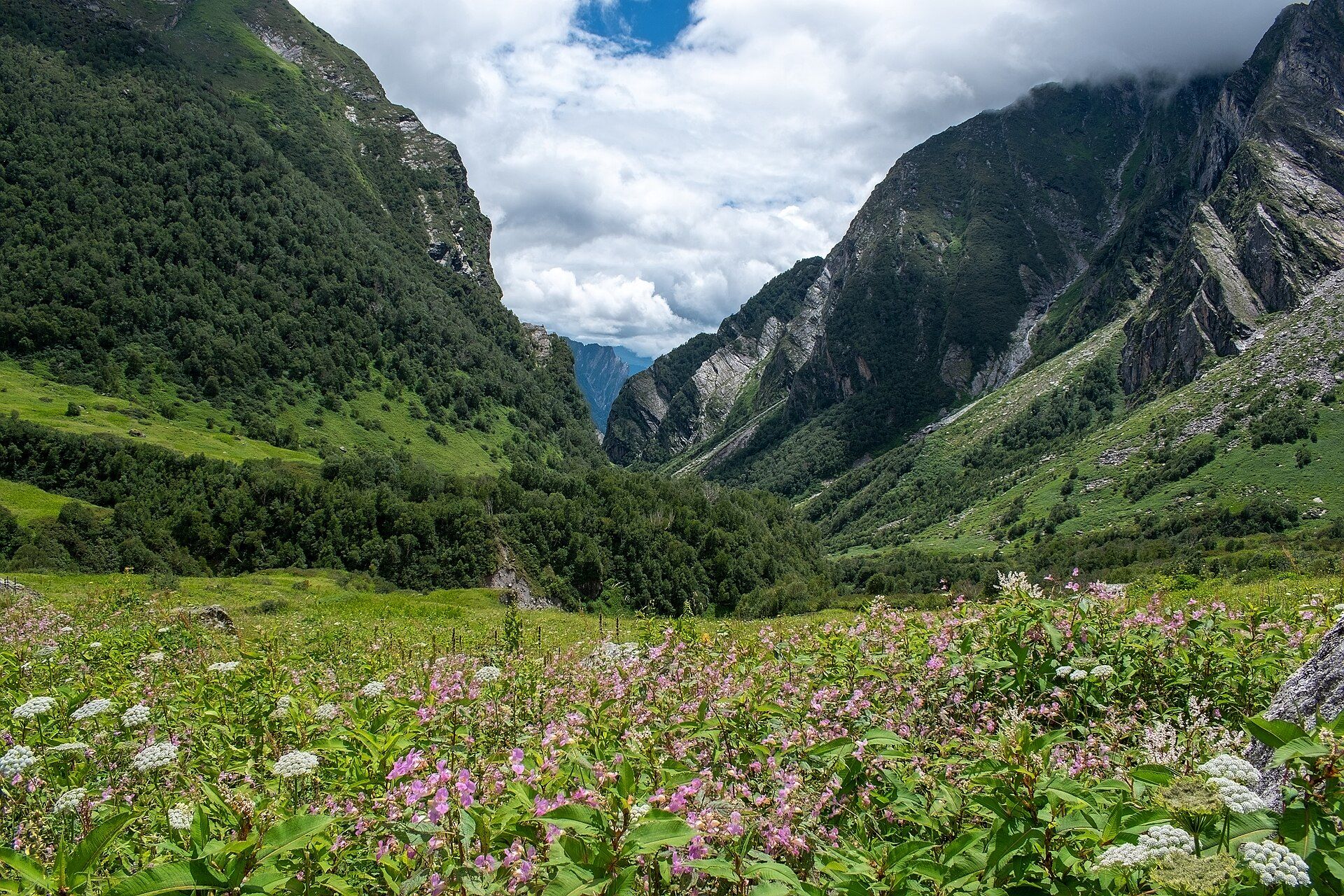
India spans an extraordinary spread of landscapes and climates, from the world's highest mountains to tropical coasts and deserts. Along its northern edge the Himalaya rise in a wall of snow peaks, cradling alpine wildflower meadows like the Valley of Flowers and, on the Tibetan plateau of Ladakh, vast high-altitude lakes such as Pangong Tso. To the east and south lie great river floodplains and forests — among them Kaziranga on the Brahmaputra, a stronghold of the one-horned rhino and the tiger. Few countries pack such biodiversity and scenic contrast into one landmass.
Where to begin
-
Valley of Flowers
A Himalayan valley that blooms with hundreds of wildflower species each monsoon.
-
Pangong Tso
A vast, colour-shifting high-altitude lake in the mountains of Ladakh.
-
Kaziranga
A Brahmaputra floodplain holding two-thirds of the world's one-horned rhinos.
A taste of the place
India's cuisines are as varied as its regions — from Himalayan lentils and millet breads to Assamese fish curries and the country's vast repertoire of rice, dal, spiced vegetables, and tandoor breads, all built on a deep tradition of spice.
Traveling responsibly
- Match the season to the region — winter for the plains, summer for the Himalaya.
- Book wildlife-park safaris and Himalayan trekking permits well in advance.
- Distances are large; allow time and use internal flights between regions.
India is less a country than a subcontinent, and its natural range is staggering. Along its northern rim the Himalaya rise in a wall of snow peaks, cradling alpine meadows like the Valley of Flowers, which erupts into bloom each monsoon, and, on the high Tibetan plateau of Ladakh, vast colour-shifting lakes such as Pangong Tso. Far to the east, the floodplains of the Brahmaputra hold Kaziranga, a stronghold of the great one-horned rhino and the tiger. From snow-fed heights to steamy grasslands, few lands pack such contrast and such biodiversity into one place — and this atlas chapter begins across that range.
Added
All wonders in India
3 places