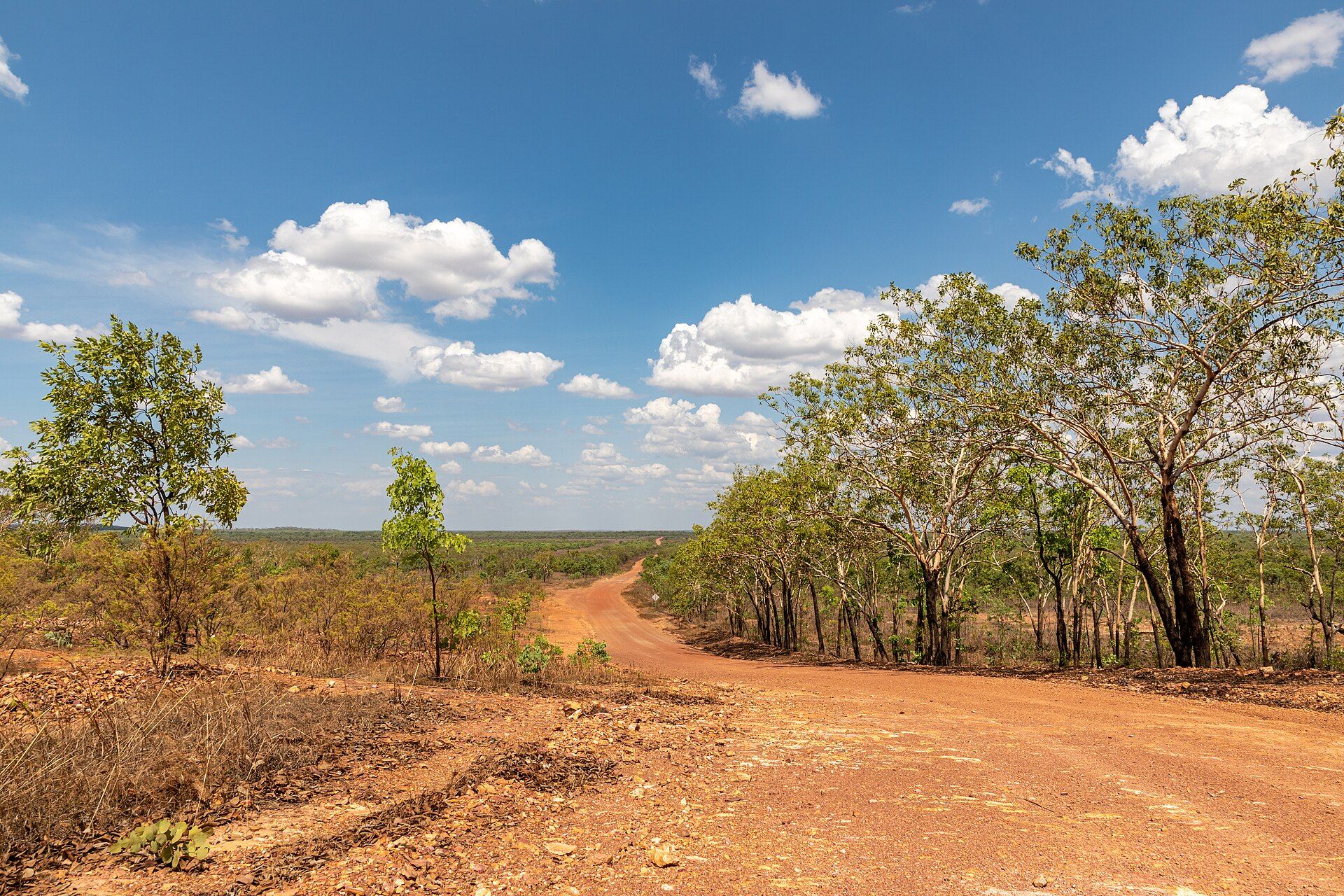
Australia's largest national park — a vast monsoonal landscape of floodplains, waterfalls, and stone country, alive with crocodiles and millions of birds, and holding some of the world's oldest rock art.
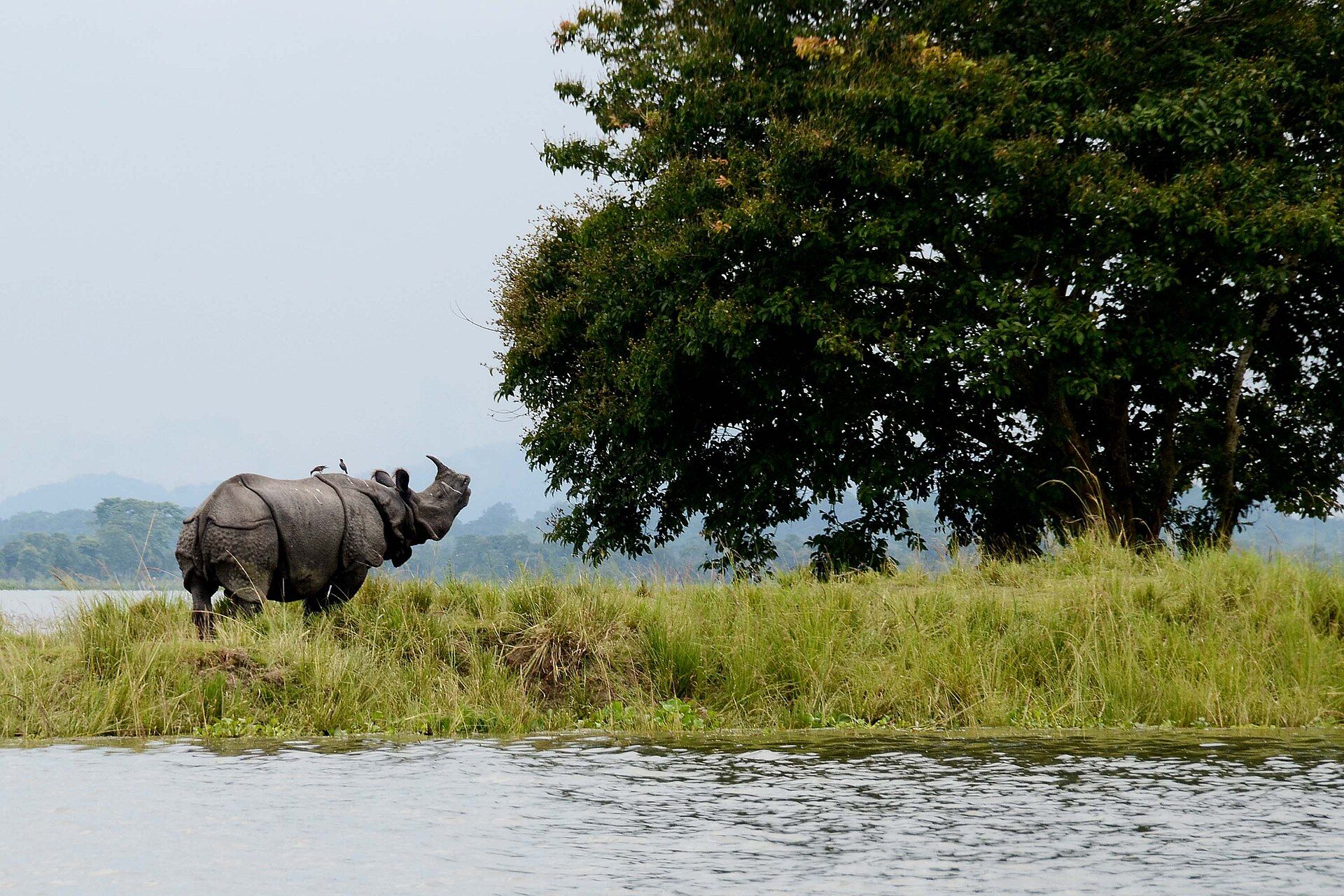
A vast floodplain of tall grass and marsh on the Brahmaputra — home to two-thirds of the world's great one-horned rhinos, plus tigers, elephants, and wild buffalo in astonishing numbers.
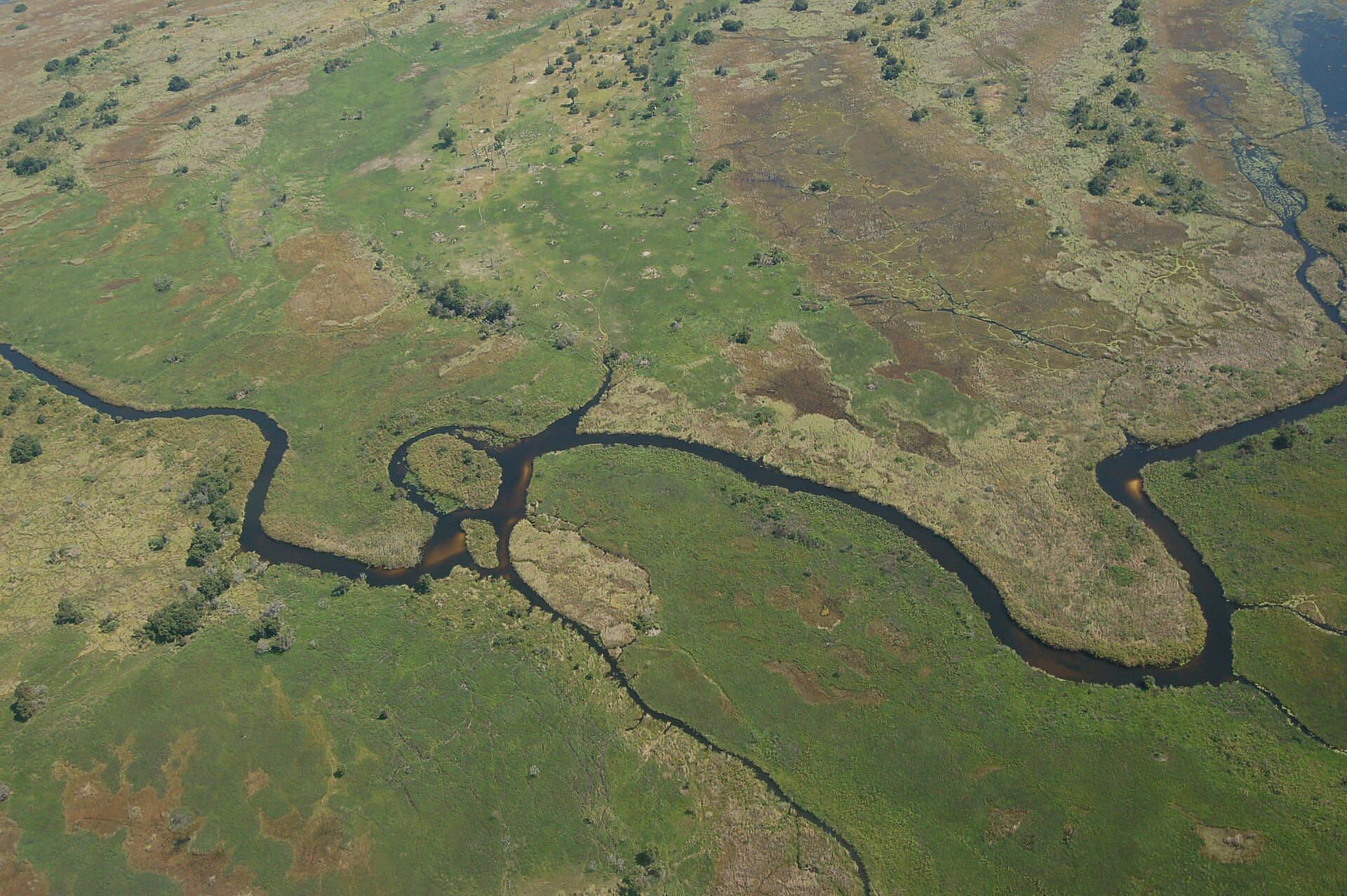
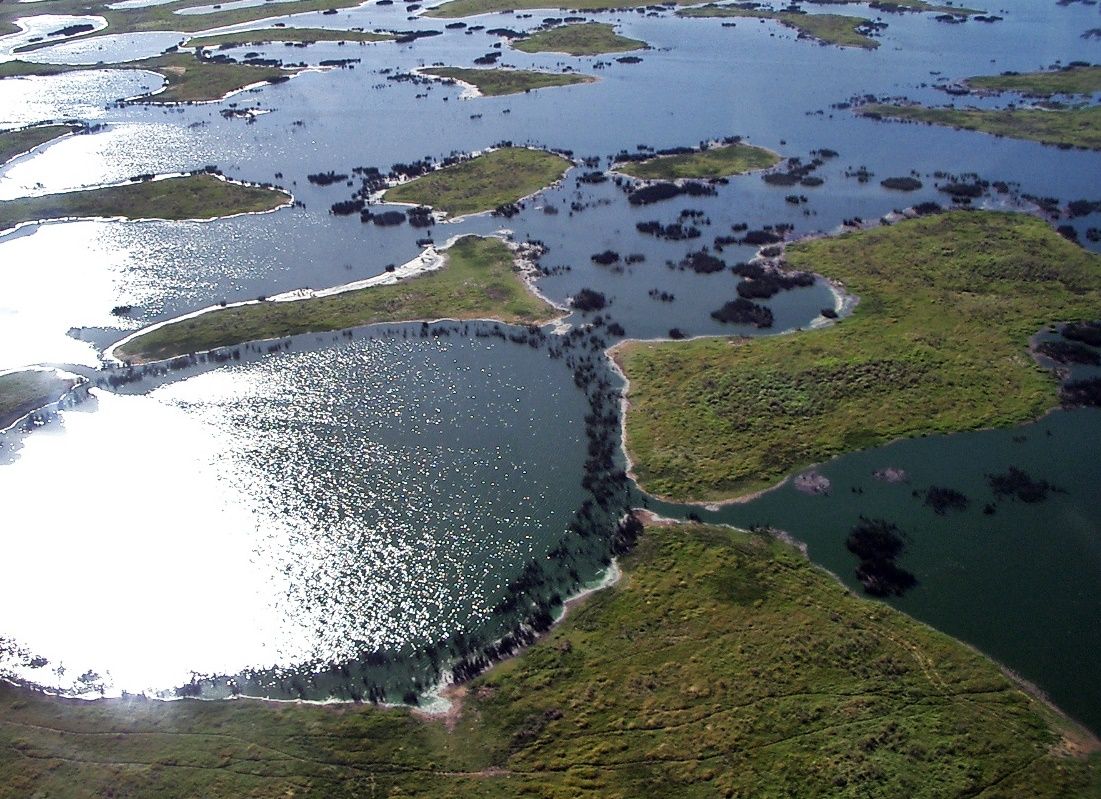
A river that never reaches the sea — the Okavango spills into the Kalahari to form a vast, ever-shifting inland delta of channels, islands, and lagoons that draws Africa's great wildlife into the heart of a desert.
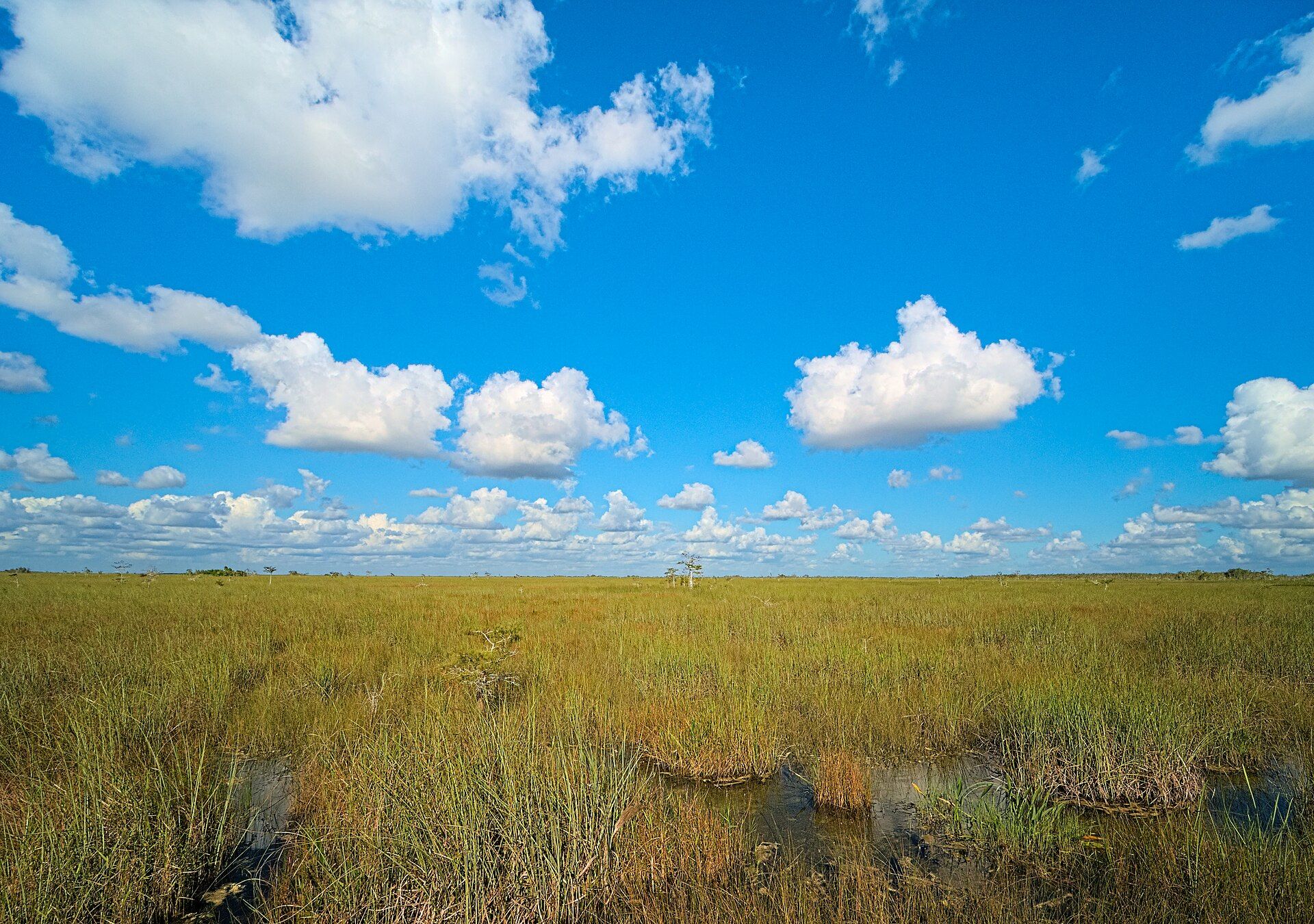
A vast, slow-moving 'river of grass' at the tip of Florida — a shallow, sawgrass-covered wetland the size of a small country, and the only place on Earth where alligators and crocodiles live side by side.
The world's largest tropical wetland — a vast seasonal floodplain that is the best place on Earth to see jaguars in the wild, teeming with caimans, capybaras, and millions of birds.
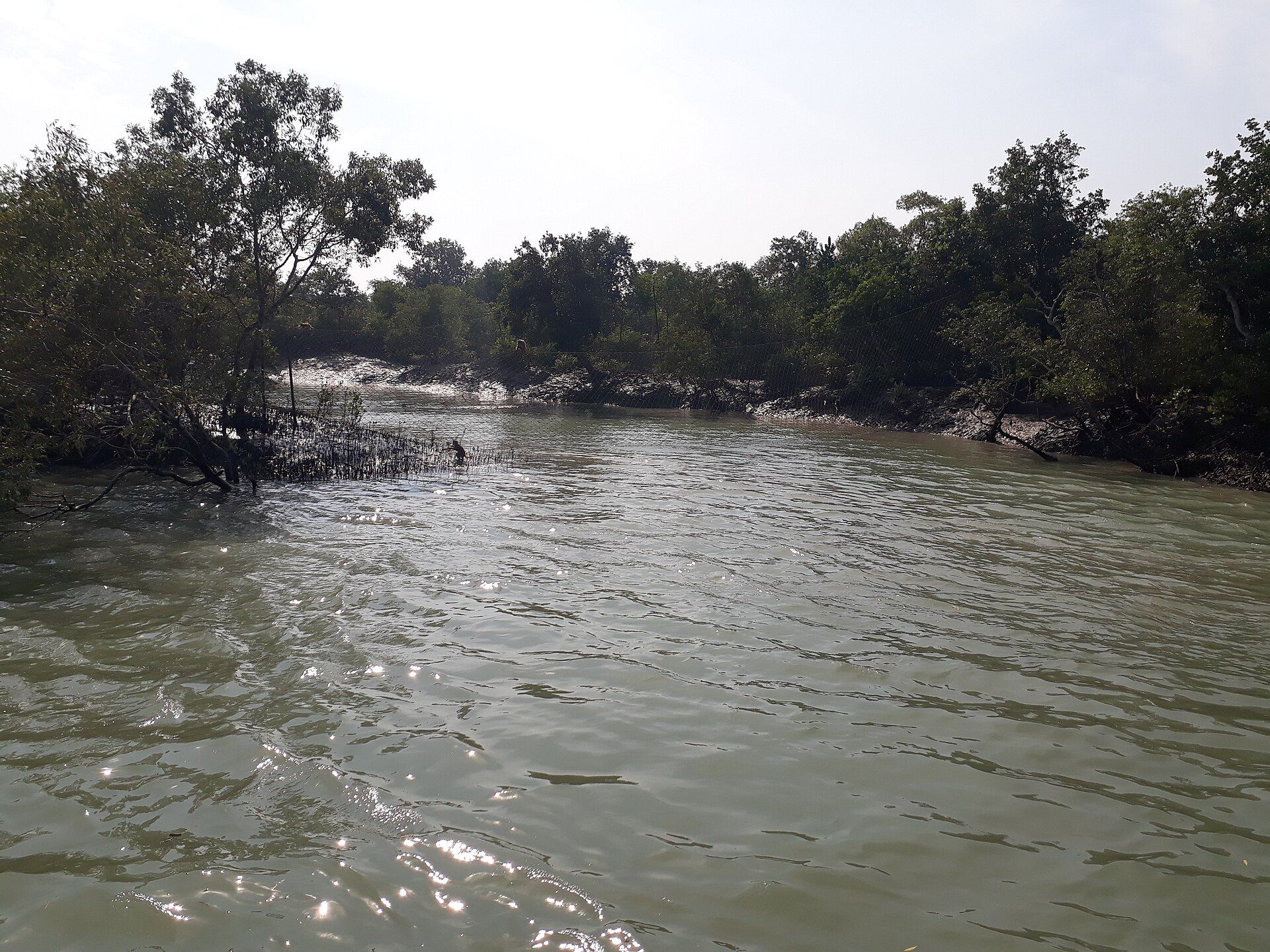
The largest mangrove forest on Earth — a vast, tidal labyrinth of channels and salt-tolerant trees at the mouth of the Ganges, and the last stronghold of the swimming Bengal tiger.