🇪🇸 Natural wonders of Spain
Far more than beaches: Spain packs volcanic islands, glacier-carved limestone peaks, and semi-deserts into one country, from Atlantic mountains to the Canary Islands off Africa.
🗓️ Best time for nature: Spring and autumn are ideal across most of the mainland; the Canary Islands are mild year-round, while the northern mountains are best in summer.
The lay of the land
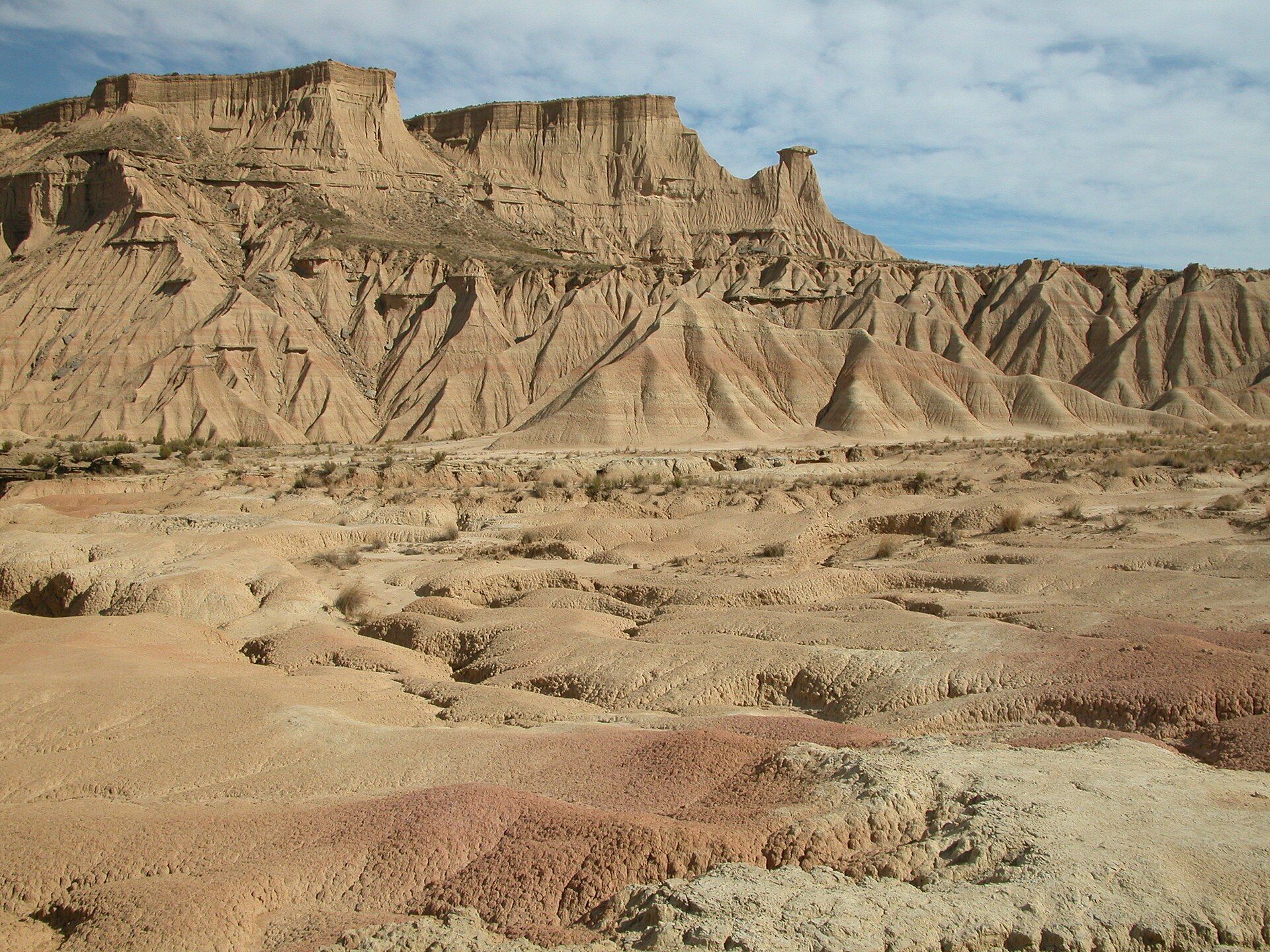
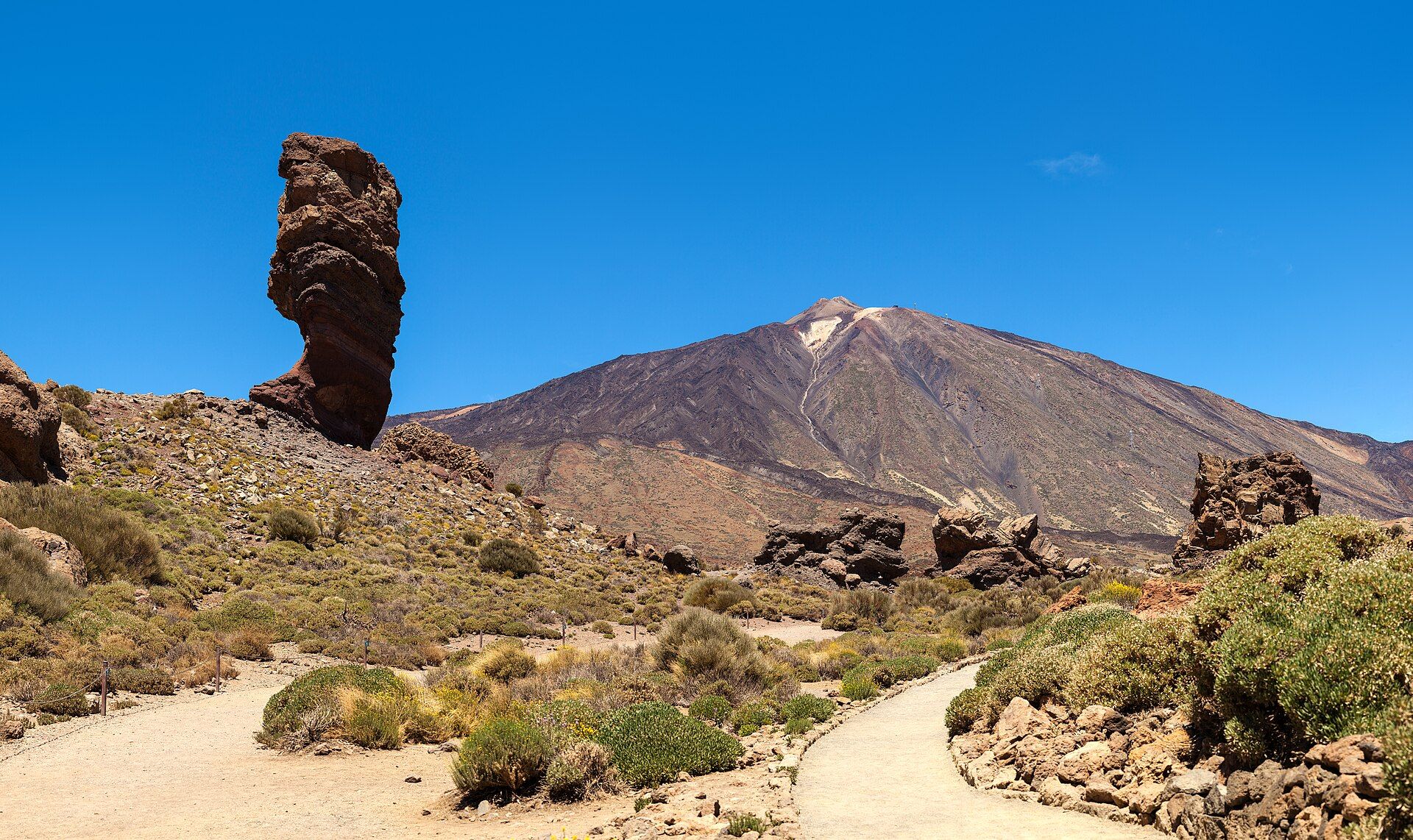
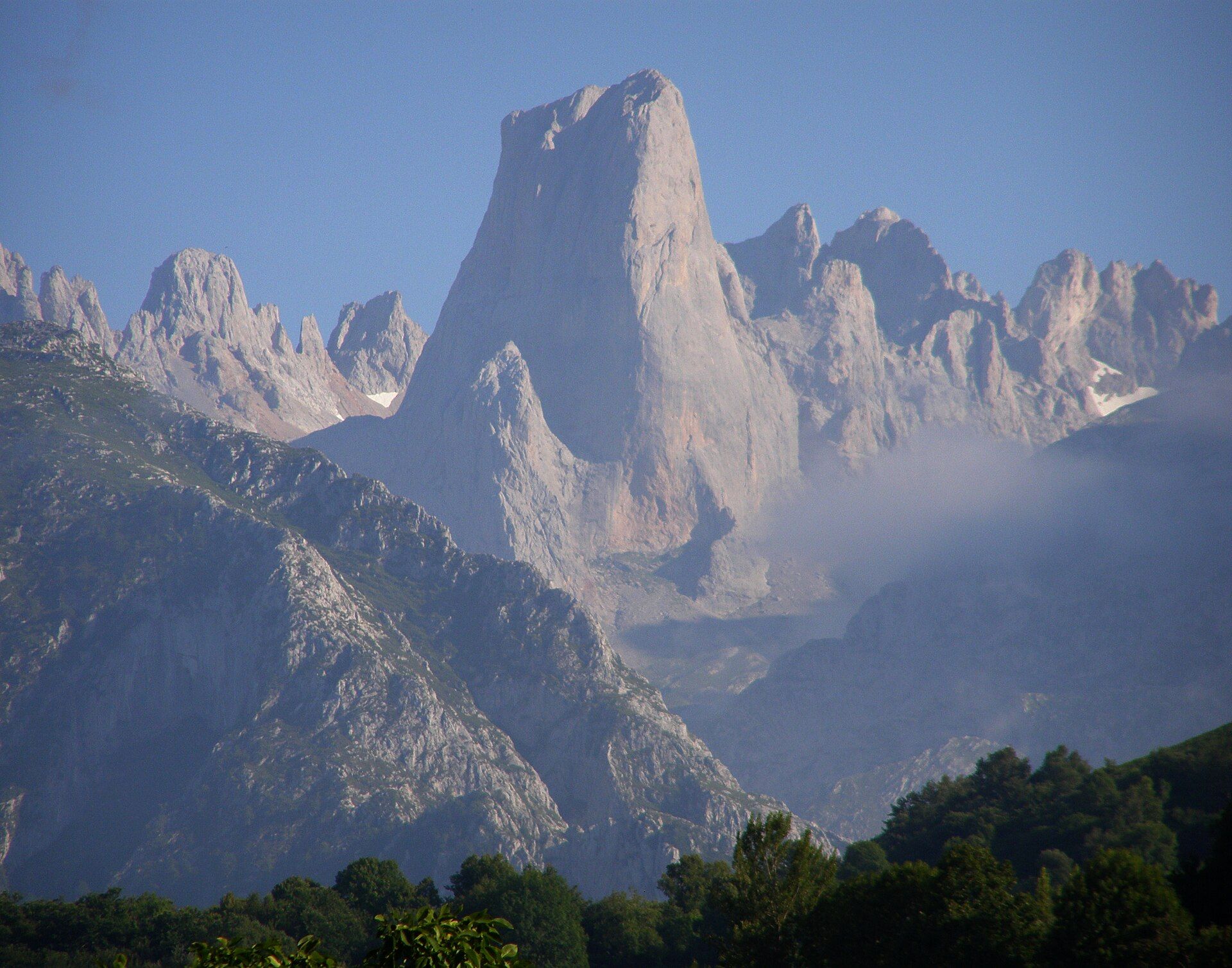
Spain's landscapes are surprisingly varied. Off the African coast, the Canary Islands are volcanic, crowned by Teide, the highest peak in Spain and one of the largest volcanoes on Earth. In the wet, green north the limestone Picos de Europa rise sheer just inland from the Atlantic, carved by ice and rivers into gorges and towers. Inland, a dry interior gives rise to badlands like the Bardenas Reales. Between them lie wetlands, sierras, and one of the richest bird faunas in Europe.
Where to begin
-
Mount Teide
Spain's highest peak — a giant volcano above the clouds of Tenerife.
-
Picos de Europa
Sheer limestone mountains and gorges barely 20 km from the sea.
-
Bardenas Reales
A pale clay semi-desert of ravines and lone earth pillars in Navarre.
A taste of the place
Spanish food is deeply regional — from Atlantic seafood and Asturian cheeses in the north to Canarian mojo sauces and wrinkled potatoes on the islands — and built around shared plates, olive oil, and the rhythm of long meals.
Traveling responsibly
- Distances are large and regions distinct — the Canaries and the northern mountains are whole trips in themselves.
- Book Teide's summit permit and popular mountain cable cars well ahead.
- Carry water in the dry interior and the islands; shade can be scarce.
Spain rewards travellers who look past the coast. Its natural wonders run from the volcanic Canary Islands — where Teide stands above the Atlantic clouds — to the glacier-cut limestone of the Picos de Europa in the rainy north, and the sun-baked clay badlands of the Bardenas Reales in Navarre. This atlas begins Spain’s chapter with those three, with its wetlands, sierras, and further volcanic islands still to come.
Added
All wonders in Spain
3 places