Abisko
📍 Swedish Lapland, above the Arctic Circle, Sweden
A national park in the far north of Swedish Lapland famous for some of the clearest skies on Earth — and, beneath them, one of the world's finest windows onto the northern lights.
What makes it marvelous
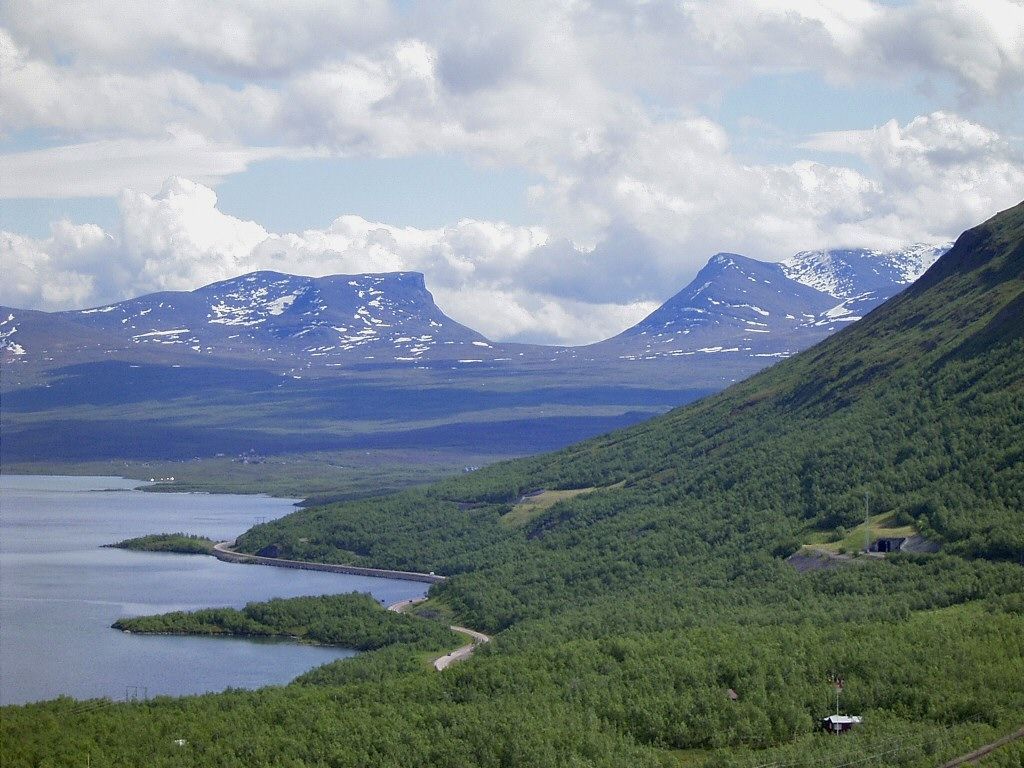
Abisko lies deep inside the Arctic Circle, cradled between mountains beside the great lake Torneträsk. A quirk of geography gives it a rain shadow — the surrounding peaks wring out the weather, leaving a patch of unusually clear, dry sky known as the 'blue hole of Abisko'. That clarity, combined with the long polar nights, makes it one of the most reliable places anywhere to see the aurora borealis. By day the park frames Lapporten, a perfect U-shaped valley carved by Ice Age glaciers.
Why visit
In winter, nights here glow green and violet with the northern lights, watched from a chairlift-served Aurora Sky Station on the mountainside. In the endless daylight of the Arctic summer, the same landscape opens for hiking — Abisko is the northern gateway to the Kungsleden, Sweden's great long-distance trail — with wildflowers, reindeer, and the midnight sun.
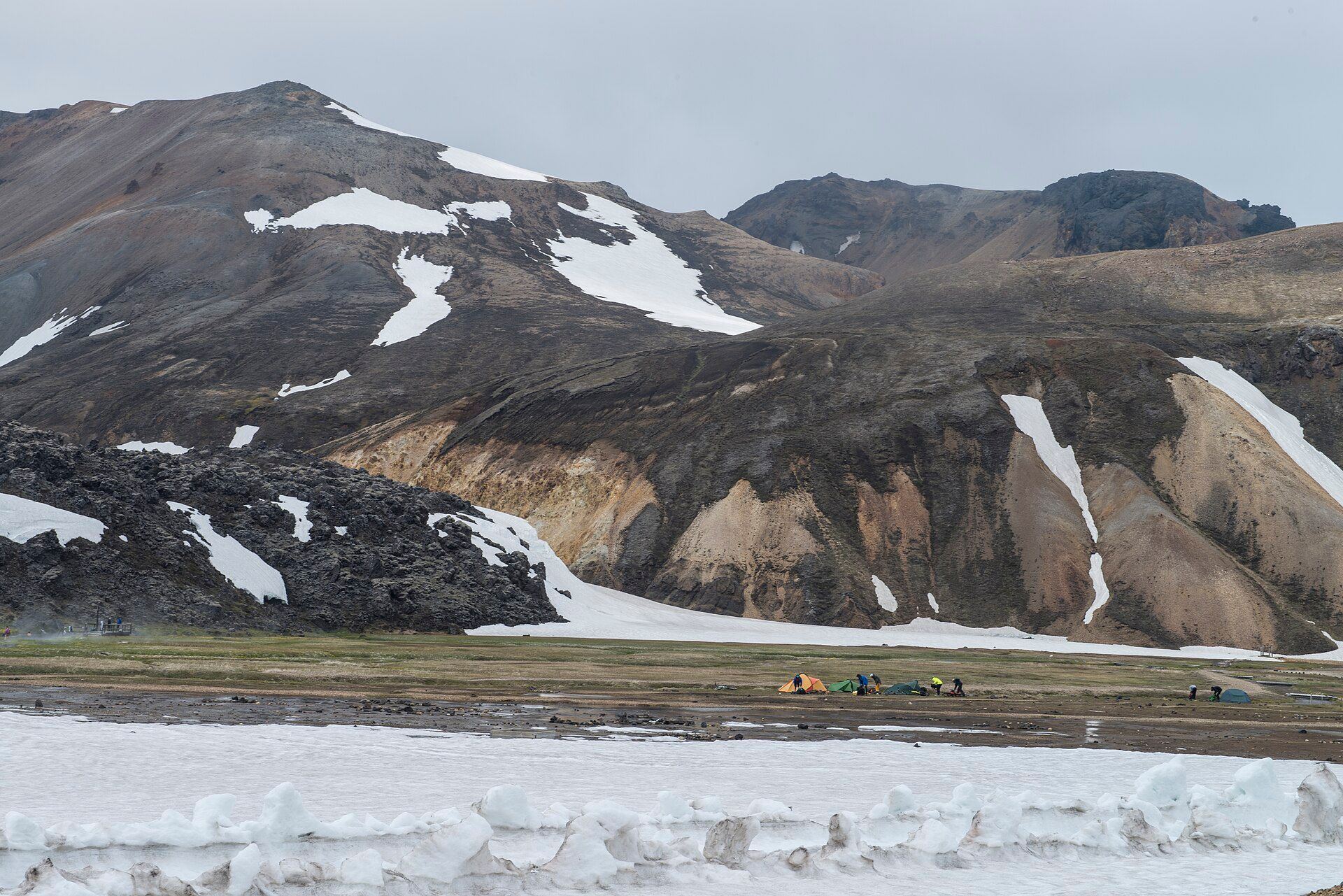
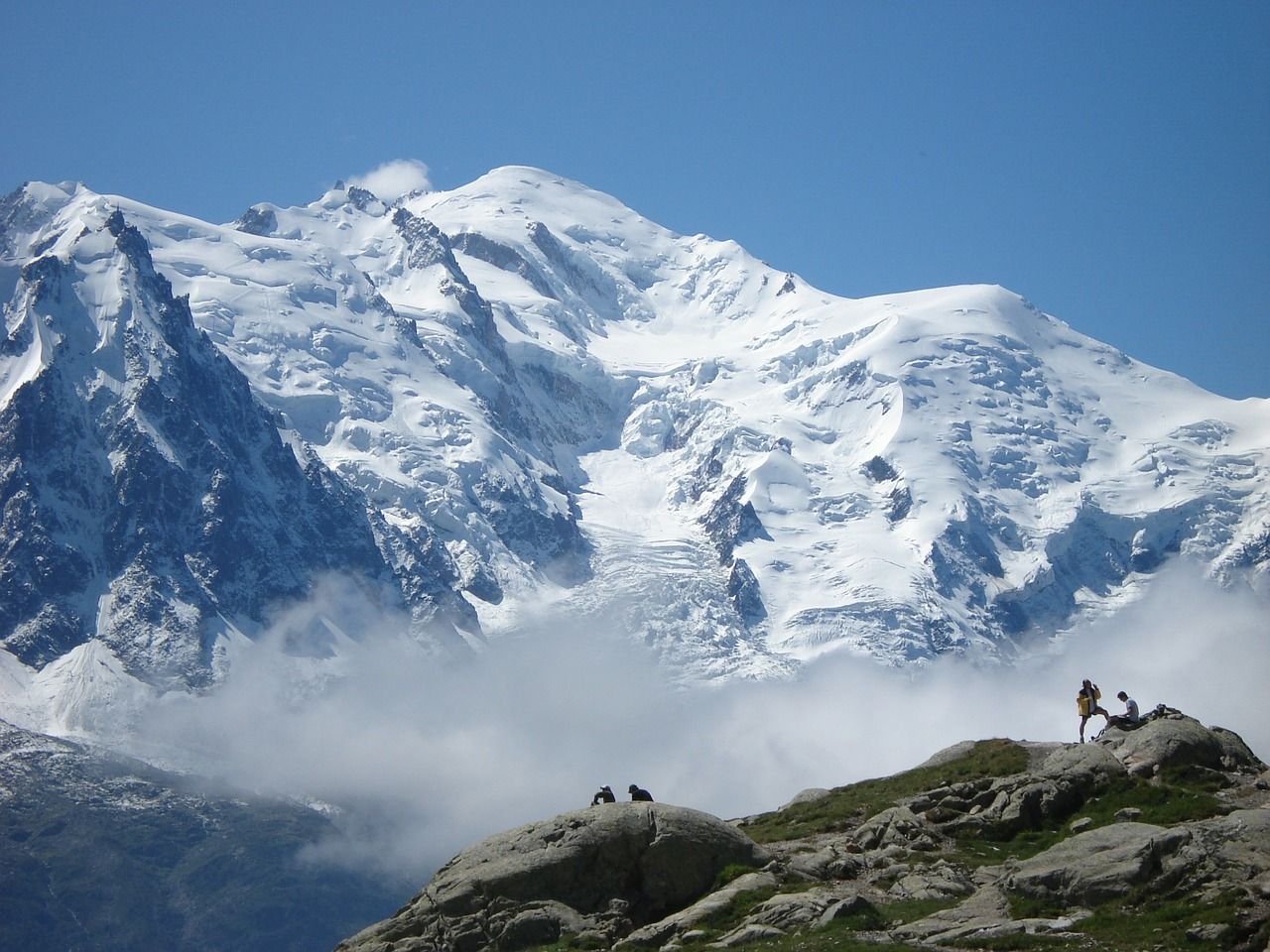
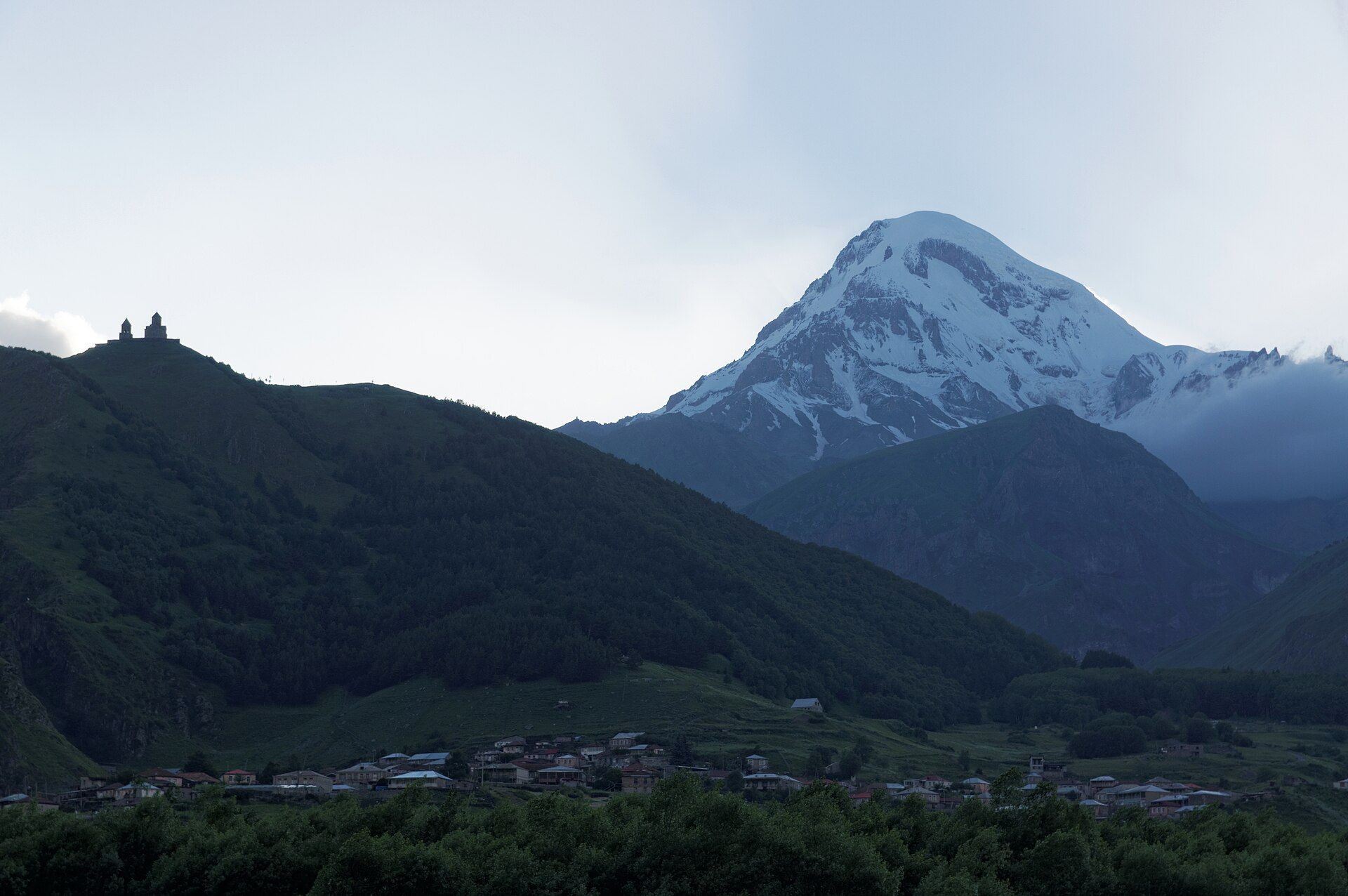
More views of Abisko
Additional photographs of the actual site — each freely licensed, with its photographer and licence credited.
What to know before you go
🗓️ Best time
For the aurora, the dark months of roughly September to March; for hiking and the midnight sun, June to early September.
🧭 Getting there & access
Reached by train or road to Abisko from Kiruna, itself served by air from Stockholm. The national park, the Aurora Sky Station, and the Kungsleden trailhead are all beside the small village.
Good to know
- Give yourself several nights for the aurora — even clear Abisko needs solar activity to cooperate.
- Dress for serious Arctic cold in winter; layers and insulated boots are essential.
- In summer, watch for reindeer and pack against mosquitoes on the trails.
Plan your visit
Moderate🧭 Getting there
From Kiruna (KRN), Swedish Lapland
- Fly to Kiruna, or take the long scenic train north from Stockholm
- Train or road on to Abisko village — about 1h30 from Kiruna
- The park, chairlift, and Kungsleden trailhead are at the village
- Total travel
- A full travel day from Stockholm
- Time at site
- 3–4 nights for the aurora; several days for summer hiking
- Access
- The national park is free and open. The Aurora Sky Station chairlift and guided tours are ticketed and seasonal. Winter travel needs real cold-weather preparation; the mountain weather can still close in despite the rain shadow.
🎒 What to bring & consider
- Serious Arctic-winter clothing — insulated layers, boots, hat, and gloves
- Patience and several nights for a good aurora chance
- Summer hiking gear and mosquito protection in the warm months
- A headlamp for the long polar nights
👁️ What to expect
- Crowds
- Busy in the winter aurora season and midsummer; shoulder weeks are quiet. The park itself easily absorbs visitors.
- Conditions
- Deep cold and snow in winter; cool, bright, mosquito-prone conditions in the Arctic summer.
- Facilities
- A tourist station, hotels, and guiding in the village; mountain huts along the Kungsleden.
- The view
- The aurora over Lapporten's U-valley, or the midnight sun on the lake. Winter needs clear skies and solar activity; allow several nights.
Times and requirements are approximate and change with season, weather, and local rules — confirm permits, fares, and schedules with operators before you travel.
Natural riches of the area
- An Arctic rain-shadow with exceptionally clear skies
- The glacier-carved U-valley of Lapporten and Lake Torneträsk
- Mountain birch forest, tundra, and alpine flora
- Reindeer, Arctic fox, and rich birdlife
Local food
- Arctic char
- A prized cold-water fish from the northern lakes and rivers.
- Cloudberries
- Amber Arctic berries, eaten with cream or as jam — a northern delicacy.
Abisko is one of the best places on Earth to stand under the northern lights. Tucked deep inside the Arctic Circle beside the long lake Torneträsk, it sits in a rain shadow cast by the surrounding mountains — a pocket of unusually clear, dry sky that locals call the ‘blue hole’. Combined with the long, dark polar nights, that clarity makes the aurora borealis a remarkably reliable sight here, watched from a chairlift-served station high on the mountainside as the sky ripples green and violet.
By day, and especially under the endless light of the Arctic summer, Abisko is a different kind of wonder: the northern gateway to the Kungsleden, Sweden’s famous long-distance trail, looking out over the perfect glacier-cut U of Lapporten. Reindeer graze the tundra, wildflowers carpet the birch forest, and the midnight sun never quite sets — a landscape that rewards a visit in either of its extreme seasons.
Abisko: common questions
How do you get to Abisko?
From Kiruna (KRN), Swedish Lapland: Fly to Kiruna, or take the long scenic train north from Stockholm; Train or road on to Abisko village — about 1h30 from Kiruna; The park, chairlift, and Kungsleden trailhead are at the village. Allow a full travel day from stockholm.
When is the best time to visit Abisko?
For the aurora, the dark months of roughly September to March; for hiking and the midnight sun, June to early September.
How long should you spend at Abisko?
3–4 nights for the aurora; several days for summer hiking. A full travel day from Stockholm of travel from Kiruna (KRN), Swedish Lapland.
What should you bring to Abisko?
Serious Arctic-winter clothing — insulated layers, boots, hat, and gloves Patience and several nights for a good aurora chance Summer hiking gear and mosquito protection in the warm months A headlamp for the long polar nights
Do you need a permit or guide for Abisko?
The national park is free and open. The Aurora Sky Station chairlift and guided tours are ticketed and seasonal. Winter travel needs real cold-weather preparation; the mountain weather can still close in despite the rain shadow.
Is Abisko crowded, and what are conditions like?
Busy in the winter aurora season and midsummer; shoulder weeks are quiet. The park itself easily absorbs visitors. Deep cold and snow in winter; cool, bright, mosquito-prone conditions in the Arctic summer. Facilities: a tourist station, hotels, and guiding in the village; mountain huts along the Kungsleden.
Added
More wonders to explore