Antarctic Peninsula
📍 Antarctic Peninsula
The most accessible edge of the frozen continent — a realm of blue icebergs, glacier-hung mountains, and vast penguin colonies, where wildlife thrives amid staggering polar scenery.
What makes it marvelous
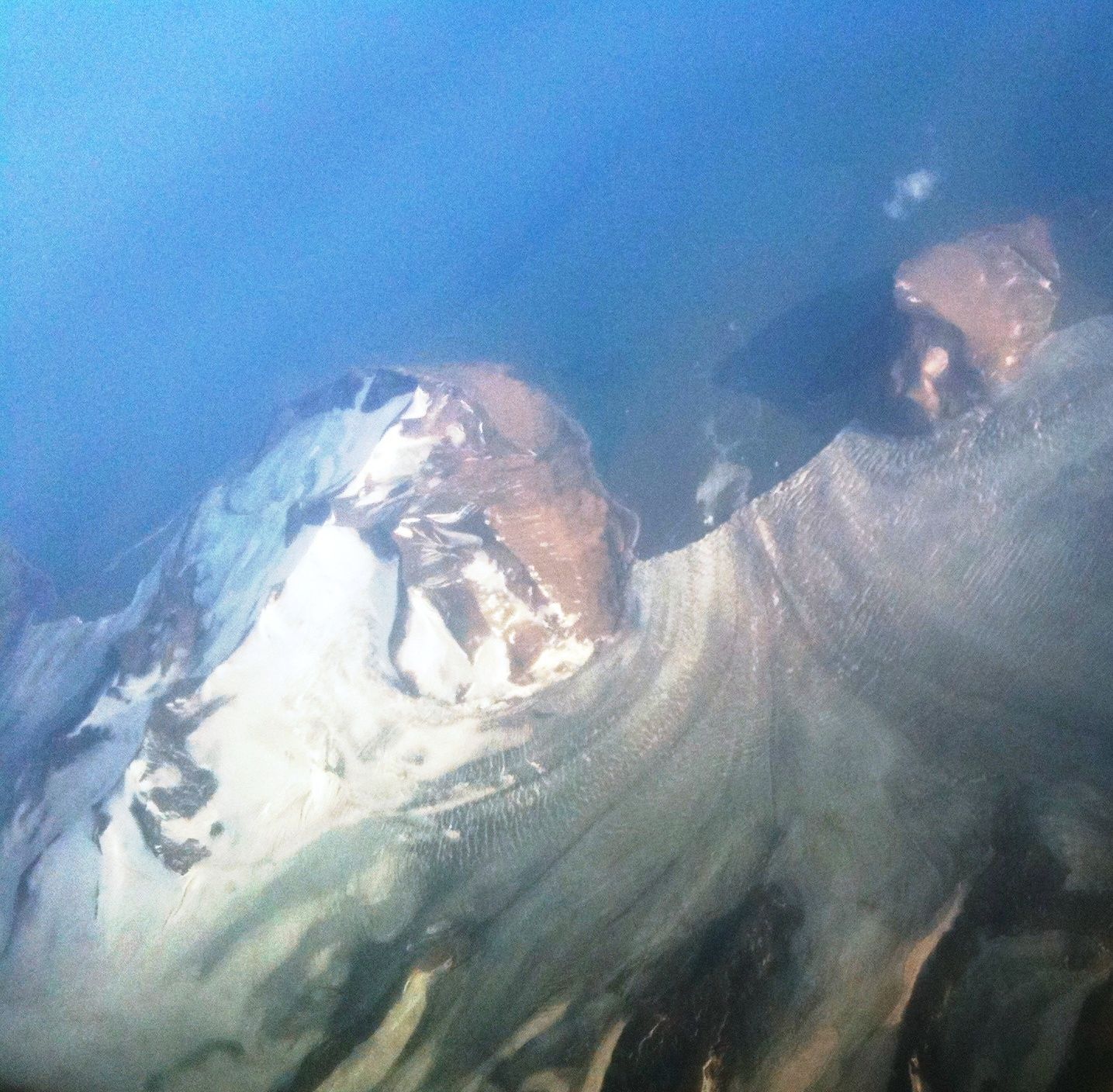
Reaching north toward South America, the Antarctic Peninsula is the mildest and most reachable part of the Antarctic, and its concentration of wonders is overwhelming: mountains draped in ice falling sheer into the sea, channels choked with sculpted icebergs glowing electric blue, and shorelines crowded with tens of thousands of penguins. Humpback and minke whales feed in the plankton-rich waters, seals haul out on the floes, and the light in the near-endless polar summer day is extraordinary. This is the great wildlife-and-ice spectacle of the far south, a wilderness so untouched that the whole continent is governed by an international treaty reserving it for peace and science.
Why visit
Cruising among towering blue icebergs, standing beside a colony of thousands of penguins, and watching whales surface against a backdrop of glaciers is a profound, humbling encounter with the last great wilderness on Earth.
What to know before you go
🗓️ Best time
The austral summer (roughly November–March), the only window expedition ships operate: penguin chicks and whales peak mid-to-late season, while early season brings pristine ice and snow.
🧭 Getting there & access
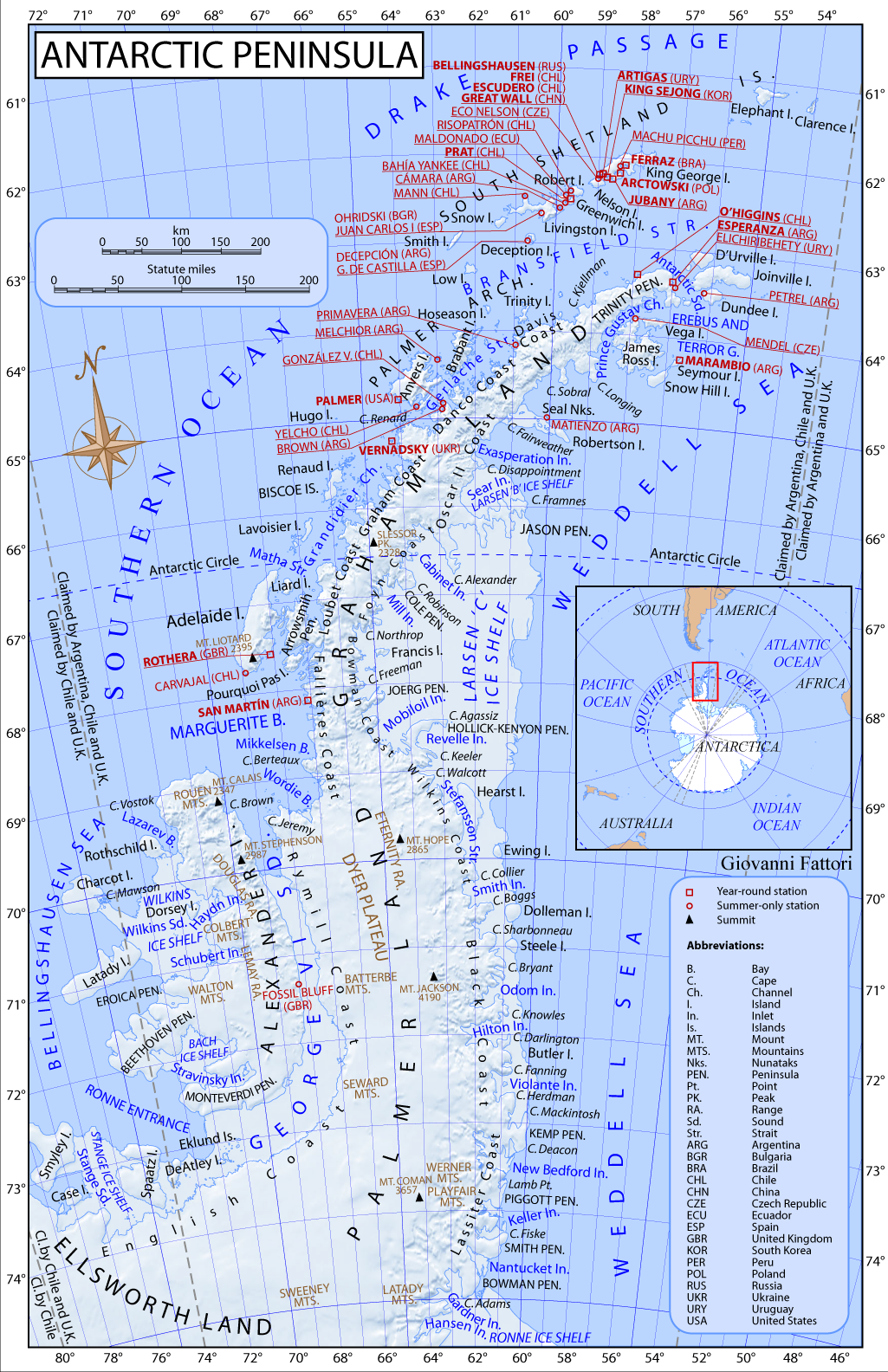
Reached almost entirely by expedition ship crossing the Drake Passage from Ushuaia, Argentina (a two-day sail each way); some fly-cruise trips fly across the Drake. There are no towns — only research stations.
Good to know
- Book an expedition cruise well ahead; the season is short (Nov–Mar only).
- The Drake Passage crossing can be rough — prepare for seasickness.
- Follow strict biosecurity and wildlife-distance rules to protect the ecosystem.
Plan your visit
Expedition🧭 Getting there
From Ushuaia, Argentina; fly-cruises use Punta Arenas to King George Island
- Fly Buenos Aires → Ushuaia — roughly 3h30
- Board an expedition vessel and cross the Drake Passage — about two days each way
- Or fly the Drake to King George Island in around 2h and join the ship there
- Total travel
- Two days from Buenos Aires to the peninsula by sea
- Time at site
- 10–12 days for a typical voyage; fly-cruises compress it to about a week
- Access
- Expedition vessel only, within a short austral summer season of roughly November to March. Operators work under IAATO rules covering landing numbers, wildlife distances and biosecurity, and those rules are enforced on board. There is no independent access.
🎒 What to bring & consider
- A genuinely waterproof shell and insulated waterproof boots — every landing is a wet step out of a Zodiac into freezing water
- Layers for wind chill that runs far below the air temperature
- Strong seasickness medication and the acceptance that the Drake can be genuinely punishing
- Biosecurity discipline: gear vacuumed, boots scrubbed between landings, nothing carried ashore
- Serious sun protection — the thin ozone and snow reflection burn people surprisingly fast
👁️ What to expect
- Crowds
- Landing sites take limited numbers at a time by rule. You will rarely encounter another ship's passengers ashore.
- Conditions
- Cold and windy, with an itinerary decided each morning by ice and weather rather than by the brochure.
- Facilities
- Only the ship. There is no infrastructure ashore beyond a handful of research stations.
- The view
- The light is extraordinary and lasts most of the night at midsummer. Landings are never guaranteed — ice and swell cancel them routinely, and the right expectation is that the continent decides.
Times and requirements are approximate and change with season, weather, and local rules — confirm permits, fares, and schedules with operators before you travel.
Natural riches of the area
- Glacier-hung mountains and iceberg-filled channels
- Huge penguin colonies (gentoo, chinstrap, Adélie)
- Humpback, minke, and orca whales; seals on the floes
- One of Earth's last great untouched wildernesses
Local food
- Expedition-ship dining
- There is no local cuisine; meals are prepared aboard the expedition vessels.
- Argentine provisions
- Trips depart Ushuaia; Argentine beef, wine, and empanadas feature en route.
The Antarctic Peninsula is the frozen continent at its most reachable — and most overwhelming. Reaching north toward South America, it is the mildest arm of the Antarctic, and it packs in a concentration of polar wonders that leaves visitors speechless: ice-draped mountains plunging straight into the sea, channels crowded with sculpted icebergs glowing electric blue, and shorelines heaving with tens of thousands of penguins.
The waters teem with life. Humpback and minke whales feed in the plankton-rich channels, seals sprawl on the ice floes, and in the endless light of the polar summer the scenery seems almost unreal. Reached by expedition ship across the notorious Drake Passage, this is the great wildlife-and-ice spectacle of the far south — a wilderness so pristine that the entire continent is set aside by international treaty for peace and science, and one of the last truly untouched places on Earth.
Antarctic Peninsula: common questions
How do you get to Antarctic Peninsula?
From Ushuaia, Argentina; fly-cruises use Punta Arenas to King George Island: Fly Buenos Aires → Ushuaia — roughly 3h30; Board an expedition vessel and cross the Drake Passage — about two days each way; Or fly the Drake to King George Island in around 2h and join the ship there. Allow Two days from Buenos Aires to the peninsula by sea.
When is the best time to visit Antarctic Peninsula?
The austral summer (roughly November–March), the only window expedition ships operate: penguin chicks and whales peak mid-to-late season, while early season brings pristine ice and snow.
How long should you spend at Antarctic Peninsula?
10–12 days for a typical voyage; fly-cruises compress it to about a week. Two days from Buenos Aires to the peninsula by sea of travel from Ushuaia, Argentina; fly-cruises use Punta Arenas to King George Island.
What should you bring to Antarctic Peninsula?
A genuinely waterproof shell and insulated waterproof boots — every landing is a wet step out of a Zodiac into freezing water Layers for wind chill that runs far below the air temperature Strong seasickness medication and the acceptance that the Drake can be genuinely punishing Biosecurity discipline: gear vacuumed, boots scrubbed between landings, nothing carried ashore Serious sun protection — the thin ozone and snow reflection burn people surprisingly fast
Do you need a permit or guide for Antarctic Peninsula?
Expedition vessel only, within a short austral summer season of roughly November to March. Operators work under IAATO rules covering landing numbers, wildlife distances and biosecurity, and those rules are enforced on board. There is no independent access.
Is Antarctic Peninsula crowded, and what are conditions like?
Landing sites take limited numbers at a time by rule. You will rarely encounter another ship's passengers ashore. Cold and windy, with an itinerary decided each morning by ice and weather rather than by the brochure. Facilities: only the ship. There is no infrastructure ashore beyond a handful of research stations.
Added
More wonders to explore