South Georgia
📍 South Georgia, South Atlantic
A remote, mountainous sub-Antarctic island where glaciers meet the sea and beaches heave with hundreds of thousands of king penguins and elephant seals — one of the greatest wildlife spectacles on Earth.
What makes it marvelous
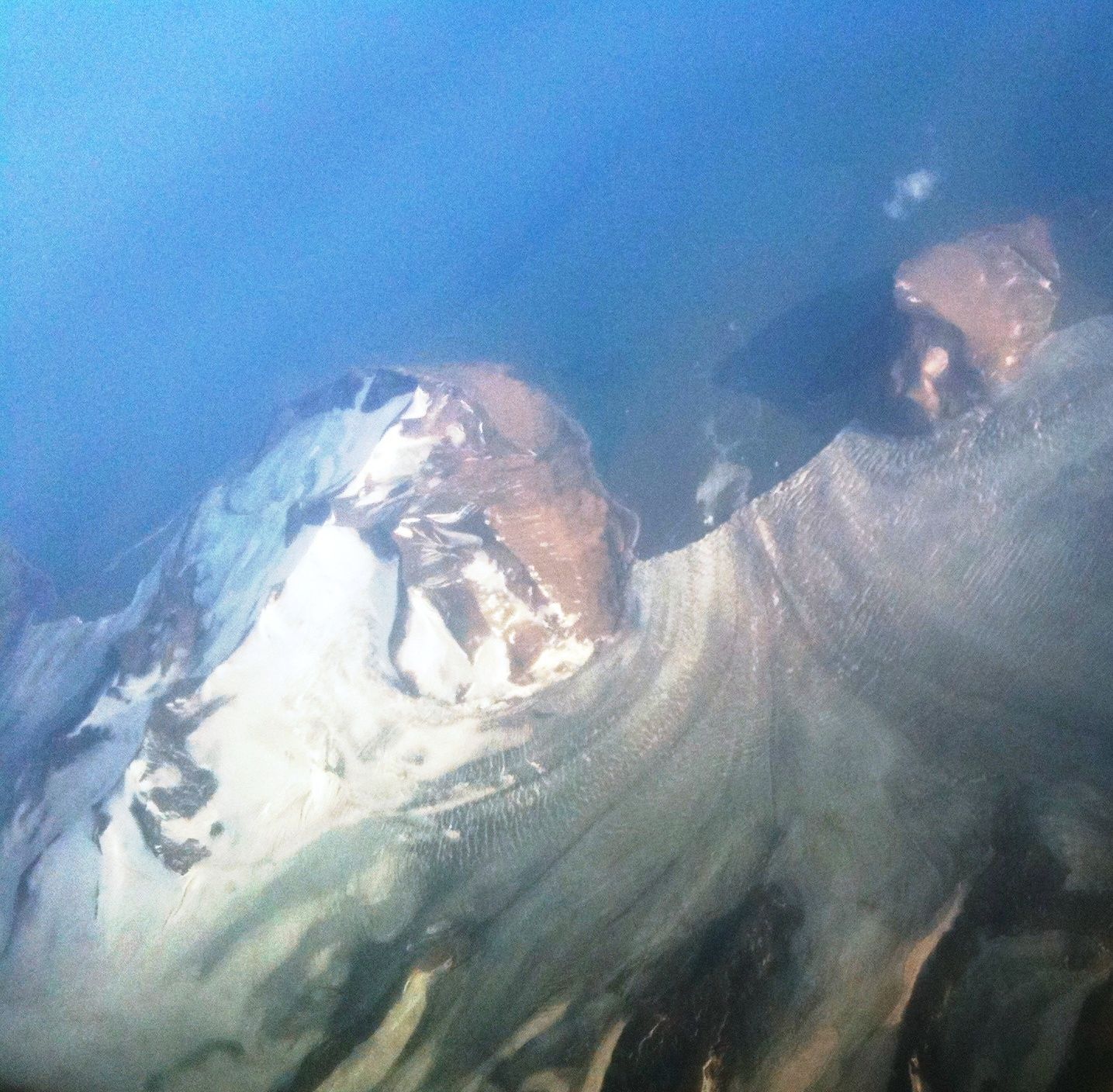
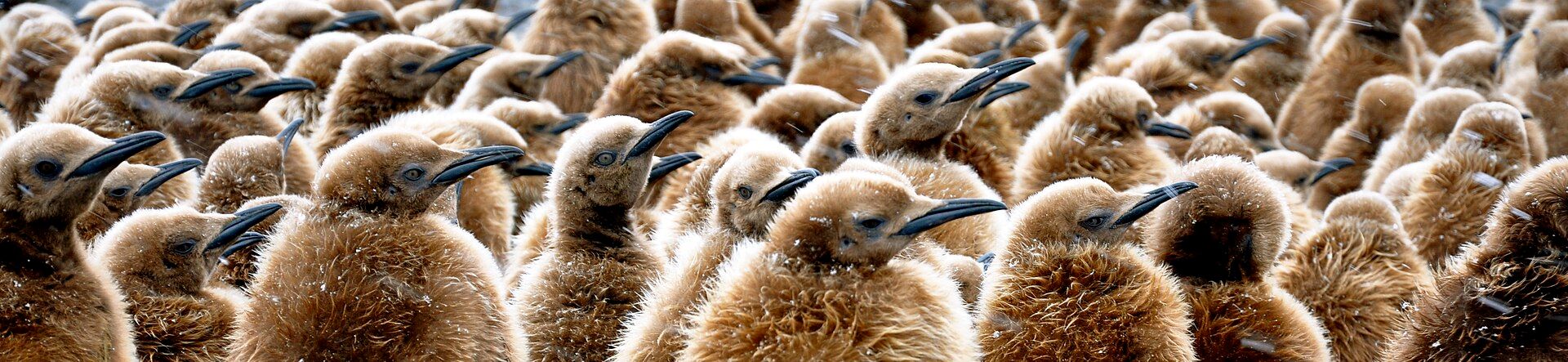
Rising jagged and glacier-clad from the wild South Atlantic, South Georgia is one of the most spectacular wildlife islands on the planet. Its beaches host king penguin colonies numbering in the hundreds of thousands — a shimmering, noisy expanse of orange-necked birds stretching as far as the eye can see — alongside vast breeding gatherings of southern elephant seals and fur seals. Wandering albatrosses with three-metre wingspans nest on its tussock slopes, and glaciers tumble from serrated peaks straight to the shore. It was here that Ernest Shackleton made his legendary crossing to safety, and he lies buried at Grytviken. Few places on Earth combine such raw scenery with such staggering concentrations of wildlife.
Why visit
Standing among a colony of a quarter-million king penguins, surrounded by elephant seals beneath glacier-hung peaks, is among the most jaw-dropping wildlife experiences anywhere — a highlight of any expedition to the far south.
What to know before you go
🗓️ Best time
The austral summer (roughly October–March): November–December for penguin colonies and seal breeding at their peak, later season for fledging chicks. This is the only window ships visit.
🧭 Getting there & access
A remote island with no airport, reached only by expedition ship — usually combined with an Antarctic or Falklands voyage, several days' sail from the Falkland Islands or Ushuaia.
Good to know
- Visit as part of an expedition cruise; there is no other way to reach it.
- Strict biosecurity applies — boots and gear are cleaned to protect the island.
- Keep required distances from seals and penguins; wildlife has right of way.
Plan your visit
Expedition🧭 Getting there
From Ushuaia, Argentina — or Stanley, Falkland Islands — by expedition ship
- Fly → Ushuaia (USH) or Punta Arenas (PUQ), or fly to Stanley (MPN)
- Sail Ushuaia → South Georgia — roughly 4–6 days across the Scotia Sea
- Or sail Stanley → South Georgia — about 2–3 days
- Total travel
- Most of a week at sea from South America before the first landing
- Time at site
- Expedition voyages usually allow 3–5 days in the island group
- Access
- There is no airport and no independent travel. Visits happen aboard vessels holding a permit from the Government of South Georgia and the South Sandwich Islands, and every landing site, group size and time ashore is governed by that permit. Biosecurity is the strictest most travellers will ever encounter: boots, poles, bags and velcro are inspected and cleaned before each landing to protect an island that has been cleared of introduced rodents at enormous cost. Requirements are set by GSGSSI and change; your operator holds the current rules.
🎒 What to bring & consider
- A walking pole carried ashore — fur seals hold territory on the beaches in the southern spring and summer and will genuinely charge you. Guides teach you to stand your ground and hold the pole out; running is the wrong answer
- Waterproof trousers and knee-high muck boots, because every landing is a wet one through surf and then through mud, tussock and penguin colonies
- Serious wind protection: katabatic gusts come off the glaciers without warning and the wind, not the temperature, is what makes it painful
- Biosecurity discipline — clean velcro, empty pockets, no seeds in a turn-up. It is checked, and a failed check means you stay on the ship
- Motion sickness treatment for the Scotia Sea crossing, which is one of the roughest regularly sailed stretches of ocean
👁️ What to expect
- Crowds
- A small number of ships per season and strict limits on people ashore at once. You will never feel crowded by other visitors — only by wildlife.
- Conditions
- Cold, wet and violently windy, with weather that cancels landings at short notice. Plan for missing sites rather than seeing all of them.
- Facilities
- The ship. Grytviken has a museum, post office and the whaling station ruins; there is nothing else.
- The view
- A quarter of a million king penguins at Salisbury Plain or St Andrews Bay, with the mountains behind. It is a scene no lens really contains, and the reason to go is the noise and smell of it rather than the frame you bring home. Whether you land at all is decided by the swell on the morning.
Times and requirements are approximate and change with season, weather, and local rules — confirm permits, fares, and schedules with operators before you travel.
Natural riches of the area
- King penguin colonies in the hundreds of thousands
- Vast elephant seal and fur seal breeding beaches
- Nesting wandering albatrosses and other seabirds
- Glaciers and serrated peaks rising from the sea
Local food
- Expedition-ship dining
- The island is uninhabited but for a research station; meals are prepared aboard ship.
- South Atlantic provisions
- Voyages provision from the Falklands and Ushuaia.
South Georgia is one of the greatest wildlife islands on Earth. Rising jagged and glacier-clad from the wild South Atlantic, this remote sub-Antarctic outpost hosts king penguin colonies numbering in the hundreds of thousands — a vast, shimmering, roaring expanse of orange-necked birds — along with immense breeding gatherings of elephant seals and fur seals crowding the beaches beneath serrated, ice-hung peaks.
The abundance is almost impossible to describe. Wandering albatrosses with three-metre wingspans nest on the tussock slopes, glaciers spill straight to the shore, and everywhere there is life and noise and movement. It was across these mountains that Shackleton made his legendary final march to rescue, and he lies buried at Grytviken. Reachable only by expedition ship, South Georgia rewards the long journey with a concentration of wildlife and scenery matched almost nowhere else on the planet.
South Georgia: common questions
How do you get to South Georgia?
From Ushuaia, Argentina — or Stanley, Falkland Islands — by expedition ship: Fly → Ushuaia (USH) or Punta Arenas (PUQ), or fly to Stanley (MPN); Sail Ushuaia → South Georgia — roughly 4–6 days across the Scotia Sea; Or sail Stanley → South Georgia — about 2–3 days. Allow Most of a week at sea from South America before the first landing.
When is the best time to visit South Georgia?
The austral summer (roughly October–March): November–December for penguin colonies and seal breeding at their peak, later season for fledging chicks. This is the only window ships visit.
How long should you spend at South Georgia?
Expedition voyages usually allow 3–5 days in the island group. Most of a week at sea from South America before the first landing of travel from Ushuaia, Argentina — or Stanley, Falkland Islands — by expedition ship.
What should you bring to South Georgia?
A walking pole carried ashore — fur seals hold territory on the beaches in the southern spring and summer and will genuinely charge you. Guides teach you to stand your ground and hold the pole out; running is the wrong answer Waterproof trousers and knee-high muck boots, because every landing is a wet one through surf and then through mud, tussock and penguin colonies Serious wind protection: katabatic gusts come off the glaciers without warning and the wind, not the temperature, is what makes it painful Biosecurity discipline — clean velcro, empty pockets, no seeds in a turn-up. It is checked, and a failed check means you stay on the ship Motion sickness treatment for the Scotia Sea crossing, which is one of the roughest regularly sailed stretches of ocean
Do you need a permit or guide for South Georgia?
There is no airport and no independent travel. Visits happen aboard vessels holding a permit from the Government of South Georgia and the South Sandwich Islands, and every landing site, group size and time ashore is governed by that permit. Biosecurity is the strictest most travellers will ever encounter: boots, poles, bags and velcro are inspected and cleaned before each landing to protect an island that has been cleared of introduced rodents at enormous cost. Requirements are set by GSGSSI and change; your operator holds the current rules.
Is South Georgia crowded, and what are conditions like?
A small number of ships per season and strict limits on people ashore at once. You will never feel crowded by other visitors — only by wildlife. Cold, wet and violently windy, with weather that cancels landings at short notice. Plan for missing sites rather than seeing all of them. Facilities: the ship. Grytviken has a museum, post office and the whaling station ruins; there is nothing else.
Added
More wonders to explore