Bwindi Impenetrable Forest
📍 Southwestern Uganda
An ancient, mist-shrouded montane rainforest that shelters nearly half the world's remaining mountain gorillas — one of the planet's most moving wildlife encounters.
What makes it marvelous
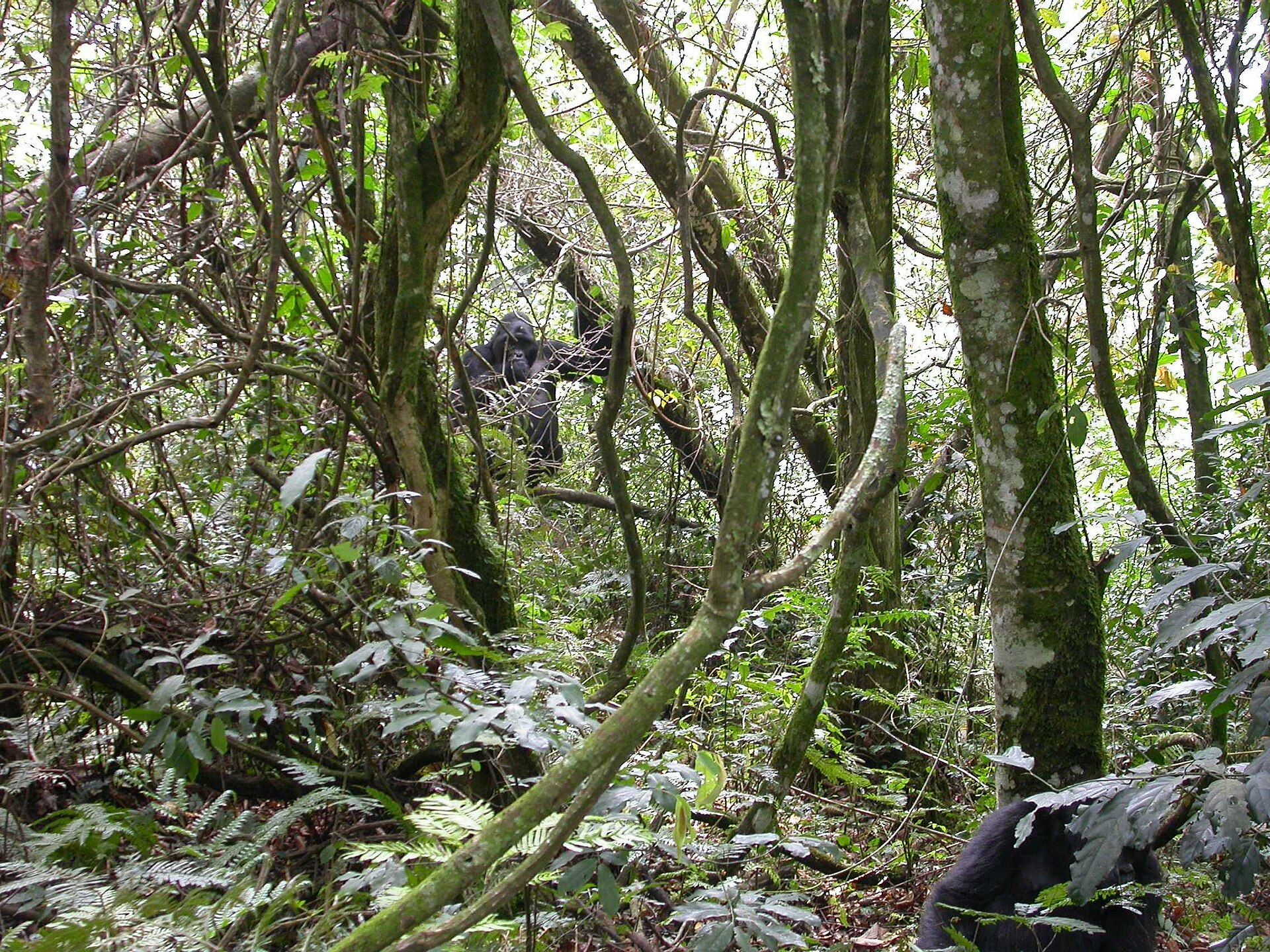
Bwindi is one of Africa's oldest and richest rainforests, a dense, tangled, mist-hung wilderness so thick it earned the name 'Impenetrable'. Draped across the steep ridges of southwestern Uganda, it survived the Ice Ages as a refuge for life and today holds an extraordinary diversity of trees, ferns, birds, and butterflies. Above all, it is home to roughly half of all the mountain gorillas left on Earth — a critically endangered subspecies that survives only in these highland forests. Trekking through the undergrowth to sit quietly a few metres from a wild gorilla family, watching a silverback and his playful young, is one of the most profound wildlife experiences anywhere, and the tourism it supports has helped bring the mountain gorilla back from the brink. It is a UNESCO World Heritage Site.
Why visit
The chance to spend a precious hour in the presence of a wild mountain gorilla family — in a forest that is itself a living relic — is a once-in-a-lifetime encounter, and one whose fees directly fund the species' survival.
What to know before you go
🗓️ Best time
The drier seasons (roughly June–September and December–February) make the steep, muddy trekking easier, though gorillas can be visited year-round.
🧭 Getting there & access
In far southwestern Uganda, reached by long drive or light aircraft from Entebbe/Kampala. Gorilla trekking requires a permit booked well in advance; treks depart with rangers from park sectors.
Good to know
- Book gorilla permits months ahead — daily numbers are strictly limited.
- Come in a drier season; the terrain is steep and can be very muddy.
- Follow all ranger rules on distance and health to protect the gorillas.
Plan your visit
Strenuous🧭 Getting there
From Entebbe (EBB), then the Kihihi or Kisoro airstrips, or a long road transfer
- Fly into Entebbe
- Road Kampala → Bwindi — roughly 8–10h
- Or light aircraft Entebbe → Kihihi or Kisoro — about 1h30, then 1–2h by road to your sector
- Total travel
- A long day by road; half a day if you fly
- Time at site
- 2–3 nights, though the trek itself is a single morning
- Access
- A gorilla trekking permit from the Uganda Wildlife Authority is mandatory. Numbers are strictly capped per day, permits are tied to a named sector and date, and they need securing months ahead — the quota and cost are set by UWA and change, so book through them or a licensed operator rather than assuming availability. A minimum age applies, and anyone showing signs of a transmissible illness will be turned back to protect the gorillas.
🎒 What to bring & consider
- Broken-in boots with real grip, and gaiters — the forest is steep, deep in mud, and "impenetrable" is a description rather than a flourish
- Long sleeves, long trousers and thick gloves for stinging nettles and thorny vines you will be grabbing hold of
- A rain jacket; it rains here most months at this altitude
- A face mask — coverings are required near the gorillas and the distance rules are enforced
- A porter, which costs little, helps a great deal, and puts money directly into the surrounding villages
👁️ What to expect
- Crowds
- Strictly capped at one small group per habituated family per day. You will not meet other tourists in the forest.
- Conditions
- Steep, wet, dense forest at altitude. The trek can last one hour or eight, depending entirely on where the family has moved overnight.
- Facilities
- Lodges cluster around the sector trailheads. Nothing at all in the forest.
- The view
- Light under the canopy is poor and your time with the family is limited by rule. A fast lens and tolerance for high ISO will serve you better than a long telephoto.
Times and requirements are approximate and change with season, weather, and local rules — confirm permits, fares, and schedules with operators before you travel.
Natural riches of the area
- Ancient montane rainforest surviving from before the Ice Ages
- Roughly half the world's mountain gorillas
- Exceptional diversity of birds, butterflies, and plants
- Community conservation funded by gorilla tourism
Local food
- Matoke
- Steamed green plantain, a staple across Uganda.
- Ugandan groundnut & bean stews
- Hearty local dishes served with millet or posho.
- Ankole highland produce
- Fresh vegetables, fruit, and dairy from the surrounding highlands.
Bwindi is a forest out of deep time. Draped over the steep ridges of southwestern Uganda, this ancient montane rainforest is so dense and tangled that it earned the name ‘Impenetrable’ — a mist-hung wilderness that survived the Ice Ages as a refuge and today brims with rare trees, birds, and butterflies found nowhere else nearby.
Its greatest treasure is the mountain gorilla. Roughly half of all the world’s remaining mountain gorillas — a critically endangered subspecies clinging on in just a few highland forests — live here, and trekking through the undergrowth to sit quietly a few metres from a wild family, watching a great silverback and his tumbling young, ranks among the most moving wildlife encounters on Earth. A UNESCO World Heritage Site, Bwindi is also a conservation success story: the carefully limited tourism it draws has helped pull the mountain gorilla back from the edge of extinction.
Bwindi Impenetrable Forest: common questions
How do you get to Bwindi Impenetrable Forest?
From Entebbe (EBB), then the Kihihi or Kisoro airstrips, or a long road transfer: Fly into Entebbe; Road Kampala → Bwindi — roughly 8–10h; Or light aircraft Entebbe → Kihihi or Kisoro — about 1h30, then 1–2h by road to your sector. Allow a long day by road; half a day if you fly.
When is the best time to visit Bwindi Impenetrable Forest?
The drier seasons (roughly June–September and December–February) make the steep, muddy trekking easier, though gorillas can be visited year-round.
How long should you spend at Bwindi Impenetrable Forest?
2–3 nights, though the trek itself is a single morning. A long day by road; half a day if you fly of travel from Entebbe (EBB), then the Kihihi or Kisoro airstrips, or a long road transfer.
What should you bring to Bwindi Impenetrable Forest?
Broken-in boots with real grip, and gaiters — the forest is steep, deep in mud, and "impenetrable" is a description rather than a flourish Long sleeves, long trousers and thick gloves for stinging nettles and thorny vines you will be grabbing hold of A rain jacket; it rains here most months at this altitude A face mask — coverings are required near the gorillas and the distance rules are enforced A porter, which costs little, helps a great deal, and puts money directly into the surrounding villages
Do you need a permit or guide for Bwindi Impenetrable Forest?
A gorilla trekking permit from the Uganda Wildlife Authority is mandatory. Numbers are strictly capped per day, permits are tied to a named sector and date, and they need securing months ahead — the quota and cost are set by UWA and change, so book through them or a licensed operator rather than assuming availability. A minimum age applies, and anyone showing signs of a transmissible illness will be turned back to protect the gorillas.
Is Bwindi Impenetrable Forest crowded, and what are conditions like?
Strictly capped at one small group per habituated family per day. You will not meet other tourists in the forest. Steep, wet, dense forest at altitude. The trek can last one hour or eight, depending entirely on where the family has moved overnight. Facilities: lodges cluster around the sector trailheads. Nothing at all in the forest.
Added
More wonders to explore