Ennedi Massif
📍 Ennedi, northeastern Chad
A sandstone labyrinth in the heart of the Sahara — natural arches, towers, and canyons hiding permanent water where desert crocodiles survive, thousands of kilometres from any river.
What makes it marvelous
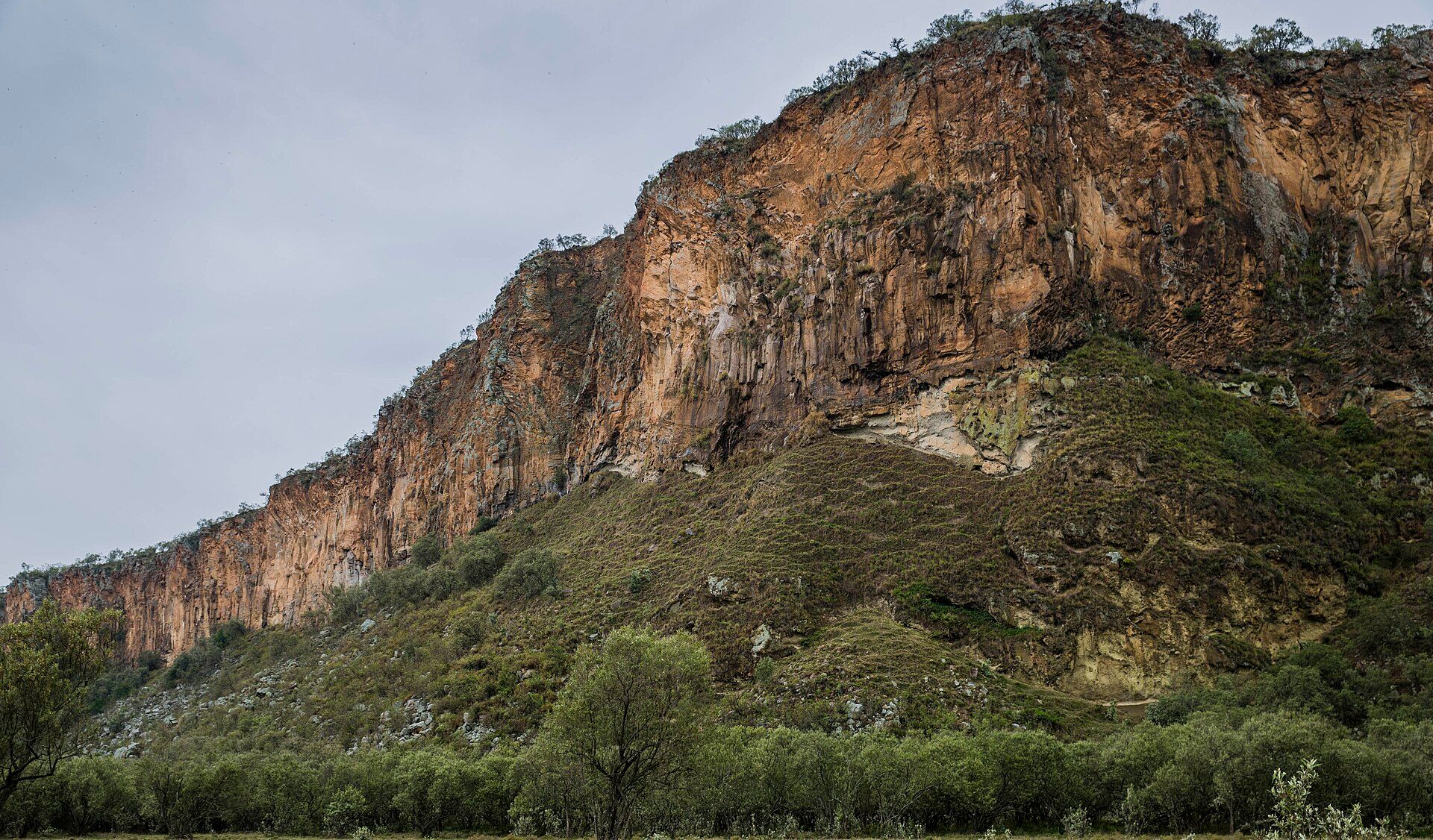
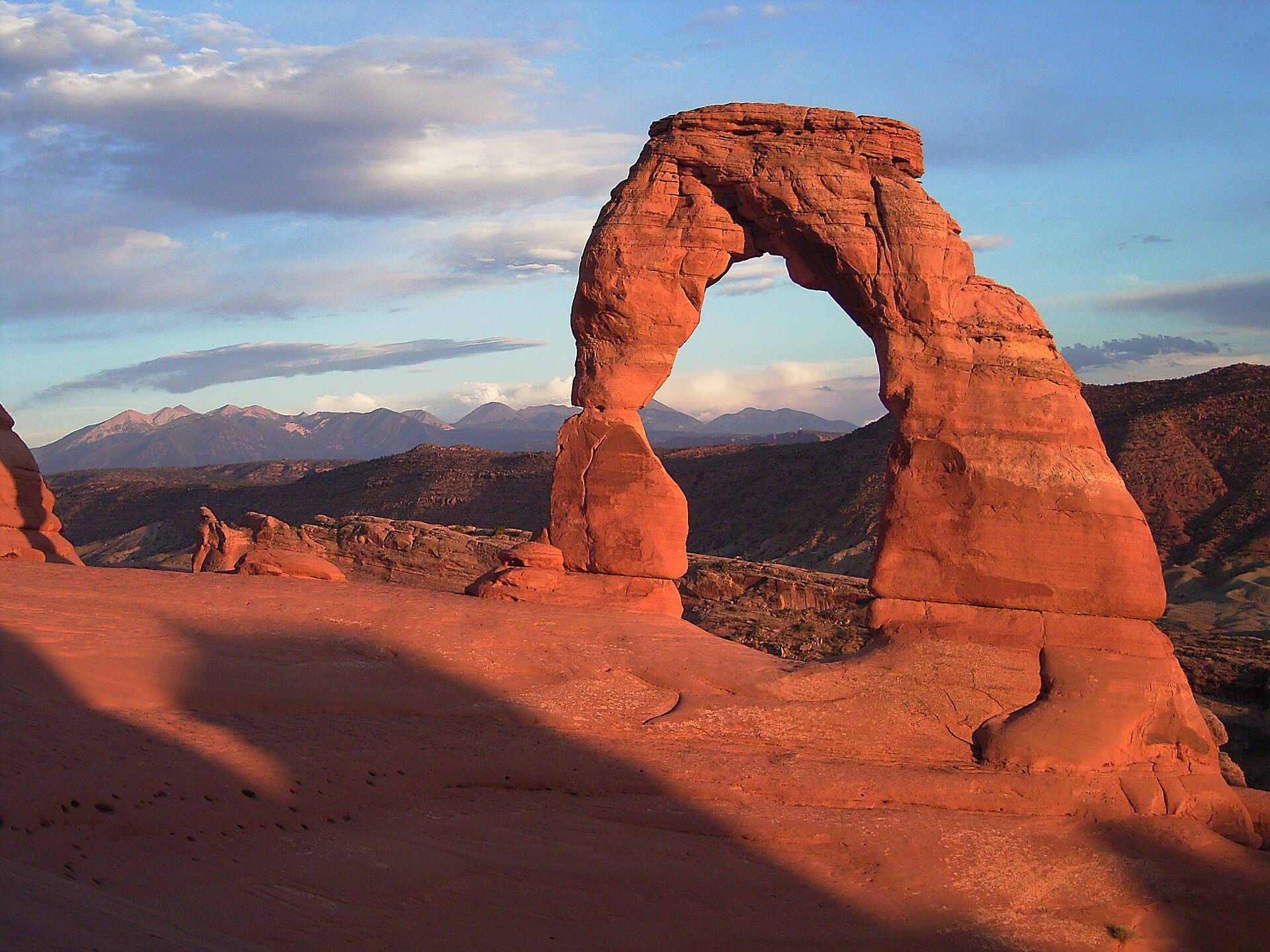
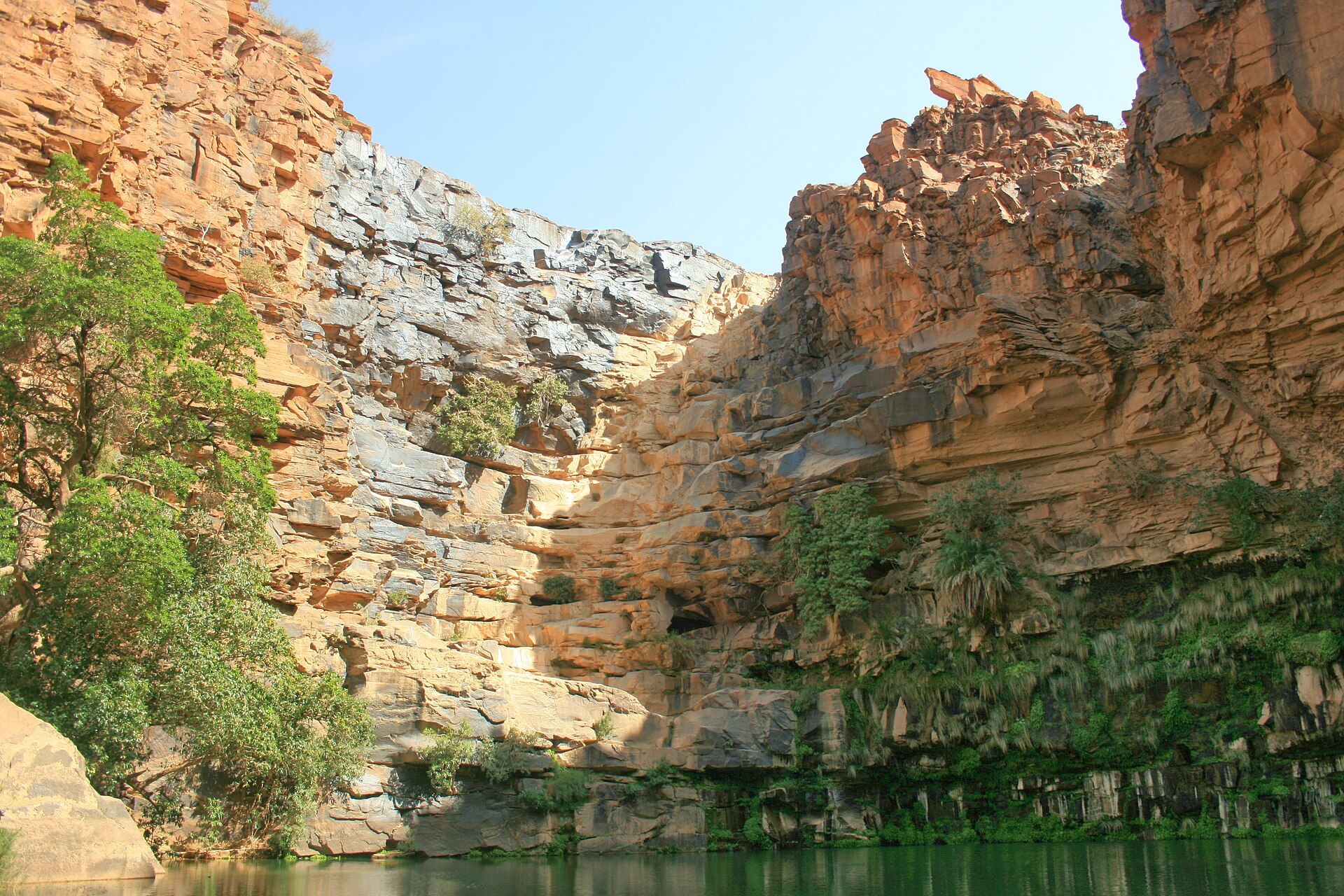
Deep in the Sahara of northeastern Chad, the Ennedi Massif is a vast sandstone plateau eroded into one of the most spectacular rock landscapes on Earth: forests of pillars, sheer-walled canyons, and immense natural arches, among them the Aloba Arch, which soars well over 100 metres. What makes Ennedi extraordinary is not just the rock but the water. Hidden in its shaded gorges are permanent pools, or gueltas, that survive the desert year — the Guelta d'Archei, thick with algae and stained black by generations of camel dung, shelters a relict population of West African crocodiles, stranded here since the Sahara was green thousands of years ago. The canyon walls carry thousands of years of rock art recording that vanished wetter world. It is a UNESCO World Heritage Site of both nature and culture.
Why visit
Reaching a hidden desert pool where crocodiles survive in the middle of the Sahara, beneath cliffs painted with prehistoric art and arches taller than skyscrapers, is one of the last genuinely remote adventures left on Earth.
What to know before you go
🗓️ Best time
The cooler months (roughly November–February), the only reasonable window for desert expedition travel; the rest of the year brings dangerous heat.
🧭 Getting there & access
In remote northeastern Chad, reached only by long 4x4 desert expedition from N'Djamena or Fada, with permits, guides, and full self-sufficiency. Check security advisories carefully before planning.
Good to know
- Travel only November–February, with an experienced expedition operator.
- Permits, guides, and self-sufficient desert logistics are essential.
- Check current security and travel advisories for Chad before committing.
Plan your visit
Expedition🧭 Getting there
From N'Djamena, Chad, then overland northeast
- International flight to N'Djamena
- Overland by 4x4 convoy to the Ennedi — roughly two to three days of desert driving
- Movement within the massif is entirely by 4x4 and on foot
- Total travel
- Two to three days from N'Djamena
- Time at site
- 10–14 days, since the journey dominates the trip
- Access
- Practically speaking, organised expeditions only. Chad requires visas arranged in advance, and travel permits for the north are handled by specialist operators along with the mandatory guides and convoy arrangements. Requirements change, and much of the wider region carries serious travel advisories — check your government's advice and work through an established operator rather than improvising.
🎒 What to bring & consider
- Total water self-sufficiency, carried in the vehicles — there is no resupply and the margin for error is thin
- Full sun protection and a headwrap for blowing sand
- Warm layers for desert nights, which drop sharply and are cold in winter
- Satellite communications and a serious medical kit, because evacuation would take days
- Respect for the rock art, which is thousands of years old, unprotected, and destroyed by touching or wetting it
👁️ What to expect
- Crowds
- Effectively none. This is one of the least-visited landscapes covered here.
- Conditions
- Long days of desert driving, camping wild, extreme heat by day and cold at night, and no infrastructure of any kind.
- Facilities
- Nothing. Everything you need travels with the convoy.
- The view
- The sandstone arches and the Guelta d'Archei with its camels and desert crocodiles are the signature scenes. Low sun gives the sandstone its colour; the middle of the day bleaches it flat.
Times and requirements are approximate and change with season, weather, and local rules — confirm permits, fares, and schedules with operators before you travel.
Natural riches of the area
- Sandstone arches, pillars, and canyons, including the vast Aloba Arch
- Permanent desert pools (gueltas) in shaded gorges
- A relict population of Saharan crocodiles at Guelta d'Archei
- Thousands of years of prehistoric rock art
Local food
- Boule
- A millet or sorghum porridge, the staple food across Chad.
- Camel & goat
- Grilled or stewed meat, central to the diet of Saharan nomads.
- Dates & desert tea
- Dates from oasis palms and strong sweet tea, the traveller's fare.
Deep in the Sahara of northeastern Chad lies one of the most spectacular and least-visited rock landscapes on Earth. The Ennedi Massif is a vast sandstone plateau that erosion has carved into forests of pillars, sheer-walled canyons, and colossal natural arches — the Aloba Arch alone soars well over a hundred metres.
But Ennedi’s real astonishment is water. Hidden in its shaded gorges are gueltas, permanent pools that outlast the desert year, and in one of them — the Guelta d’Archei — a relict population of West African crocodiles still survives, stranded thousands of kilometres from any river since the Sahara was green some thousands of years ago. The canyon walls around them carry rock art recording that vanished wetter world, when herds and hunters moved across what is now sand. A UNESCO World Heritage Site for both its nature and its culture, Ennedi is one of the last truly remote adventures left.
Ennedi Massif: common questions
How do you get to Ennedi Massif?
From N'Djamena, Chad, then overland northeast: International flight to N'Djamena; Overland by 4x4 convoy to the Ennedi — roughly two to three days of desert driving; Movement within the massif is entirely by 4x4 and on foot. Allow Two to three days from N'Djamena.
When is the best time to visit Ennedi Massif?
The cooler months (roughly November–February), the only reasonable window for desert expedition travel; the rest of the year brings dangerous heat.
How long should you spend at Ennedi Massif?
10–14 days, since the journey dominates the trip. Two to three days from N'Djamena of travel from N'Djamena, Chad, then overland northeast.
What should you bring to Ennedi Massif?
Total water self-sufficiency, carried in the vehicles — there is no resupply and the margin for error is thin Full sun protection and a headwrap for blowing sand Warm layers for desert nights, which drop sharply and are cold in winter Satellite communications and a serious medical kit, because evacuation would take days Respect for the rock art, which is thousands of years old, unprotected, and destroyed by touching or wetting it
Do you need a permit or guide for Ennedi Massif?
Practically speaking, organised expeditions only. Chad requires visas arranged in advance, and travel permits for the north are handled by specialist operators along with the mandatory guides and convoy arrangements. Requirements change, and much of the wider region carries serious travel advisories — check your government's advice and work through an established operator rather than improvising.
Is Ennedi Massif crowded, and what are conditions like?
Effectively none. This is one of the least-visited landscapes covered here. Long days of desert driving, camping wild, extreme heat by day and cold at night, and no infrastructure of any kind. Facilities: nothing. Everything you need travels with the convoy.
Added
More wonders to explore