The Galápagos Islands
📍 Pacific Ocean, ~1,000 km west of Ecuador
A remote volcanic archipelago where evolution is on open display — giant tortoises, marine iguanas, and fearless wildlife found nowhere else, the living laboratory that shaped Darwin's theory of natural selection.
What makes it marvelous
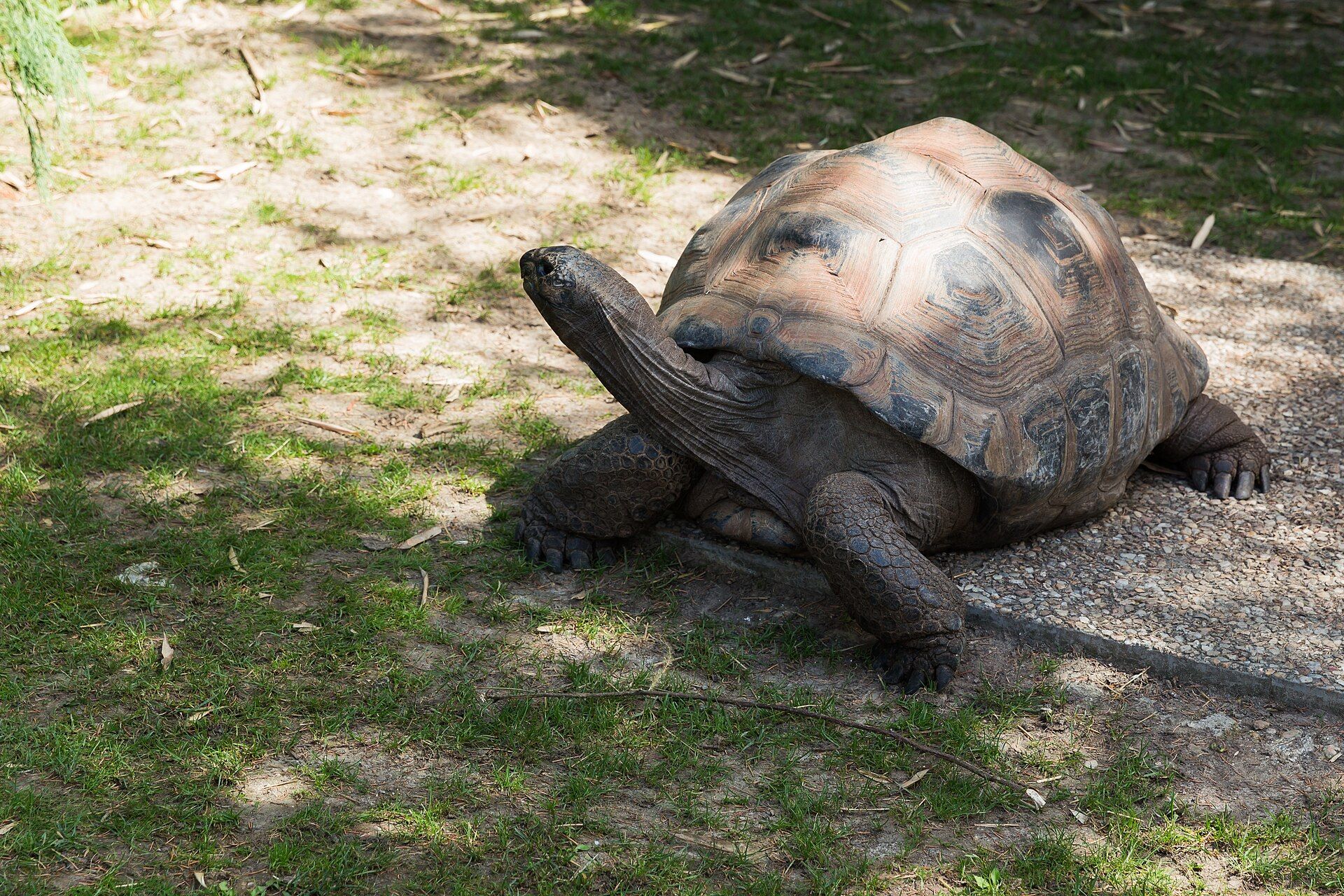
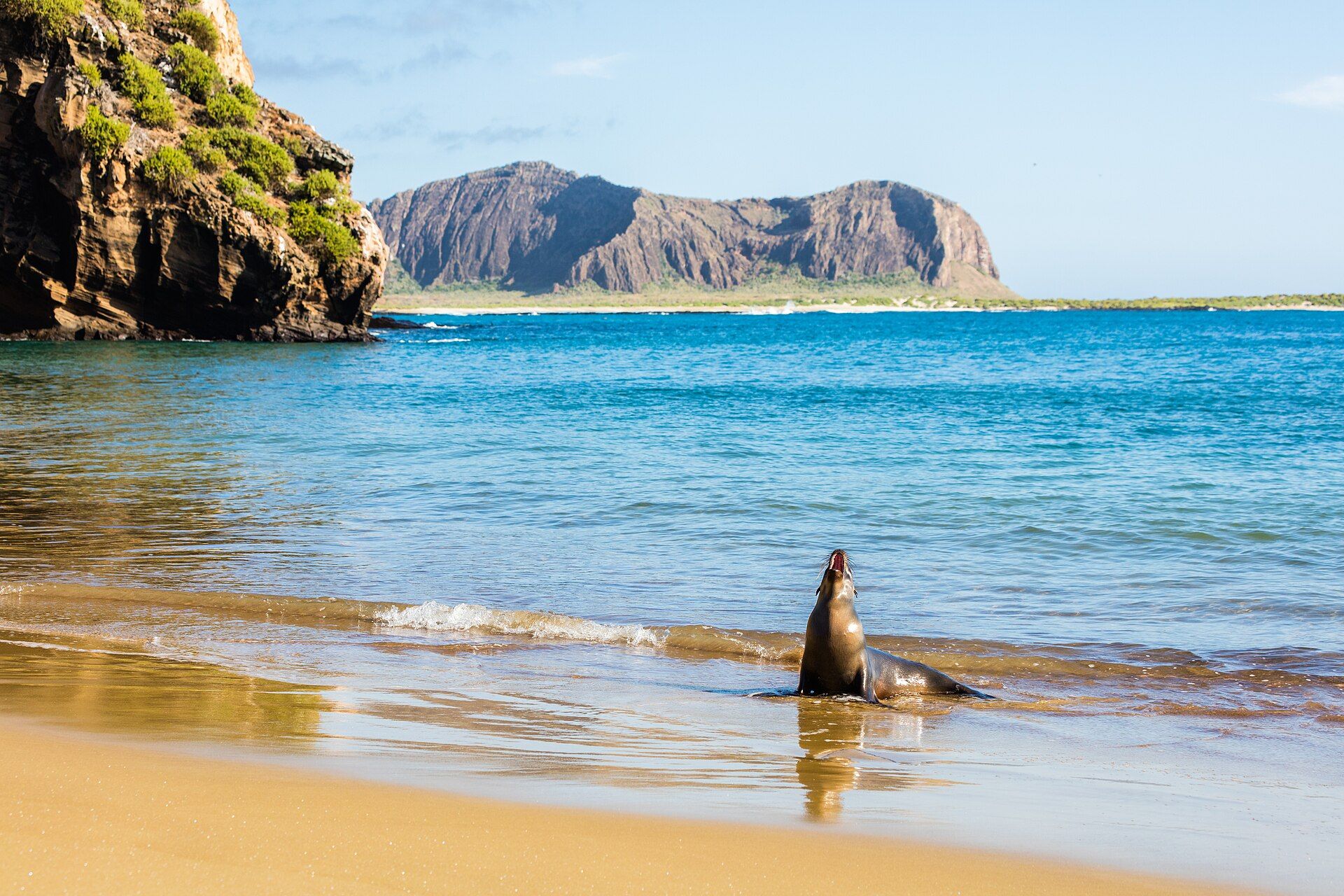
Born of a volcanic hotspot and never connected to the mainland, the Galápagos were colonised by chance arrivals that then evolved in isolation into forms found nowhere else: giant tortoises up to a metre and a half long, the world's only marine iguanas that feed in the sea, flightless cormorants, and the famous finches whose varied beaks helped Charles Darwin conceive natural selection after his 1835 visit. Cold and warm ocean currents meet here, mixing penguins and tropical fish, and the animals' long isolation from predators makes them astonishingly unafraid of people. It was among the very first UNESCO World Heritage Sites.
Why visit
Few places let you get so close to wild animals living naturally — sea lions on the beaches, blue-footed boobies dancing, marine iguanas basking, tortoises lumbering through the highlands. Snorkelling brings encounters with penguins, rays, and sharks. It is one of the most important and moving wildlife destinations on Earth.
More views of The Galápagos Islands
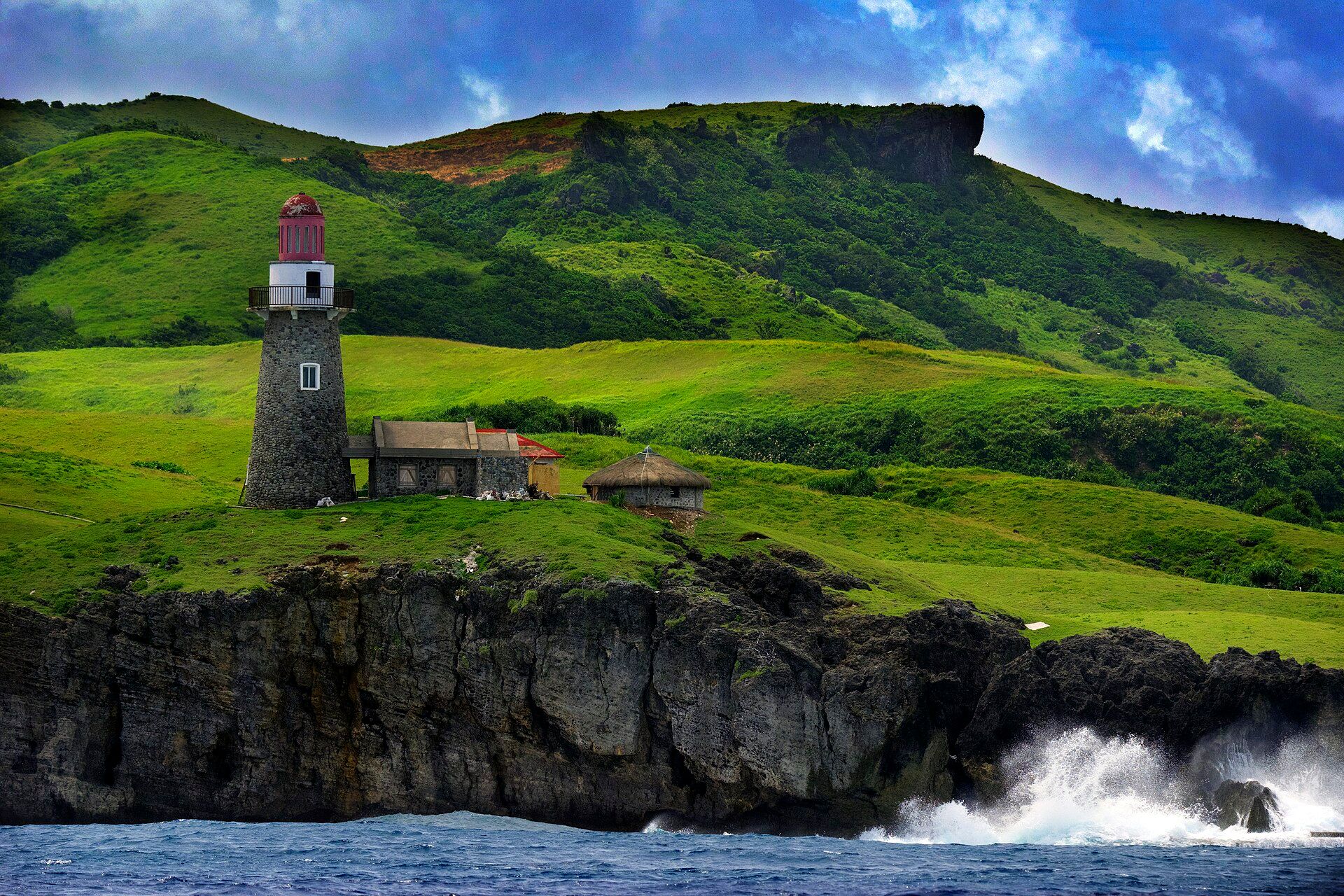
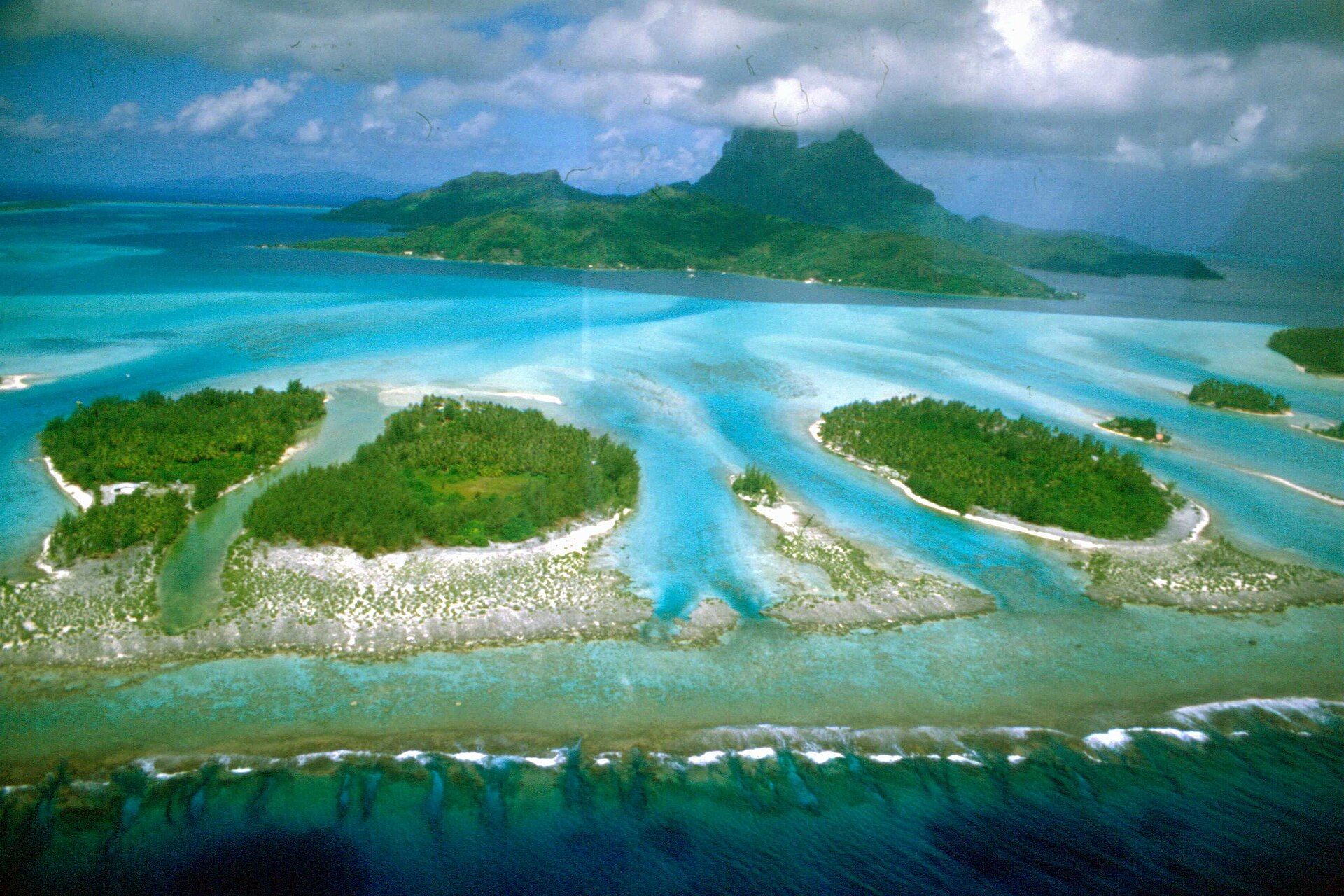
Additional photographs of the actual site — each freely licensed, with its photographer and licence credited.
What to know before you go
🗓️ Best time
Year-round, with two seasons: the warm, wetter season (roughly December–May) has calmer seas and clearer water; the cool, dry season (June–November) brings more active wildlife and richer seas.
🧭 Getting there & access
By air from mainland Ecuador (Quito or Guayaquil) to Baltra or San Cristóbal, then guided island-hopping or liveaboard cruises; access is tightly controlled to protect the ecosystem.
Good to know
- Keep the required distance from wildlife and never touch or feed animals.
- Follow national-park rules strictly and go with licensed naturalist guides.
- Choose operators committed to conservation and biosecurity.
Plan your visit
Easy🧭 Getting there
From Baltra (GPS) or San Cristobal (SCY), via Quito or Guayaquil
- Fly Quito or Guayaquil to Baltra or San Cristobal — roughly 2h–3h
- Baltra to Puerto Ayora by bus, ferry and bus — about 1h
- Day boats or a liveaboard from there to the visitor sites
- Total travel
- Most of a day from Quito
- Time at site
- 5–8 days; liveaboard itineraries run 4–8 nights
- Access
- A transit control card plus a national park entrance fee, both collected on arrival. The entrance fee was raised recently — check the current amount with the park authority rather than trusting an older figure. Most visitor sites can only be entered with a licensed naturalist guide on a pre-allocated itinerary; independent wandering is not permitted.
🎒 What to bring & consider
- Reef-safe sunscreen, a long rash guard and a hat — this is the equator with thin cloud cover and the burn is fast
- A wetsuit, or your operator's — the water is considerably colder than "equator" suggests, especially in the garua season
- Seasickness medication; inter-island crossings are genuinely rough
- Biosecurity discipline: clean shoes and bags, and no food carried between islands
- Cash for the arrival fees, since card acceptance is patchy
👁️ What to expect
- Crowds
- The itinerary system caps numbers, so sites rarely feel busy. Puerto Ayora itself is a working town and does.
- Conditions
- Wet and dry landings from small pangas, uneven lava underfoot, and strong equatorial sun with little shade.
- Facilities
- Good in Puerto Ayora and Puerto Baquerizo Moreno. At visitor sites, only what your boat carries.
- The view
- The animals are famously unbothered and the rule is to stay a couple of metres back — a normal lens is plenty. Which species you see is a function of season and island, not luck.
Times and requirements are approximate and change with season, weather, and local rules — confirm permits, fares, and schedules with operators before you travel.
Natural riches of the area
- A volcanic archipelago with unique, endemic evolution
- Giant tortoises, marine iguanas, and Darwin's finches
- Converging ocean currents mixing tropical and cold-water life
- A globally pivotal site for science and conservation
Local food
- Ceviche
- Fresh Ecuadorian seafood cured in citrus — often with shrimp or fish.
- Encebollado
- A hearty Ecuadorian fish-and-onion soup.
- Patacones & fresh fruit
- Fried green plantains and abundant tropical fruit.
The Galápagos are where the living world reveals how it works. Thrown up by a volcanic hotspot and never joined to any continent, the islands were reached only by chance colonists — a stray tortoise, a wind-blown finch — which then evolved in isolation into creatures found nowhere else: giant tortoises, the only sea-feeding marine iguanas on Earth, flightless cormorants, and the finches whose subtly different beaks helped Charles Darwin work out natural selection after he visited in 1835.
Because these animals evolved without land predators, they are almost fearless of people, which makes the Galápagos one of the most extraordinary places anywhere to meet wildlife: sea lions sprawled on the sand, blue-footed boobies displaying, penguins darting past your mask. Cold and warm currents collide offshore, mingling tropical and polar life. Among the first sites ever granted World Heritage status and tightly protected, it is a living laboratory — visited carefully, one of the most important and moving natural places on the planet.
Lying roughly 1,000 kilometres off the coast of Ecuador, this volcanic archipelago is where Charles Darwin, visiting in 1835, gathered observations that fed into his theory of evolution by natural selection — the finches and tortoises that differ from island to island became one of biology’s most famous examples of adaptation. The isolation bred creatures found nowhere else: giant tortoises that can live over a century, the marine iguana (the only lizard that forages in the sea), flightless cormorants, and blue-footed boobies famous for their courtship dance. Because the wildlife evolved without predators it is strikingly unafraid of people, but the islands are a strictly protected national park: most visiting is by licensed guide, on marked trails and permitted boats, to keep it that way.
The Galápagos Islands: common questions
How do you get to The Galápagos Islands?
From Baltra (GPS) or San Cristobal (SCY), via Quito or Guayaquil: Fly Quito or Guayaquil to Baltra or San Cristobal — roughly 2h–3h; Baltra to Puerto Ayora by bus, ferry and bus — about 1h; Day boats or a liveaboard from there to the visitor sites. Allow Most of a day from Quito.
When is the best time to visit The Galápagos Islands?
Year-round, with two seasons: the warm, wetter season (roughly December–May) has calmer seas and clearer water; the cool, dry season (June–November) brings more active wildlife and richer seas.
How long should you spend at The Galápagos Islands?
5–8 days; liveaboard itineraries run 4–8 nights. Most of a day from Quito of travel from Baltra (GPS) or San Cristobal (SCY), via Quito or Guayaquil.
What should you bring to The Galápagos Islands?
Reef-safe sunscreen, a long rash guard and a hat — this is the equator with thin cloud cover and the burn is fast A wetsuit, or your operator's — the water is considerably colder than "equator" suggests, especially in the garua season Seasickness medication; inter-island crossings are genuinely rough Biosecurity discipline: clean shoes and bags, and no food carried between islands Cash for the arrival fees, since card acceptance is patchy
Do you need a permit or guide for The Galápagos Islands?
A transit control card plus a national park entrance fee, both collected on arrival. The entrance fee was raised recently — check the current amount with the park authority rather than trusting an older figure. Most visitor sites can only be entered with a licensed naturalist guide on a pre-allocated itinerary; independent wandering is not permitted.
Is The Galápagos Islands crowded, and what are conditions like?
The itinerary system caps numbers, so sites rarely feel busy. Puerto Ayora itself is a working town and does. Wet and dry landings from small pangas, uneven lava underfoot, and strong equatorial sun with little shade. Facilities: good in Puerto Ayora and Puerto Baquerizo Moreno. At visitor sites, only what your boat carries.
Added Updated
More wonders to explore